

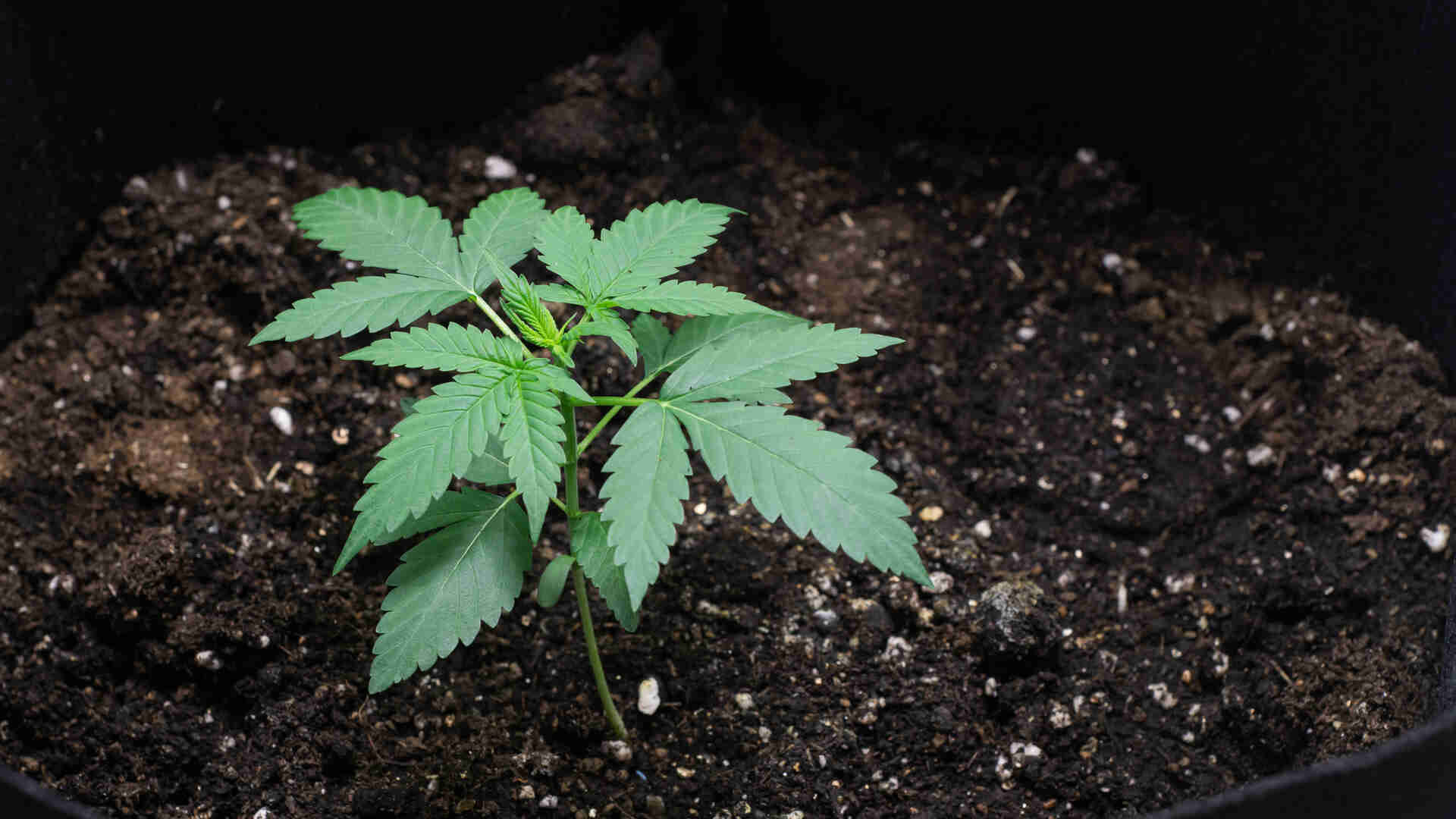
Cultivating a healthy, high-yielding cannabis plant isn’t just about light, soil, and water — it’s also about mastering the science behind the scenes. When growing cannabis, two of the most critical, yet often misunderstood, factors are pH (potential hydrogen) and EC (electrical conductivity). These measurements are the gatekeepers to nutrient absorption, root vitality, and overall plant performance.
Whether you’re growing hydroponically, in coco, or in soil, understanding how to measure, adjust, and optimize pH and EC can make or break your efforts to grow cannabis. In this guide, we’ll break down what these terms mean, why they matter, and how to stay in control — complete with practical tools, tips, and troubleshooting.
Understanding pH in Cannabis Plant Growth

pH measures how acidic or alkaline a substance is, on a scale of 0 to 14. A value of 7 is neutral; lower numbers indicate acidity, and higher values indicate alkalinity. If you're growing cannabis plants, the pH value tells you exactly how acidic or alkaline your growing medium is. This balance is critical in cannabis cultivation because nutrient availability is directly influenced by the pH level. Even if you’re supplying the right nutrients, your plant may be unable to absorb them if the pH is out of range. For example, soil pH is especially important to monitor, as it directly impacts nutrient uptake in soil-based grows.
Further Reading:How To Measure pH Levels In Cannabis Soil
When pH is too low or too high, nutrients such as calcium, magnesium, and phosphorus become locked out, leading to deficiency symptoms. This is particularly frustrating for growers who may respond by feeding more, worsening the imbalance. The way pH affects nutrient uptake and plant health means that maintaining the correct range is essential for healthy growth.
Optimal pH Ranges by Medium
Grow Medium | Ideal pH Range |
|---|---|
Soil | 6.0 – 7.0 |
Coco Coir | 5.8 – 6.2 |
Hydroponics | 5.5 – 6.2 |
Keeping pH within these optimal ranges is crucial for maximizing beneficial microbial activity in the rhizosphere, which enhances nutrient cycling and disease resistance in cannabis plants. Maintaining the correct pH ensures that your cannabis plant has access to all essential macro and micronutrients throughout its lifecycle.
What Is EC and Why It Matters For Cannabis Plants
While pH controls what nutrients are available, EC (electrical conductivity) tells you how much is available. The EC level measures the concentration of dissolved salts — primarily the nutrient levels — in your water or feed solution. A low EC indicates a weak nutrient solution; a high EC suggests a rich one.
A cannabis plant requires different EC levels depending on its growth stage. Providing too many nutrients too early can cause tip burn and toxicity. Improper EC can result in nutrient imbalances, which negatively affect cannabis plant health and yield. Be cautious of higher EC values, as they can lead to salt buildup and further plant health issues. Conversely, too few nutrients can slow growth and reduce yields.
Recommended EC by Growth Stage
Growth Stage | EC (mS/cm) | PPM (500 Scale) |
|---|---|---|
Seedling / Clone | 0.4 – 0.8 | 200 – 400 |
Vegetative Stage | 1.0 – 1.4 | 500 – 700 |
Early Flower | 1.5 – 2.0 | 750 – 1000 |
Peak Flower | 1.8 – 2.2 | 900 – 1100 |
Final Flush | 0.4 – 0.6 | 200 – 300 |
Different strains have different tolerance levels, so it’s wise to start on the low end and gradually increase EC while observing plant response. Proper EC management during vegetative growth is essential for healthy foliage development and helps prepare the plant for a successful transition to flowering.
Water Quality and Its Impact on pH and EC

Water quality is a foundational factor in cannabis cultivation, directly influencing the pH and EC levels of your nutrient solution. Many growers use tap water without realizing it often contains high levels of total dissolved solids (TDS), such as minerals and salts, which can disrupt the delicate nutrient balance your cannabis plants need.
When tap water has a TDS above 200ppm, it can contribute to salt buildup in the root zone, leading to pH imbalances and even nutrient lockout. These excess dissolved minerals can make it difficult to maintain stable pH and EC levels, resulting in reduced nutrient uptake and stunted growth. Over time, this can cause your cannabis plants to struggle, even if you’re providing the right nutrient mix.
To ensure optimal nutrient uptake and plant health, it’s essential to regularly test your water quality before mixing your nutrient solution. Using a digital pH meter and EC meter allows you to accurately measure the pH and EC levels of both your water and nutrient solution, helping you make precise adjustments as needed. If your tap water is high in TDS or contains unwanted impurities, consider using reverse osmosis or distilled water to start with a clean slate. This approach gives you full control over the nutrient concentration and helps prevent issues like salt buildup and nutrient lockout.

Remember, the pH and EC levels of your water will impact the availability of different nutrients throughout the various growth stages of your cannabis plants. By prioritizing water quality and monitoring with reliable meters, you’ll create the ideal environment for vigorous, healthy growth and optimal yields.
Further Reading:Why Nutrient Availability Matters More Than Nutrient Quantity
Tools You Need to Measure and Adjust pH and EC
Reliable readings depend on the right equipment. Modern digital meters, including ph meters and ec meters, are fast, accurate, and essential for serious cannabis growers.
Essential Tools
- Digital pH Meter – Offers precise pH readings of water and nutrient solutions.
- EC or Combo Meter – Measures the electrical conductivity of your feed.
- Calibration Solutions – pH (4.0 and 7.0) and EC standard (e.g., 1413 µS/cm).
- pH Up and Down – Liquids that raise or lower the pH of a solution.
- Clean Water Supply – Filtered or distilled water helps ensure accurate baselines.
Investing in quality meters — and calibrating them regularly — is a foundational habit that will prevent a wide range of nutrient problems.
How to Measure and Adjust pH and EC
Start by preparing your irrigation solution and stirring it thoroughly. Always measure pH and EC after adding all nutrients, since these can alter both readings significantly.
To measure pH:
- Begin by measuring pH with a calibrated pH meter in the solution.
- Wait for the reading to stabilize.
- Adjust with small amounts of pH Up or Down.
- Recheck until you reach the desired level.
To measure EC:
- Rinse the EC probe and immerse it in the solution.
- Note the mS/cm or PPM value as part of your regular EC measurements.
- If the EC is too high, dilute the solution with clean water.
- If it’s too low, add more nutrients incrementally.
For soil growers, measuring the pH and EC of the runoff water after watering is also important. This gives insight into what’s happening at the root zone and whether salts are building up. These measurements help ensure that plants roots are absorbing nutrients efficiently and maintaining optimal health.
Spotting and Solving Problems Early
Incorrect pH or EC levels are often the hidden culprit behind nutrient issues. Recognizing these early can save your crop.
Common symptoms of pH imbalance include yellowing leaves, twisted growth, purpling of stems, or spotting that resembles calcium or phosphorus deficiency. Low pH can cause specific nutrient deficiencies, making it difficult for plants to absorb nutrients properly. If not corrected, this can result in stunted plants and poor flower development.

High EC problems often appear as burnt leaf tips, leaf curl, or a powdery salt buildup on the surface of the soil. These symptoms indicate salt toxicity and signal the need for a flush. When EC is too high, plants begin to show stress and damage quickly.
Low EC symptoms include pale leaves, slow growth, and poor bud formation — all signs the plant isn’t getting enough food.
Maintaining proper pH and EC levels ensures healthier plants with better yields.
Nutrient Lockout: Causes, Symptoms, and Solutions
Nutrient lockout is a common challenge in cannabis cultivation, occurring when your plants are unable to absorb nutrients properly—even if those nutrients are present in the solution. This problem is often rooted in pH imbalances or high EC levels, both of which can disrupt nutrient uptake at the root zone.
Symptoms of nutrient lockout include stunted growth, yellowing or discolored leaves, and a noticeable drop in yields. These signs can mimic nutrient deficiencies, but the underlying issue is that the plant’s roots are unable to absorb nutrients due to unfavorable pH and EC conditions. For example, if the pH drifts outside the optimal range for your growing medium, certain nutrients become unavailable, while excess salts from high EC levels can accumulate and block nutrient absorption.
Other factors, such as inadequate watering, poor soil quality, or an unbalanced nutrient solution, can also contribute to nutrient lockout. To prevent this, it’s crucial to maintain optimal pH and EC levels, use a well-balanced nutrient solution, and ensure your plants receive adequate water and drainage.
Regularly monitoring your pH and EC levels with reliable meters allows you to catch potential problems early. If you suspect nutrient lockout, the first step is to check and adjust your pH and EC levels. Flushing the root zone with fresh water can help remove excess salts and restore balance. Once the root zone is reset, resume feeding with a properly balanced nutrient solution, and continue to monitor your levels closely.
By staying vigilant and proactive, you can resolve nutrient lockout quickly and support healthy growth, ensuring your cannabis plants absorb nutrients efficiently and reach their full potential.
Further Reading:How Do I Fix Nutrient Lockout In Cannabis Plants?
Flushing and Resetting the Root Zone
If EC levels are too high or if pH has become unstable, a flush may be necessary. This involves running clean, pH-balanced water through the medium to remove excess salts.
How to Flush:
- Use 2–3 times the container’s volume in water.
- Ensure the water is pH balanced (around 6.0 for soil, 5.8 for coco).
- Check the runoff EC as you go. You’re aiming for a reading near 0.5 mS/cm (250 PPM).
After flushing, resume feeding with a lighter nutrient solution and carefully monitor EC and pH moving forward.
Best Practices for Long-Term Success
Establishing a consistent routine for checking and adjusting pH and EC is one of the best things you can do for plant health. It’s not just about reacting to problems — it’s about preventing them entirely.
- Log your readings daily or weekly to track trends.
- Calibrate your meters at least once per week.
- Clean your probes after each use and store them in appropriate solutions.
- Measure both your input and runoff, especially in soil or coco systems.
- Adjust gradually — avoid large swings in EC or pH as they can shock your plants.
Consistent monitoring and adjustment of pH and EC promotes vigorous growth and maximizes yield. By developing a consistent routine and responding to early signs of imbalance, you can maintain optimal conditions for your cannabis plants from seedling to harvest.
The Science Behind the Numbers
Studies in plant physiology show that nutrient availability is pH-dependent. According to Marschner’s Mineral Nutrition of Higher Plants, elements like iron, manganese, and zinc become insoluble at high pH, while phosphorus can be locked out in overly acidic environments. EC, on the other hand, relates to the osmotic potential in the root zone. When EC is too high, plants may suffer from “physiological drought,” where water is present but unavailable to roots due to salt concentration — a condition that can quickly stall growth and reduce yield. Maintaining proper pH and EC is essential for optimal plant growth and maximizing yield.
Equipment Comparison Table
Tool | Example Product | Purpose |
|---|---|---|
Digital pH Meter | Apera PH20 / Bluelab Pen | Measures acidity/alkalinity |
EC/PPM Meter | Hanna GroLine / Bluelab | Measures nutrient strength |
Calibration Solutions | General Hydroponics Set | Keeps meters accurate and reliable |
pH Up / Down | GH pH Up & Down Kit | Adjusts nutrient solution pH |
Storage/Probe Cleaner | KCL Solution | Extends lifespan of pH/EC probes; add a few drops to the probe before storage for best performance |
pH and EC For Cannabis Plant Health: In Summary
pH and EC might seem like abstract concepts at first, but they directly impact your cannabis plant’s ability to thrive. Monitoring and adjusting pH and EC when growing cannabis is crucial, as it ensures optimal nutrient availability and plant health. Once you grasp how they influence nutrient uptake, they become powerful tools in your grower’s toolbox. A well-fed, pH-balanced plant is healthier, grows faster, and produces denser, more potent buds.
By committing to regular monitoring, using reliable tools, and responding quickly to shifts, you’ll not only avoid costly mistakes — you’ll unlock the full genetic potential of every cannabis plant you grow.
References
Marschner, H. (2012). Marschner’s Mineral Nutrition of Higher Plants, 3rd Edition. Academic Press.
Bugbee, B. (2020). “Nutrient Management in Soilless Systems.” Utah State University.


