

Harvest time beckons for outdoor growers, with the majority of strains due to pay out at some point over the coming weeks. The business end of a cannabis grow is what it’s all about, and your eyes are most likely getting red just thinking about those big, juicy buds you’ve put so much dedication into nurturing over recent months.
Harvesting outdoor cannabis plants is a meticulous process requiring a strategic approach to optimize yield and potency. As harvest time approaches for most outdoor cultivators in the Northern Hemisphere, we've produced this comprehensive guide laying out the stages involved, equipping cultivators with the knowledge to efficiently harvest photoperiod and autoflowering plants in various locations.
Understanding The Life Cycle
Cannabis plants generally undergo four stages of development: germination /cuttings, seedling, vegetative, and flowering. After the flowering stage comes harvest, where cultivators collect the buds from the plants and begin the trimming, drying and curing processes that prepare flowers for consumption.
The Right Time To Harvest
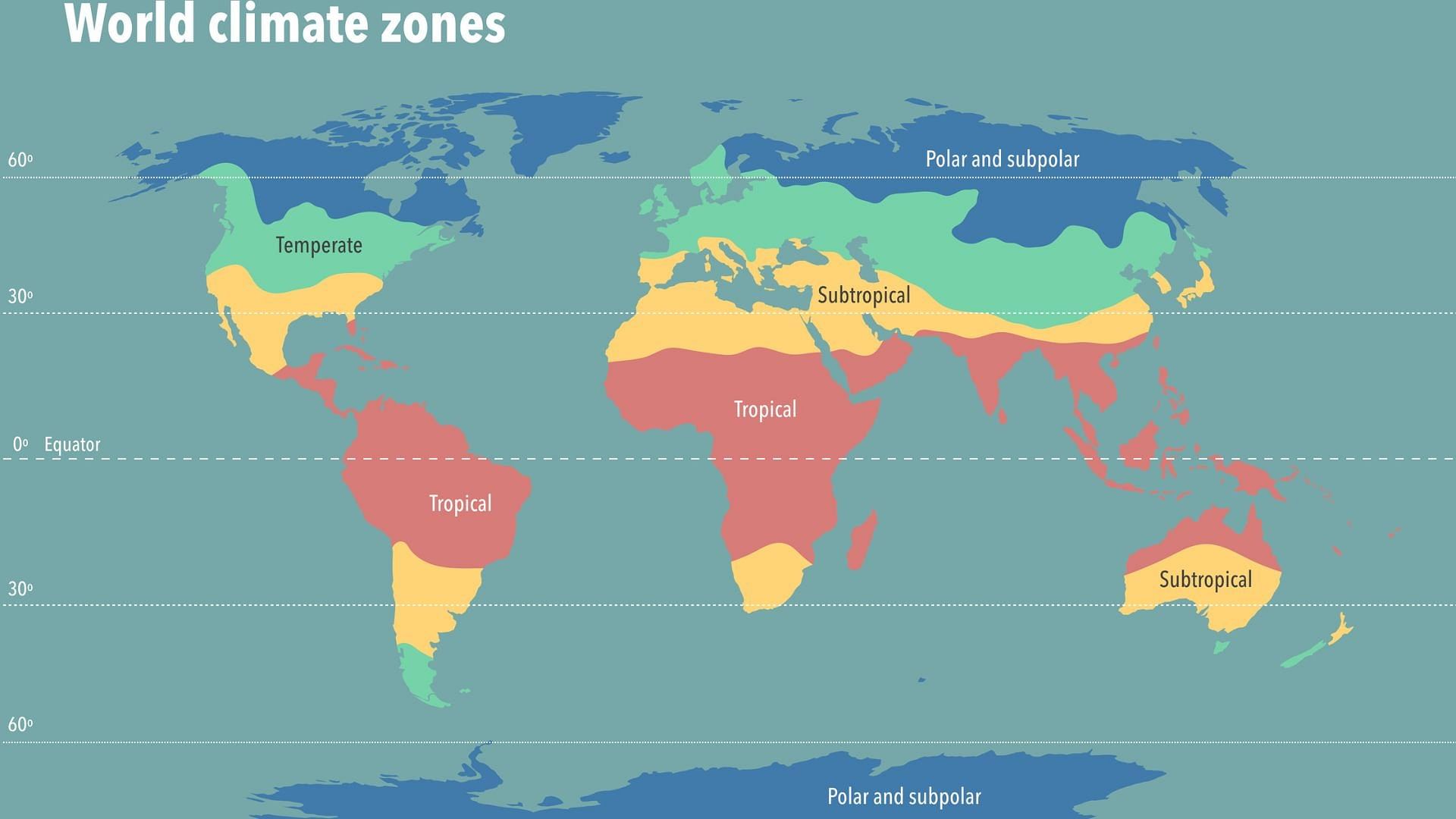
Determining the optimal time to harvest is a skill in itself. The general guideline is to focus on the plant’s trichomes, which should transition from clear to a cloudy white and eventually amber. A magnifying glass or jeweller's loupe will be indispensable at this stage, but if you don't have either, you can open the camera on your cellphone and zoom in. Trichome colour is one of a few popular methods of determining optimal harvest time, but then there's the more significant variable - when to harvest based on your location.
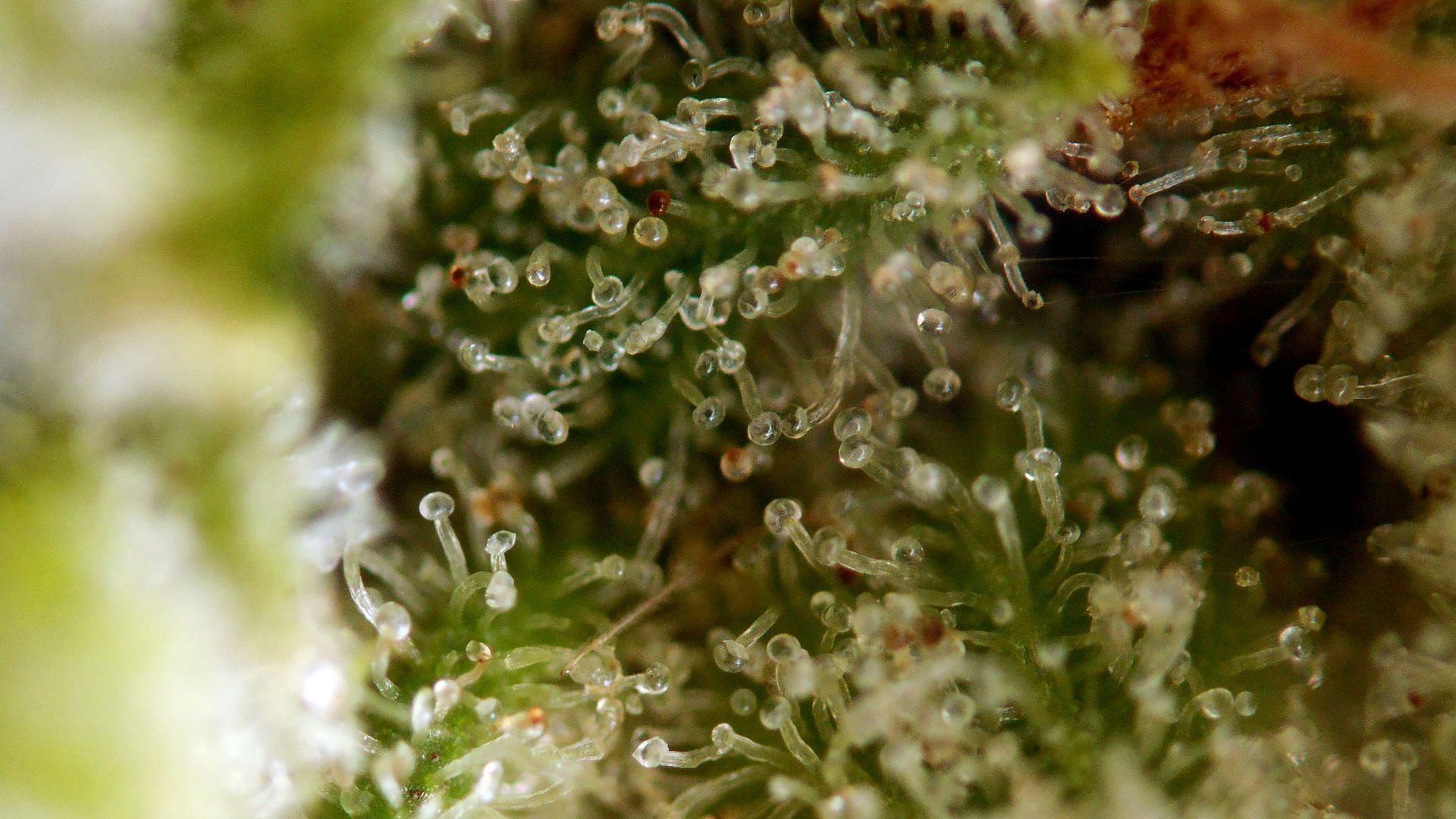
The planet's northern and southern hemispheres create very different sets of rules surrounding growing seasons and harvest times. Daylight hours, temperature and general seasonal climates influence when northern hemisphere dwellers can feasibly produce outdoor weed. These limitations gave rise to ingenuity; autoflowering strains were developed as a way of growing cannabis on a shorter timescale with less daylight - and ensuring harvests before the onset of cold, rainy fall conditions. Early/FAST genetics prove invaluable for outdoor cultivators in countries with harsher climates post-summertime, allowing for rapid turnarounds before ground frosts ensue.
Further south, however, things change and favour cultivators looking to produce year-round outdoor crops of photoperiod cannabis strains. Caribbean countries like St. Vincent and Grenadines have climates facilitating year-round flowering and accommodating longer-flowering photoperiod sativa varieties. So, where do you fall on this scale?
Each region on the list benefits from having the capability of growing in the parameters above. This is a Northern Hemisphere breakdown of suitable growing regions by type of genetic (photoperiod duration)
Here's a quick and handy rough guide to harvesting windows by zone:
Region: Canada, Scandinavia, some Northern USA regions
Harvest before: End September
Suitable genetics: Autos
Generally, autoflowers are ideal in these regions, allowing for harvest practically anytime during summer. However, photoperiods typically have to be done by mid-September to avoid late-season issues.



Region: Northern to Central USA, Northern Europe
Harvest before: Early October
Suitable genetics: Fasts/Semi-full terms, Autos
In these regions, although some places will have longer seasons than others, Fasts are perfect to deliver that photoperiod goodness whilst finishing ahead of the onset of mold, cold, and other end-of-season problems.


Region: Central to South USA, mainland and southern Europe, parts of Southern Asia
Harvest before: End of October
Suitable genetics: Fasts, full-term photoperiods, Autos
These regions generally have long seasons, which allow for more prolonged flowering times and therefore, growers have complete choice over which varieties to grow. Although the seasons are long, they do come to an abrupt end in many places, meaning that care must be taken to avoid lingering finishers.
Region: Caribbean, South America (northern areas), Central Africa, South East Asia
Harvest before: These areas facilitate year-round harvests
Suitable genetics: Grower's choice
Although these regions are blessed with photoperiods that allow flowering year-round, they also often come with high humidity and, therefore mold risk. Harvesting in these regions is better when flowering times are relatively short and wet season harvest can be avoided.


How To Determine When Plants Are Ready For Harvest
There are several ways to determine harvest readiness, and you can read about these here. It’s best to take a multifaceted approach, but if using the trichome method, here is a quick guide to how to read trichomes for harvesting.
Photoperiod Plants
Early Harvest: Trichomes are primarily cloudy, preserving a higher THC content, resulting in a more energetic high. Early harvest allows a higher amount of THCa.
Peak Harvest: A mix of cloudy and amber trichomes signifies peak maturity, offering a balanced cannabinoid profile.
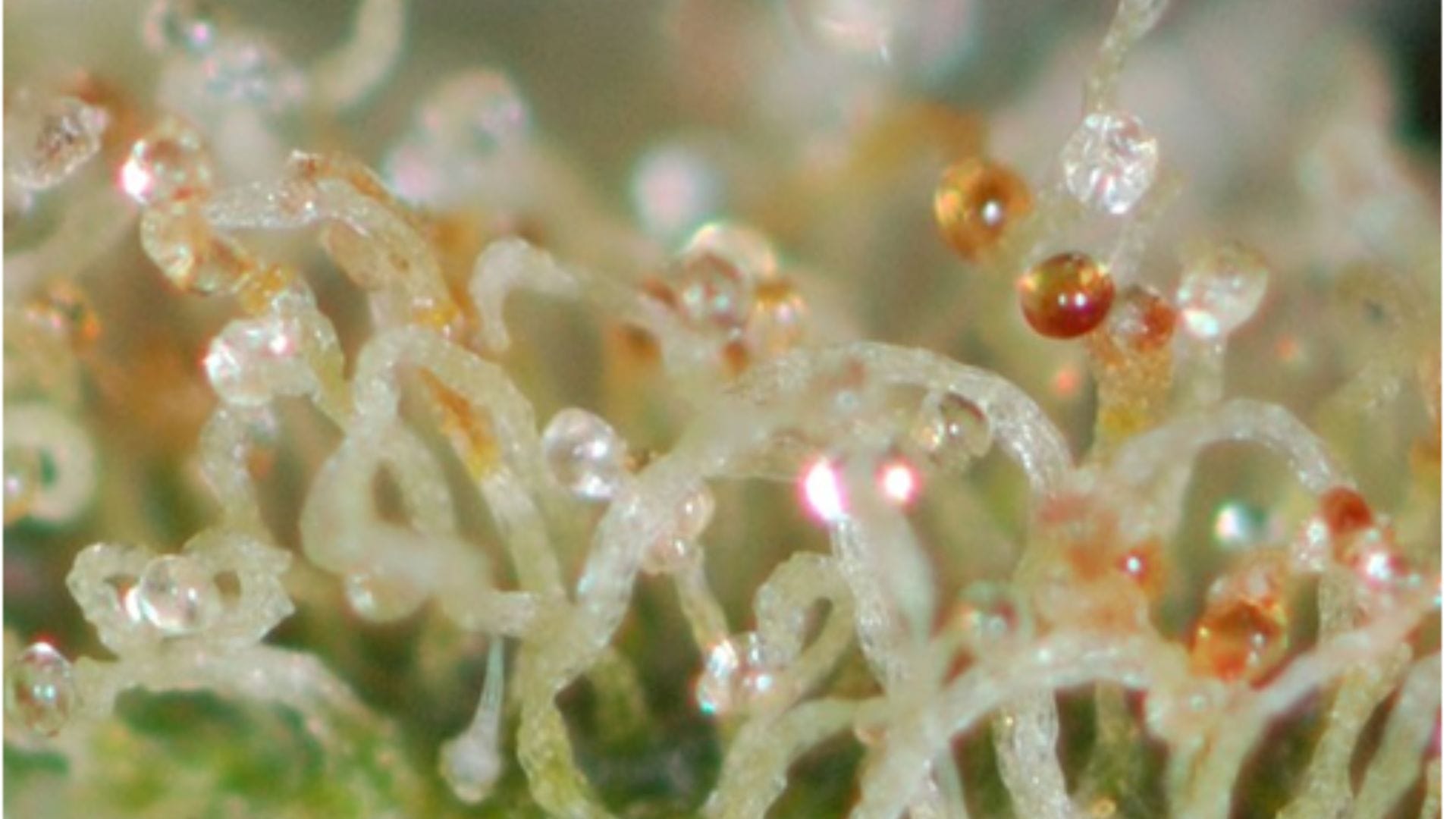
Late Harvest: Dominantly amber trichomes tend to result in a more sedative effect.
Autoflowering Plants
These variants automatically transition from the vegetative to the flowering stage, typically ready for harvest 8-10 weeks after planting. Monitoring trichome development is still essential.
Geographical Considerations
Temperate Regions: Harvesting usually falls between September and October.
Tropical Regions: Harvesting can be done multiple times a year, typically avoiding the wet season to prevent mold and diseases.
Gathering Essential Harvesting Tools
Investing in the right equipment ensures a smooth harvesting process. Essential tools include:
- Sharp, sterilized pruning shears for cutting stems and branches
- Latex gloves to keep your hands resin-free
- Drying racks or lines for the drying process
- A spacious, clean, and ventilated room for drying
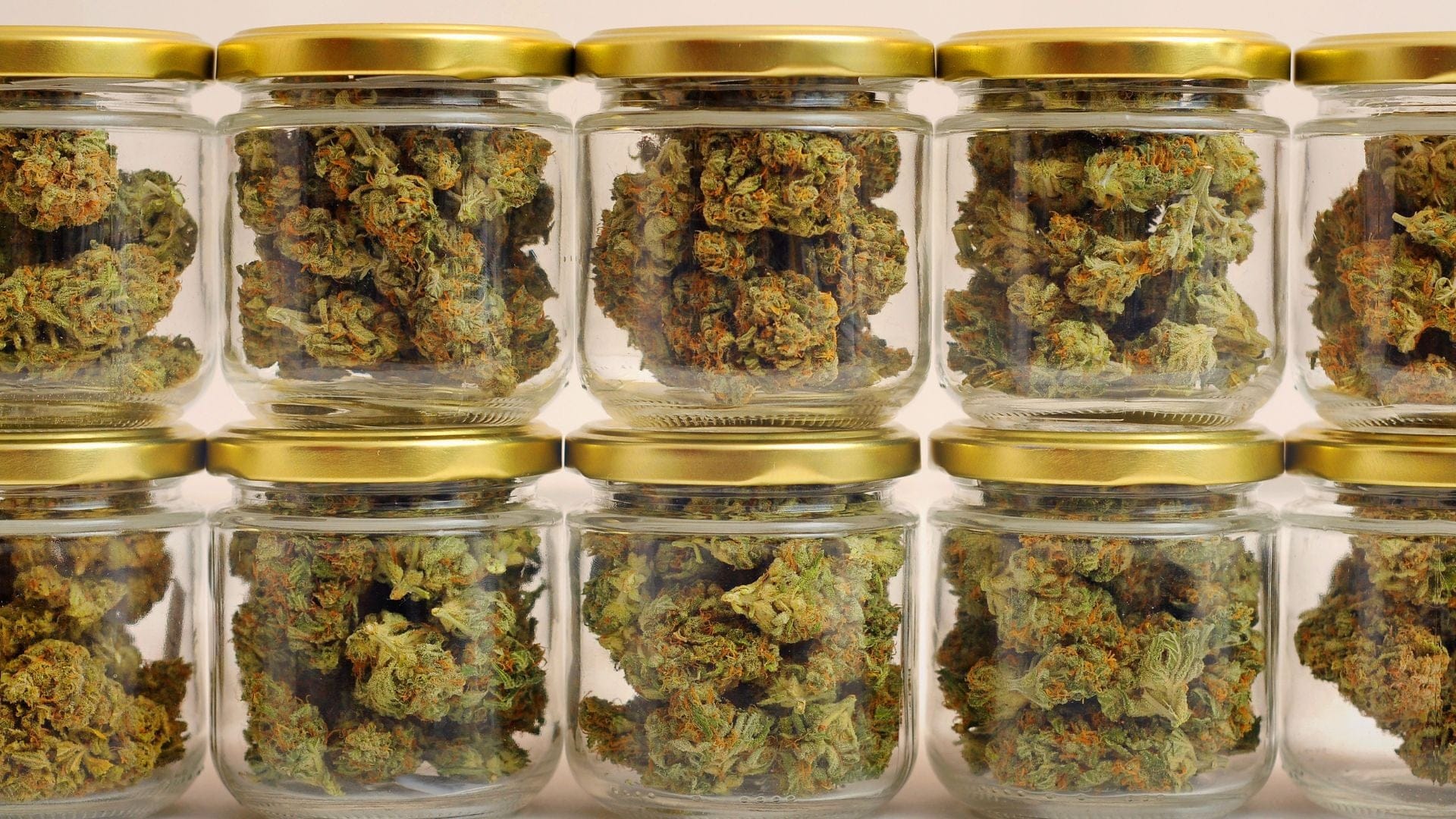
- Storage containers for cured buds
Harvesting Process
Once you ascertain the right time to harvest, approach the task methodically, following the steps outlined below.
Pre-Harvest Pruning
Pruning involves removing the large fan leaves, facilitating easier access to the buds during harvesting.
Cutting and Collecting
Utilize your sharp pruning shears to cut the main stem or individual branches, working systematically to avoid damaging the buds.
Manicuring
Manicuring is the process of removing excess leaves from the buds, enhancing their appearance and potency.
Post-Harvest Processing
After harvesting, the buds undergo drying and curing processes to optimise readiness and potency:
Drying
Initial Drying: Hang the branches upside down in a well-ventilated, dark room with a consistent temperature of 60-70°F (15-24°C) and 50-60% humidity for 7-14 days. Allow breathing space between branches to minimise risk of mold.
Tray Drying: Spread the buds on drying racks for uniform drying, allowing space between the buds.
Curing
Initial Curing: Place the manicured buds in airtight containers, opening them periodically to allow moisture to escape and prevent mold. This technique is also known as burping.
Long-term Curing: This lasts a month or more, enhancing the bud’s flavour and potency.
Common Mistakes to Avoid
Harvesting Too Early or Late: This compromises potency and yield. Regular monitoring is crucial to avoid this.
Improper Drying and Curing: Avoid rush-drying the buds or using heat sources to speed up drying, as this dramatically compromises the quality and can damage your precious yields.
Conclusion
The above guidelines serve as a useful for rule of thumb when looking to determine not only the right time to harvest your cannabis, but also how to tell if your buds are ready to reap. Of course, these are general rules and can be subject to slight changes based on changing climates and conditions. Follow the tips outlined for a successful harvest, and be especially diligent in checking your plants as harvest time approaches.


