
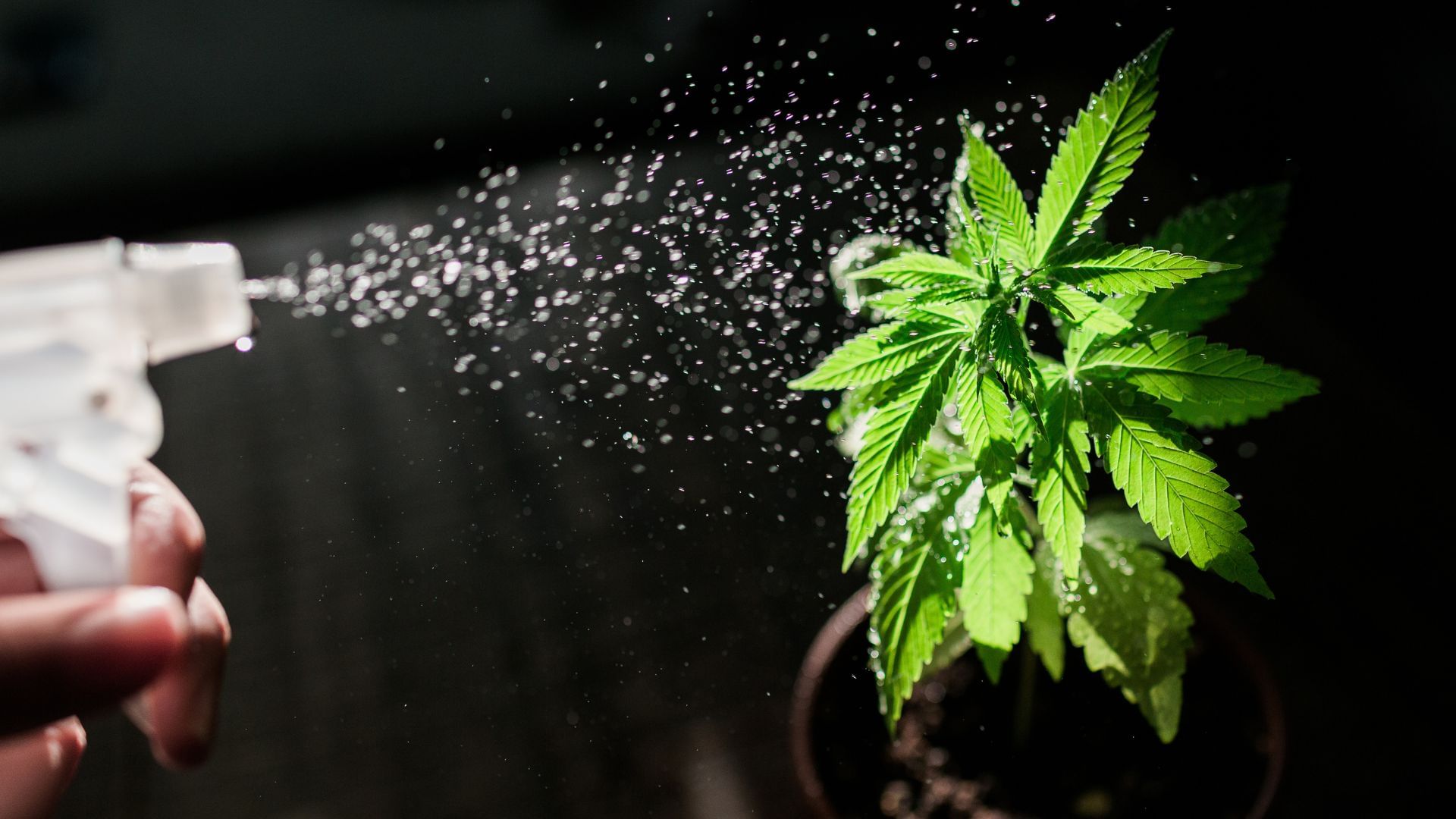

Integrated Pest Management (IPM) is a holistic approach to pest management that combines various techniques that minimise pesticide use and maintain healthy and productive crops. In cannabis cultivation, IPM is critical for managing pests and diseases while reducing environmental impact and ensuring the quality of your harvest.
Several common pests can impact the yield and quality of cannabis. These pests include spider mites, aphids, thrips, fungus gnats, caterpillars, and mould. To effectively manage these pests, it is essential to implement an IPM program.
An IPM program for cannabis cultivation involves several strategies, including cultural practices, and biological and chemical controls.
The first step in any good IPM plan is to prevent pests before they happen. This is where cultural practices come in. They are essential for preventing pest infestations.
Cultural Practices
Cultural practices are the habits you maintain in your garden, including proper sanitation, plant spacing, pruning, and good airflow. Maintaining a healthy garden environment can reduce the likelihood of pest infestations. Adequate nutrient levels, temperature, humidity, and light will help plants grow strong and resist pest infestations.
Keeping a clean garden space begins with limiting cross-contamination. Clean your tools regularly, and only allow friends with gardens to enter your garden with proper protocols like clean clothes and shoes. Many pests hitch rides on clothes, skin, tools, and new clones.


Clones can carry all kinds of pests, so it's great to start your garden with seeds. If you do want to bring a new clone into your garden, it's a great idea to quarantine new plants in a separate area and dip them in horticultural oil mixed with water before introduction. Once your plants are clean and free of pests, giving them proper spacing is another way we can reduce the risk of infestations.
Proper spacing means your plants have plenty of room to grow beside each other without much overlap. When plants grow too closely together, you reduce airflow and light penetration. This can create an environment in which mould thrives. You can space your plants close together if you adequately prune them.
Pruning is another cultural practice that can help manage pests. Pruning includes removing leaves or stems and will influence the plant's growth and overall shape. Removing infested or damaged leaves and stems can prevent pests from spreading and reduce the likelihood of new infestations.
Removing fan leaves is often called defoliation and is a pruning method that can increase airflow and light penetration, further reducing the risk of pests and pathogens. An easy way to remember to prune is to set regular pruning days throughout your growing cycle. We like to do heavy defoliation on days twenty, forty, and sixty of flower with periodic pruning between.
Good airflow is essential for reducing the risk of pests and diseases. Proper ventilation can help prevent the buildup of humidity, promoting mould growth and attracting pests such as fungus gnats. Besides, pruning growers can use fans and ventilation systems to ensure proper airflow in the grow space.
If you battle high humidity and mould, you can grow strains high in Limonene, like Lemon Auto, a cross between Lemon Haze and Lowryder #2. Strains like this contain high levels of Limonene, a terpene known to be mould resistant.



Knowing your environment and implementing cultural habits will prevent pests and pathogens from entering your garden. It is also essential to ensure your plants have a proper balance of nutrients. Plants that have too much nitrogen are desirable to pests. Maintaining the correct ratio of nutrients, light, temperature, and humidity is all part of cultural practices.
Creating good habits in your garden is the first step in an IPM plan. The next is utilising biological controls that reduce the need for chemical pesticides while providing excellent pest prevention and treatment.
Biological Controls
Biological control involves using companion plants, natural predators, parasites, or pathogens to control pests. This method is considered the most environmentally friendly and effective way to control pests. Biological controls are handy for managing cannabis pests because they have many natural predators you can attract or introduce to your garden.
Companion planting is an excellent biological control method. It utilises the natural volatile organic compounds such as terpenes that plants produce to deter pests or attract beneficial predatory insects. Oregano, thyme, cilantro, dill, and lemon balm are powerful pest deterrents.
Popular pest products like Cannatrol by Mammoth P contain thymol, an essential oil in thyme and oregano. Unlike this product, these herbs have carvacrol and p-cymene other pest-repelling terpenes. You can use them in your kitchen to add flavour to your favourite meals and cost less, making them an even more sustainable option.
Other plants attract beneficial insects like buckwheat and sweet alyssum. Beneficial insects are an indispensable component of IPM.
One example is parasitic wasps that can control aphids and caterpillars, a common pest in cannabis cultivation. These wasps parasitise both aphids and caterpillars by laying eggs in them and can effectively manage their populations without chemical pesticides.

Another example is the use of beneficial insects such as ladybugs to control aphids. Ladybugs, especially their larvae, feed on aphids and can be released or attracted to your garden to control their populations.
Remember when incorporating companion plants in and around your garden to use native species as well. These plants have evolved in your area with the beneficial insects that reside within your ecosystem. That means they have a long-standing relationship with the beneficial insects and the pests and pathogens making them hardier. They are also adapted to the temperature and moisture of your region, making them easy to care for.
Biological control can also involve the use of pathogens to control pest populations. Bacillus thuringiensis kurstaki (Btk) is a bacterium that produces a toxin harmful to caterpillars. Btk can be applied to the plants as a spray or added to the soil to control caterpillar populations. Bacillus thuringiensis israelensis (Bti), a subspecies of the same bacterium, targets fungus gnats and mosquitos. Besides using bacteria as biological controls, many fungi are great biocontrols.

Mycoinsecticides are microbial pesticides whose active ingredient is a living fungus pathogenic to insects or other fungi. Beauveria bassiana, Metarhizium anisopliae, Isaria fumosorosea, and B. brongniartii are among the most common strains of fungi used in these products. These are excellent options if your garden is humid and an ideal environment for fungi. You can use Trichoderma, an incredibly aggressive species of fungi, to outcompete pathogens like botrytis or powdery mildew.
Chemical Control
Chemical control is another option for managing pest infestations in cannabis cultivation. However, in IPM, chemical pesticides are used only as a last resort and are chosen based on their effectiveness and potential for harm to the crop and the environment. Growers should use chemical pesticides caution and follow all safety guidelines and regulations.
Chemical pesticides can effectively control pest infestations quickly, but they can also harm the environment and human health. Overusing or misusing chemical pesticides can also lead to pesticide resistance, making it more challenging to control future infestations.
When using chemical pesticides, it is imperative to choose an effective product against the specific pest and use it according to the label instructions. It is necessary to follow safety guidelines, such as wearing protective clothing and avoiding contact with pesticides.
Certain chemical pesticides are organic, and although they are derived from natural sources like Azadirachtin (Neem) and Pyrethrum (Chrysanthemum), they can cause ecological damage by killing pollinators. They can be toxic to aquatic species like fish.
These products are safer than alternative chemical pesticides but should still be used sparingly per the manufacturers' label. We also don't recommend spraying during flowering because the implications of ingesting these chemicals, combusted or otherwise, are unknown. Before you apply chemicals, you need to identify the pests accurately to ensure the product you will use will treat that specific pest.
Identification and Monitoring Pests
Proper identification and monitoring of pest populations are critical in IPM. By regularly monitoring the plants for signs of infestation, growers can detect pest problems early and implement appropriate management strategies. Regular monitoring can also help growers determine the effectiveness of their IPM program and adjust as needed.

One effective method of pest monitoring is using sticky traps. These traps are placed throughout the grow space, capturing flying insects such as whiteflies and fungus gnats. By monitoring the number of pests caught on the traps, growers can determine if a pest infestation is occurring and take appropriate action.
Another method of pest monitoring is inspecting the plants regularly for signs of damage or infestation. Growers should look for discolouration or distortion of leaves, webbing, and insect activity. Early detection of pests can help prevent the spread of infestations and reduce the need for chemical pesticides.
Both sticky traps and leaf damage can give clues to correctly identifying pests. Many resources are available online and in person to help you identify your pests. The Master Gardener program is an incredible resource that is free and readily available throughout the United States.
An effective IPM program is essential for managing pests and diseases in cannabis cultivation. By combining cultural practices, and biological and chemical controls, growers can reduce the risk of pest infestations and maintain a healthy and productive crop. Regular monitoring and early detection of pests can also help prevent infestations from becoming severe and reduce the need for chemical pesticides.
Implementing an IPM program can help growers reduce environmental impact, ensure the safety of their crops, and improve the overall quality and yield of their cannabis plants. Many resources are available to help you learn about IPM, from university websites, YouTube channels, and online classes like How to Treat Pests Organically: IPM.
Pests are natural parts of the ecosystem, and despite their annoyance to you as a gardener, they have intrinsic value simply for existence. It is important to remember that we can limit their nuisance by having a strong IPM plan and allowing them to exist in their sphere where they won't damage your crop.
It is impossible to eradicate pests when growing outdoors, so familiarising yourself with their lifecycle, preferred habitat, and natural predators is crucial. The best IPM plan is informed, so take the time to educate yourself about these fascinating creatures and how you can garden in harmony beside them.