When winter rolls in, maintaining optimal conditions in your indoor grow space becomes significantly more challenging. Lower outdoor temperatures, shorter daylight hours, and drier air all affect your ability to maintain stable temperature and humidity levels in your grow room or tent.
Even though growing indoors provides some insulation from the elements, the cold can—and often does—find its way inside. If your grow room is poorly insulated or experiences wide temperature and humidity swings, you may end up with stunted plants, reduced yields, or even total crop failure.
In this article, we’ll walk you through how to prepare your winter grow room setup—from sealing and insulating to managing temperature drops, adjusting humidity, and fine-tuning your equipment for cold weather growing.
Seal and Insulate Your Grow Space
Before winter fully sets in, your first priority for successfully growing indoor cannabis in winter should be to seal and insulate the grow space. The goal is to retain warmth and prevent cold drafts from sneaking in—even small gaps can lead to significant temperature losses that affect plant health and stability.
Check for Air Leaks
Begin by inspecting your grow area for air leaks. Check around door frames, window sills, electrical outlets, and ventilation inlets. A simple trick is to light a stick of incense, turn off all fans, and slowly move through the space—if the smoke flickers or gets sucked into a crack, you've found a leak. Seal these with caulk, weather stripping, or expanding foam as needed.
Insulate Walls, Windows, and Floors
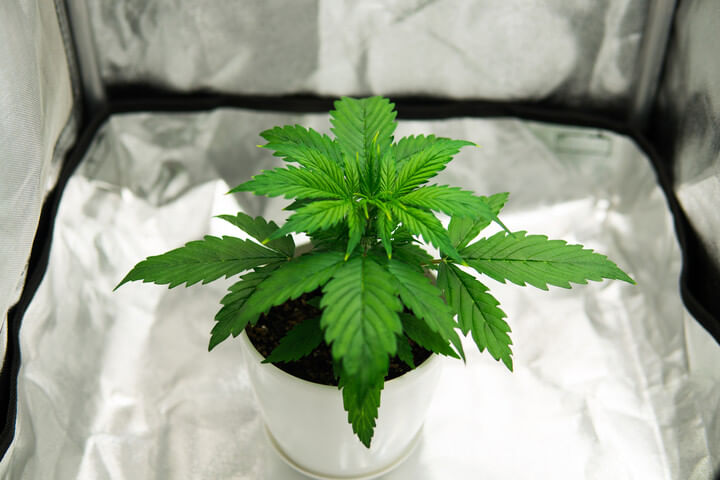
Don’t underestimate how much heat you can lose through poorly insulated surfaces. While walls and ceilings are important, windows and floors—especially bare concrete—are major culprits.
Apply reflective thermal film or insulation panels to windows to block drafts and retain heat. Place foam pads, rugs, or carpeting under your grow pots to keep roots from getting chilled. Cold roots can severely limit nutrient uptake and slow plant development.
Retain Heat and Reflect Light
Every bit of retained warmth matters during winter. Lining the walls and ceilings with reflective materials like Mylar not only improves light distribution but also helps trap heat. This dual-purpose strategy keeps your plants warm and ensures more efficient light exposure.
Managing Winter Temperature Swings
While minor fluctuations in temperature are natural and generally tolerable, frequent or extreme swings can shock your plants and damage their growth cycles.
Use Safe, Efficient Heaters
To keep your space warm, you’ll likely need a supplemental heat source. Oil-filled radiators and ceramic space heaters with built-in thermostats are excellent choices because they deliver consistent warmth without drying out the air excessively.
Position your heater carefully—don’t place it too close to plants or grow tent walls—and always ensure adequate airflow. Choose models with safety features like automatic shut-off and tip-over protection. Connecting your heater to a thermostatic controller can further automate temperature regulation, helping maintain consistent conditions.
Reduce Temperature Drops When Lights Go Off
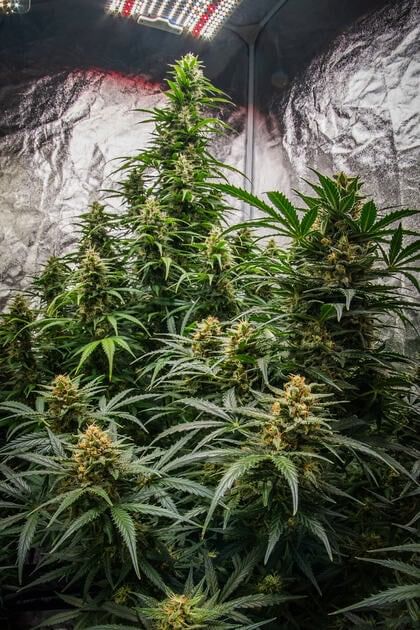
When your grow lights turn off, the room naturally cools—and during winter, that drop can be dramatic. To reduce nighttime temperature shocks, consider adjusting your light schedule so that lights are on during the coldest hours (typically nighttime) and off during the warmer daytime. This approach lets you use the heat from your lights to combat outdoor cold.
While a small drop in temperature at lights-out is fine—and even mimics natural outdoor conditions—it should be limited to just a few degrees. Avoid drastic dips. Automated thermostats and environmental controllers can help ensure a smooth transition between day and night temperatures.
A good general temperature range is to aim for daytime temperatures of 72–78°F (22–26°C), with nighttime lows around 65°F (18°C). Some growers choose to go as high as 82°F (28°C) during the lights-on period, but not all genetics handle higher temperatures well. For this reason, many cultivators prefer to keep temperatures within the “safe” range at all times to avoid stress and ensure consistent growth.
Further Reading:Five Need-To-Know Formulas For Lighting A Grow Room
Monitoring and Managing Humidity in Cold Weather
While temperature tends to steal the spotlight, humidity plays an equally critical role in plant health—and winter air is notoriously dry.
How Cold Air Affects Moisture
Cold air naturally holds less moisture than warm air. When that cold air enters your grow space and is heated, it dries out even further. This low-humidity environment can lead to transpiration stress, where plants lose water too quickly through their leaves. As a result, they absorb water—and nutrients—less efficiently, which can cause stunted growth or deficiencies.
Using Humidifiers Properly
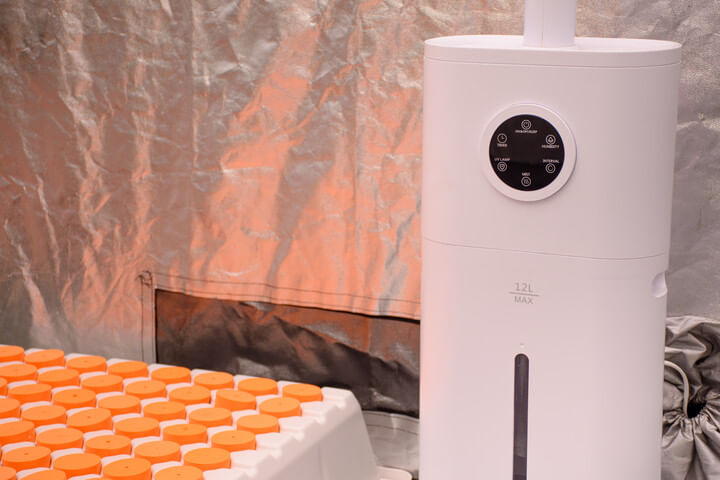
To counteract dry winter air, use a humidifier suited to the size of your grow room. Ultrasonic and evaporative models both work well.
· During the vegetative stage, aim for around 60% relative humidity.
· During flowering, maintain 40–55% RH to avoid mold or mildew.
If a full-size humidifier isn’t an option, you can place trays of water near fans to help raise humidity. Just remember—if you’re running heaters frequently, they’ll dry out the air even more, so you’ll need to monitor RH closely and adjust output accordingly.
Further Reading:Cold Snaps, Mold, And Harvest Timing
Equipment Adjustments for Winter Growing
Once your space is sealed, insulated, and heated, you’ll need to make a few adjustments to your growing routine and tools to maintain efficiency through the winter season.
· Ventilation tweaks: If your system draws in cold air from outdoors, consider rerouting it to pull from a nearby room instead. This helps avoid sudden cold drafts.
· Watering changes: Plants will drink less in cooler conditions, so reduce your watering frequency. Always use water that’s at room temperature (~68°F / 20°C) to avoid shocking the roots.
· Accurate temperature readings: Ground-level temps can be misleading. Place your thermometer at canopy height to get the most accurate reading of what your plants are experiencing.
· Target temperature range: Keep daytime temps between 72–78°F (22–26°C) and nighttime temps no lower than 65°F (18°C).
· Maintenance: Winter is a good time to check your gear. Inspect all cords, filters, fans, thermostats, heater coils, and dehumidifiers. Clean or replace carbon filters and ensure all components are running smoothly.
Summary: How to Maintain Your Grow Room in Winter
Successfully growing cannabis in the winter requires proactive planning and consistent environmental management. It starts with sealing up air leaks and insulating your grow space thoroughly to retain warmth and prevent drafts. Safe, thermostat-controlled heaters help maintain consistent temperatures, while adjusting your light schedule so lights are on during the coldest hours can reduce nighttime temperature drops.
Humidity must also be kept in balance using a reliable humidifier, since cold air tends to be dry and can stress your plants. In addition, your watering routine and ventilation system may need adjustment to match the slower growth and transpiration rates common in colder weather. Constant monitoring of temperature and humidity is essential, allowing you to respond quickly to any environmental changes. By fine-tuning your setup with these strategies, you can maintain a stable, productive grow space—even during the harshest winter conditions.
For more details on how to grow cannabis indoors, check out my book 7 Steps To Grow Cannabis. It’s a complete beginner’s guide to growing cannabis indoors. You can get it on my website, or on Amazon. Happy growing!