
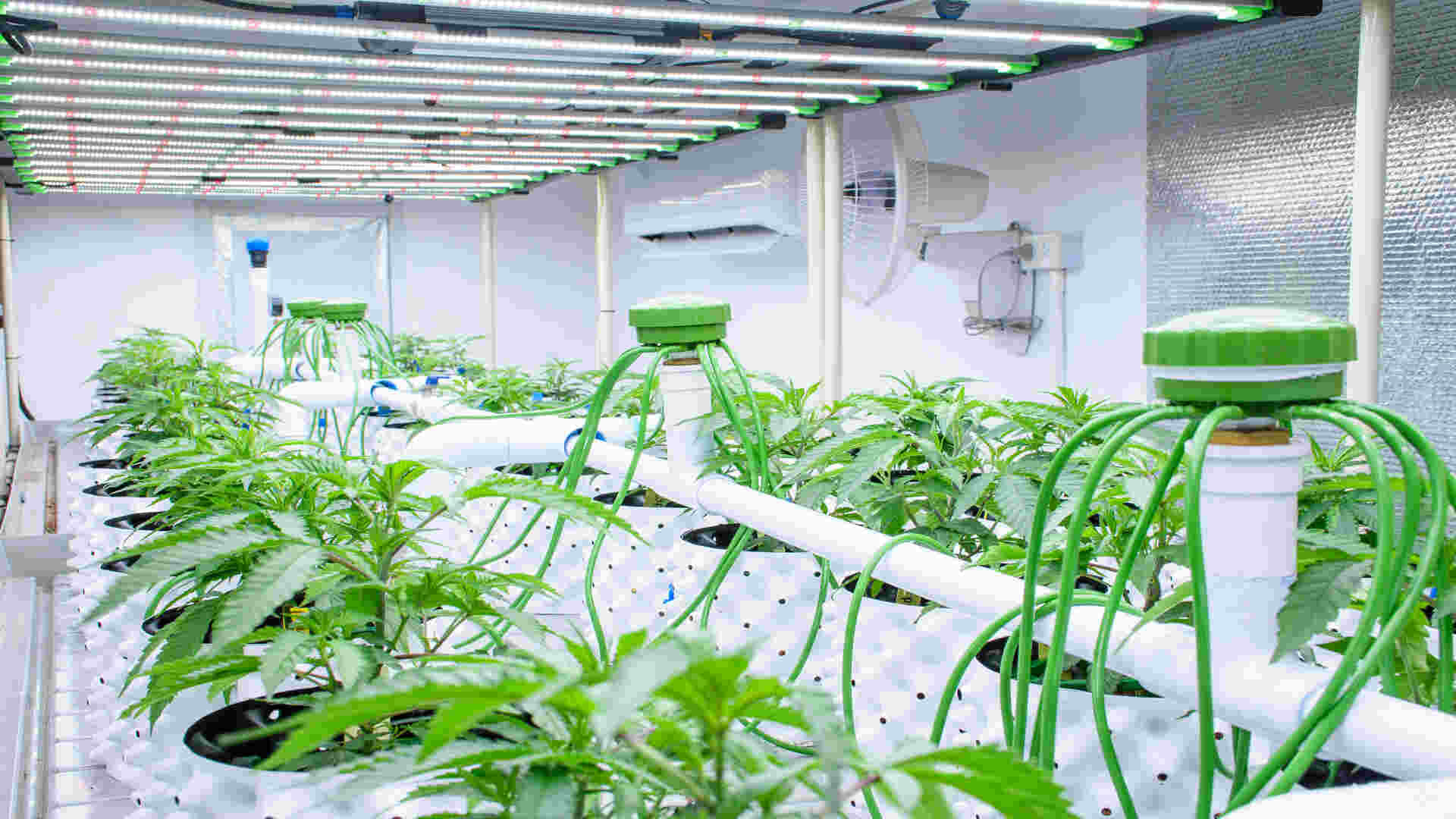

Advanced cannabis growing involves sophisticated cultivation techniques that optimize plant structure, environmental conditions, and stress management to maximize both yield and potency through enhanced trichome production. After four decades of cannabis cultivation across five continents and authoring The Cannabis Encyclopedia—winner of the Benjamin Franklin Gold Award—I've refined techniques that consistently improve both harvest quality and quantity when applied correctly.
In my extensive cultivation trials from Spain to California, from indoor facilities to outdoor farms, I've documented how advanced methods can significantly enhance trichome production while improving overall bud quality and resin development. The cannabis plant naturally produces trichomes as a defense mechanism against pests, UV radiation, and other environmental threats. These techniques go beyond basic plant care, incorporating precise environmental controls, strategic plant training, and understanding the plant's natural responses to create optimal growing conditions for cannabis plants.
About Jorge Cervantes: With more than 40 years of hands-on cannabis cultivation experience, Jorge Cervantes is the author of The Cannabis Encyclopedia and multiple cultivation guides published in 11 languages. His expertise spans indoor and outdoor growing across diverse climates on five continents. Jorge's work has earned recognition including the Lester Grinspoon Lifetime Achievement Award from HIGH TIMES.
What is Advanced Cannabis Growing? - The Complete Definition

Advanced cannabis growing represents the sophisticated application of horticultural science to cannabis cultivation, focusing on optimizing every aspect of the plant’s environment and development to maximize both yield and quality. In advanced cannabis growing, optimizing the plant’s yield is a core goal, achieved through techniques that enhance both the quantity and quality of the harvest. This approach goes far beyond basic watering and feeding, incorporating precise environmental controls, strategic plant training techniques, and deep understanding of how cannabis plants respond to various stresses and stimuli.
Throughout my decades of cultivation research across diverse climates and growing conditions, I’ve observed that cannabis plants possess remarkable adaptability when the grower understands their fundamental needs. Advanced techniques work by harnessing the plant’s natural survival mechanisms and stress responses to enhance trichome development, improve plant structure, and optimize resource utilization throughout the growing cycle.
The foundation of advanced cannabis growing lies in understanding that cannabis plants naturally produce cannabinoids and terpenes as part of their defense systems against environmental challenges, UV radiation, and potential threats. Trichomes also contain other compounds that contribute to the plant’s effects and aroma. Cannabis produces three main types of trichomes: bulbous (10-15 micrometers), capitate-sessile (25-100 micrometers), and capitate-stalked (150-500 micrometers). Bulbous trichomes are the smallest and least abundant, and they contain lower concentrations of cannabinoids and terpenes. Capitate-stalked trichomes are the largest and most abundant on mature flowers, containing the most trichomes and the highest concentrations of cannabinoids and terpenes. Capitate-sessile trichomes are intermediate in both size and cannabinoid content. When we apply controlled stress techniques or create specific environmental conditions, we can encourage enhanced resin production without causing harmful stress that could reduce overall plant health or final quality.
Cannabis growers who master advanced techniques consistently achieve superior results because they work with the plant’s biology rather than against it. These methods can encourage the plant to produce more trichomes, enhancing potency and flavor. This means understanding how different cannabis strains respond to various training methods, environmental conditions, and feeding schedules, then adapting techniques based on observed plant responses rather than following rigid protocols.
Why Advanced Cannabis Growing Techniques Work - The Science Behind Jorge's Approach
Advanced cannabis growing techniques work by understanding and working with the plant's natural survival mechanisms and stress responses to enhance trichome development and overall plant health. Cannabis trichomes—the microscopic structures containing cannabinoids and terpenes—respond predictably to specific environmental conditions and cultivation practices when applied with proper timing and understanding. It is crucial to monitor the plant's response to different techniques to ensure optimal growth and health.
The science behind successful advanced growing centers on the plant's response to controlled stress. When cannabis plants experience certain environmental cues or gentle training techniques, they often increase resin production as a protective response, resulting in more potent buds with enhanced aromatic profiles. This response represents an evolutionary adaptation that growers can harness through careful technique application.
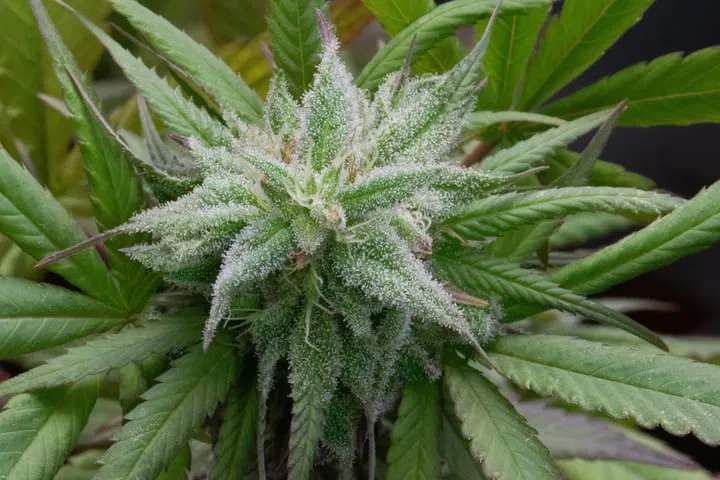
Low stress training and other gentle manipulation techniques encourage plants to develop multiple flowering sites rather than focusing energy on a single main stem. This redistribution of growth hormones creates more productive plant architecture without causing excessive stress that could inhibit healthy development or reduce trichome production.
Environmental management during the flowering stage proves equally important for maximizing trichome development. By controlling temperature, humidity, and lighting precisely, growers can encourage enhanced resin production during the critical final weeks when plants concentrate their energy into flower development and secondary metabolite production.
Plant training techniques work by redirecting growth hormones and improving light penetration throughout the canopy. When we gently bend the main stem or spread branches to create an even canopy, we ensure that more bud sites receive adequate light exposure, leading to more uniform development and increased overall yields from the same grow space. These methods help expose more bud sites to more light, especially in the canopy's sweet spot, which further increases yields and improves light distribution.
The key to successful advanced techniques lies in understanding that cannabis plants respond to cumulative environmental factors rather than individual inputs. Temperature, humidity, light intensity, air circulation, and nutrient availability all interact to influence plant development, trichome production, and final quality. Advanced growers learn to balance these factors to create optimal conditions for their specific growing environment and cannabis strains.
The Role of Genetics in Advanced Cannabis Cultivation
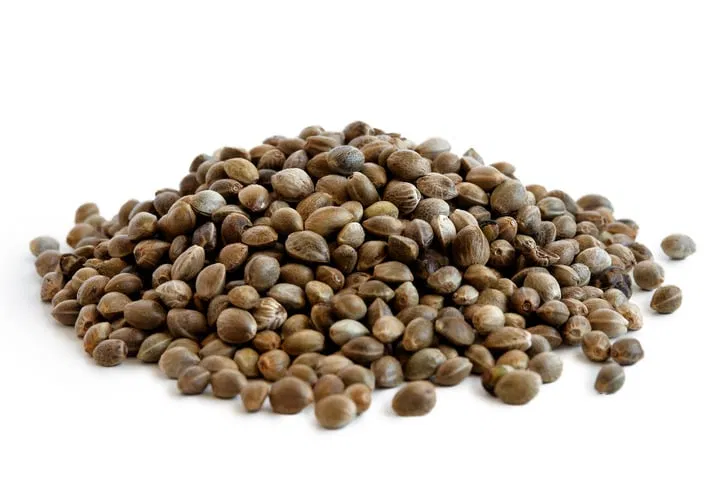
Genetics are the cornerstone of advanced cannabis cultivation, setting the upper limits for what your cannabis plants can achieve in terms of trichome production, resinous buds, and overall potency. Even the most skilled cannabis growers and the most sophisticated cultivation techniques cannot compensate for genetics that lack the potential for high-quality bud development. That's why selecting the right strains is the first and most critical step for anyone aiming to boost trichome production and maximize harvest quality.
When choosing genetics, look for cannabis strains that are renowned for their resinous buds and high cannabinoid and terpene content. Varieties like Royal Gorilla and White Widow have earned their reputations among growers for exceptional trichome production and robust yields. These strains provide a strong genetic foundation, allowing advanced techniques to truly shine and deliver the most potent, aromatic, and visually striking buds possible.
By prioritizing proven genetics, cannabis growers set themselves up for success throughout the entire cultivation process. The right plants will respond more vigorously to training, environmental optimization, and stress management, resulting in a harvest that fully expresses the plant's genetic potential. In advanced cannabis cultivation, genetics are not just a starting point—they are the blueprint for every bud, every trichome, and every successful harvest.
Advanced CO2 Supplementation for Maximum Cannabis Yields
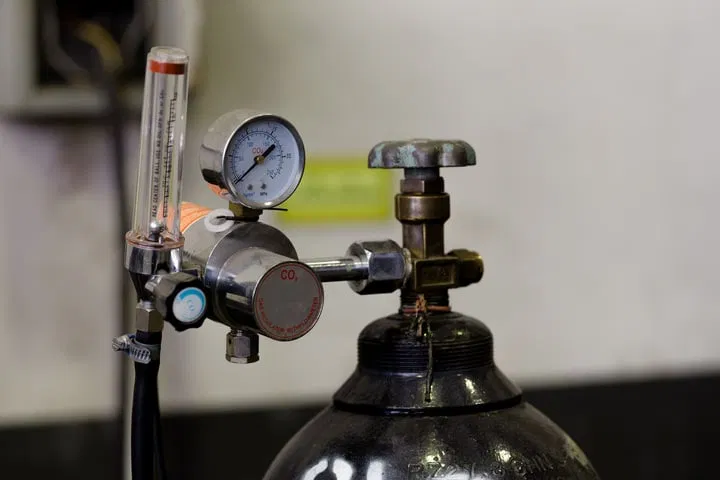
CO2 supplementation represents one of the most powerful advanced techniques for dramatically increasing cannabis yields and enhancing trichome production in controlled growing environments. During my decades of cultivation research across various indoor facilities, I've consistently observed yield increases of 20-40% when CO2 supplementation is properly implemented alongside optimal lighting and environmental controls. Understanding how cannabis plants utilize CO2 and implementing proper supplementation protocols can transform an average grow into an exceptional harvest.
Cannabis plants, like all photosynthetic organisms, require carbon dioxide to fuel the photosynthesis process that converts light energy into chemical energy for growth and development. In natural outdoor environments, atmospheric CO2 levels typically range from 400-420 parts per million (PPM). However, in sealed indoor growing environments, CO2 levels can quickly drop below 200 PPM as plants consume available carbon dioxide, creating a significant limiting factor for photosynthesis and overall plant development.
Advanced cannabis growers implement CO2 supplementation to maintain optimal levels between 1200-1500 PPM during the flowering stage, with some experienced cultivators pushing levels as high as 1800 PPM under ideal conditions. These elevated CO2 concentrations allow plants to photosynthesize more efficiently, leading to faster growth rates, increased biomass production, and enhanced resin development. The key to successful CO2 supplementation lies in understanding that elevated CO2 levels only provide benefits when other environmental factors—particularly light intensity and temperature—are optimized to support increased metabolic activity.
Implementing CO2 Supplementation Systems
Several methods exist for delivering supplemental CO2 to cannabis plants, each with distinct advantages and considerations for different growing setups. CO2 tanks with regulators and timers provide the most precise control over CO2 delivery, allowing growers to maintain exact PPM levels throughout the growing cycle. This method works particularly well for smaller growing spaces where precise environmental control is essential for maximizing plant performance.
CO2 generators that burn propane or natural gas offer an economical solution for larger growing operations, producing both CO2 and heat as byproducts of combustion. While these systems can effectively raise CO2 levels in larger spaces, they require careful monitoring to prevent excessive heat buildup and ensure proper ventilation for safety. The heat generated by CO2 burners can actually benefit growers in cooler climates, reducing heating costs while providing essential CO2 supplementation.
Fermentation-based CO2 production using sugar, yeast, and water provides an organic approach to CO2 supplementation that appeals to growers seeking natural cultivation methods. While this method produces lower CO2 concentrations compared to tanks or generators, it offers a cost-effective solution for smaller grows and can be particularly useful during the vegetative stage when plants require moderate CO2 enhancement.
Optimizing CO2 Levels Throughout the Growing Cycle
Different growth stages require different CO2 concentrations to maximize plant development and avoid potential stress or waste. During the vegetative stage, cannabis plants benefit from moderate CO2 supplementation in the range of 800-1000 PPM, which supports vigorous leaf development and strong stem growth without overwhelming young plants with excessive metabolic demands.
The flowering stage represents the optimal time for maximum CO2 supplementation, with levels of 1200-1500 PPM providing the greatest benefits for bud development and trichome production. During this critical period, plants focus their energy on flower development and resin production, making efficient photosynthesis essential for achieving maximum yields and potency. Higher CO2 levels during flowering support the increased metabolic demands of bud development while enhancing the plant's ability to produce the secondary metabolites responsible for cannabinoid and terpene content.
Timing CO2 delivery to coincide with the plant's light cycle maximizes efficiency and prevents waste, as plants only utilize CO2 during photosynthesis when lights are on. Advanced growers use timers and controllers to deliver CO2 only during light periods, typically beginning 30 minutes after lights turn on and stopping 30 minutes before lights turn off. This timing prevents CO2 buildup during dark periods when plants release CO2 through respiration rather than consuming it through photosynthesis.
Environmental Considerations for CO2 Supplementation
Successful CO2 supplementation requires careful attention to environmental factors that influence how effectively plants can utilize elevated CO2 levels. Temperature management becomes particularly critical when implementing CO2 supplementation, as higher CO2 concentrations allow plants to tolerate and benefit from slightly elevated temperatures in the range of 78-85°F (26-29°C) during the light period.
Light intensity must be sufficient to support the increased photosynthetic activity enabled by elevated CO2 levels. Plants receiving supplemental CO2 require higher light intensities—typically 800-1200 PPFD (photosynthetic photon flux density)—to fully utilize the available carbon dioxide. Insufficient light intensity with high CO2 levels can actually stress plants and reduce overall performance, making proper lighting essential for successful CO2 supplementation.
Humidity control becomes more challenging with CO2 supplementation, as increased plant metabolism and transpiration can raise humidity levels in sealed growing environments. Advanced growers implement dehumidification systems to maintain optimal humidity ranges of 45-55% during flowering, preventing mold and mildew issues that can destroy entire harvests despite excellent CO2 supplementation.
Air circulation and distribution ensure that supplemental CO2 reaches all plants evenly throughout the growing space. Stagnant air can create CO2 dead zones where some plants receive inadequate carbon dioxide while others may experience excessive concentrations. Proper fan placement and air movement systems distribute CO2 uniformly while preventing hot spots and ensuring consistent environmental conditions throughout the canopy.
Safety and Monitoring for CO2 Supplementation
CO2 supplementation requires careful monitoring and safety precautions to protect both plants and growers from potential hazards associated with elevated carbon dioxide levels. CO2 monitors and controllers provide essential feedback for maintaining optimal levels while preventing dangerous accumulations that could pose health risks to humans working in the growing space.
Ventilation systems must be properly designed to handle CO2 supplementation, with the ability to quickly exhaust high CO2 concentrations when growers need to enter the growing space. Many advanced growers install CO2 monitors with alarms that activate ventilation systems when CO2 levels exceed safe thresholds for human occupancy, typically around 5000 PPM.
Regular calibration of CO2 monitoring equipment ensures accurate readings and prevents both under-supplementation that wastes resources and over-supplementation that can stress plants or create safety hazards. Quality CO2 monitors should be calibrated monthly using certified calibration gases to maintain accuracy throughout the growing cycle.
Understanding the signs of CO2 deficiency and excess helps growers fine-tune their supplementation protocols for optimal plant performance. CO2 deficiency typically manifests as slower growth rates, reduced leaf size, and poor flower development despite adequate lighting and nutrition. Excessive CO2 can cause leaf burn, stunted growth, and reduced trichome production, particularly when combined with inadequate lighting or poor environmental control.
Advanced Hydroponic Systems for Cannabis Cultivation
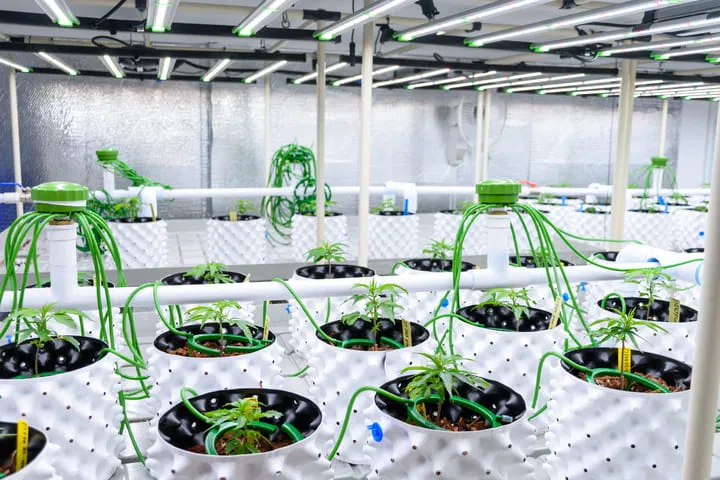
Hydroponic cultivation represents the pinnacle of advanced cannabis growing, offering unprecedented control over plant nutrition, root environment, and growth rates that can dramatically exceed soil-based cultivation results. Throughout my extensive research with hydroponic systems across multiple continents, I've documented how properly implemented hydroponic techniques can increase yields by 30-50% while reducing growing cycles by 1-2 weeks compared to traditional soil cultivation. The key to hydroponic success lies in understanding how different system types affect root development, nutrient uptake, and overall plant health.
Modern hydroponic systems provide cannabis plants with direct access to perfectly balanced nutrient solutions while maintaining optimal root zone conditions for maximum growth and development. Unlike soil cultivation, where nutrients must be broken down by soil microorganisms before becoming available to plants, hydroponic systems deliver nutrients in immediately available forms that plants can absorb efficiently. This direct nutrient delivery, combined with optimal oxygenation of the root zone, creates ideal conditions for explosive growth and enhanced trichome production.
The fundamental advantage of hydroponic cultivation lies in the grower's ability to precisely control every aspect of the plant's nutritional environment. By monitoring and adjusting pH, electrical conductivity (EC), dissolved oxygen levels, and individual nutrient concentrations, advanced growers can optimize plant performance throughout each growth stage. This level of control allows for rapid adjustments when plants show signs of deficiency or excess, preventing problems before they impact final yield and quality.
Deep Water Culture (DWC) Systems for Maximum Growth Rates

Deep Water Culture represents one of the most effective hydroponic methods for cannabis cultivation, suspending plant roots directly in oxygenated nutrient solution to provide unlimited access to both nutrients and oxygen. In my cultivation trials with DWC systems, I've consistently observed the fastest growth rates and largest yields when systems are properly maintained and monitored. The simplicity of DWC design makes it an excellent choice for growers seeking maximum results with minimal system complexity.
DWC systems consist of reservoirs containing nutrient solution, net pots holding plants in growing medium like hydroton clay pebbles or rockwool, and air pumps with air stones to provide continuous oxygenation. The constant oxygenation prevents root rot while ensuring that roots can absorb nutrients efficiently throughout the growing cycle. Proper air pump sizing—typically 1-2 watts per gallon (3.8L) of reservoir capacity—ensures adequate dissolved oxygen levels for optimal root health and nutrient uptake.
Temperature control in DWC systems proves critical for preventing root diseases and maintaining optimal nutrient absorption. Reservoir temperatures should be maintained between 65-70°F (18-21°C) to maximize dissolved oxygen levels while preventing harmful bacteria and fungi from establishing in the root zone. Water chillers or frozen water bottles can help maintain proper temperatures in warm growing environments, while reservoir heaters may be necessary in cooler conditions.
Nutrient solution management in DWC requires careful monitoring of pH, EC, and water levels to ensure consistent plant performance. pH should be maintained between 5.5-6.2 for optimal nutrient availability, with daily monitoring and adjustment using pH up or down solutions. EC levels typically range from 1.2-1.8 during vegetative growth and 1.6-2.2 during flowering, depending on plant size and environmental conditions.
DWC systems offer the absolute best value for home growers for the highest yields, simplicity and cost.
Recirculating Deep Water Culture (RDWC) for Commercial Operations

Recirculating Deep Water Culture systems expand on basic DWC principles by connecting multiple growing sites to a central reservoir, allowing for larger-scale operations while maintaining the benefits of deep water cultivation. RDWC systems excel in commercial environments where consistency across multiple plants is essential for uniform harvests and efficient processing. The recirculating design ensures that all plants receive identical nutrient solutions while simplifying maintenance and monitoring procedures.
RDWC systems utilize water pumps to circulate nutrient solution from a central reservoir through individual growing sites and back to the main reservoir, creating a continuous flow that maintains consistent conditions throughout the system. This circulation prevents nutrient stratification and ensures that all plants receive fresh, oxygenated nutrient solution regardless of their position in the system. Proper pump sizing—typically 3-5 times reservoir volume per hour—maintains adequate flow rates without creating excessive turbulence that could damage delicate roots.
The central reservoir design of RDWC systems simplifies nutrient management by allowing growers to monitor and adjust conditions at a single point rather than managing multiple individual reservoirs. This centralization reduces labor requirements while ensuring consistency across all plants in the system. However, the connected nature of RDWC systems means that problems in one growing site can potentially affect the entire system, making careful monitoring and preventive maintenance essential.
Manifold design and plumbing considerations significantly impact RDWC system performance and reliability. Properly sized supply and return lines prevent flow restrictions that could create uneven nutrient distribution or inadequate circulation. Advanced growers implement redundant pumps and backup systems to prevent catastrophic failures that could destroy entire crops. Ball valves at each growing site allow for individual plant removal or maintenance without disrupting the entire system.
Nutrient Film Technique (NFT) for Efficient Resource Utilization
Nutrient Film Technique systems provide an efficient hydroponic method that uses minimal water and nutrients while delivering excellent results for cannabis cultivation. NFT systems work by flowing a thin film of nutrient solution along the bottom of slightly sloped channels, allowing plant roots to absorb nutrients while maintaining access to oxygen in the air space above the nutrient film. This design creates an ideal balance between nutrient availability and root oxygenation that supports vigorous growth with minimal resource consumption.
The efficiency of NFT systems makes them particularly attractive for commercial operations where resource conservation and operational costs significantly impact profitability. Water usage in properly designed NFT systems can be 90% lower than soil cultivation while using 50-70% fewer nutrients compared to other hydroponic methods. This efficiency stems from the recirculating design that captures and reuses nutrient solution rather than allowing it to drain away as waste.
Channel design and slope calculations prove critical for NFT system success, as improper gradients can create stagnant areas or excessive flow rates that prevent adequate nutrient uptake. Optimal channel slopes range from 1:30 to 1:40 (approximately 2-3% grade) to maintain proper flow rates without creating excessive velocity that could damage roots. Channel width and depth must accommodate root development while maintaining the thin nutrient film that gives NFT its name.
Pump timing and flow rates in NFT systems require careful calibration to maintain the optimal nutrient film without flooding channels or allowing them to dry out. Most NFT systems operate continuously during light periods with reduced flow or intermittent operation during dark periods when plant nutrient demands decrease. Flow rates typically range from 1-2 liters per minute (0.264to0.528 GPM) for each growing channel, adjusted based on plant size, environmental conditions, and channel length.
System Selection and Implementation Strategies
Choosing the appropriate hydroponic system depends on multiple factors including growing space, experience level, budget constraints, and production goals. Beginning hydroponic growers often achieve better results starting with simpler DWC systems before advancing to more complex RDWC or NFT installations. The learning curve for hydroponic cultivation can be steep, and starting with manageable systems allows growers to develop essential skills before investing in larger, more complex operations.
Space utilization considerations influence system selection, as different hydroponic methods offer varying advantages for specific growing environments. DWC systems work well for smaller spaces with individual plant focus, while RDWC systems excel in larger operations requiring uniform production across multiple plants. NFT systems maximize plant density in limited vertical space, making them ideal for operations with height restrictions or high real estate costs.
Budget considerations extend beyond initial system costs to include ongoing operational expenses for electricity, nutrients, and maintenance. While hydroponic systems typically require higher initial investments compared to soil cultivation, the increased yields and faster growing cycles often provide superior return on investment for serious growers. Energy costs for pumps, air pumps, and monitoring equipment should be factored into operational planning, particularly for larger commercial installations.
Backup systems and redundancy planning become essential for hydroponic operations where equipment failures can quickly destroy entire crops. Backup air pumps, water pumps, and power supplies provide insurance against catastrophic losses that could eliminate months of cultivation effort. Many commercial growers implement automated monitoring systems with remote alerts that notify them of system failures even when they're not physically present at the growing facility.
Advanced Nutrient Schedules and EC/PPM Management
Precision nutrient management represents the cornerstone of advanced cannabis cultivation, requiring detailed understanding of plant nutritional needs throughout each growth stage and the ability to adjust feeding programs based on plant responses and environmental conditions. After decades of cultivation research across diverse growing systems and environmental conditions, I've developed nutrient protocols that consistently maximize plant performance while preventing the deficiencies and toxicities that can devastate harvests. Advanced nutrient management goes far beyond following manufacturer feeding charts, requiring growers to understand the complex interactions between nutrients, pH, growing medium, and environmental factors.
The foundation of advanced nutrient management lies in understanding that cannabis plants have dramatically different nutritional requirements during vegetative growth compared to flowering development. During vegetative growth, plants require high nitrogen levels to support rapid leaf and stem development, with nitrogen comprising 40-50% of total nutrient uptake. As plants transition to flowering, nitrogen requirements decrease significantly while phosphorus and potassium demands increase to support flower development and resin production. This fundamental shift requires careful adjustment of nutrient ratios and concentrations to optimize plant performance throughout the growing cycle.
Electrical conductivity (EC) and parts per million (PPM) measurements provide essential tools for monitoring and controlling nutrient concentrations in both hydroponic and soil-based growing systems. EC measurements indicate the total dissolved salts in nutrient solutions, providing a reliable method for ensuring consistent feeding strength and preventing both under-feeding and over-feeding that can limit plant performance. Understanding the relationship between EC readings and actual nutrient availability allows advanced growers to fine-tune their feeding programs for optimal results.
Vegetative Stage Nutrient Protocols
Vegetative stage nutrition focuses on providing abundant nitrogen while maintaining balanced levels of phosphorus, potassium, and essential micronutrients to support vigorous leaf and stem development. During this critical growth phase, plants can utilize high nutrient concentrations—typically 1.2-1.6 EC (600-800 PPM)—to fuel rapid growth and establish strong plant structure capable of supporting heavy flower loads during the flowering stage.
Nitrogen delivery during vegetative growth should emphasize readily available forms like calcium nitrate and potassium nitrate that plants can absorb immediately for rapid growth. The ideal nitrogen ratio during vegetative growth ranges from 150-200 PPM nitrogen, comprising approximately 60% of total nutrient content. This high nitrogen availability supports the rapid cell division and protein synthesis necessary for vigorous vegetative development while establishing the leaf mass needed for efficient photosynthesis during flowering.
Phosphorus requirements during vegetative growth remain moderate, typically 30-50 PPM, as plants focus primarily on leaf and stem development rather than flower production. However, adequate phosphorus availability during vegetative growth proves essential for establishing strong root systems and energy storage that will support flowering development. Phosphorus deficiency during vegetative growth can limit root development and reduce the plant's ability to support heavy flower production later in the cycle.
Potassium needs during vegetative growth range from 100-150 PPM to support cellular function, water regulation, and disease resistance. Adequate potassium during vegetative development strengthens cell walls and improves the plant's ability to handle environmental stress while establishing the foundation for efficient nutrient transport during flowering. Potassium deficiency during vegetative growth often manifests as weak stems and increased susceptibility to environmental stress.
Micronutrient management during vegetative growth requires careful attention to iron, manganese, zinc, and other trace elements that support enzyme function and chlorophyll production. Iron deficiency commonly occurs in hydroponic systems with high pH, manifesting as yellowing between leaf veins that can severely limit photosynthesis and growth rates. Maintaining pH between 5.8-6.2 in hydroponic systems and 6.0-6.8 in soil ensures optimal micronutrient availability throughout vegetative development.
Flowering Stage Nutrient Optimization
Flowering stage nutrition requires dramatic adjustments to nutrient ratios and concentrations to support the plant's shift from vegetative growth to flower and resin production. During early flowering (weeks 1-3), plants continue requiring moderate nitrogen levels—approximately 100-120 PPM—to support the initial flower development and maintain healthy leaf function. However, nitrogen levels must be carefully reduced throughout flowering to prevent delayed maturation and reduced resin production.
Phosphorus requirements increase significantly during flowering, with optimal levels ranging from 60-80 PPM during peak flower development (weeks 4-6). This increased phosphorus demand supports the energy-intensive processes of flower formation and resin production while enhancing root function and nutrient uptake efficiency. Many advanced growers implement phosphorus boosters during mid-flowering to maximize flower development and trichome production.
Potassium becomes the dominant macronutrient during flowering, with requirements increasing to 180-220 PPM to support flower development, resin production, and overall plant health. Adequate potassium during flowering enhances trichome production while improving flower density and overall harvest quality. Potassium deficiency during flowering typically manifests as yellowing leaf edges and reduced flower development, significantly impacting final yields and potency.
Total EC levels during flowering typically range from 1.6-2.2 (800-1100 PPM) depending on plant size, environmental conditions, and strain characteristics. Larger plants in optimal environmental conditions can utilize higher nutrient concentrations, while smaller plants or those experiencing environmental stress may require reduced feeding strength to prevent nutrient burn and other stress-related problems.
Late flowering nutrition (weeks 7-9+) requires careful reduction of overall nutrient levels while maintaining adequate potassium and phosphorus to support final flower development and resin maturation. Many growers reduce EC levels to 1.2-1.6 (600-800 PPM) during late flowering while eliminating nitrogen entirely to encourage natural senescence and enhance final flower quality.
Advanced Feeding Schedules and Timing
Feeding frequency and timing significantly impact nutrient uptake efficiency and overall plant performance, with optimal schedules varying based on growing medium, environmental conditions, and plant size. Hydroponic systems typically require continuous or frequent feeding to maintain consistent nutrient availability, while soil-based systems benefit from less frequent but more concentrated feedings that allow for proper wet-dry cycles.
Daily feeding schedules work well for most hydroponic systems and soilless growing mediums like coco coir, providing consistent nutrient availability while preventing salt buildup that can occur with less frequent, high-concentration feedings. Multiple small feedings throughout the light period often produce better results than single large feedings, as plants can more efficiently absorb nutrients when they're provided in smaller, more frequent doses.
Soil-based growing systems typically perform best with feeding every 2-3 days, allowing the growing medium to partially dry between feedings while maintaining adequate moisture for root function. This wet-dry cycle encourages root development and prevents the waterlogged conditions that can lead to root rot and other problems. Soil growers often alternate between nutrient feedings and plain water to prevent salt accumulation and maintain proper soil chemistry.
Environmental factors significantly influence optimal feeding schedules, with higher temperatures and lower humidity increasing plant water and nutrient demands. During hot weather or low humidity conditions, plants may require more frequent feedings or higher water-to-nutrient ratios to prevent dehydration and nutrient burn. Conversely, cooler temperatures and higher humidity reduce plant demands, requiring adjusted feeding schedules to prevent overfeeding and root problems.
Monitoring and Adjustment Protocols
Advanced nutrient management requires systematic monitoring of plant responses and environmental conditions to optimize feeding programs throughout the growing cycle. Daily observation of plant health, growth rates, and leaf color provides essential feedback for adjusting nutrient concentrations and ratios. Healthy plants typically display vibrant green foliage, steady growth rates, and no signs of nutrient deficiency or toxicity.
EC and pH monitoring should be performed daily in hydroponic systems and every 2-3 days in soil-based systems to ensure optimal nutrient availability and prevent problems before they impact plant health. Gradual increases in EC readings often indicate that plants are consuming more water than nutrients, requiring dilution of nutrient solutions. Conversely, decreasing EC readings suggest that plants are consuming nutrients faster than water, indicating the need for stronger nutrient concentrations.
Runoff testing in soil and soilless systems provides valuable information about nutrient accumulation and pH drift that can impact plant performance. Runoff EC should typically measure 10-20% higher than input EC, indicating proper nutrient uptake without excessive salt accumulation. Runoff pH should remain within 0.2-0.3 units of input pH, with larger variations suggesting growing medium problems that require attention.
Plant tissue analysis and leaf color charts help identify specific nutrient deficiencies or toxicities that may not be apparent through visual observation alone. Many advanced growers maintain detailed logs of feeding schedules, environmental conditions, and plant responses to identify patterns and optimize their nutrient programs over multiple growing cycles. This systematic approach allows for continuous improvement and adaptation to changing conditions or new growing techniques.
Strain-Specific Advanced Techniques: Indica, Sativa, and Hybrid Optimization
Understanding the distinct characteristics and requirements of different cannabis strain types represents a crucial aspect of advanced cultivation that can dramatically impact final yields, potency, and overall harvest quality. Throughout my decades of cultivation experience across diverse genetics and growing environments, I've observed that indica, sativa, and hybrid strains each respond differently to training techniques, environmental conditions, and nutrient programs. Advanced growers who adapt their cultivation methods to match specific strain characteristics consistently achieve superior results compared to those who apply generic techniques across all genetics.
The fundamental differences between indica and sativa genetics stem from their evolutionary adaptation to different climates and growing conditions. Indica strains evolved in mountainous regions with shorter growing seasons, developing compact, bushy growth patterns and faster flowering times to complete their life cycle before harsh winter conditions. Sativa strains developed in equatorial regions with consistent photoperiods and longer growing seasons, resulting in tall, stretchy growth patterns and extended flowering periods that can challenge indoor growers with limited vertical space.
Modern hybrid strains combine characteristics from both indica and sativa genetics, creating plants with intermediate traits that may lean toward one parent type or express balanced characteristics from both lineages. Understanding the dominant genetic influence in hybrid strains allows growers to predict plant behavior and adapt their cultivation techniques accordingly. This genetic knowledge becomes essential for optimizing training methods, environmental controls, and harvest timing to maximize each strain's unique potential.
Indica Strain Optimization Techniques

Indica-dominant strains typically exhibit compact, bushy growth patterns with short internodal spacing and broad, dark green leaves that efficiently capture light in their native mountainous environments. These characteristics make indica strains excellent candidates for indoor cultivation where vertical space may be limited, but they also require specific training techniques to maximize light penetration and prevent overcrowding in the dense canopy structure.
Low stress training proves particularly effective with indica strains, as their naturally bushy growth pattern responds well to gentle branch manipulation that spreads the canopy horizontally rather than allowing vertical dominance. The short internodal spacing of indica strains creates numerous potential bud sites that can be exposed to light through careful LST application. Starting LST early in vegetative growth allows growers to shape indica plants into wide, flat canopies that maximize light utilization and prevent the shading issues common with untrained indica plants.
Defoliation techniques require careful consideration with indica strains, as their dense foliage can create humidity pockets and restrict airflow that may lead to mold and mildew problems. Strategic removal of large fan leaves that block light penetration to lower bud sites can improve overall plant health and yield, but excessive defoliation can stress indica plants and reduce their natural vigor. The key lies in removing only the leaves that clearly obstruct light or create airflow problems while preserving the plant's photosynthetic capacity.
Environmental management for indica strains focuses on preventing the humidity and airflow issues that can plague their dense growth structure. Maintaining relative humidity levels of 40-50% during flowering helps prevent mold and mildew that can quickly destroy dense indica buds. Enhanced air circulation becomes critical for indica strains, with fans positioned to move air through the canopy rather than just across the top of plants.
Flowering time management with indica strains typically involves shorter flowering periods of 7-9 weeks, allowing for faster crop turnover and increased annual yields. However, the faster flowering time requires careful monitoring to prevent premature harvest that could reduce potency and yield. Indica strains often show rapid trichome development during the final weeks of flowering, requiring frequent observation to determine optimal harvest timing.
Nutrient management for indica strains often requires reduced nitrogen levels during flowering compared to sativa strains, as their compact growth pattern and shorter flowering time can make them more sensitive to excessive nitrogen that delays maturation. Phosphorus and potassium requirements remain high to support the dense flower development characteristic of quality indica strains.
Sativa Strain Cultivation Strategies

Sativa-dominant strains present unique challenges and opportunities for advanced growers, with their tall, stretchy growth patterns and extended flowering times requiring specialized techniques to achieve optimal results in controlled growing environments. The vigorous vertical growth of sativa strains can quickly overwhelm indoor growing spaces, making aggressive training techniques essential for managing plant height while maximizing yield potential.
Topping and super cropping techniques prove particularly valuable for sativa strains, as their strong apical dominance and rapid vertical growth require more aggressive intervention to create manageable plant structure. Multiple topping sessions during vegetative growth can transform tall, single-cola sativa plants into bushy, multi-cola specimens that better utilize available growing space. The robust nature of most sativa strains allows them to recover quickly from high-stress training techniques that might damage more delicate indica genetics.
Screen of Green (SCROG) methods work exceptionally well with sativa strains, as their natural stretching tendency can be harnessed to fill screen spaces efficiently while maintaining manageable plant heights. The extended vegetative growth period typical of sativa cultivation provides ample time for training branches through screen openings and establishing an even canopy before flowering begins. Sativa strains often continue stretching for 3-4 weeks into flowering, requiring ongoing canopy management throughout early flowering.
Lighting requirements for sativa strains often exceed those of indica genetics, as their evolution in high-light equatorial environments created plants adapted to intense solar radiation. Sativa strains typically respond well to higher light intensities—often 900-1200 PPFD—that would stress many indica strains. This higher light tolerance allows sativa growers to push lighting systems harder for increased yields and enhanced trichome production.
Extended flowering periods of 10-14 weeks for pure sativa strains require careful planning and patience from growers accustomed to faster indica harvests. However, this extended flowering time allows for exceptional trichome development and complex terpene profiles that make sativa strains highly prized for their unique effects and flavors. The longer flowering period also requires sustained environmental control and nutrient management throughout the extended cycle.
Temperature management for sativa strains often benefits from slightly higher temperatures during flowering—78-82°F (26-28°C)—that mimic their native equatorial environments. These higher temperatures, combined with adequate humidity control, can enhance trichome production and terpene development while supporting the extended metabolic activity required for long flowering periods.
Nutrient management for sativa strains typically requires sustained nitrogen availability throughout flowering due to their continued vegetative growth during early flowering. The extended flowering period also demands consistent phosphorus and potassium availability to support the prolonged flower development characteristic of quality sativa genetics.
Hybrid Strain Adaptation Strategies

Hybrid strains require careful observation and adaptive cultivation techniques that account for the varying expression of indica and sativa characteristics within individual plants. The genetic diversity within hybrid populations means that even plants from the same seed batch may exhibit different growth patterns, flowering times, and environmental preferences that require individualized cultivation approaches.
Phenotype selection becomes very important when working with hybrid genetics, as different phenotypes may express dramatically different characteristics that require specific cultivation techniques. Some phenotypes may lean heavily toward their indica heritage with compact growth and fast flowering, while others may express strong sativa traits with tall growth and extended flowering periods. Advanced growers often maintain multiple phenotypes from promising hybrid lines to identify the individuals that respond best to their specific growing conditions and techniques.
Training technique selection for hybrid strains depends on observing early growth patterns and adapting methods accordingly. Hybrids showing strong indica characteristics respond well to LST and moderate defoliation, while those expressing sativa traits may require more aggressive training techniques like topping and SCROG methods. The key lies in reading each plant's individual characteristics and adjusting techniques based on observed responses rather than applying generic methods.
Environmental optimization for hybrid strains often requires finding middle ground between the preferences of their indica and sativa parents. Temperature ranges of 75-80°F (24-27°C) during flowering typically work well for most hybrids, while humidity levels of 45-50% provide adequate moisture without creating the problems that can affect pure indica or sativa strains.
Flowering time prediction for hybrid strains requires careful observation of trichome development and plant maturation signals, as flowering periods can vary significantly even within the same genetic line. Some hybrid phenotypes may finish in 8-9 weeks like their indica parents, while others may require 11-12 weeks similar to sativa genetics. This variability requires flexible harvest planning and careful monitoring to optimize harvest timing for each individual plant.
Nutrient management for hybrid strains often benefits from moderate feeding programs that avoid the extremes that might suit pure indica or sativa genetics. Starting with balanced nutrient ratios and adjusting based on plant responses allows growers to fine-tune feeding programs for specific phenotypes while avoiding the deficiencies or toxicities that can occur when applying inappropriate feeding schedules.
Advanced Phenotype Selection and Breeding Considerations
Advanced growers often engage in phenotype hunting and selection to identify superior individuals within hybrid populations that express desired characteristics for their specific growing conditions and market preferences. This process requires growing multiple plants from the same genetic line and carefully evaluating their performance across multiple criteria including yield, potency, terpene profile, disease resistance, and adaptation to specific cultivation techniques.
Documentation and record-keeping become essential for effective phenotype selection, with detailed notes on growth patterns, training responses, flowering times, and final harvest quality allowing growers to identify the most promising individuals for continued cultivation. Many advanced growers maintain detailed spreadsheets or databases tracking the performance of different phenotypes across multiple growing cycles to identify consistent performers and eliminate inferior genetics.
Clone selection and maintenance allow growers to preserve superior phenotypes indefinitely while eliminating the genetic variability that can complicate cultivation planning. Once superior phenotypes are identified, maintaining healthy mother plants provides a consistent source of genetically identical clones that respond predictably to established cultivation techniques. This consistency allows for optimized growing protocols and reliable harvest planning that would be impossible with seed-grown plants.
Breeding considerations for advanced growers may include selecting phenotypes that express desired traits for specific growing conditions or market demands. Plants that respond well to specific training techniques, environmental conditions, or nutrient programs can be used as breeding stock to develop new genetic lines adapted to particular cultivation methods. This long-term approach to genetic development allows serious growers to create custom genetics optimized for their specific growing systems and market requirements.
Step-by-Step Advanced Cannabis Growing Implementation - Jorge's Proven Process
Phase 1: Optimizing Plant Structure Through Training Techniques
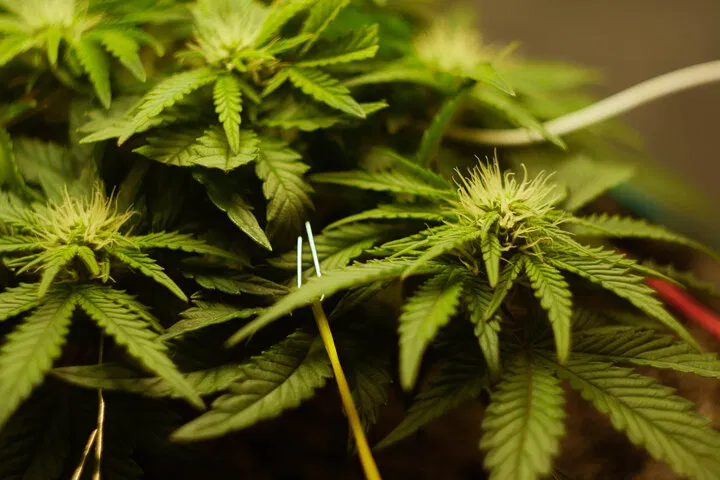
Low stress training forms the foundation of advanced cannabis growing, allowing growers to shape plant structure without causing excessive stress that could inhibit healthy development. Begin LST during the vegetative stage when stems remain flexible and plants can recover quickly from training adjustments.
Start by gently bending the main stems when plants reach approximately 6-8 inches in height. Use soft plant ties or specialized LST clips to secure the bent stems in a horizontal position, encouraging lower branches to grow upward and develop into additional main colas. This technique improves light penetration throughout the plant canopy and creates multiple bud sites instead of relying on a single dominant stem.
Continue training by carefully spreading branches outward as they develop, maintaining an even canopy where all potential flowering sites receive adequate light exposure. In my cultivation experience across diverse grow spaces and environmental conditions, this approach typically creates significantly more bud sites compared to untrained plants, directly correlating with improved final yields and more potent buds. These training methods are designed to maximize the plant's yield by promoting more bud sites and even growth.
Plant training techniques should be applied gradually and consistently throughout the vegetative stage. Check plants daily and make small adjustments to maintain the desired canopy shape. The goal is to create a level canopy where all main colas receive similar light exposure, ensuring uniform development and maximizing the plant's yield potential. Techniques like supercropping also help the plant develop stronger stems capable of supporting heavy buds. Regularly checking on the plants after LST is essential to adjust branches as needed and ensure optimal growth patterns are maintained.
High stress training techniques like topping and pruning should be applied selectively and only to healthy, vigorous plants during the vegetative stage. When topping, remove the main growing tip above the 4th or 5th node to encourage branching, but limit these techniques to the vegetative stage to avoid disrupting flowering development.
Phase 2: Environmental Control for Enhanced Trichome Development
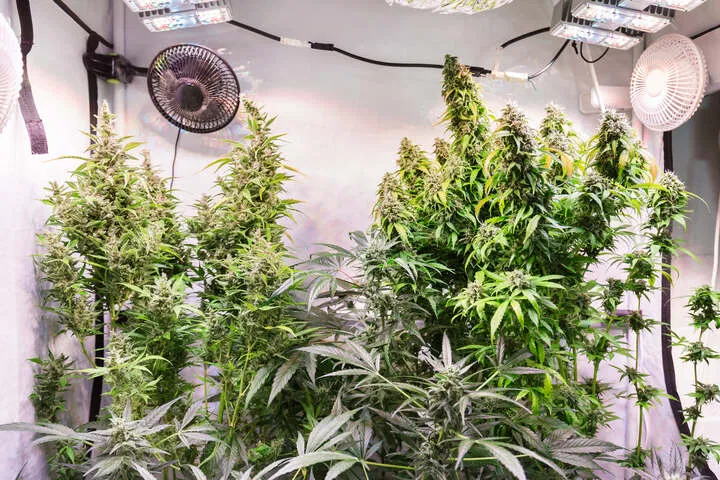
Optimal environmental conditions during the flowering stage directly influence trichome production and final potency. Maintain temperatures between 65-80°F (18-27°C) during flowering, with optimal ranges being 68-77°F (20-25°C) during lights-on and 60-70°F (15-21°C) during lights-off. This 8-15°F temperature differential mimics natural diurnal variations and can enhance anthocyanin production and terpene preservation.
Control relative humidity carefully throughout the flowering period, starting around 55-65% during early flowering (weeks 1-3), reducing to 45-55% during mid-flowering (weeks 4-6), and further decreasing to 35-45% during late flowering (weeks 7-9+). This progression reduces pathogen risk while supporting optimal resin development. This humidity progression supports healthy flower development while reducing the risk of mold and mildew that can destroy entire harvests.
Air circulation throughout the growing space helps maintain consistent environmental conditions and prevents stagnant air that can harbor diseases. Gentle air movement also strengthens plant stems and can contribute to overall plant health without creating excessive stress that could negatively impact trichome development.
Lighting management becomes crucial during the flowering stage for maximizing trichome production. Ensure adequate light penetration reaches all bud sites by maintaining proper distance between lights and canopy. For outdoor cultivation, cannabis plants should receive at least 6-8 hours of direct sunlight daily during vegetative growth, but flowering is triggered by photoperiod changes when daylight hours drop below 12-13 hours (depending on strain). During flowering, plants benefit from 10-12 hours of direct sunlight for optimal bud development and trichome production. Too much light can cause light burn and stress, while insufficient light reduces resin production and overall flower quality.
Monitor environmental conditions continuously using reliable instruments. Digital thermometers, humidity meters, and pH testing equipment help maintain precise control over growing conditions. Document your environmental parameters to identify patterns and optimize conditions for future grows.
Phase 3: Advanced Monitoring and Stress Management
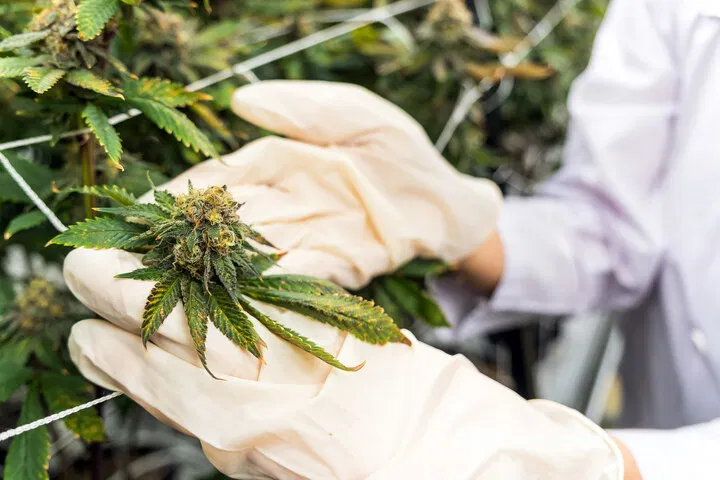
Careful observation and responsive adjustments form the cornerstone of advanced cannabis growing success. Monitor plants daily for signs of stress, nutrient deficiencies, or environmental issues that could impact final quality. Understanding the plant’s response to different conditions allows for timely adjustments that can prevent problems before they affect harvest quality.
Stress management involves recognizing the difference between beneficial stress that encourages trichome production and harmful stress that reduces plant health. Beneficial stress includes controlled environmental fluctuations, gentle training techniques, and strategic nutrient management. Harmful stress includes extreme temperatures, excessive humidity, overwatering, or aggressive training during sensitive growth periods.
Plant response monitoring involves watching how your specific cannabis strains react to training techniques, environmental changes, and feeding schedules. Different strains can respond quite differently to the same techniques, so adjust your approach based on what you observe rather than following rigid protocols that may not suit your particular plants or growing conditions.
Keep detailed records of your cultivation methods, environmental conditions, and results. This documentation becomes invaluable for improving future grows and understanding which techniques work best in your specific growing environment. Record training dates, environmental parameters, feeding schedules, and any observations about plant development or stress responses.
Careful monitoring of trichome development is essential for determining the optimal harvesting window, as timing your harvest based on trichome coloration maximizes potency and quality. For the most precise inspection, use a digital microscope to closely examine trichome color and maturity, ensuring you harvest at the peak of cannabinoid and terpene levels.
Nutrient Management for Healthy Growth and Maximum Yields
Effective nutrient management is essential for supporting healthy growth and achieving maximum yields in cannabis cultivation. During the flowering stage, cannabis plants have heightened nutritional needs, particularly for phosphorus and potassium which support flower development and resin production. However, nitrogen requirements decrease significantly after the first 2-3 weeks of flowering, as excessive nitrogen during late flowering can reduce trichome production and delay maturation.
A well-balanced nutrient regimen not only fuels robust growth but also helps improve light penetration by encouraging healthy leaf and branch structure. This, in turn, increases the number of bud sites and promotes the development of more potent buds across the entire plant. For indoor growers, it's especially important to avoid overfeeding, as excessive nutrients can lead to stress, nutrient lockout, and diminished trichome production. Instead, focus on providing just enough nutrition to support vigorous flowering without tipping the balance toward excessive stress.
By carefully managing nutrients throughout the flowering stage, growers can optimize trichome development, enhance resin production, and set the stage for a potent harvest. The key is to monitor plant health closely, adjust feeding schedules as needed, and maintain the delicate balance that allows cannabis plants to thrive while producing the highest quality buds possible.
Low Stress Training (LST) Methods for Gentle Yield Enhancement
Low Stress Training (LST) is a favorite technique among cannabis growers who want to maximize yields and trichome production without subjecting their plants to excessive stress. This method involves gently bending and securing the main stem and lower branches, encouraging the plant to grow in a wider, bushier shape rather than a single tall stalk. By spreading out the plant structure, LST allows for improved light penetration to all bud sites, which is especially beneficial for indoor growers working with limited vertical space.
The process is simple: as your cannabis plant grows, you gently bend the main stem and lower branches outward, creating multiple colas and an even canopy. This approach increases the number of bud sites exposed to optimal light, leading to more uniform growth and higher trichome production across the entire plant. Because LST avoids the cutting or aggressive manipulation seen in high-stress training techniques, plants recover quickly and continue vigorous growth with minimal risk of stunting or shock.
LST is particularly effective for growers aiming to boost yields and resin production while maintaining plant health. By promoting an even canopy and maximizing light exposure, this technique helps ensure that every part of the plant receives the energy it needs to develop into dense, potent flower. For those seeking a gentle yet powerful way to enhance their cannabis crop, low stress training remains one of the most reliable and accessible training techniques available.
Achieving maximum yields in cannabis cultivation requires more than just one advanced technique—it's about synthesizing a range of proven methods to create a holistic, responsive approach. By combining plant training strategies like low stress training with carefully managed controlled drought stress, cannabis growers can unlock the plant's full potential for trichome production and bud quality.
Plant training, including LST and other gentle methods, shapes the plant's structure to maximize light penetration and increase the number of productive bud sites. This not only boosts overall yields but also encourages more uniform trichome development across the entire canopy. Controlled drought stress, when applied during the final weeks of flowering, can stimulate the plant's natural defense mechanisms, leading to a surge in resin and secondary metabolite production. However, it's crucial to apply drought stress with care—too much can cause excessive stress, harming plant health and reducing trichome output.
Environmental management is another cornerstone of advanced cannabis cultivation. By maintaining optimal temperature, humidity, and lighting conditions throughout the growing cycle, growers create the foundation for healthy plant development and maximum resin production. When these environmental factors are dialed in, advanced techniques like plant training and controlled stress become even more effective, allowing cultivators to push their plants to new levels of potency and yield while preserving the quality that makes truly exceptional cannabis.
The most successful cannabis growers focus on creating optimal environmental conditions, using gentle training techniques to improve plant structure, and timing all interventions to support natural plant development rather than forcing unnatural responses. By working with the plant's natural biology, growers can achieve exceptional results while maintaining the health and vigor that produces the highest quality cannabis flowers with maximum trichome production and potency.
Remember that different cannabis strains respond differently to the same techniques, so observe your plants carefully and adjust methods based on their specific responses. Keep detailed records of your cultivation practices, environmental conditions, and results to continuously improve your techniques and achieve more consistent, high-quality harvests.
Success in advanced cannabis growing comes from understanding that plants are living organisms that respond to their environment in predictable ways. By creating optimal conditions and working with the plant's natural growth patterns, growers can achieve exceptional results while maintaining the health and vigor that produces the highest quality cannabis flowers with maximum trichome production and potency.
Conclusion: Mastering Advanced Cannabis Cultivation
Advanced cannabis growing represents the culmination of scientific understanding, practical experience, and careful observation applied to cannabis cultivation. The techniques outlined in this guide—from CO2 supplementation and hydroponic systems to strain-specific optimization and precision nutrient management—provide the foundation for achieving exceptional results in cannabis cultivation.
The key to success lies not in applying every advanced technique simultaneously, but in understanding how different methods work together to create optimal growing conditions for your specific situation. Start with solid fundamentals in genetics, environmental control, and plant training before advancing to more complex techniques like CO2 supplementation or advanced hydroponic systems.
Remember that cannabis cultivation is both an art and a science, requiring continuous learning, careful observation, and adaptation to changing conditions. The most successful growers combine proven techniques with innovative approaches while maintaining detailed records that allow for continuous improvement over multiple growing cycles.
By mastering these advanced techniques and understanding how to apply them appropriately for your specific growing conditions and strain characteristics, you can achieve the exceptional yields, potency, and quality that define truly advanced cannabis cultivation. The investment in learning and implementing these methods will reward dedicated growers with harvests that exceed expectations while providing the satisfaction that comes from mastering one of nature's most fascinating and rewarding plants.
Late Flowering Strategies for Peak Potency and Yield
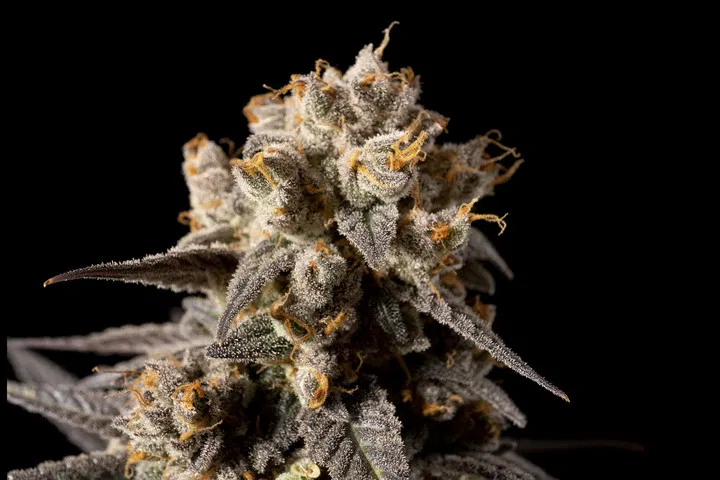
As cannabis plants approach the final weeks of the flowering stage, advanced growers know this is the critical window to push for maximum potency, resin production, and overall bud quality. The late flowering phase is when the plant’s energy is channeled almost entirely into developing dense, resinous buds and boosting trichome production—the microscopic structures responsible for cannabinoids and terpenes. To truly master this stage, cannabis growers must fine-tune their approach to nutrient management, environmental conditions, and stress techniques, all while closely monitoring plant response.
Managing Nutrient Uptake in Late Flowering
During late flowering, the nutritional needs of cannabis plants shift dramatically. Nitrogen is dialed back, while phosphorus and potassium become the primary building blocks for robust trichome development and resin production. These nutrients are essential for supporting the formation of secondary metabolites, which directly influence the potency, aroma, and flavor of your buds. Micronutrients like magnesium and sulfur also play a supporting role in maximizing cannabinoid and terpene synthesis.
To boost trichome production and ensure a potent harvest, adjust your feeding schedule to provide a balanced supply of these key nutrients without overloading the plant. Overfeeding at this stage can lead to nutrient lockout or excessive stress, which may reduce bud quality and overall yield. Instead, focus on providing just enough to fuel the plant’s final push, monitoring runoff EC/PPM and plant health indicators to avoid buildup.