

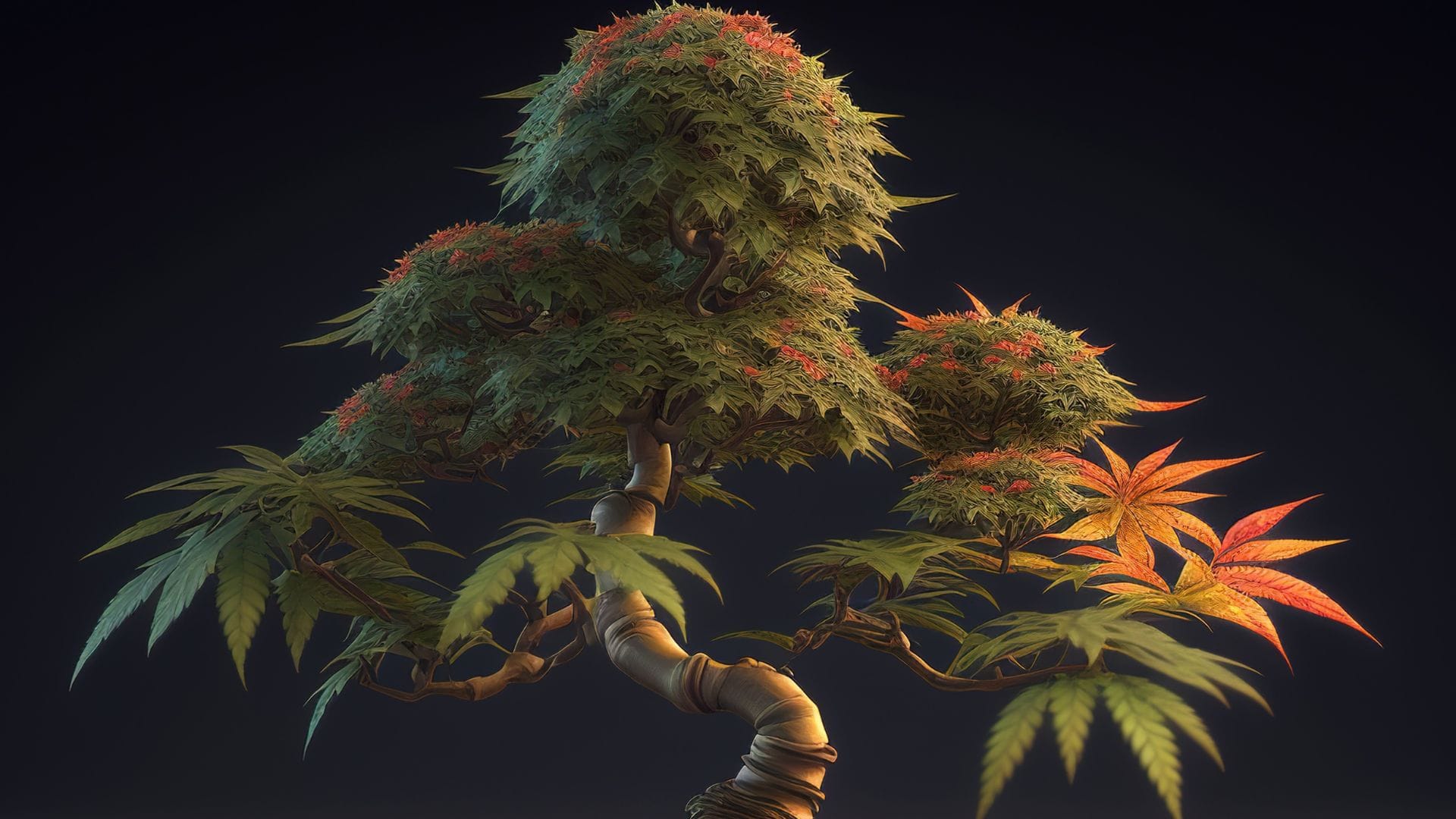
Cannabis bonsai is a unique and challenging hobby that takes time and patience but can build an incredible bond between grower and plant. In this step-by-step masterclass in miniature marijuana, Seedsman explores the art of growing and caring for a bonsai weed plant, a delicate blend of horticulture and cannabis cultivation. Bonsai cannabis allows you to experience the joy of nurturing and shaping miniature cannabis plants, creating a unique and visually stunning display. Let's get into this fascinating cultivation technique and unlock the secrets of growing your own bonsai cannabis masterpiece.
Understanding Cannabis Bonsai Plants
Based on the ancient art of bonsai, which, despite its Japanese name, originated in China, Bonsai cannabis is a delightful marriage of two intricate horticultural skills. Translating to ‘planted in a container’, the word 'bonsai' is the name given to the miniature trees lovingly crafted under the influence of Zen Buddhism in Japan. By applying the principles of growing a bonsai tree, growers can create tiny cannabis plants that embody the aesthetics and characteristics of full-sized cannabis plants. Cannabis bonsai plants retain their small stature while still producing resinous buds, making them perfect for indoor cultivation or discreet outdoor gardens. Better still, they're exquisite in their appearance, and make for a wonderful ornamental talking point.
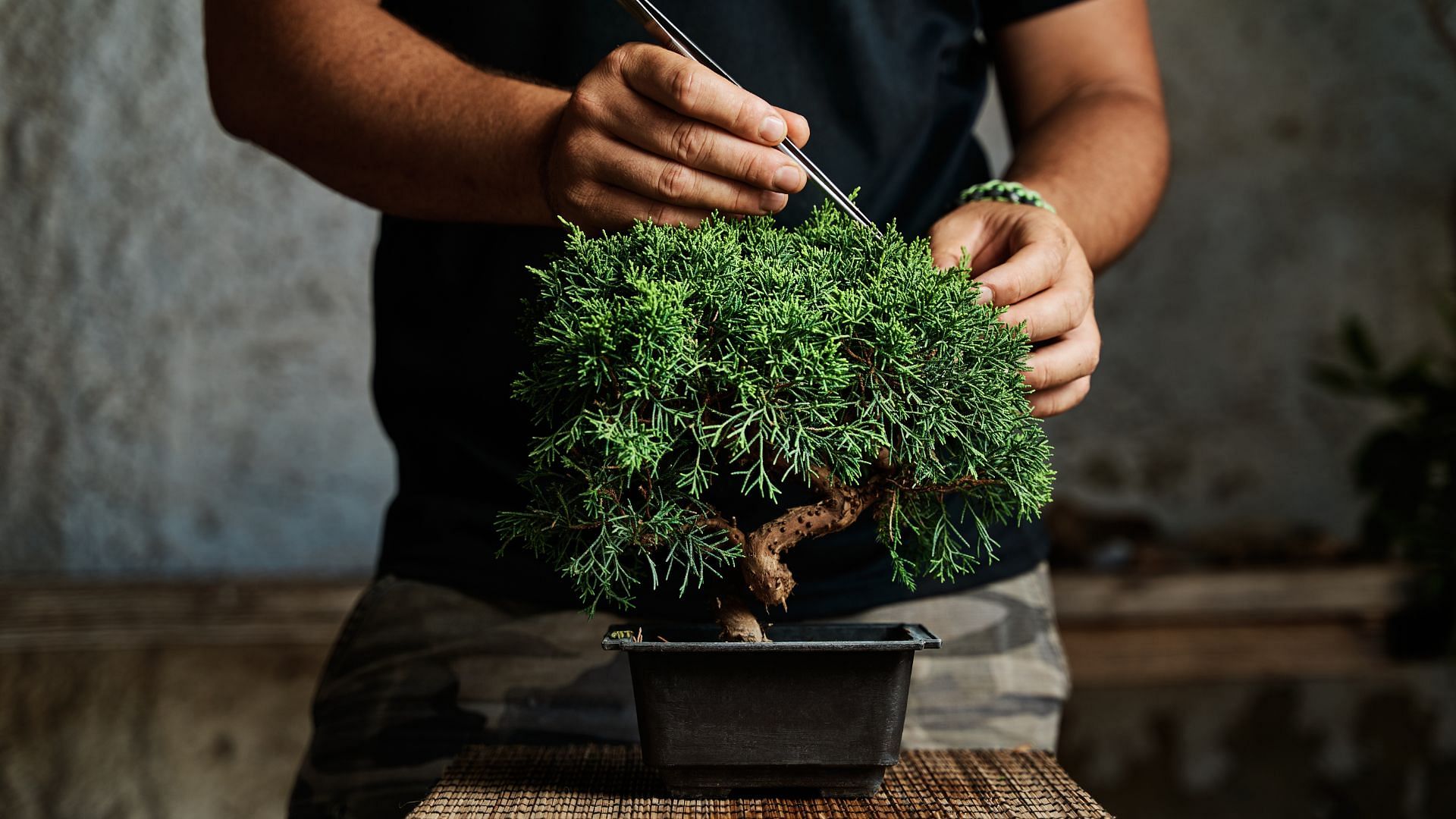
There is a caveat to growing bonsai cannabis, though – much like growing full-sized photos or autos, bonsai weed trees demand plenty of care, even despite their significantly smaller stature. Bonsai cannabis is the reserve of the patient; expect to be kept busy pruning and tying/manipulating branches. Whether you’re an ambitious beginner or a cannabis veteran, this task requires dedication.
Begin By Selecting The Right Cannabis Strains
Choosing the right cannabis strains is crucial for successful bonsai cultivation. Sativas can be employed for bonsai weed trees, but it's best to opt for compact and indica-dominant strains with short internodal spacing and strong lateral branching tendencies for ease. Consider selecting strains that are naturally more resistant to pests and diseases, as this will facilitate the cultivation process. Small and bushy is the order of the day, so indicas win this one hands down.
A Word About Containers
You want to start with a little pot. No, put the joint down, Cheech - we’re talking about a small container for planting in. Selecting the right pot or container is vital for weed bonsai cultivation. Opt for small pots or shallow containers with excellent drainage to prevent waterlogging. Use training pots with wire mesh at the bottom to encourage root pruning and airflow. That wire mesh will come in very handy when you come to train the shape of your bonsais. The alternative here is to drill a few holes in the side of the pot, wide enough to pass string or twine through to aid plant shaping.
Starting Seeds or Clones
To initiate the bonsai cannabis journey, you have two options: starting from seeds or clones. Starting from seed allows you a near-unlimited choice of strains, while clones provide genetic stability – as long as you pick a sturdy and healthy clone. Regardless of your choice, germinate your seeds or prepare your clones in a sterile and well-lit environment. Maintain optimal temperature and humidity levels to ensure successful germination or rooting, and be extremely careful to avoid root damage at this stage. You’re going to add a wooden stake to train the main stem of your weed bonsai tree, so push it gently into the soil, taking great care not to damage the root system. You can then use the stake to manipulate the main stem, creating that unusual but exquisite traditional bonsai shape.
Early Stage Care and Training
During the early stages, focus on providing your bonsai weed plant with optimal growing conditions. Place your plants under a suitable light source, ensuring they receive 16-18 hours of light per day during the vegetative phase. Maintain a consistent temperature between 70-85°F (21-29°C) and moderate humidity levels. Use a well-draining growing medium with good aeration. Regular potting soil works best.
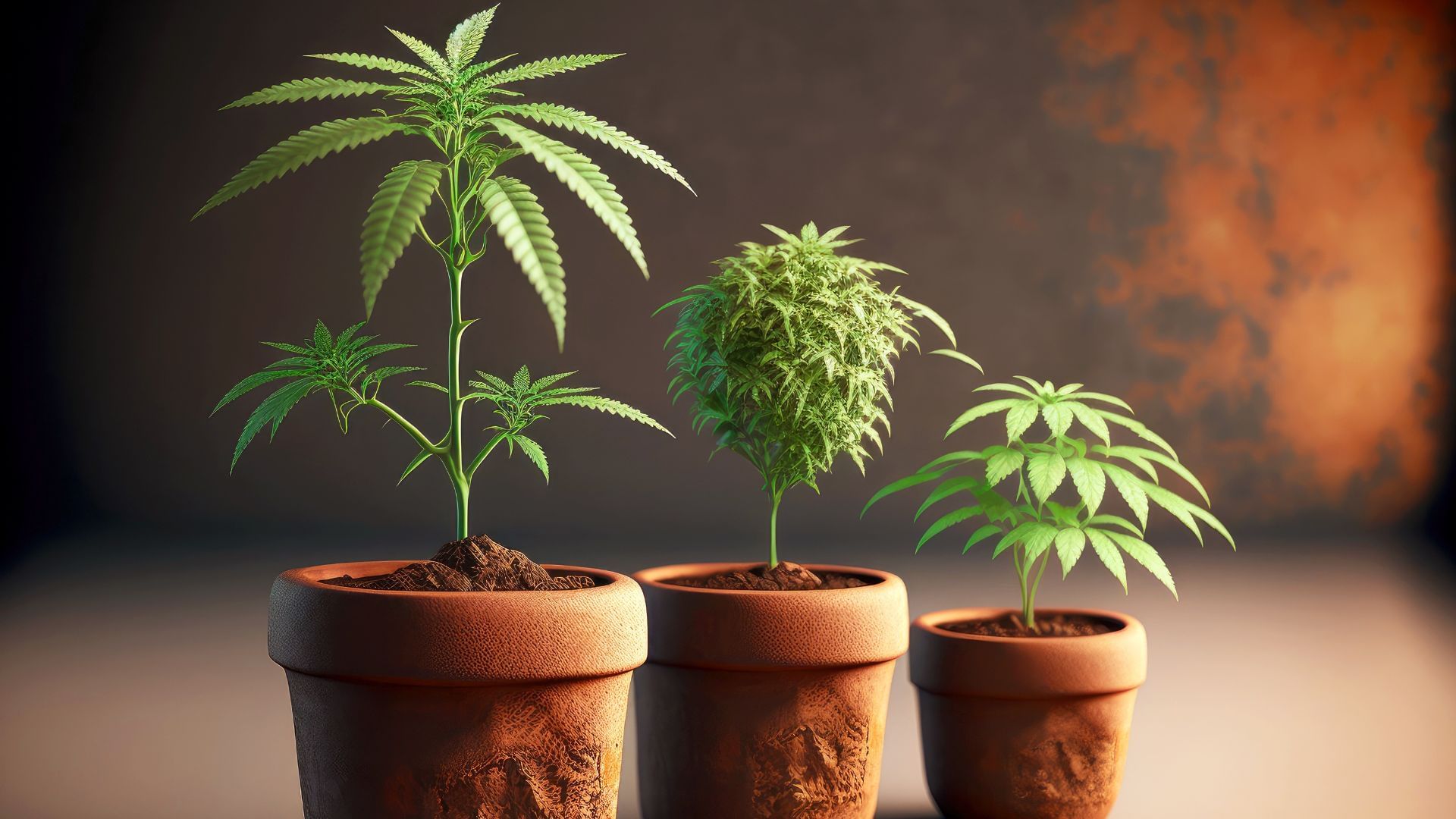
To encourage lateral branching, gently prune the main stem and pinch off the growing tip once your plants reach the desired height. This will promote a bushier structure and discourage excessive vertical growth. Regularly inspect your plants for signs of pests or nutrient deficiencies and address them promptly.
Training Techniques For Bonsai Cannabis
Training is the art of shaping and sculpting your bonsai cannabis plants into aesthetically pleasing forms. Once you have about six inches of a main stem, you can start training your bonsai. Here are a few popular techniques:
LST (Low-Stress Training): Gently bend and secure branches using soft ties, creating a horizontal canopy. This technique promotes even light distribution, enhances bud development, and prevents excessive stretching. Using twine or string helps create the desired shape of your weed bonsai. Tie the branches a little tighter to promote horizontal growth, or tie loosely for more vertical growth.
Pruning And Defoliation: Strategically remove select fan leaves to improve light penetration and airflow. Prune offshoot branches to preserve the bonsai shape and small stature, and use topping techniques to produce more side branches. Be careful when employing these techniques to go slowly and only trim or prune a little at a time. Otherwise, you could send the plant into shock. It'll be tempting to prune, prune, trim, and cut - but you must resist that temptation for your bonsai's health and longevity.
Maintaining the Perfect Environment
Creating an optimal environment is vital for the health and success of your bonsai weed plants. Here are some key factors to consider:
Lighting:
1. Provide your bonsai cannabis with sufficient light.
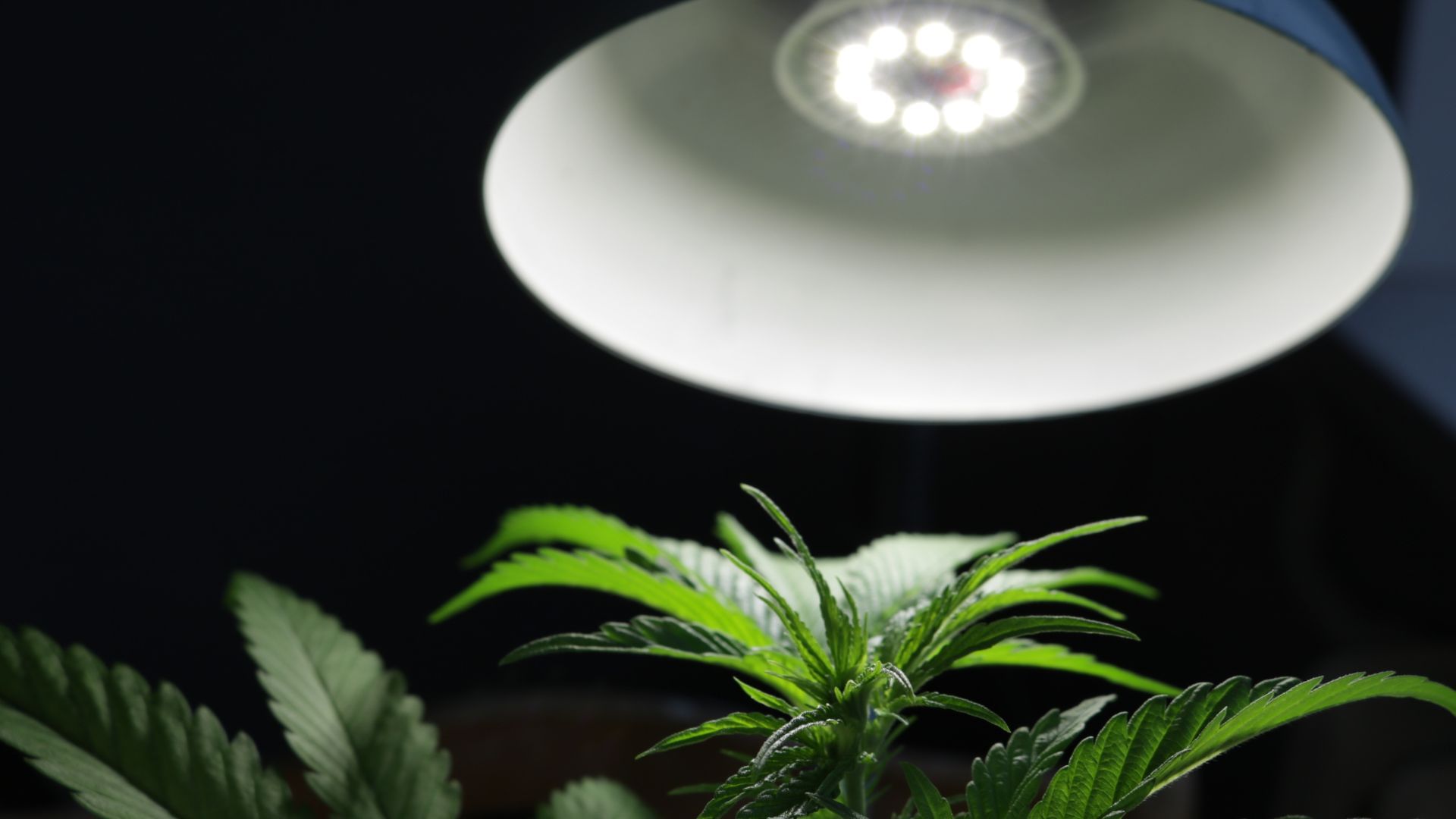
2. Consider using high-quality LED grow lights emitting the full spectrum of light for vegetative and flowering stages.
3. Adjust the distance between the plants and the light source to prevent light burn or stretching.
Temperature and Humidity:
1. Maintain a temperature range of 70-85°F (21-29°C) during the day and slightly lower temperatures at night.
2. Keep humidity levels around 40-50% during the vegetative phase and reduce them to 30-40% during flowering to prevent mold and mildew.
Air Circulation:
1. Ensure proper air circulation to prevent stagnant air and promote healthy growth.
2. Use fans to maintain gentle airflow, which helps strengthen stems and control pests and diseases.
Nutrient Management:
1. Use a balanced and complete nutrient solution formulated specifically for cannabis.
2. Start with lower concentrations and gradually increase as the plants develop.
3. Monitor pH levels to ensure optimal nutrient uptake.
Watering:
1. Avoid overwatering your cannabis bonsai plants.
2. Allow the top layer of the soil to dry before watering again.
3. Use clean, chlorine-free water at room temperature to prevent plant shock.
Flowering and Harvesting for Bonsai Weed Trees
Once your cannabis bonsai plants have reached the desired size and shape, it's time to initiate the flowering stage. Adjust the lighting schedule to 12 hours of light and 12 hours of uninterrupted darkness. This triggers the plants' natural flowering response. During the flowering stage, closely monitor the plants for nutrient deficiencies, pests, and diseases. Provide support for heavy buds to prevent branches from breaking.
Harvest your cannabis plants when the trichomes on the buds have reached the desired maturity. Trim the buds carefully and cure them in a cool, dark, and well-ventilated area to enhance flavour, aroma, and potency.
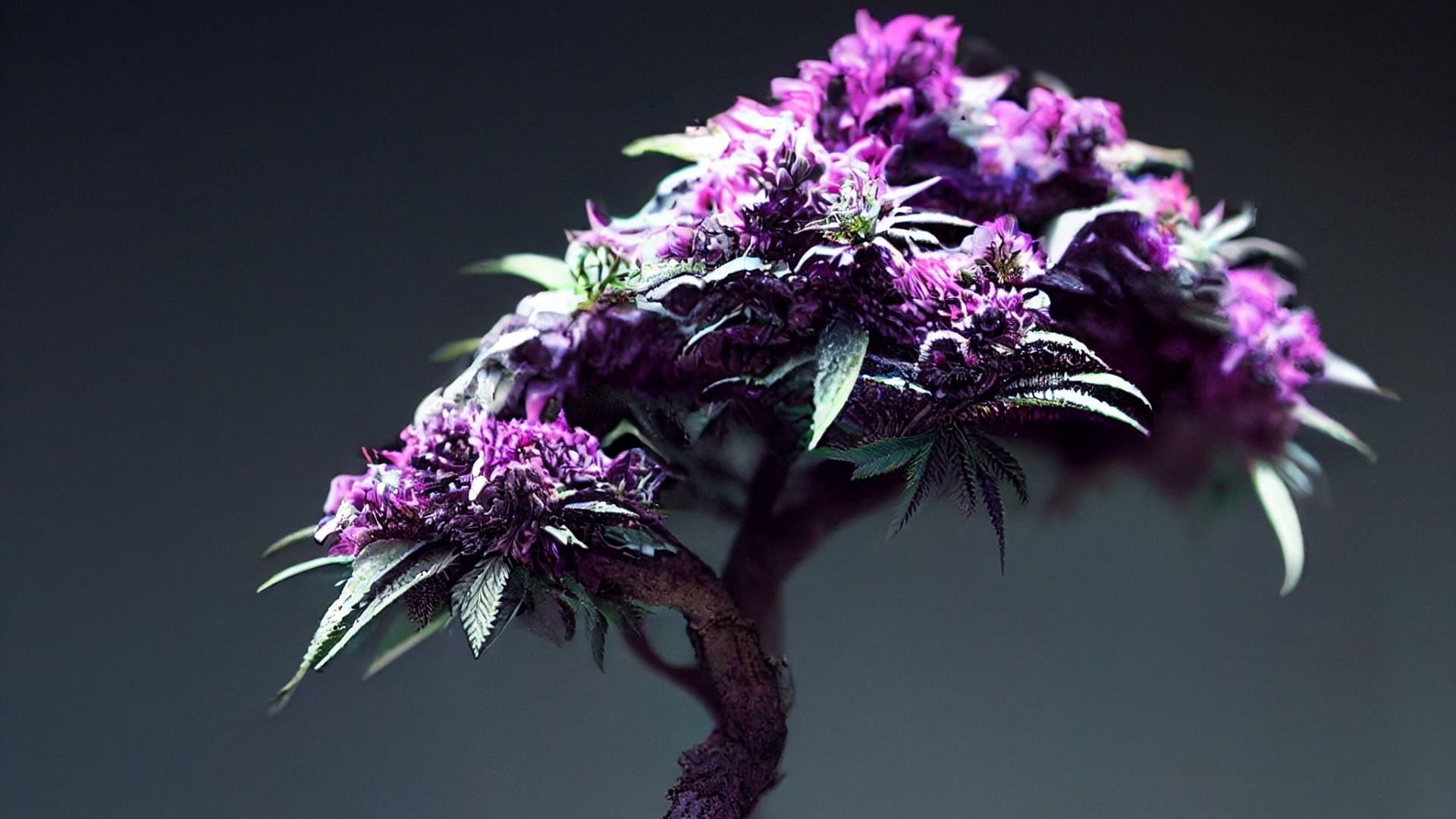
Congratulations! Enjoy the rewarding journey into the world of bonsai cannabis cultivation. With patience, dedication, and an artistic eye, you can transform ordinary cannabis plants into captivating miniature masterpieces. By following these steps and continually honing your skills, you can create stunning cannabis bonsai plants that showcase the beauty of nature and the artistry of cannabis cultivation. Happy growing!
