
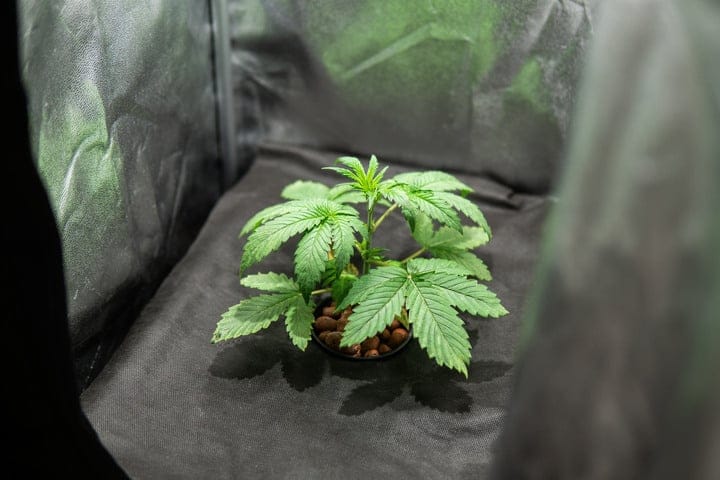

A clean grow tent does more than look organized—it helps create a healthier environment for your plants. Regular cleaning can reduce the likelihood of pests, mold, and mildew, improve airflow, and make it easier to spot potential problems before they become serious. While many growers spend a lot of time thinking about lighting, nutrients, and genetics, sanitation is often overlooked until an issue arises.
Learning how to clean a grow tent properly can help you maintain a more consistent growing environment and avoid many common cultivation challenges. Whether you're preparing for a new grow cycle, performing routine maintenance, or cleaning up after harvest, keeping your grow tent clean should be part of your regular cultivation routine.
Why Cleaning Matters Between Grows
The period between harvest and introducing new plants is one of the most important opportunities to clean your grow space. Plant debris, spilled soil, standing water, and other organic matter can all provide ideal conditions for pests and pathogens to linger. Even if your previous grow appeared healthy, contaminants such as fungus gnat eggs, powdery mildew spores, harmful bacteria, or spider mites may still be present.
A thorough cleaning between grows can help reduce pest populations before they become established, remove mold and mildew spores, eliminate nutrient residue and salt buildup, and create a fresh environment for seedlings and clones. Many experienced growers view this reset period as an essential part of preparing for the next cycle.
Deep Cleaning vs. Routine Maintenance
When learning how to clean a grow tent, it's helpful to understand that not every cleaning session needs to involve a complete teardown.
Routine maintenance consists of the smaller cleaning tasks performed throughout the grow cycle. This includes wiping up spills as soon as they occur, removing dead leaves and plant debris, cleaning standing water from trays, vacuuming or sweeping the tent floor, and regularly inspecting for signs of pests or mold. Spending just a few minutes each week on these tasks can prevent problems from building up over time and make larger cleaning sessions much easier.
Deep cleaning, on the other hand, is typically performed after harvest, before introducing new plants, after a pest infestation, or following a mold or mildew outbreak. A deep clean involves removing equipment, disinfecting surfaces, cleaning ventilation components, and thoroughly inspecting the entire tent from top to bottom. Most growers find it beneficial to perform a deep cleaning at least once per grow cycle.
What to Use to Clean a Grow Tent

One of the most common questions growers ask is what to use to clean a grow tent safely and effectively. Fortunately, there are several reliable options.
For general cleaning, warm water and a mild dish soap often work well. Hydrogen peroxide solutions are commonly used to disinfect surfaces, while isopropyl alcohol is useful for sanitizing tools and equipment. Commercial horticultural disinfectants designed specifically for grow rooms are another option.
Whatever cleaning product you choose, avoid harsh chemicals that may leave behind residues or fumes that could affect your plants. It's also important to remove dirt and debris before applying disinfectants, as organic matter can reduce their effectiveness.
Many growers also keep separate cloths for different tasks. Using one cloth for reflective tent walls and another for dirtier areas such as trays, ducting, or floors can help prevent contaminants from spreading throughout the grow space. Always follow the manufacturer's instructions when using cleaning products and allow adequate drying time before returning plants to the tent.
Cleaning the Tent Interior

Once all equipment has been removed, begin with the tent itself. Carefully wipe down the walls, ceiling panels, corner seams, zippers, floor liners, and access ports.
Pay particular attention to corners, seams, and other hard-to-reach areas where dust, moisture, and pests tend to accumulate. Reflective surfaces should be cleaned gently to remove residue without damaging the material. Keeping reflective walls clean helps maintain light efficiency throughout the grow cycle.
After cleaning, allow the tent to dry completely before reinstalling any equipment.
Cleaning Fans, Lights, and Ventilation Equipment

Ventilation equipment naturally collects dust and debris over time, making it an important part of any cleaning routine.
For oscillating and clip-on fans, unplug the units and carefully clean the blades, protective grills, motor housings, and air intake vents. Dust buildup can restrict airflow, force fans to work harder, and eventually spread contaminants throughout the tent.
Grow lights also benefit from regular maintenance. Before cleaning, turn off and unplug all lighting equipment. Wipe down light housings, reflectors, lenses, and cooling vents. Even a thin layer of dust can reduce light output and efficiency. This is also a good opportunity to inspect power cords, connectors, and mounting hardware for signs of wear.
Ventilation ducting should be checked periodically for dust buildup, moisture accumulation, mold growth, and physical damage. Flexible ducting that shows signs of contamination or wear may be worth replacing. Small tears or loose connections can reduce airflow and affect environmental control within the tent.
Carbon filters deserve attention as well. Vacuum dust from the exterior and inspect the pre-filter sleeve regularly. Many growers forget about pre-filter maintenance, which can gradually reduce airflow. Following the manufacturer's maintenance and replacement recommendations can help keep your ventilation system operating efficiently.
Don't Forget Trays, Pots, and Tools
While much of the focus is often placed on the tent itself, equipment deserves equal attention.
Plant trays, saucers, pots, containers, pruning tools, trellis clips, measuring devices, and watering equipment should all be cleaned and disinfected between grows. Dirty tools can transfer pathogens from one crop to the next, while heavily stained or damaged containers may be more difficult to sanitize effectively.
Replacing worn-out equipment is often far less costly than dealing with a disease outbreak or persistent pest issue later on.
Common Grow Tent Cleaning Mistakes
One common mistake is only cleaning visible surfaces. Dust, spores, and pests can hide in corners, ducting, intake vents, and seams, making a more thorough approach worthwhile.
Another issue is overlooking air intake areas. While growers often focus on exhaust systems, intake vents can collect significant amounts of dust and debris over time.
Some growers also reinstall equipment before everything has fully dried. Residual moisture can create favorable conditions for mold growth, so patience is important during the cleaning process.
Tool sanitation is another frequently overlooked step. Dirty scissors, pruners, and other equipment can easily spread pathogens throughout a grow space if they are not cleaned regularly.
Related Article:Identify And Treat Pathogenic Mold
Preventative Habits That Keep Grow Tents Cleaner
Cleaning becomes much easier when prevention is part of your routine. Removing dead plant material promptly, avoiding overwatering, using clean growing media, and cleaning spills as soon as they occur can all help reduce future maintenance.
Related Article:How To Fix Cannabis Overwatering
Many growers also choose to keep pets away from the grow area, use intake filters to reduce dust and pests, and maintain proper humidity levels throughout the grow cycle. These habits not only keep the tent cleaner but also contribute to a more stable growing environment overall.
Final Thoughts
Learning how to clean a grow tent is an important part of indoor cultivation. A clean grow space supports healthier plants, improves airflow, and reduces the chances of pests, mold, and other preventable issues becoming established.
Routine maintenance throughout the grow cycle helps prevent small problems from becoming larger ones, while thorough cleaning between harvests provides a fresh start for future plants. Like many aspects of cultivation, cleanliness is less about perfection and more about consistency. Small efforts performed regularly often have the biggest impact over time.
For more details on how to grow cannabis indoors, check out my book 7 Steps To Grow Cannabis. It’s a complete beginner’s guide to growing cannabis indoors. You can get it on my website, or on Amazon. Happy growing!
Frequently Asked Questions
How often should you clean a grow tent?
Routine maintenance should be carried out throughout the grow cycle, including removing plant debris, cleaning spills, and wiping down surfaces as needed. A thorough deep clean is generally recommended between grow cycles, after harvest, or whenever pests, mold, or mildew have been present.
What is the best thing to use to clean a grow tent?
Many growers use warm water and mild dish soap for general cleaning. Hydrogen peroxide solutions, isopropyl alcohol, and horticultural disinfectants designed for grow rooms are also commonly used for sanitizing surfaces and equipment. Always follow product instructions and ensure surfaces are dry before reintroducing plants.
Can you clean a grow tent with bleach?
Some growers use diluted bleach solutions for disinfection, but bleach must be handled cafefully and thoroughly rinsed away to prevent residue or fumes from affecting plant. Many growers prefer alternatives such as hydrogen peroxide because they break down into less persistent byproducts.
Should you clean your grow tent between every grow?
Yes. Cleaning between grow cycles helps remove plant debris, dust, pests, mold spores, and other contaminants that may carry over to the next crop. A thorough reset between grows is considered a good cultivation practice.