

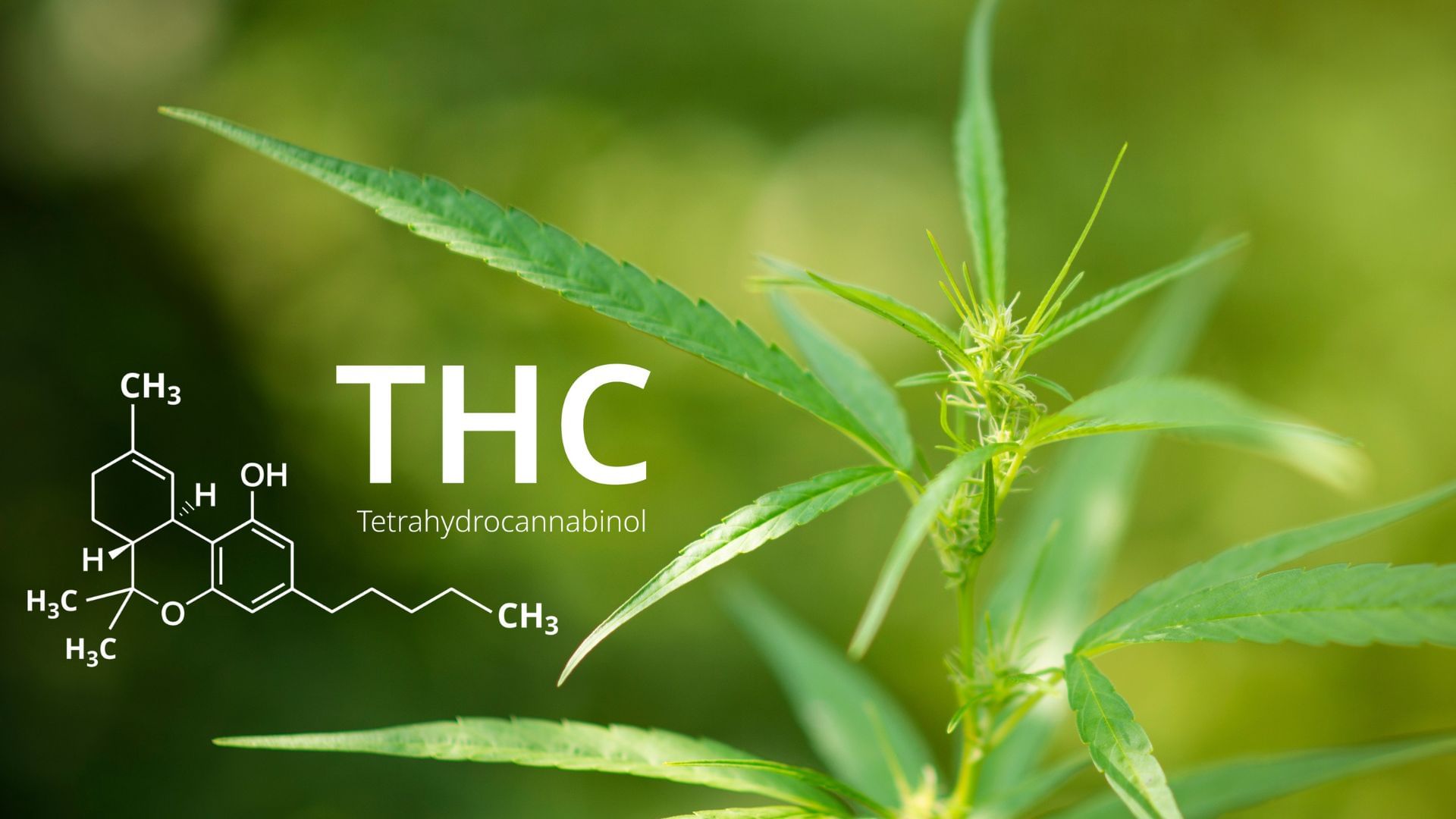
A bold and exciting promise in the world of cannabis is that of new strains with higher-than-ever potency. As the quantity of Tetrahydrocannabinol (THC) is often a pivotal point of differentiation among products, the notion of a higher THC content has the irresistable allure of stronger effects. This makes for an attractive selling proposition in this rapidly growing market.
It's not uncommon for concentrates to achieve significantly higher figures, but when it comes cannabis flower itself, this is altogether different. When a strain’s THC levels are touted to exceed 30%, eyebrows often raise in curiosity and skepticism. How is this potent promise measured, and how accurate are these numbers? It’s a complex field, but let’s look into the science behind THC testing, explore its limitations, and examine the factors that influence a cannabis strain's THC levels.
THC Testing And Potential Pitfalls
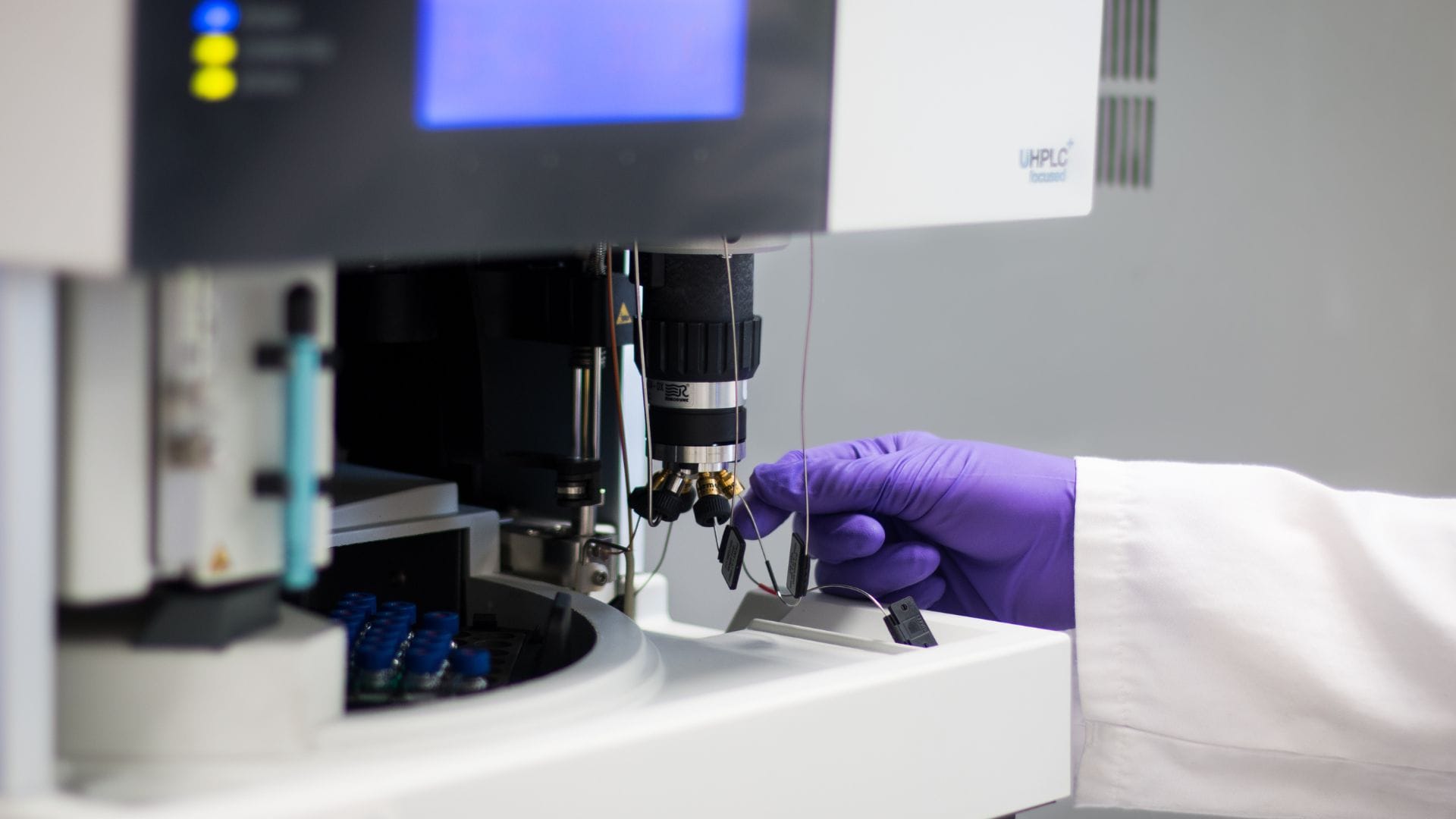
To understand the veracity of claims around THC content, it helps to understand how THC content is measured. The industry-standard method for identifying and quantifying THC content is high-performance liquid chromatography (HPLC).
The HPLC process involves
- taking a sample of the cannabis plant, usually a flower or a concentrate
- passing it through a chromatographic column inside a machine.
The machine then analyses the sample, and then isolates and identifies different compounds based on their chemical properties, thereby allowing for an estimate of THC content [1].
While this sounds pretty straightforward, the reality is a bit more nuanced. Multiple factors can influence the accuracy of these tests, including the calibration of the equipment, the specifics of the testing method employed, the storage and handling of the sample before testing, and even the potential for human error in interpreting and reporting the results [2].
Additionally, laboratory standards and practices vary, meaning the same strain can be tested in different labs and yield different results. Research has found a significant variation in the cannabinoid content of legal cannabis products among testing facilities, emphasising the lack of standardisation in testing protocols [3].
30%+ THC: Marketing Gimmick Or Breeding Marvel?
In the quest for supremacy in the cannabis market, some breeders and sellers claim to offer strains with THC content exceeding 30%, occasionally venturing as high as 33%. The appeal of these astronomical numbers is undeniable, but do they hold up under scrutiny?
The testing method we just discussed, while scientifically accepted, does have room for error. This, coupled with the lack of standardisation across laboratories, can potentially skew THC values higher than they might truly be (or lower, in some cases). It’s also worth noting that market pressures and the competitive landscape may inadvertently incentivize the overstatement of THC content.
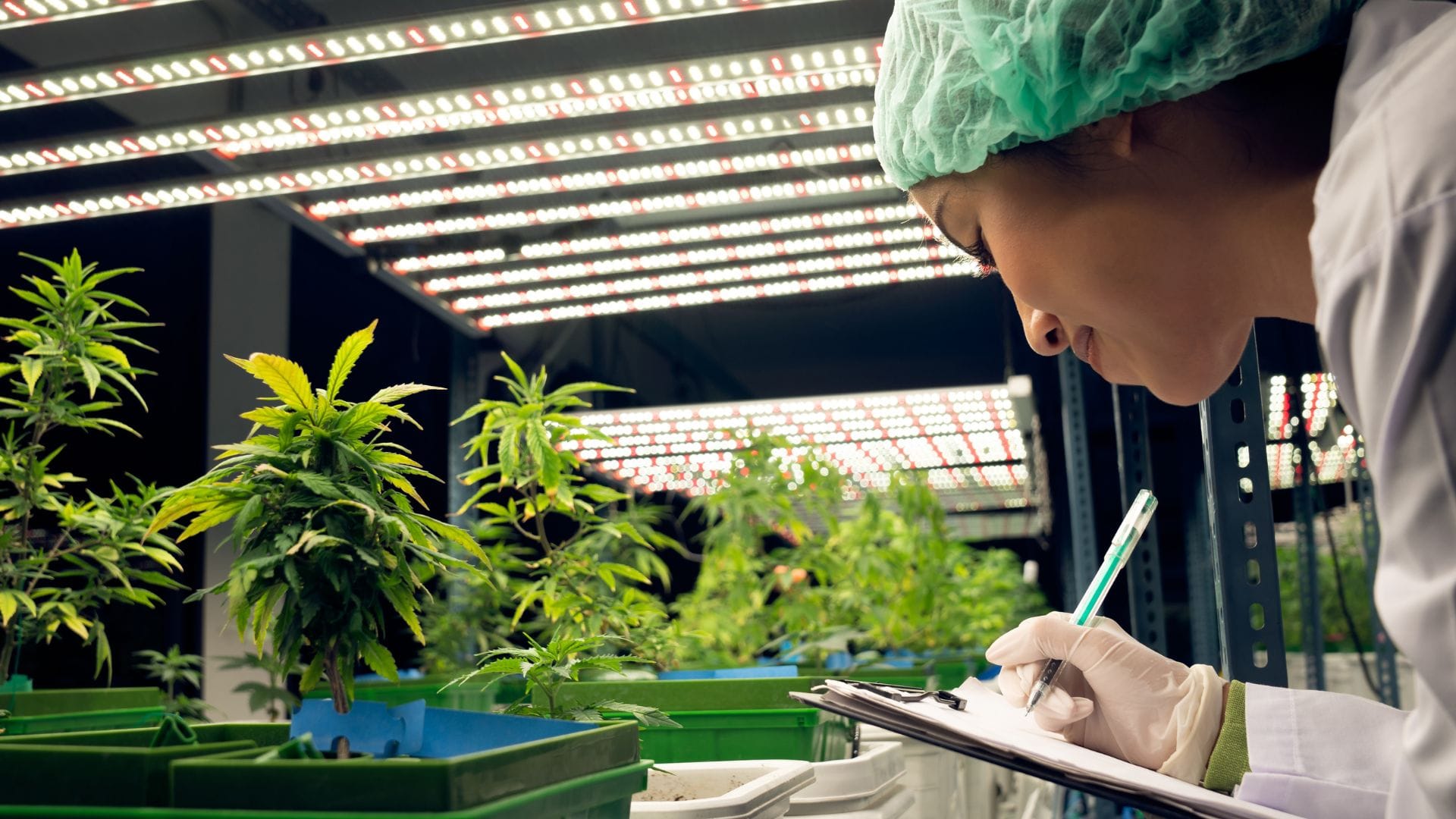
It's critical, however, to avoid jumping to conclusions. These numbers are not impossible; they are just challenging to achieve consistently due to the complexity of cannabis cultivation and breeding. There may very well be strains that occasionally hit these high numbers, but whether they do so consistently is a question that warrants further investigation. It’s not unknown for a strain to undergo several rounds of tests, scoring differently each time. It’s therefore acceptable to publish a strain’s potency at 30+% THC because the test result has been achieved, albeit not consistenly. While skepticism is healthy, it should be informed skepticism, based on understanding the challenges and limitations of current testing methodologies and cultivation practices.
Determining THC Content
The THC content of a cannabis strain is a result of several factors, including the strain's genetic makeup, anatomy, and the presence and condition of its trichomes. Genetics plays a pivotal role in the potential THC content of a strain. Certain cannabis strains, due to their specific genetic configuration, have a higher propensity for THC production. This is similar to how certain breeds of apples are naturally sweeter than others due to their unique genetic blueprint [4].
Next, the anatomy of the cannabis plant, specifically the distribution and health of trichomes, significantly influences on THC content. Trichomes are tiny, crystal-like protrusions on the cannabis flower's surface where most of the THC and other cannabinoids are produced. Therefore, a dense coverage of large, healthy trichomes generally equates to higher THC content [5].
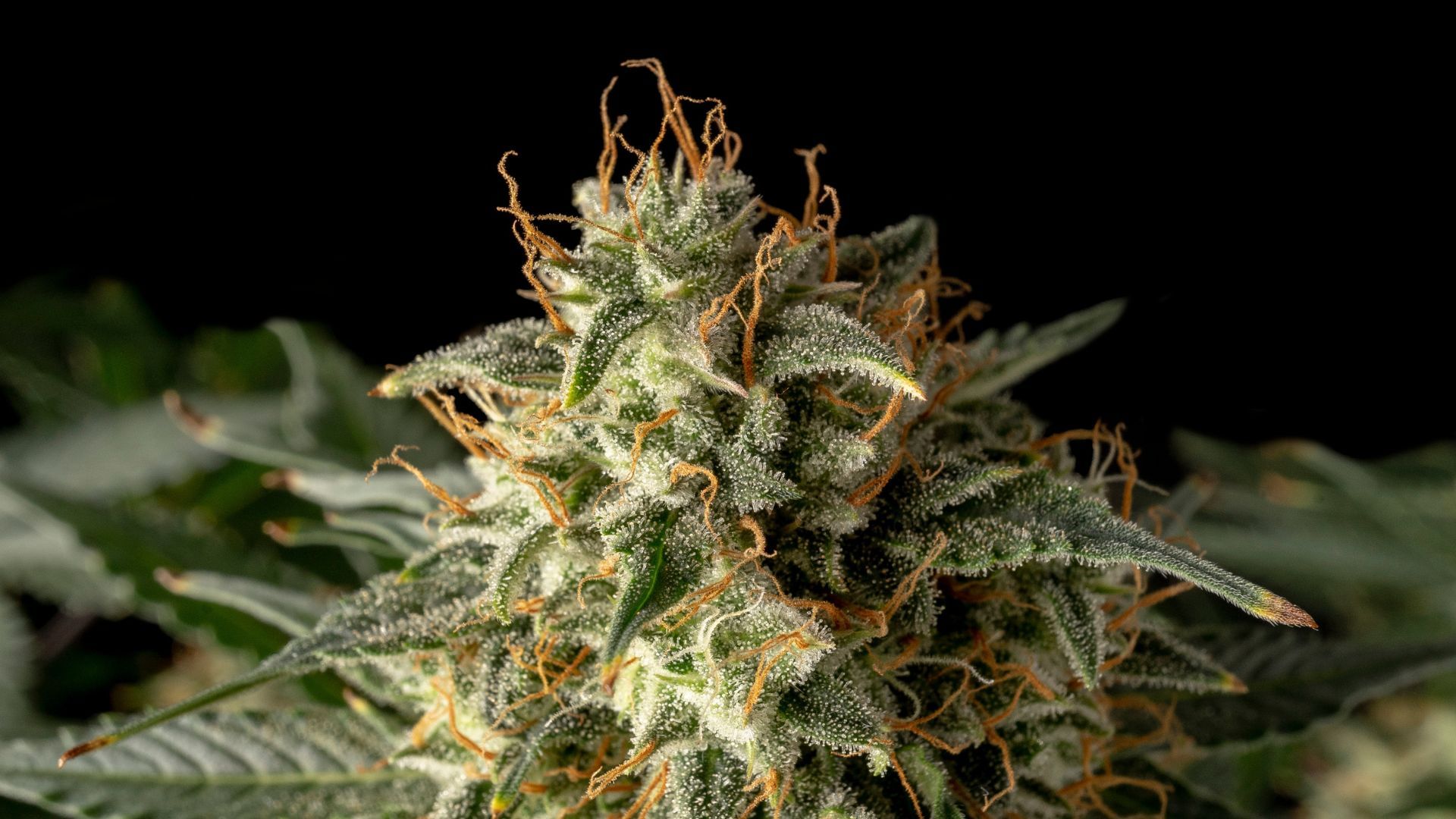
Finally, the cultivation conditions and care given to the cannabis plant can profoundly impact on its THC levels. A carefully maintained growing environment with optimal lighting, temperature, humidity, and nutrient supply can maximise the plant's genetic potential for THC production [6].
The issue of cultivation conditions makes for an interesting caveat in the study of insanely high-THC cannabis strains, too. It’s always important to bear in mind that the figures produced by a breeder will almost certainly be based on testing cannabis that was grown under optimal conditions by a highly-skilled grower (or team of growers) using top-level equipment. With these considerations, it’s certainly plausible that an otherworldly THC level was attained – but does that mean everyone can replicate those results?
Growers use a variety of different techniques, equipment, nutrients, and environments, so there’s unfortunately no guarantee that every grower’s final product will reach the same lofty heights as the breeder’s selection. Sure, you might get close, but it’s almost impossible to guarantee total uniformity across the board. That said, if you follow the right playbook, you’ll still undoubtedly grow massively potent cannabis of fantastic quality, and that’s the best news of all. It’s not like the breeders grow magic buds and you can’t.
The Pursuit Of High Potency And The Future
While the claims of 33% THC content may seem incredible, they cannot be dismissed outright without further examination. Given the limitations of current testing methodologies and the factors that contribute to a strain's THC content, it's essential for consumers to approach such figures with both curiosity and caution.
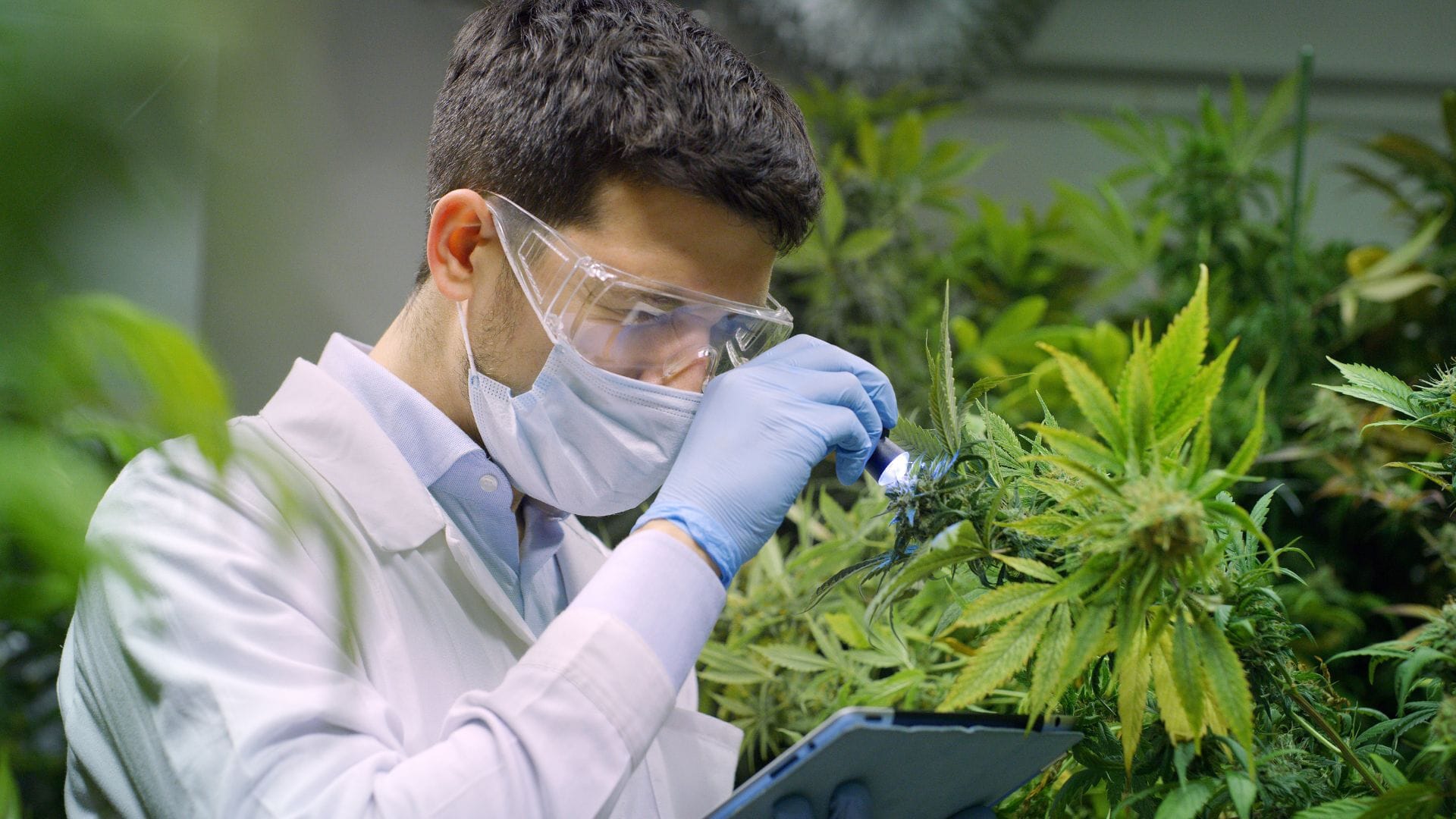
Looking to the future, research and development in cannabis breeding and cultivation have the potential to create strains with even higher THC levels. By honing in on the factors that contribute to THC production—such as optimising genetic selection, refining cultivation practices, and enhancing trichome health—we may indeed see the advent of strains consistently exceeding the 30% THC mark. Cannabis strains – and cultivation – have come a long way in a relatively short time, and continue to evolve. With the investment of both financial backing and some of the best techniques in modern horticulture, cannabis will continue to reach new milestones.
That said, keep in mind THC is but one aspect of the cannabis experience. A more holistic understanding of the plant—encompassing other cannabinoids, terpenes, and even the entourage effect—will enable consumers to make more informed choices and truly appreciate the marvel that is cannabis.
________________________________________________________________________________
Sources:
ElSohly, M., Gul, W., 2014. "Constituents of Cannabis Sativa." In: Pertwee, R. (Ed.), Handbook of Cannabis. Oxford University Press, Oxford, UK.
Gauvin, D. V., Zimmermann, Z. J., Baird, T. J., 2020. "Inaccuracy in potency labeling for legal cannabis products." Cannabis and Cannabinoid Research, 5(3), pp. 197–205.
Jikomes, N., Zoorob, M., 2018. "The Cannabinoid Content of Legal Cannabis in Washington State Varies Systematically Across Testing Facilities and Popular Consumer Products." Scientific Reports, 8, Article number: 4519.
De Meijer, E.P.M., Bagatta, M., Carboni, A., et al., 2003. "The inheritance of chemical phenotype in Cannabis sativa L." Genetics, 163, pp. 335–346.
Small, E., 2015. "Evolution and classification of Cannabis sativa (marijuana, hemp) in relation to human utilization." Botanical Review, 81(3), pp. 189-294.
Potter, D.J., 2014. "A review of the cultivation and processing of cannabis (Cannabis sativa L.) for production of prescription medicines in the UK." Drug Testing and Analysis, 6(1-2), pp. 31-38.


