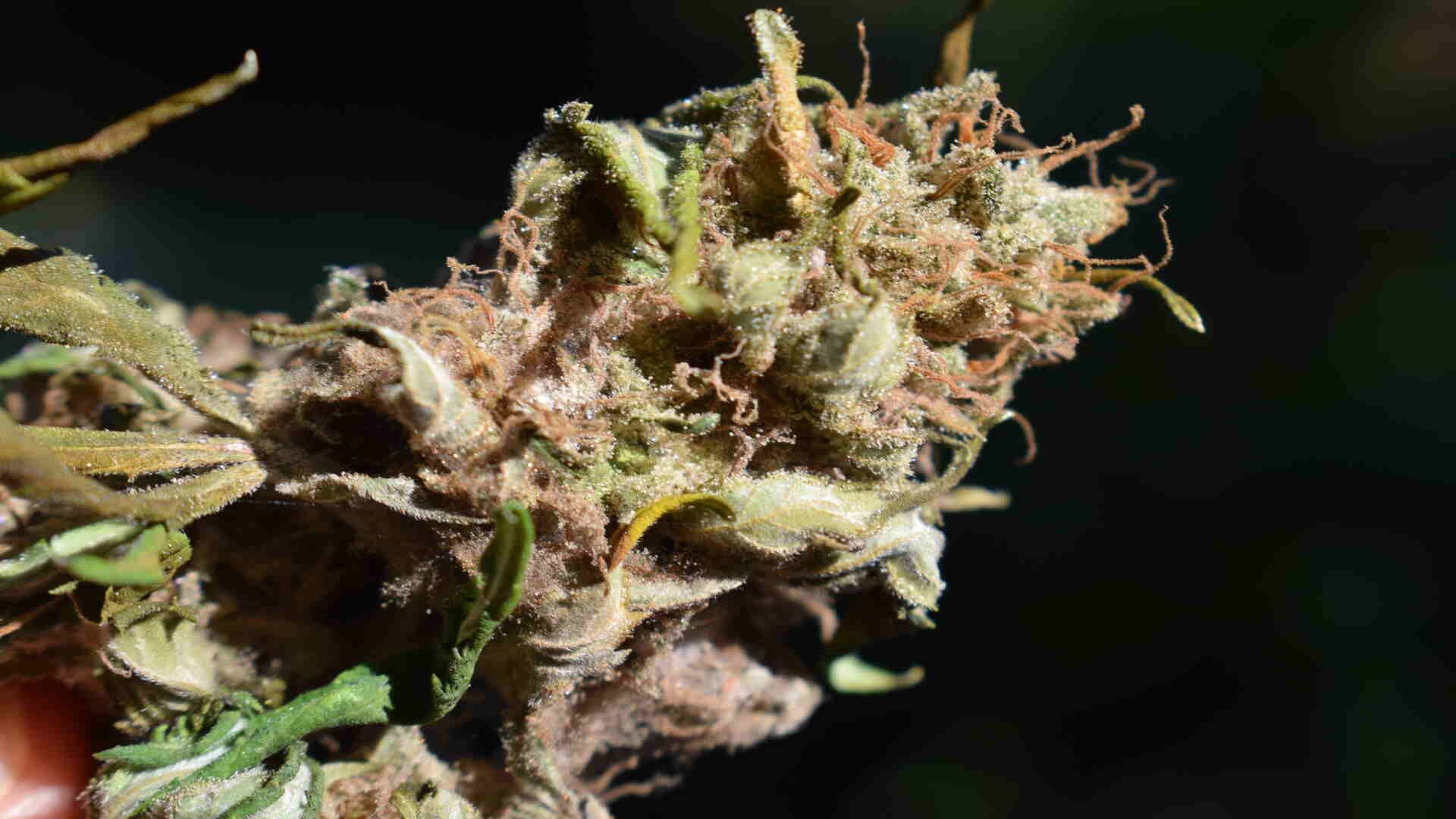
As the colder months begin to roll in, cannabis growers face a tough decision: should you hold out a little longer to maximize yield and potency—or harvest early to avoid the dreaded threat of mold? Even a few chilly nights late in the season can drastically increase your risk of bud rot, especially if you're nearing harvest.
This article will help you understand how cold weather impacts mold risk, how to use dew point data to forecast problems, and when it’s smart to harvest early. Let’s break down everything you need to know about cold weather cannabis harvests and mold prevention.
How Cold Weather Increases Mold Risk
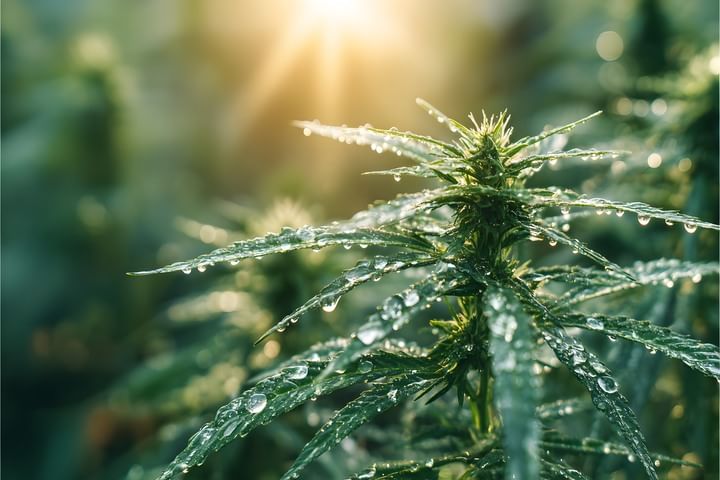
At first glance, cold might seem like it would inhibit mold growth, but that’s not exactly the case—especially when nighttime temperatures drop rapidly after a warm day. These sudden temperature swings are a recipe for condensation, and that moisture can be a serious problem for maturing buds.
When temperatures drop at night, the air can no longer hold as much moisture. As a result, excess water vapor condenses onto surfaces like leaves and buds, forming dew. The greater the temperature difference between day and night—and the closer the air temperature gets to the dew point—the more dew will accumulate.
If this moisture lingers into the next day without evaporating quickly, it creates the perfect environment for mold, particularly Botrytis cinerea (bud rot) and powdery mildew. Once these pathogens take hold, recovery is difficult and often impossible without sacrificing affected buds.
The Danger Zone: Late Flowering Stage
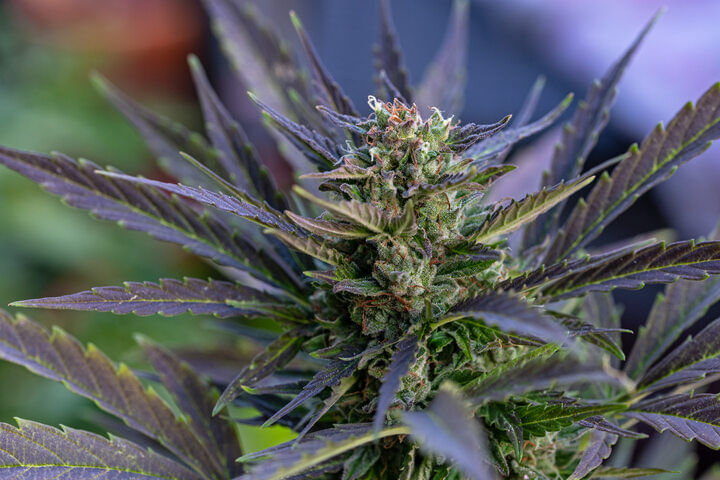
While cannabis plants are relatively resistant to mold earlier in the season, late flowering is a different story. By this stage, buds are dense, compact, and filled with resin—ideal for trapping moisture. On top of that, thicker foliage limits airflow, further delaying evaporation of morning dew.
The longer you wait into the season, the more extreme the difference becomes between warm daytime highs and cold nighttime lows. This amplifies condensation, increasing the risk of mold just as your flowers are reaching peak maturity.
Dew Point: The Hidden Key to Forecasting Mold
Many growers obsess over temperature forecasts, but if you want to accurately predict mold risk, you need to look at the dew point. The dew point is the temperature at which air becomes fully saturated and condensation begins.
If the nighttime low dips to or below the dew point, expect a heavy layer of dew to form on your plants. This is a clear sign of high mold potential, especially when airflow is limited or colas are dense.
Let’s say your forecast shows an overnight low of 10°C (50°F) and a dew point of 8°C (46.4°F). That 2°C (3.6°F) difference is a red flag for heavy condensation. In contrast, a dew point of 3°C (37.4°F) with the same overnight low would signal much drier conditions. Unlike general humidity or temperature forecasts, the dew point gives a reliable, stable reference point for condensation and mold risk.
Risk Assessment Based on Dew Point Gaps
Use the temperature-to-dew-point gap to assess mold risk levels:
· A 2°C (3.6°F) gap or less signals very high risk of mold due to heavy condensation.
· A 3–5°C (5.4–9°F) gap indicates moderate risk—be cautious.
· A 6°C (10.8°F) gap or more usually means low risk, thanks to drier air.
Monitoring this gap daily during late flowering will help you make informed harvest decisions.
Should You Harvest Early or Wait It Out?
If a sudden cold snap is looming, it’s time to weigh your options: harvest early and protect your crop from mold, or let the plants finish and risk losing buds to rot. Here's how to make the call.
Trichome Maturity: Your Best Indicator
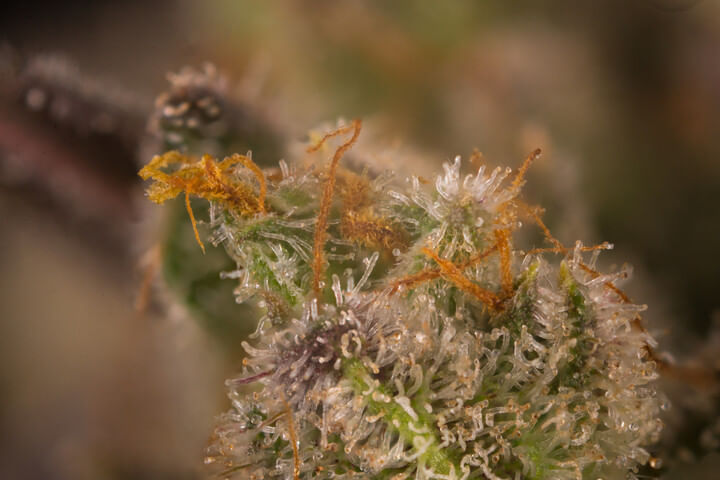
Trichomes are the best visual tool for determining harvest readiness. If most are still clear, your plants are not yet ready. Cloudy trichomes indicate peak potency, and amber trichomes mean you're past the peak, moving toward a more sedative effect.
If your trichomes are mostly cloudy and the forecast calls for wet, cold nights, it’s often best to harvest early to protect what you’ve grown.
Signs It’s Time to Harvest
Several warning signs can indicate that it's time to pull the plants, even if they're not quite at peak maturity:
· The dew point is consistently close to or equal to the overnight low.
· Your buds are dense and holding moisture, and airflow improvements are no longer effective.
· You’ve already spotted mold developing on your plants.
· Multiple cold, wet nights are expected in the forecast.
If these factors align, harvesting early could save your crop from widespread loss.
When It’s Safe to Wait
In some cases, riding it out is a calculated risk worth taking. Here’s when you might decide to wait:
· Trichomes are mostly clear, and upcoming nights are forecast to be dry.
· You’ve pruned thoroughly and maintained excellent airflow in your canopy.
· You’re using covers or a nighttime heating solution to stabilize growing conditions.
Regardless of what you choose, flexibility is key. If the weather shifts suddenly, you should be ready to harvest with less than 24 hours’ notice.
Cold Weather Harvest Prep Tips

If you plan to push your plants as far as possible, use these strategies to prepare for a cold-weather harvest while minimizing mold risk:
1. Thin out interior fan leaves to increase airflow and promote faster evaporation of dew.
2. For indoor grows, maintain relative humidity at or below 50%.
3. Monitor both temperature and humidity levels closely—automated tools help here.
4. Use breathable covers like horticultural fabric or frost blankets to trap radiant heat and reduce dew formation. Avoid heavy plastics, which can trap moisture.
5. Remove any covers first thing in the morning to let dew evaporate.
6. Always harvest on a dry, windy day. Wet plants brought into your drying space can introduce mold there as well.
7. Prepare your drying room with temperatures between 15°C and 18°C (59°F to 64°F) and humidity around 55-60% for best results.
The Bottom Line
Cold weather doesn’t always mean disaster, but it does require strategy and preparation. By closely monitoring the dew point, maintaining good airflow, and staying flexible with your harvest window, you can drastically reduce the risk of mold during late-season flowering.
Use trichome maturity and forecast data to guide your decision. Whether you choose to harvest early or let the plants ride out the weather, staying informed and adaptable will give you the best chance at finishing your grow strong—and mold-free.
For details on how to grow cannabis indoors, check out my book 7 Steps To Grow Cannabis. It’s a complete beginner’s guide to growing cannabis indoors. You can get it on my website, or on Amazon. Happy growing!