

Cannabis defoliation is one of those techniques that tends to divide growers more than most. Some treat it as essential canopy management. Others tend to avoid it entirely, preferring to let the plant decide what it needs to keep and what it needs to shed. Both approaches can work, but the difference usually comes down to a few things: timing, plant health, and understanding what you're actually trying to achieve,
One thing that's crucial to know - cannabis defoliation isn't a technique that rewards guesswork. Used well, it can open up light penetration, improve airflow, and help a plant focus energy where it matters most. Used poorly, it can cause issues for plants. Incorrect or badly-timed defoliation can slow growth, stress the plant, and reduce overall performance.
The key question isn't whether cannabis defoliation works. It's actually more about when it works - and when it quietly does more harm than good.
What Is Cannabis Defoliation?
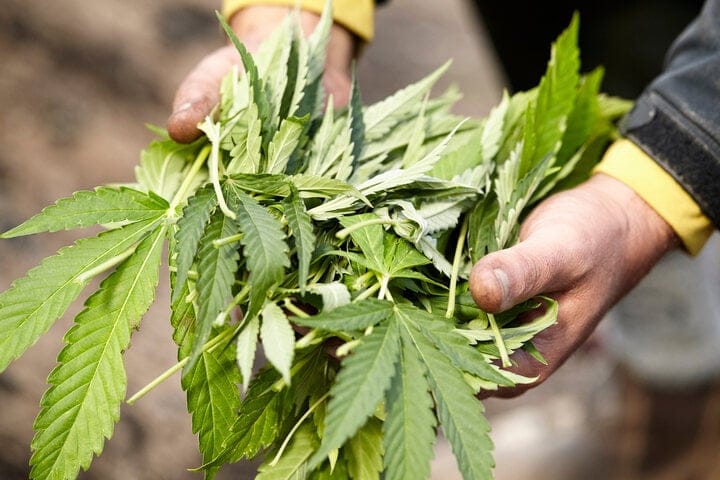
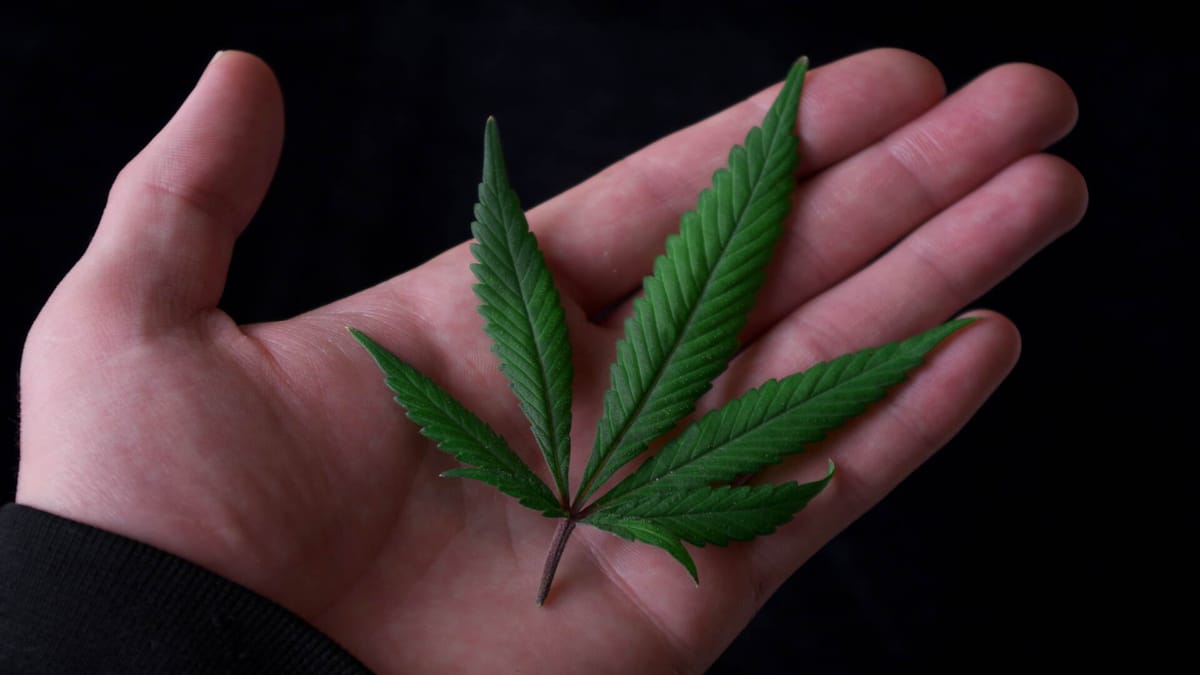
At its simplest, cannabis defoliation is just selective leaf removal to influence structure and light movement through the canopy. In other words, going round the plant and manually picking off a few of the excess fan leaves. This can certainly help the plant in terms of achieving better light penetration and reducing the risk of issues like mildew and bud rot. But it's important to know that those leaves aren't simply passive. Anyone who has spent time watching a canopy develop knows how much they shape everything around them. They're part energy source, part regulator of space, light, and airflow. So when they come off the plant, something shifts.
According to plant physiology research Into source-sink relationships in crops, leaves act as source tissues that supply energy to sink tissues like developing flowers and new growth [1]. That balance isn't fixed - it adjusts constantly depending on what the plant has available. In practice, that means every leaf removed chages the plant's internal priorities, even if only slightly.
Most of the time, the plant adapts. The question is how quickly and how comfortably.
Related ArticleA Guide To Cannabis Defoliation
When Does Cannabis Defoliation Help?
There are specific situations where defoliation quietly earns its place, and can make a noticeable - and positive - difference. Not as a rule, but as a response to what the canopy is already doing.
Dense canopies with poor light penetration
One of the most common reasons growers defoliate is simple: the lower and inner parts of the plant aren't getting enough light.
In these cases, removing a few of the larger, older fan leaves can help light find its way deeper into the structure. Not dramatically - more in small, practical implements. Growers tend to notice the difference most in the middle of the canopy rather than the top or bottom.
It's not about stripping the plant back. It's more about reducing unnecessary shading.
High humidity and restricted airflow
When airflow slows down inside a dense canopy, moisture hangs around longer than it should. It's often subtle at first. Leaves sit slightly closer together than ideal, and pockets of still air form without much warning.
Selective defoliation can open those channels back up. It does so by creating just enough space for air to move freely through the plant. It's usually more about restoring balance than improving anything outright. This is where defoliation can be especially beneficial as a means of guarding against powdery mildew, or as a good strategy on how to prevent bud rot
The effect is subtle but meaningul, particularly in environments where humidity control is already being pushed.
Vigorous, fast-growing plants
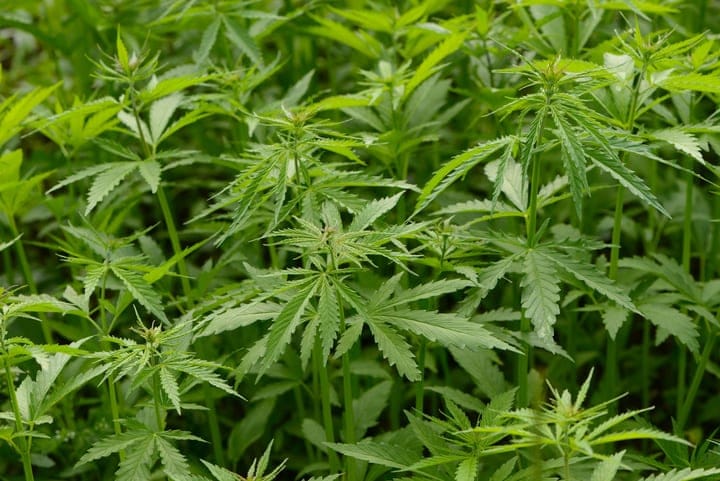
Some cannabis plants simply grow with more force than the environment can comfortably hold. In these cases, defoliation can be used alongside other cannabis plant training techniques to keep structure manageable. It can act as a way of keeping structure workable without constantly fighting the plant's natural direction.
When plants are healthy and actively growing, they tend to recover fairly quickly from a bit of minor leaf removal.
When Cannabis Defoliation Causes Problems
Cannabis defoliation can be beneficial. But the risks become clearer when leaf removal outpaces recovery, or when the plant already has other issues to deal with. Below are some examples of when defoliation can be a net negative.
Removing too much too quickly
This is where things tend to go wrong most often.
Leaves are often treated as excess plant material, but they're not disposable. If too many are removed at once, the plant loses a significant proportion of its capacity to produce energy. When that happens, growth can stall while the plant recalibrates. And even though the canopy can look "cleaner", the plant may have to be working harder just to maintain itself.
Early-stage stress
Seedlings and plants in the early vegetative stage rely heavily on every available leaf. At that stage, defoliation is unlikely to be of benefit. The plant is still building its structure and energy reserves. Removing leaves too early can slow development and may even reduce resilience later in the cycle.
Poor health or nutrient imbalance
If a plant is already dealing with deficiencies, pests, or environmental stress, defoliation just adds another layer of demand. Instead of improving airflow or light distribution, it can tip the plant into further decline. Intuitive, experienced growers tend to leave defoliation until overall plant stability returns..
Signs You've Overdone Defoliation
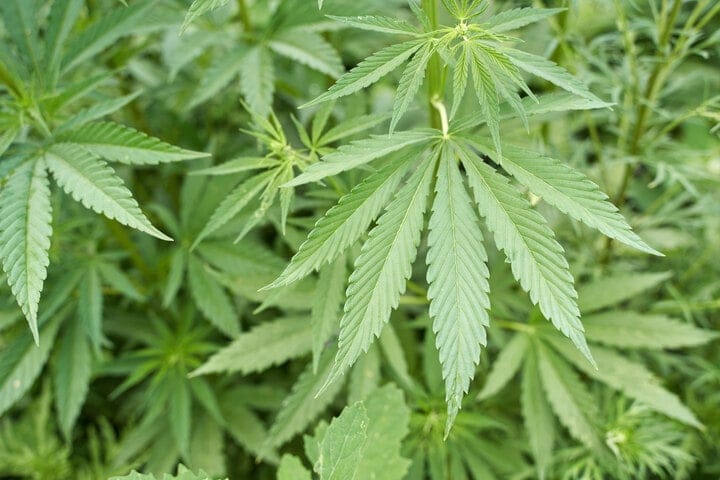
One of the main challeneges of cannabis defoliation is that overdoing it isn't always obvious straight away. The plant often looks cleaner and more open, but the effects tend to appear over the following days. Some common signs include:
Slower growth than expected
A healthy plant should continue growing steadily after some light defoliation. If growth appears to stall or new development slows significantly, the plant may be diverting energy towards recovering from the defoliation.
Reduced vigor
Plants that have been over-defoliated sometimes lose a degree of their natural momentum. New growth may appear smaller, less vigorous, or slower to establish than before.
Delayed flower development
Excessive leaf removal during the flowering stage can occasionally slow bud development. This is especially noticeable when large numbers of healthy fan leaves are removed at once.
Increased Environmental Sensitivity
Leaves help to buffer the plant against dramatic shifts in light intensity, temperature, and humidity. When too many leaves are removed, and that buffer is reduced, plants can become more sensitive to environmental stress.
Timing matters more than technique
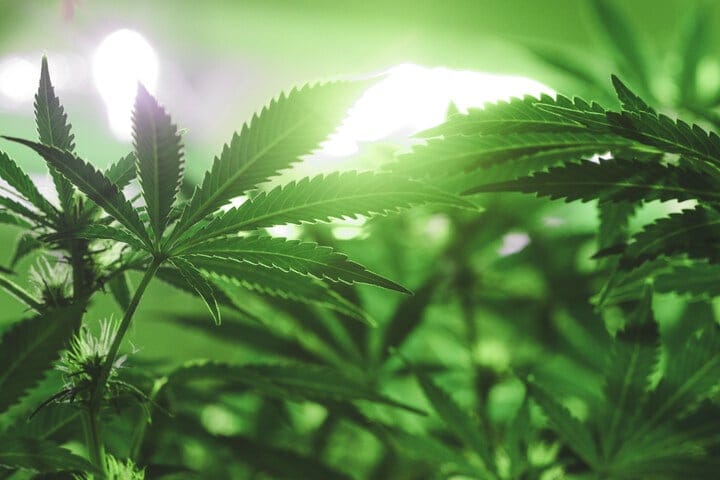
Over time, most growers come to realize that cannabis defoliation isn't really about the act itself. It's about listening to and observing the plant. It's about reading the canopy well enough to know when it will respond cleanly and safely - understanding the plant, not just the process.
A healthy, actively-growing plant in mid-vegetative or early flowering stage tends to handle selective leaf removal far more comfortably than a plant already under strain. But even then, it's rarely about a single session. More often it becomes a gradual adjustment, made in small steps as the canopy develops. That's usually where it sits most naturally.
What Research Tells Us (and what it doesn't)
Work in broader horticultural research suggests partial defoliation can improve light distribution and sometimes support yield, but only within a limited range of intensity. Beyond that range, photosynthetic capacity drops faster than the plant can compensate, and performance tends to decline.
Cannabis-specific studies are still developing, but the underlying physiology is consistent across many crop species {2}. The plant responds to balance more reliably than to extremes.
Related ArticleHow A Weed Plant Uses Light: The Science of Photosynthesis
A more balanced way to think about defoliation
Instead of seeing cannabis defoliation as something you should just "do" to the plant, it's perhaps more useful to think if it as canopy correction to be carried out if needed. Instead of viewing it as improving the plant in isolation, look at it as adjusting how it interacts with its environment.
If the environment is already balanced - good light penetration, steady airflow, and appropriate plant spacing - defoliation becomes less necessary. If those conditions are off, then cannabis defoliation becomes more useful, but also more risky. And that trade-off is where experience starts to matter.
Final Thoughts
Defoliation isn't a requirement for healthy growth, and it isn't a guaranteed shortcut to higher yields. It's a situational tool.
Used lightly and at the right time, it can improve structure and efficiency. Used aggressively or without a clear reason, it tends to create more problems than it solves. Most experienced growers eventually settle somewhere in the middle - not avoiding it entirely, but not relying upon it either. Just adjusting the plant when it genuinely makes sense to.
Frequently Asked Questions About Cannabis Defoliation
Should I defoliate cannabis during flowering?
Yes, but judiciously. Many growers defoliate during early flowering to improve light penetration and airflow. But heavy defoliation later in flowering is generally approached with caution, as plants have less time recover before harvest.
Does cannabis defoliation increase yield?
It can, but not directly. Cannabis defoliation does not increase yield on its own. Any benefit usually comes from improving canopy efficiency, allowing light and airflow to reach areas that might otherwise be shaded. Results depend heavily on plant health, environment, and defoliation timing.
How many leaves to remove during cannbis defoliation?
There is no universal number. Most growers focus on removing leaves that are heavily shading lower growth or restricting airflow, rather than aiming for a specific percentage of leaves.
Can you defoliate a cannabis plant too much?
Yes. Fan leaves are responsible for a signifcant portion of photosynthetic activity. Removing too many at once can reduce energy production and lead to slow growth while the plant recovers.
Should autoflowers be defoliated?
Autoflowering cannabis plants have a shorter lifecycle than photoperiod varieties. That means they have less time to recover from stress. Many growers take a lighter approach to defoliating with autoflowers, and only remove leaves that are clearly affecting airflow or blocking light to important growth sites.
Related ArticleCan You Defoliate Autoflowers?
------------------------------------------------------------
References:
- Taiz, L. & Zeiger, E. Plant Pyshiology and Development - source-sink relationships and energy allocation in plants.
- Lichtenhaler, H.K. (1987) Methods in Enzymology - photosynthetic pigment function and light response in shaded leaves, supported by broader controlled-environment canopy research.
