


The following article was written by Jorge Cervantes and co-authored by Dr Gary Yates.
Can autoflowers be cloned? The short answer is yes, but cloning autoflowering plants is not as straightforward as cloning photoperiod strains.
In this article, we’ll explore why, despite it being technically possible to clone autoflowering cannabis, it often leads to disappointing results.
We’ll cover the unique challenges of cloning these plants. Creating an autoflower clone presents specific timing and stress-related challenges, as the genetic growth timeline of autoflowers can impact both yield and plant health. We’ll also discuss success stories and alternatives to cloning.
Key Takeaways
- Autoflowering cannabis plants transition from seed to harvest in approximately ten weeks, allowing for multiple harvests in a single growing season. This makes them ideal for growers seeking high efficiency.
- Cloning autoflowering cannabis is technically possible but generally not recommended due to challenges related to their fixed life cycle, leading to limited yields and underwhelming results. Maintaining optimal growing conditions, including specific humidity and light requirements, is crucial for successful cloning.
- Growers often prefer alternatives to cloning autoflowers, such as selecting high-quality seeds or using techniques like perpetual harvesting and low-stress training to maximize yields and achieve consistent results. These alternatives offer many benefits for growers, including a steady supply of buds and reduced manual effort.
Understanding Autoflowering Cannabis

Autoflowering cannabis plants possess a remarkable natural adaptation that enables them to transition seamlessly from vegetative growth to the flowering phase without altering the light photoperiod. This unique trait originates from a specific genetic mutation in the PRR37 gene (pseudoreponse regulator 37), which is part of the plant’s circadian clock system. Unlike photoperiod plants, which have a PRR37 protein that prevents them from flowering during long days, autoflowering plants have a mutation that significantly reduces the amount of functional PRR37 protein they produce.
An autoflower plant is a cannabis plant with a genetically fixed life cycle that automatically transitions from vegetative growth to flowering, regardless of changes in the light cycle.
These autoflower plants have developed mechanisms that enable them to flourish even within brief growing periods and extreme environmental conditions, earning them favor among cultivators. In the context of breeding, cloning, and cultivation techniques, autoflower plants are generally unsuitable for cloning because their limited lifespan and predetermined flowering time restrict the growth and yield of any cuttings taken from them.
The genetic programming causes them to have a fixed lifecycle, automatically transitioning to flowering after 3–4 weeks regardless of lighting conditions. Their rapid life cycle allows them to produce multiple yields per season, and their cloning process preserves their desired characteristics.
Compared to photoperiod varieties of cannabis, autoflowering plants have a fixed life cycle and are less suited for cloning because they do not easily revert to a vegetative state. Autoflowering strains tend to grow more compactly and swiftly, making them an ideal trait for those managing smaller spaces or desiring faster production cycles.
From seedling status to full maturity, ready for harvest, such autoflowering specimens can complete this journey within approximately 10 weeks, allowing growers the opportunity for several crop turnovers annually.
However, genetic variation in conventional autoflowering plants can lead to inconsistencies in traits such as growth, yield, and potency. F1 hybrids minimize this genetic variation, giving growers uniformity and more predictable results.
Many autoflowering types of cannabis rival traditional photoperiod breeds in terms of potency levels and overall productivity, offering high-grade output without compromising on excellence. Each strain influences growth cycles, product quality, and the feasibility of cloning, choosing strain an important consideration for cultivators.
Further Reading:What Does Autoflower Mean?
How Autoflowering Plants Differ from Photoperiod Strains

Autoflowering cannabis plants can flower without reliance on specific light schedules, as they do not depend on changes in the light cycle to initiate flowering. In contrast, photoperiod counterparts require a controlled light cycle—typically 12 hours of light followed by 12 hours of darkness—to trigger flowering. This trait enables autoflowering strains to thrive under varied growing conditions and simplifies the cultivation process for many growers.
Autoflowering plants have a predetermined life span, typically reaching harvest readiness in approximately ten weeks from the seedling stage. However, their flowering times can be variable and sometimes unpredictable compared to photoperiod plants, which generally have more consistent and more extended flowering periods.
Photoperiod plants respond to environmental signals, specifically changes in the light cycle, which are used to induce flowering in traditional cannabis. In contrast, autoflowering plants induce flowering independently of light conditions. As a result, photoperiod strains usually produce a more abundant yield and possess the potential for increased size and potency compared to autoflowers, due to their prolonged development phase.
Clones of autoflowers are the same age as the mother plant, leading to limited growth potential and smaller yields. This biological reality means that even if autoflower clones successfully root, they typically produce miniature plants, yielding less than a quarter ounce, because they retain the physiological age of the mother plant and begin flowering immediately, regardless of their size.
Further Reading:Choosing Between Autoflower and Feminized Seeds For Outdoor Growing
The Basics of Cloning Cannabis
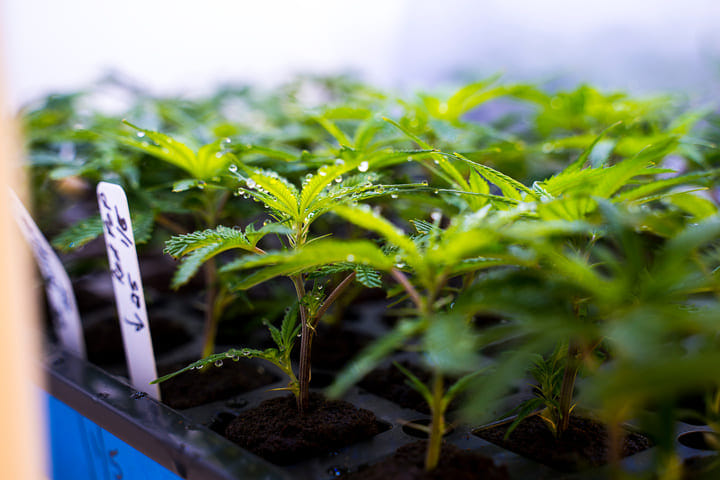
In cannabis cultivation, cloning is a prevalent technique employed to replicate a plant’s specific and desired characteristics. The cloning process involves taking a cutting from an established mother plant and nurturing its development into roots, thereby creating an exact genetic copy that can be planted.
The cloning process allows growers to bypass the time-consuming and unpredictable seed germination and selection phases, ensuring consistency in the plants’ genetic traits. Unlike growing from seeds, cloning eliminates the selection process required to identify and cultivate desirable traits from seedlings, giving growers greater control and consistency over their crops.
Growers widely adopt this approach because it ensures that all cloned plants exhibit uniform characteristics in terms of potency, scent, taste, and growth patterns, thereby guaranteeing consistency throughout their crops.
By bypassing the initial germination stage seen when growing from seeds, clones can mature more quickly. This expedites the growth cycle and conserves various resources, making cloning time-efficient and effective for replicating superior-quality cannabis plants with less variation than would typically occur with seed reproduction.
Additionally, cloning is cost-effective because it eliminates the need to purchase new seeds with every subsequent planting.
Further Reading:Cannabis and Cutting Clones: The Basics
Benefits of Cloning Cannabis Plants
The cloning of cannabis enables the cultivation of crops with exceptional uniformity. Clones, which are genetically identical to the mother plant, would allow growers to achieve consistent potency, aroma, flavor, and the same traits across their plants.
This consistency is exceedingly advantageous for commercial cultivators who must supply a dependable product to consumers.
This technique offers a time-saving shortcut by eliminating the need for germination and selection typically required when growing plants from seeds.
As clones develop more rapidly than seedlings, harvests can be reaped sooner—a boon for commercial enterprises where efficiency is essential. Cloning eliminates the need to buy new seeds every cycle, proving not only to be time-efficient but also cost-effective over the long term.
Additionally, taking cuttings from a selected mother plant known for its desirable characteristics ensures those same attributes are sustained within subsequent generations of clones.
This method ensures that each crop maintains high standards in both yield quality and overall productivity throughout the cultivation process. Cloning allows growers to ensure that desirable traits, such as high THC content or disease resistance, are maintained across generations, which is particularly important for both consistency in medicinal and recreational use.
Can You Clone Autoflowers?
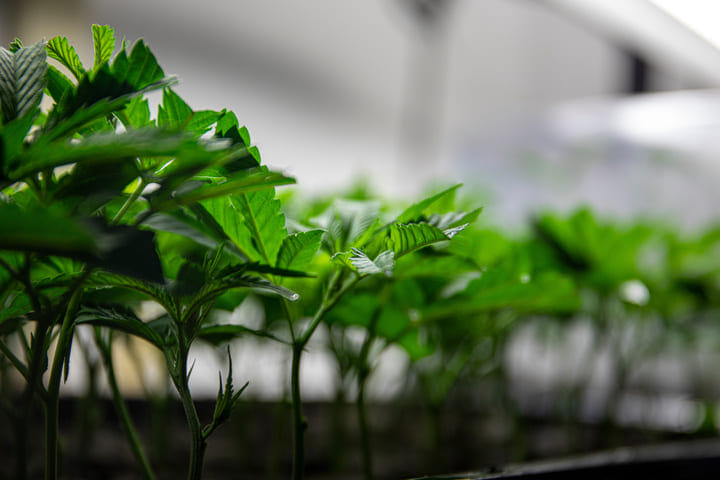
Among cannabis cultivators, the topic of cloning auto-flowering plants frequently leads to discussion. Although cloning auto-flowering cannabis strains can be done in theory, it’s typically advised against due to their swift and predetermined life cycle.
While it is technically possible to clone autoflowering plants, practical challenges make it difficult to achieve desirable results. The fundamental challenge with cloning autoflowers lies in their irreversible biological clock that operates on a fixed developmental timeline that cannot be reset through traditional propagation methods.
Autoflowering clones have a narrow window for development before flowering begins due to their genetically predetermined growth schedule. When a cutting is taken from an autoflower, it retains the physiological age of the mother plant.
Attempts to clone autos often result in poor yields and reduced potency because their rapid flowering cycle leaves little room for vegetative growth. A cutting taken from a mother plant that is 4 weeks old is already nearing the age for flowering, which means it will start to flower immediately, regardless of its size, because the plant’s genetic programming has activated flowering genes while suppressing vegetative growth genes.
Due to this limited development window, clones do not have sufficient time to develop large yields or size before flowering begins. The clone will be the same age as the mother, so the growth cycle can't be reset.
Because of this, many growers consider cloning autoflowers to be a fruitless endeavor, as these clones typically yield minimal bud at most. Once cut from the parent plant, autoflowering cannabis automatically progresses toward flowering with little opportunity for substantial vegetative growth.
The result is a small plant or even a tiny plant that yields meager amounts, which is why growers often deem the process of cloning auto-flowering varieties unworthy, given its disappointing results.
Why Cloning Autoflowers Is Challenging
The process of cloning autoflowering plants is complicated due to their inherent growth patterns. Their genetic programming causes them to have a fixed lifecycle, which constrains the period available for the clones' growth and maturation.
In contrast, photoperiodic plants, when exposed to adequate light, can remain in the vegetative phase indefinitely. Autoflowers initiate flowering according to an internal schedule irrespective of lighting conditions.
The hormonal cascade in autoflowers creates additional challenges for cloning. The plant undergoes compressed hormonal transitions during the critical 3-4 week window when cuttings are theoretically possible. Auxin levels, essential for root development, naturally decline as the plant shifts resources toward reproductive development, and flowering hormone production increases.
This hormonal shift means that by the time growers can take viable cuttings, the plant's cellular machinery has already begun transitioning away from the vegetative processes necessary for successful root establishment.
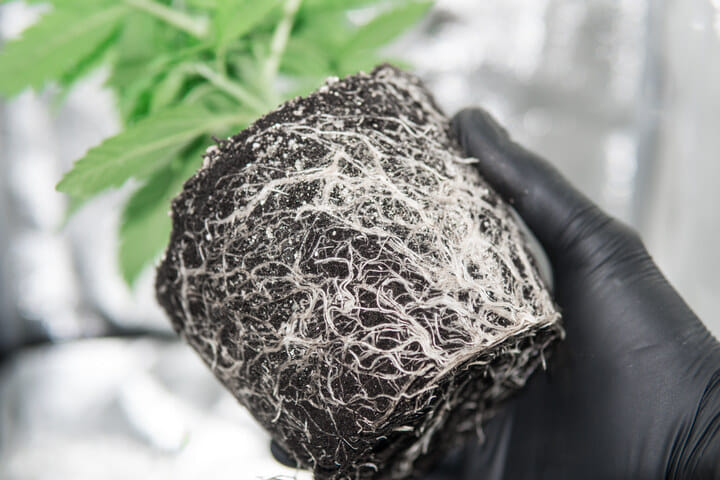
Root development becomes particularly problematic because autoflowers have evolved shallow, rapidly developing root systems that are adapted for quick resource acquisition.
The process that helps plants grow strong roots occurs much faster in autoflowers than in photoperiod plants. As the plant starts to flower, it produces less auxin, which can make it harder for cuttings to develop strong callus tissue and healthy roots needed for successful cloning.
Clones taken from autoflowering strains are prone to entering the flowering stage prematurely while still prioritizing root development over vegetative expansion.
As a result, this causes the plants to be smaller and produce less than those from mother plants that haven't been stressed by cloning, which can also harm both the clone's chances of survival and the health of the mother plant, leading to lower success rates in cloning.
Success Stories and Failures
Some cultivators have taken on the task of cloning autoflowering plants, encountering varied levels of success. For instance, documented cases involving the cloning of autoflower strains reveal attempts that frequently culminate in small harvests consisting of only a few buds.
Taking a rooted cutting from an autoflower rarely results in a productive plant due to the strain's short life cycle, making it difficult to achieve substantial yields. Feedback from such endeavors often points to lackluster outcomes where clones end up as diminutive plants with scant yields.
Though there are isolated instances where modest triumphs occur, no reliable technique for cloning autoflowers has been established that matches the efficiency seen with photoperiod varieties. The prevailing view among growers is that while it’s technically feasible to clone auto varieties, the investment and effort required far exceed any potential gains.
These plants typically start flowering around the fourth or fifth week, transitioning to the flowering stage without depending on light changes. This leads many to consider it an inefficient strategy for most cultivation operations.
Experienced growers often employ specific techniques, such as topping their plants, to enhance yield, highlighting the importance of experience and the trial-and-error process involved in these advanced growing methods. However, even these techniques cannot overcome the fundamental biological limitations of autoflower cloning.
Alternatives to Cloning Autoflowers
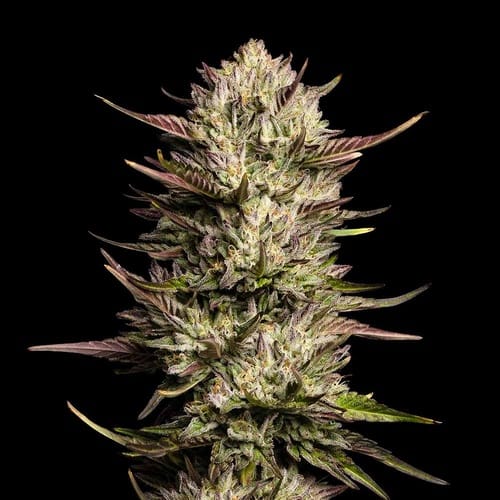
Due to the complications inherent in cloning autoflowers, many growers opt for alternative techniques to achieve reliable outcomes. Professional growers and breeders have abandoned traditional cloning in favor of seed-based cultivation and alternative propagation methods.
Autos are generally not ideal candidates for cloning due to their genetic traits and rapid flowering cycle; instead, alternative methods such as breeding F1 hybrids or perpetual harvesting are preferred.
The field of breeding has seen advancements that have given rise to enhanced autoflower strains with uniform characteristics, providing a viable alternative to cloning efforts. People prefer autoflower seeds, particularly those from F1 hybrid varieties, as they facilitate quick and easy harvests while preserving genetic stability and robustness.
F1 hybrid autoflowers, created by combining similar parent plants, are very reliable and perform well, offering better resistance to diseases, larger harvests, faster growth, and consistent cannabinoid levels.
Selective breeding has been utilized over thousands of years to develop various cannabis strains, significantly altering their morphology and chemical properties. This method offers greater versatility in breeding photoperiod strains compared to the more fixed traits of autoflowering strains, as it reveals the advantages and disadvantages of each type of plant.
Initiating each growing cycle with seeds introduces some level of genetic diversity but typically augments the potential for more abundant harvests thanks to dependable seed genetics. By doing so, cultivators can exploit the favorable attributes of autoflowers without grappling with the challenges associated with cloning, resulting in greater yields and more consistent results.
Perpetual Harvesting with Autoflowers
Employing a perpetual harvest approach leverages the swift growth cycle of autoflowering plants to guarantee an ongoing production of buds. By initiating a new autoflower seed every two weeks, growers can create a continuous harvest setup that consistently yields fresh flowers.
Home growers and small-scale growers find this technique especially advantageous as it optimizes the use of space and resources. Many growers prefer perpetual harvesting for their operations. This method offers numerous benefits, including a consistent supply of fresh flowers and the convenience of maintaining a clean and uncluttered growing environment.
Low-Stress Training Techniques
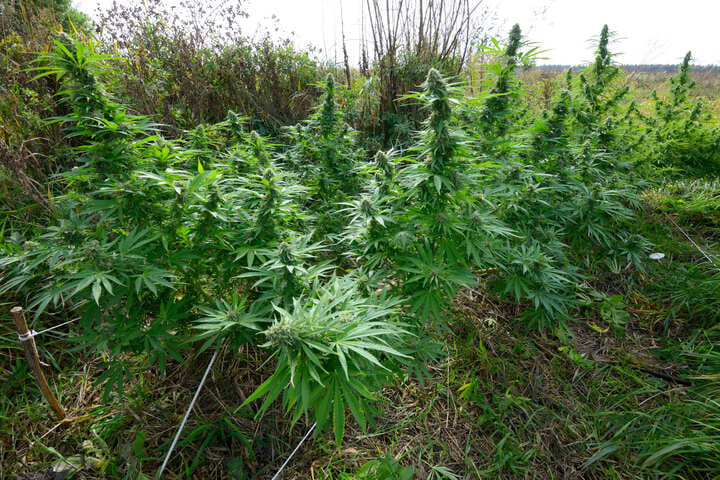
Gently bending and securing the branches of a plant, low-stress training (LST) is a beneficial method for increasing the yield in autoflowering plants. By manipulating their growth patterns without causing stress, LST enables improved light penetration and airflow around the plant. LST boosts both the health of the plant and its yield. Additionally, LST can help optimize the plant's exposure to light and environmental conditions.
Through applying LST methods, cultivators have an opportunity to unlock the full potential of their autoflower strains. This strategy is especially advantageous for skilled growers who aim to refine their cultivation techniques to obtain superior outcomes from each individual plant.
Further Reading: Mastering LST Autoflowers
Advanced Tips for Autoflower Cultivation
You can employ several sophisticated techniques to increase the growth and yield of your autoflower crops. Autoflowering plants typically require reduced amounts of fertilizer due to their compact stature and rapid maturation compared to photoperiod strains. Employing a soil mix that is both light in texture and modest in nutrient content helps avoid over-nourishment issues while promoting vigorous plant health.
Monitoring the pH levels of the soil is crucial to maintaining the plants' access to nutrients, which in turn promotes robust growth. Implementing training strategies such as the Sea of Green (SOG) method can effectively increase yields by forming an extensive canopy filled with buds from these smaller-sized strains. Additionally, making a diagonal cut at the base of the stem of cuttings increases the surface area for rooting, making rooting hormones more effective.
Choosing High-Quality Autoflower Seeds

Selecting the appropriate genetics, including autoflowering seeds, is essential for the successful cultivation of autoflowers. Obtaining seeds from trustworthy breeders ensures superior genetics, resulting in more robust plants with higher yields. Growers need to select autoflower strains that are well-suited to their specific growing conditions and personal preferences to achieve optimal results.
Opting for strains that exhibit strong resistance to prevalent pests and diseases can significantly increase the chances of a successful grow cycle. Cannabis growers who prioritize securing high-quality seeds tend to be more successful. Modern autoflower varieties now achieve THC levels exceeding 29% and demonstrate exceptional genetic stability, with some winning major cannabis competitions worldwide.
Further Reading:Top Autoflowering Cannabis Seeds For May 2025
Optimizing Growing Conditions

Autoflowering cannabis thrives under optimal growing conditions, receiving 18-20 hours of illumination each day to stimulate vigorous growth. Maintaining a steady temperature between 20°C and 25°C and keeping the pH level of the growing medium within the range of 6.0–7.0 helps prevent developmental stress and promotes optimal plant health.
For autoflowering plants, it is essential to have soil that provides good drainage while still retaining adequate moisture to prevent root rot. By fine-tuning these conditions for growth, one can foster an environment conducive to vigorous autoflowering cannabis plants with substantial yields. Direct sowing in final containers prevents transplant shock, while reduced nutrient concentrations (1/4 to 1/2 strength compared to photoperiod requirements) better suit their adapted growing conditions.
Step-by-Step Guide to Cloning Autoflowers
Although it can be challenging, some growers may want to try their hand at cloning autoflowering plants. This detailed guide will describe each stage of the process, including reading the mother plant, harvesting cuttings from it, and successfully rooting those cuttings. However, the most promising breakthrough involves tissue culture techniques that can potentially "reset" the autoflower biological clock.
Preparing the Mother Plant
Ensuring that mother plants are well-prepared is a crucial aspect of the cloning process. The original plant, or mother plant, is vital because a clone has the potential to become a new mother plant, carrying identical genetic characteristics. It's essential to select one that exhibits robust health and vigor. To foster prime vegetative growth, the chosen mother should be in an active vegetative stage and show no signs of stress or illness.
Providing ideal growing conditions for the mother plant, including suitable lighting, proper nutrients, and adequate hydration, significantly enhances the prospects for effective cloning. By obtaining cuttings from a meticulously cared-for mother plant, there is an increased chance of growing strong and healthy clones.
Taking Cuttings and Rooting
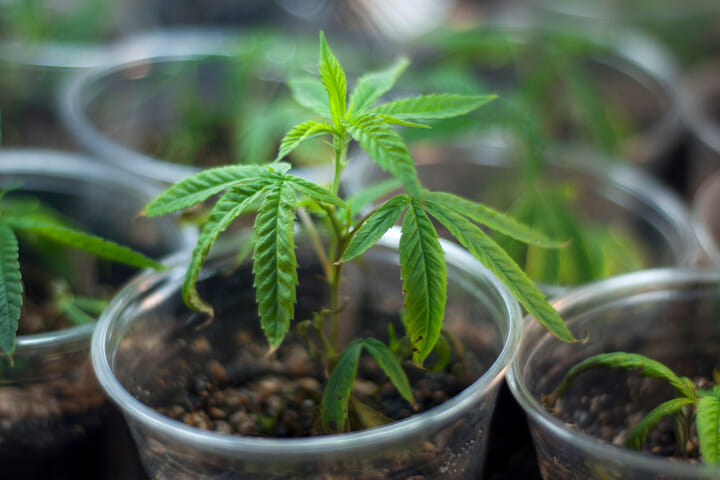
Maintaining a sterile environment is crucial to reduce the likelihood of contamination during the cloning process. It's important to use sterilized instruments when taking cuttings from the branches of a mother plant. The application of rooting hormone to the cutting before situating it in an appropriate growing medium can enhance root development.
To support and nurture root growth, ensure that there is ample humidity and soft lighting throughout this stage. Such conditions facilitate the formation of healthy roots within a sturdy root system. Once these new roots have sufficiently developed, you can then relocate your rooted cuttings into their permanent growth substrate, where they will be cultivated until they reach full maturity.
Further Reading:Optimizing Cuttings For Cannabis Clones
Tissue Culture: The Future Alternative
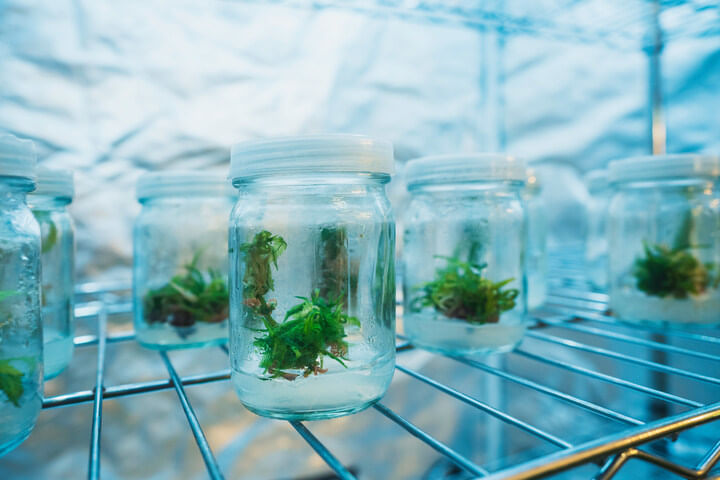
Tissue culture represents the most scientifically viable cloning alternative for autoflowers. Research indicates that sterile culture conditions using undifferentiated cells can bypass age-related limitations. The process involves taking small tissue samples (explants) and growing them in specialized nutrient media containing specific hormone combinations. Commercial operations are already implementing tissue culture protocols, with some companies offering home-based tissue culture kits specifically for cannabis.
This advanced technique potentially enables the preservation of superior autoflower genetics while circumventing the biological constraints that render traditional cloning ineffective. Tissue culture can produce virus-free plants and enable rapid multiplication while maintaining genetic uniformity.
Further Reading:Cannabis Breeding: Seed vs Clone vs Tissue
Summary
Exploring the realm of autoflowering cannabis plants offers a mix of attractive prospects and distinct hurdles. We've explored what differentiates autoflowering strains, including their expedited life cycles, as well as why replicating these plants via cloning presents formidable challenges. Cloning autoflowers might be technically achievable, but it typically yields less fruitful results due to their predetermined growth timeline and inclination towards early flowering.
The genetic mutation in the PRR37 gene that confers photoperiod independence also imposes fundamental biological constraints, rendering traditional cloning ineffective. However, cloned plants retain the same traits as the mother plant, ensuring consistency in growth patterns and flavor when successful.
Nevertheless, cultivators can achieve plentiful crops by focusing on alternatives to cloning, such as continuous harvesting methods and gentle plant training techniques. Choosing premium-quality autoflower seeds, coupled with fine-tuning the growing environment, significantly improves cultivation success rates. Modern F1 hybrid autoflowers offer unprecedented uniformity and performance, often surpassing traditional varieties in both potency and yield consistency.
In essence, grasping the subtle aspects of cultivating autoflowering cannabis combined with implementing sophisticated farming strategies holds the promise for satisfactory harvests. The future lies in embracing seed-based cultivation, tissue culture techniques, and advanced breeding methods rather than attempting to force traditional cloning methods onto plants that have evolved beyond such propagation limitations.
Frequently Asked Questions
Can you clone autoflower cannabis plants?
Cloning autoflower cannabis plants is possible but not recommended. Anticipate that the resulting cuttings will produce a limited number of buds, as these plants have a predetermined life cycle that cannot be altered through traditional cloning methods.
What is the typical lifespan of autoflower cannabis plants?
Autoflower cannabis plants complete their entire growth cycle in about 10 to 12 weeks, enabling faster harvests when contrasted with photoperiod strains of cannabis.
How does cloning autoflower cannabis differ from photoperiod cannabis?
Cloning autoflower cannabis is less effective than photoperiod cannabis due to the genetically fixed life cycle of autoflowers and their irreversible biological clock. Therefore, we prefer photoperiod cannabis for cloning because it allows for extended growth and cultivation.
What effect does taking a cutting have on the mother plant's yield?
When a cutting is taken from the mother plant, it can lead to a considerable reduction in yield because a substantial part of the plant's resources is diverted to heal and support the growth of the fresh propagation.
What is the benefit of using autoflower seeds for home gardening?
By employing autoflower seeds, you can establish a consistent harvest system that ensures a steady supply of new buds. This approach significantly enhances the experience of growing at home, enabling multiple harvests per year.
References
- Leckie, B. M., et al. (2024). Loss of daylength sensitivity by splice site mutation in Cannabis pseudo-response regulator. The Plant Journal, 118(3), 726-741.
- Petit, J., et al. (2020). Genetic variability of morphological, flowering, and biomass quality traits in hemp (Cannabis sativa L.). Frontiers in Plant Science, 11, 102.
- Monthony, A. S., et al. (2022). Identification and mapping of major-effect flowering time loci Autoflower1 and Early1 in Cannabis sativa L. Frontiers in Plant Science, 13, 991680.
- Hurgobin, B., et al. (2021). Recent advances in Cannabis sativa genomics research. New Phytologist, 230(1), 73-89.
- Stack, G. M., et al. (2021). Season-long characterization of high-cannabinoid hemp (Cannabis sativa L.) reveals patterns of cannabinoid accumulation. GCB Bioenergy, 13(4), 546-561.
- Schilling, S., et al. (2021). Cannabis sativa: From therapeutic uses to micropropagation and beyond. Plants, 10(10), 2078.
- Clarke, R. C., & Merlin, M. D. (2013). Cannabis: Evolution and Ethnobotany. University of California Press.
- Small, E. (2015). Evolution and classification of Cannabis sativa (marijuana, hemp) in relation to human utilization. The Botanical Review, 81(3), 189-294.
- Vergara, D., et al. (2016). Gene copy number is associated with phytochemistry in Cannabis sativa. AoB Plants, 8, plw074.
- Cervantes, J. (2023). Cannabis Encyclopedia: The Definitive Guide to Cultivation & Consumption of Medical Marijuana. Van Patten Publishing.
