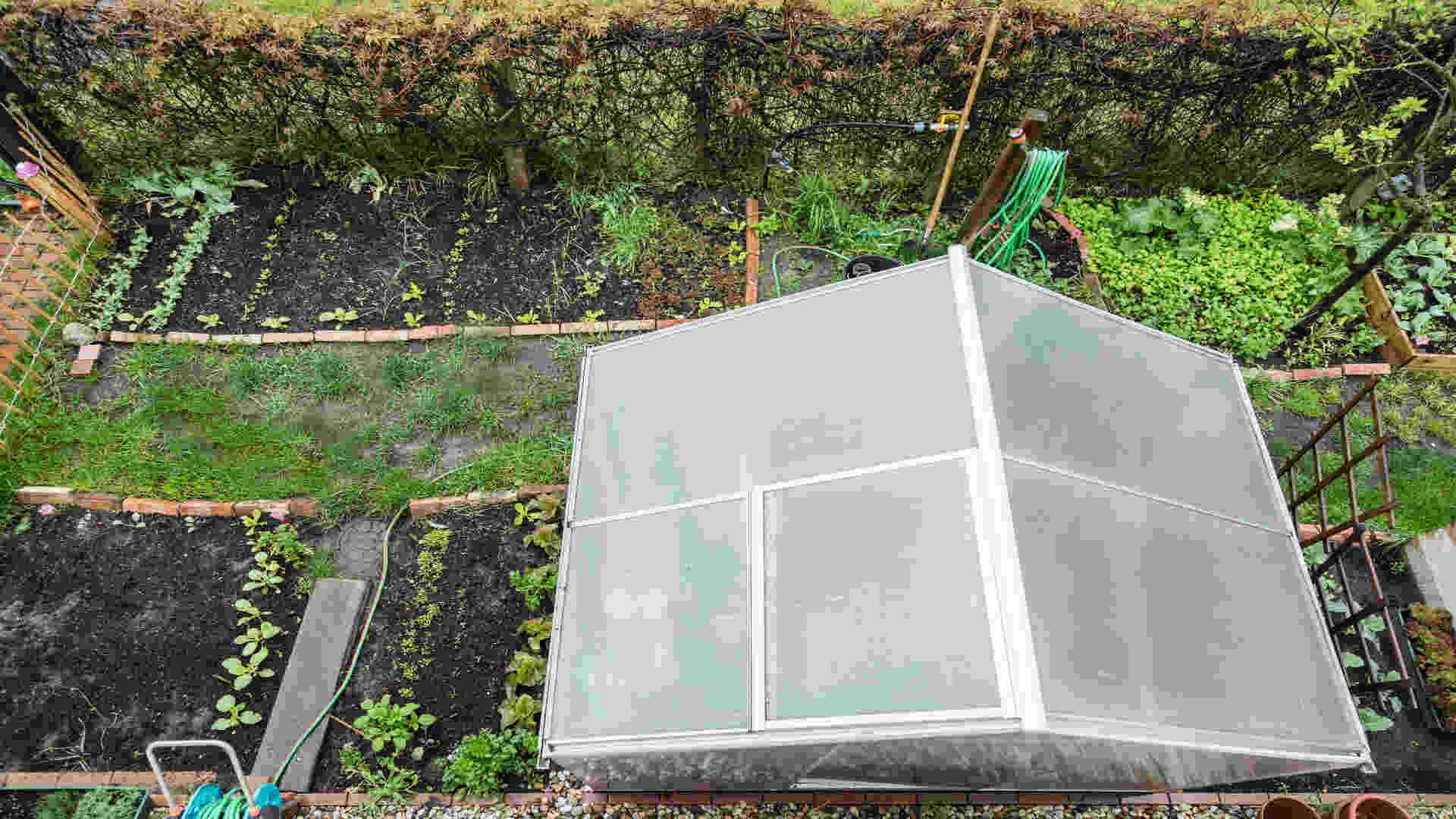
As cannabis growers, we are some of the most enthusiastic gardeners I know. We take pride in growing big, beautiful buds and are constantly at the forefront of cutting-edge science in all aspects of gardening. From microbial life that fuels the soil food web to vapor pressure deficit (VPD) and lighting indoors or homemade ferments and foliar feeds to boost plant hormones, our community continuously pushes the boundaries of what it means to be a grower. We are soil scientists, botanists, entomologists, mycologists, chemists, carpenters—the list goes on.
Imagine if we treated other plants with the same enthusiasm as our cannabis. In this article, we explore that reality, going beyond companion planting for the sake of cannabis and embracing it for the sake of our health and well-being.
Food is Medicine
The leading cause of death in the United States is heart disease, with 680,909 fatalities in 2023 alone. The second leading cause is cancer, responsible for over 600,000 deaths annually. Both of these deadly diseases are strongly linked to diet and lifestyle choices.

Despite this, our modern medical system rarely emphasizes the power of nutrition as medicine—even though the Father of Modern Medicine, Hippocrates, famously stated:
"Let food be thy medicine and medicine be thy food."
Traditional medicine systems have understood that what we eat directly impacts our health for centuries. Yet today, ultra-processed foods, artificial additives, and chemically grown produce dominate our food system, contributing to widespread disease. But we can take control—starting with what we grow and consume.
Diet & Lifestyle: The Reality of the Standard American Diet (SAD)
The Standard American Diet (SAD) is fueling the nation's health crisis:
- Over 60% of the average American diet comprises processed and ultra-processed foods.
- Added sugars make up 17% of daily caloric intake, contributing to obesity and metabolic disorders.
- 80% of Americans do not consume the recommended amount of fruits and vegetables.
- 1 in 3 adults suffer from high blood pressure, a major risk factor for heart disease.
- More than 93 million Americans (nearly 40% of adults) are obese, increasing their risk of chronic illness.
- The food industry prioritizes profit over health, flooding the market with cheap, addictive, and nutritionally empty products.
This is not our fault—the system is designed this way. Corporate greed has built an industrial food system prioritising profits over people’s health. The same corporations that poison our food and soil with chemicals are the ones selling pharmaceuticals to treat the symptoms of these diseases. Meanwhile, natural healing alternatives like cannabis are suppressed despite scientific evidence supporting its ability to treat and even cure cancer—without the toxic side effects of conventional treatments.
Cannabis and Health: The Endocannabinoid System
We all know firsthand the myriad of health benefits that cannabis provides us with. The endocannabinoid system (ECS) is a crucial regulatory network in the human body that helps maintain balance, or homeostasis, across various physiological functions. Discovered in the 1990s, the ECS consists of endocannabinoids (naturally occurring compounds similar to those in cannabis), cannabinoid receptors (CB1 and CB2), and enzymes that break down these compounds.

CB1 receptors are primarily found in the brain and central nervous system, influencing mood, memory, pain perception, and appetite, while CB2 receptors are more abundant in the immune system and play a key role in inflammation and immune response. The ECS regulates processes like sleep, stress, digestion, immune function, and even reproductive health. When this system is out of balance, it can contribute to various health issues, including chronic pain, anxiety, and autoimmune disorders.
Phytocannabinoids like THC and CBD interact with the ECS, mimicking or enhancing its natural functions, which explains why cannabis has such a wide range of therapeutic benefits. Cannabis does more than relieve symptoms—it regulates health at a foundational level.
- The Endocannabinoid System (ECS) is a biological system present in all mammals that maintains homeostasis (balance) in the body.
- The ECS regulates immune response, mood, pain, inflammation, appetite, and neuroprotection.
- Cannabinoids like THC and CBD interact with ECS receptors to promote healing, reduce inflammation, and combat disease.
Cannabis not only heals through consumption—it heals just by growing it. The act of cultivating cannabis (or any plant) promotes physical, mental, and emotional well-being.
Gardening & Health Benefits
Growing your own food and medicine has been scientifically proven to improve health. Increased physical activity from gardening helps reduce the risk of cardiovascular disease, strengthening the heart and circulatory system. Spending time outdoors increases vitamin D levels, which are essential for bone health, immune function, and mental well-being. Gardening also provides exposure to soil microbes, which play a crucial role in boosting the immune system and reducing inflammation. Research indicates gardening can lower stress, anxiety, and depression, contributing to overall well-being and mental resilience.

Microbes & Immune System
Soil contains beneficial microbes that boost the immune system in ways similar to plants:
- Mycobacterium vaccae – Found in soil, this microbe stimulates serotonin production, reducing stress and depression.
- Bacillus subtilis – Helps regulate gut microbiota, enhancing immune function.
- Actinobacteria – Produce natural antibiotics that protect against pathogens.
Soil Microbes & Mental Health
- The gut-brain connection is now a scientific reality—imbalances in gut microbes are linked to depression, anxiety, and cognitive decline.
- Nearly 1 in 5 Americans experience mental illness, and poor gut health is a major contributor.
- Studies show that gardening increases serotonin and dopamine levels, improving mood and cognitive function.
Our current system is built on scarcity and sickness—but gardening fosters an abundance mindset. When we grow food, we cultivate health, resilience, and community, reducing dependence on toxic, corporate-controlled food systems. More biodiversity means healthier soil, healthier plants, and a healthier planet.
Biodiversity: The Key to a Thriving Ecosystem
Biodiversity is the abundance of different life forms. In nature, plants grow in various ways, from trees and bushes to lichen and ferns. Thousands of seeds drop and germinate, releasing enzymes and acids that break down minerals within the soil. This cacophony of nature works with itself as a closed-loop system replenishing and feeding itself. When we garden, we should mimic nature to release our dependence on outside materials. Grow more plants and they will be happier. Biodiversity enhances garden resilience:
- Increases beneficial microbes in the soil.
- Encourages pollinators like bees and butterflies.
- Boosts terpene production in cannabis and other plants.
- Naturally repels pests, reducing reliance on harmful chemicals.

If you can grow cannabis, you can grow food. It’s that simple.
Companion Plants for Cannabis (and You!)
Companion Plant | Benefits |
Potatoes | Adds organic matter to soil, easy calorie crop |
Cilantro | Repels pests, rich in antioxidants, detoxifies heavy metals |
Oregano | Antimicrobial, improves plant resilience, medicinal uses |
Thyme | Attracts pollinators, natural fungicide, supports lung health |
Strawberries | Covers soil, attracts beneficial insects, nutrient-rich |
Chamomile | Can increase terpenes in cannabis, supports digestion, anti-inflammatory. |
For most of American history, people produced a significant portion of their own food. Until the early 20th century, most Americans lived in rural areas and relied on homegrown food, hunting, and local bartering for sustenance. In 1900, about 40% of the U.S. population worked in agriculture, and most families grew their vegetables, raised livestock, or bought from small local farms.
However, the shift away from self-sufficiency accelerated with industrialization, urbanization, and the rise of agribusiness. By 1950, only about 12% of Americans were farmers, and by 1980, that number dropped to 3-4%. The Green Revolution (1940s–60s) increased food production through mechanization, synthetic fertilizers, and pesticides, but it also made farming more industrialized and centralized, reducing small-scale food production. Supermarkets and processed foods became the norm, and today, less than 2% of Americans farm for a living, with most food coming from large corporations rather than homegrown sources.

The same corporate greed that has posioned our agricultural industry in food production is taking over cannabis production. Every year, legacy farmers lose their business to multi-state operators funded by venture capitalists and investors, which can outlast market volatility that small farmers simply can’t withstand.
Cannabis Prohibtion & Corporate Greed
Cannabis prohibition in the United States was never about public health—it was fueled by corporate greed and government corruption. In the 1930s, powerful industries like timber, oil, and pharmaceuticals saw hemp as a major threat to their profits. Hemp could produce paper more efficiently than trees, reducing the demand for timber owned by Hearst Paper Manufacturing, which had deep ties to media mogul William Randolph Hearst. DuPont, a chemical giant, had just developed nylon and saw hemp fibre as a competitor that could replace petroleum-based textiles.
In 1937, the Marihuana Tax Act effectively outlawed cannabis by imposing heavy taxes and regulations, with Treasury Secretary Andrew Mellon—who had financial stakes in DuPont—appointing Harry Anslinger to lead the anti-cannabis campaign. Anslinger used racist propaganda and fear-mongering to turn the public against cannabis while protecting corporate interests. Later, the Controlled Substances Act of 1970, signed by President Nixon, classified cannabis as a Schedule I drug, ensuring that its potential industrial and medical uses remained suppressed.
Today, despite hemp being federally legal under the 2018 Farm Bill, corporate influence continues to stifle its potential. Major industries like plastics, oil, and pharmaceuticals have little interest in allowing hemp to compete with their more expensive, environmentally destructive products. The U.S. severely lacks infrastructure for processing hemp into fibre, bioplastics, and building materials, even though countries like China and France have thriving hemp industries.
Instead of supporting sustainable alternatives, the federal government focuses on isolating cannabinoids for pharmaceutical use—like Epidiolex, an FDA-approved CBD medication for epilepsy that costs over $32,500 per year. At the same time, I can grow a pound of organic, full-spectrum medicine for $40 per pound plus my labour. This blatant corporate favouritism keeps people dependent on expensive pharmaceuticals while suppressing access to affordable, natural alternatives.
The media brainwashes us into consuming poison, and the government profits from keeping us sick. The only way forward is through community-driven action:
- Invest in land together to grow food and medicine.
- Barter and share surplus to create a self-sustaining economy.
- Remove toxic chemicals from your home and body.
- Educate and empower others to break free from corporate control.
The revolution starts in the garden. Will you plant the seed?