
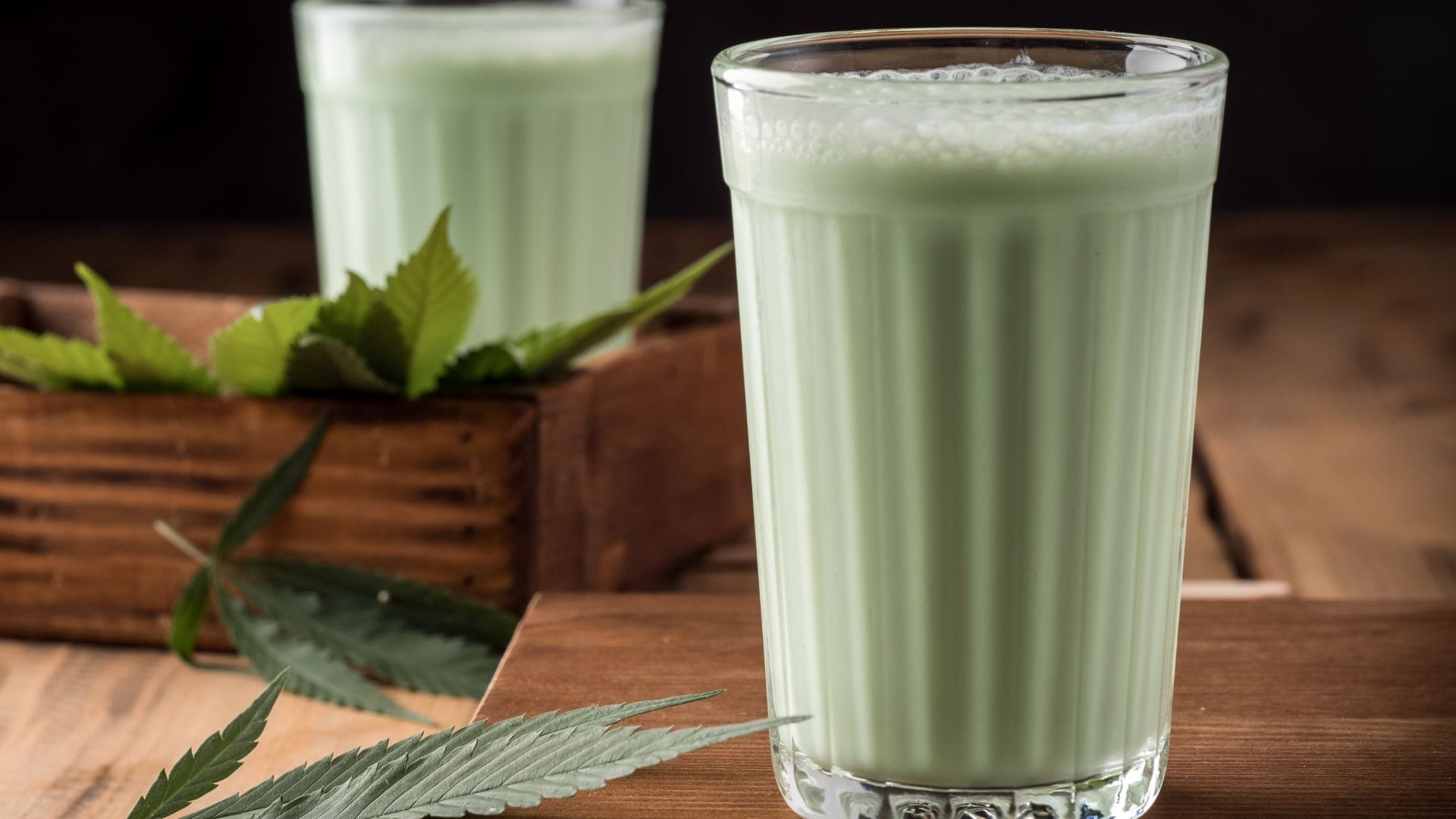
In this article, we explore some Indian recipes for making bhāṅg, a preparation of cannabis for eating or drinking, which has a long history of use in South Asia. In other cultures, in north Africa and the Middle East, for example, there is also a long history of using edible cannabis in drinks, sweets and confections. Cannabis edibles are not at all a new phenomenon!
Use of Bhāṅg in India
The recreational and medicinal use of cannabis began in India about 1,000 years ago. Before the Portuguese introduced tobacco and smoking culture to India, around 1600 CE, cannabis was only eaten or mixed with water, milk or yoghurt and drunk. Edible cannabis is generally known as bhāṅg (or siddhi in Bengal), and using it is still a common way to get high in South Asia. The traditional use of bhāṅg is much more prevalent in north India and less common in the south.
Besides the daily or occasional use of bhāṅg in north India by workers and others, during Hindu religious festivals (of which there are many)—such as Mahāśivarātri, Durgā Pūjā, Divālī and Holī—many folks, both old and young, will eat bhāṅg. Bhāṅg is particularly associated with the worship of the great god Śiva and consequently has religious connotations. In the late 19th century—and before prohibition, which began in 1986—it was also not uncommon in some regions for bhāṅg to be served at weddings, funerals or other family events (Bey and Zug 2004:83–92, citing Indian Hemp Drugs Commission Report, 1893–1894).
Legality in India
Bhāṅg is made at home but is also still available in some holy towns, such as Banaras, from licensed government shops. In these shops, small balls (golīs) of bhāṅg are sold openly, while gāñjā (smokeable marijuana buds), which has been illegal in India since 1986, is often sold under the counter, in small, paper packets. Bhāṅg is usually made from the less potent, lower leaves of the plant, though sometimes resinous buds are also processed into bhāṅg.
Making Bhāṅg
To make bhāṅg, the leaves are harvested, dried and then pounded either in a large mortar and pestle or on a stone tablet using a large rolling pin. These days people often use electric mixers instead, which speeds up the process. Water, spices and either milk or yoghurt are gradually added to the mashed leaves. After a long period of pounding, which may last an hour or more (if a machine is not used), the mashed mixture is made into small, green balls. A ball of bhāṅg may be eaten raw or mixed into a drink with additional water or yoghurt.

The Effect of Bhāṅg
The effect of eating cannabis as bhāṅg is slightly different to smoking it, as it takes forty-five minutes to an hour for bhāṅg to take effect, after which the high usually continues for three or four hours. The effects of smoking begin after a few minutes and generally subside after an hour or two. As the lower leaves of the cannabis plant tend to contain proportionally more CBD and less THC (the chemical that provides the "high"), the effect of bhāṅg is usually slightly more of a "body hit" than when high-quality resin is smoked or eaten. The adventurer who eats more than one ball of bhāṅg may find himself or herself "pinned to the floor," until a deep sleep ensues. Cannabis edibles should only be consumed after paying closer attention to dosage. You don't need too much!
Common Preparations of Bhāṅg
Recipes for making bhāṅg are numerous, though the formulas and ingredients are generally quite similar. Some preparations are well known. Bhāṅg lassī is a drink containing cannabis (bhāṅg) and yoghurt with sugar and water. Ṭhaṇḍāī (meaning "cooling") is a drink of milk and bhāṅg, to which sugar and almonds are usually added. Bhāṅg is also sometimes added to ice cream (harī kulfī: "green ice cream"). In some parts of India, notably in Bengal before cannabis was partly criminalized, bhāṅg/siddhi used to be commonly mixed with sugar, butter, flour and milk and made into inebriating sweets (mājūn), as observed in the 1830s by the Irish pioneer of the medicinal use of cannabis, Dr. William Brooke O’Shaughnessy (Dutt and King 1972).
Commenting on customs in the Himalayas in the 1970s, Sharma (1977:207–209) describes the preparation of bhāṅg in the form of pakauḍā (deep-fried flour and vegetable snacks), parāṃṭhā (stuffed chapattis) mājūn, and halvā (bhāṅg mixed with honey and other ingredients).
Bhāṅg is also sometimes an ingredient of lozenges contained in small sachets sold as "pick-me-ups" at pān (betel nut) stalls in India. These products are also occasionally concocted with small quantities of other drugs (Mills 2013:55), such as opium, alcohol or even datura (dhatūrā), which contains the dangerous deliriant, scopolamine.
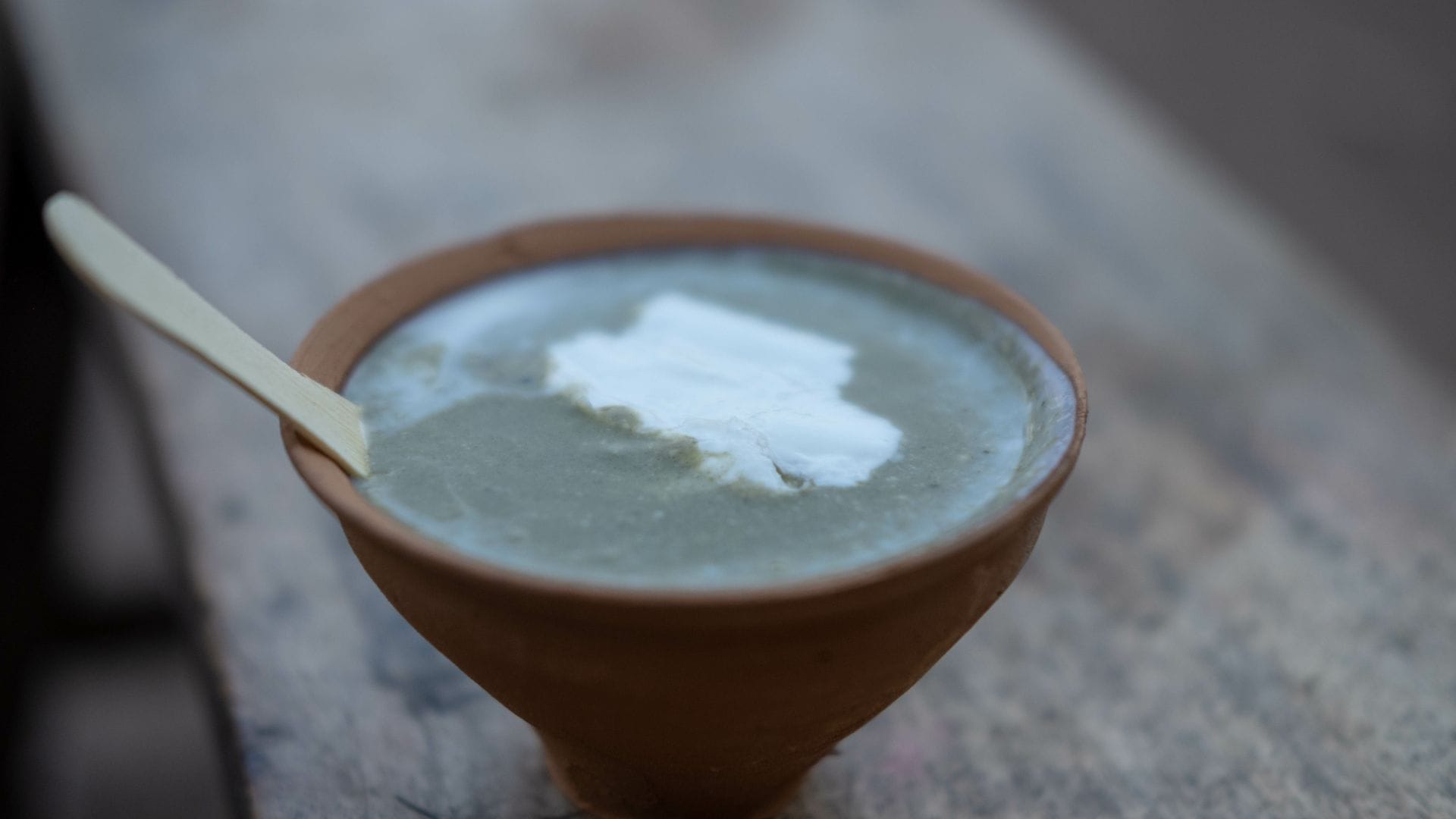
Recipes for Bhāṅg in Mainstream News
Detailed below, from several Indian websites, are the ingredients for several bhāṅg preparations in the form of drinks. Further details are provided on the websites. You will see that the recipes are generally quite similar, using a standard range of ingredients.
Recipes for bhāṅg, such as those below, are promoted, even in mainstream national newspapers, during major Hindu festivals, especially for Holī (which will occur on 8th March in 2023).
1. Archana's Kitchen
Start with 1 litre of full-fat milk, a few strands of saffron, and 3/4 cup of sugar.
Ingredients for Bhāṅg Ṭhaṇḍāī
2 tablespoons of poppy seeds, 1 tablespoon of sesame seeds, 1/4 cup of blanched almonds, 1 teaspoon of black peppercorns, 3 cardamom pods, 1 tablespoon of bhāṅg paste.
Grind up all the ingredients for bhāṅg ṭhaṇḍāī. Bring milk to the boil and add all the ground-up ingredients, and also sugar, saffron and the bhāṅg. Stir well and then allow the mixture to cool. Then refrigerate for five or six hours.

2. India Times
Grind bhāṅg leaves together with sugar in a mortar and pestle. Then boil the crushed leaves and sugar with vegetable oil and simmer for fifteen minutes. Then cool the mixture and strain out the water and "woody" bits through a muslin cloth. This is how to make bhāṅg paste.
Ingredients for Bhāṅg Ṭhaṇḍāī
1/4 cup of almonds, 1/4 cup pumpkin seeds, 1/4 cup watermelon seeds, 1/4 cup cantaloupe seeds, 1 teaspoon of black peppercorns, 1/2 cup of water, 2 teaspoons of sugar, 8 cups of milk.
Blend all ingredients to a thick paste. Add sugar and milk and refrigerate for an hour. Then mix the bhāṅg paste with the ṭhaṇḍāī for more than a minute. Serve with ice cubes.
Bhāṅg Lassī
Bhāṅg, 1/4 cup blanched pistachios, 21/2 cups of yoghurt, 2 teaspoons of whipped cream, 2 teaspoons of khus syrup (made from kuśa grass).
Grind the pistachios finely, and then blend with the bhāṅg paste. Add the yoghurt, cream and khus syrup and blend for another two minutes.
Bhāṅg Masālā Chai
2 cups of water, 1 cup of milk, 1/4 cup of sugar, 1-inch cinnamon stick, 6 cloves, 6 green cardamom pods, 1 teaspoon of freshly minced ginger, 1 teaspoon of oil.
Grind up bhāṅg leaves. Boil the bhāṅg together with all the other ingredients (above) and then simmer for 15 minutes. Then cool and strain the concoction. To the concoction add half and half cream and strained tea, and reheat to drink.
3. Sify Bawarchi
Link here
Ingredients for a Bhāṅg Drink
11/2 cups of water, 21/2 cups of warm water, 1 tablespoon of blanched and chopped almonds, 1 tablespoon of chopped pistachios, 1/4 tablespoon of poppy seeds, 1/4 tablespoon of melon seeds, 1/4 tablespoon of aniseed (sauṅf), 1/4 teaspoon of cardamom powder, 1/4 cup of dried rose petals, 1 teaspoon of rosewater, 1/4 teaspoon of (black) peppercorns, 1/8 teaspoon of ginger powder, 1/8 teaspoon of cinnamon powder, 1/2 – 3/4 cup of sugar, 15 gms of cannabis leaf and bud.
Remove the sticks and seeds from the cannabis and wash thoroughly. Boil water in a pot. Add all the ingredients except for the milk and sugar. Simmer for 10 minutes. Strain the liquid and put it aside. Then grind the mixture in a mortar and pestle with 1–2 tablespoons of milk. Then strain through a muslin cloth. Repeat the previous two steps until 1 cup of milk has been used. Allow the residue to become dry. Mix with the extracted milk with the boiled water and then add the remaining milk and sugar. Chill for 2–3 hours and then serve.
4. Indian Food Forever
Link here
Ingredients for Bhāṅg Ṭhaṇḍāī
11/2 litres of water, 11/2 cups of sugar, 1 cup of milk, 1 tablespoon of almonds, 1 tablespoon of watermelon or cantaloupe melon seeds, 1/2 tablespoon of poppy seeds, 1/2 tablespoon of aniseed, 1/2 tablespoon of cardamom powder, 1 teaspoon of black peppercorns, 1/4 cup of dried or fresh rose petals, bhāṅg.
Put the water and sugar in a pan, mix and let soak for 2 hours. In a separate bowl soak all other ingredients in 2 cups of water for a minimum of 2 hours. Then grind the soaked ingredients into a fine paste. Mix the paste with the remaining water and then strain through a muslin cloth. Allow the strained mixture to dry and then add milk, cardamom powder and the sugar water. Chill in the refrigerator and then serve with added chopped almonds.
5. NDTV (Food)
Link here
Ingredients for a Bhāṅg Drink
11/2 litres of water, 11/2 cups of sugar, 1 cup of milk, 1 tablespoon of almonds, 1 tablespoon of cantaloupe or watermelon seeds, 1/2 tablespoon of aniseed (sauṅf), 1/2 teaspoon of cardamom powder, 1/2 teaspoon of rosewater (optional), 1 teaspoon of whole (black) peppercorns, 1/4 cup of dried or fresh rose petals.
Add sugar to a litre of water. Wash and clean all the ingredients apart from the cardamom. Soak the ingredients in the remaining 1/2 litre of water and leave aside to stand for at least 2 hours. Grind the soaked ingredients in a grinder to a paste. Then mix with the remaining water. Then strain through a muslin cloth, pressing with one's hands. Add more water and repeat the process. Allow to dry, then mix the milk, sugar and rosewater. Chill and serve.
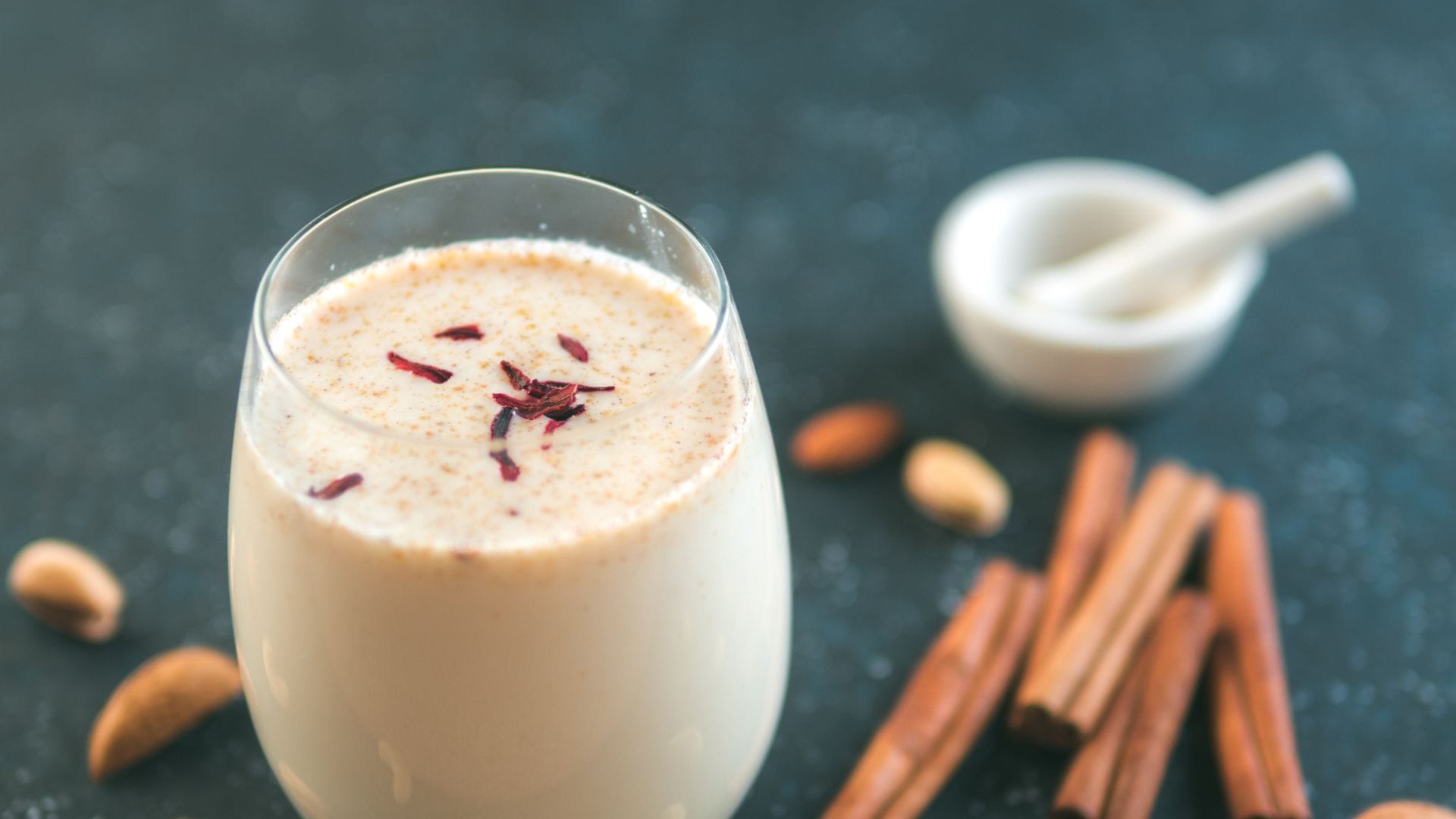
6. The Sentinel
Link here
Ingredients for Rājasthānī Bhāṅg Ṭhaṇḍāī
1 litre of full-fat milk, 1/2 cup of sugar, 10–12 black peppercorns, 20 white peppercorns,
a few strands of saffron (kesar), 1/4 cup of almonds, 2 tablespoons of poppy seeds (khaskhas), 2 tablespoons of fennel seeds, 2 teaspoons of cardamom powder.
Grind poppy seeds, blanched almonds, peppercorns, fennel seeds, cardamom pods and bhāṅg paste together in a grinder. Bring milk and saffron to the boil in a saucepan. After the milk boils, add the ground mixture and sugar. Blend together. Allow to cool and then refrigerate before serving.
Other Websites with Recipes
Several other websites present very similar recipes for making bhāṅg ṭhaṇḍāī, with the same ingredients as the recipes presented above.
Desi Dakaar
Society for the Confluence of Festivals in India
VinisCookBook
This is a way to have a Happy Holī!
References
Aggarwal, Madhuri (2016). 'Bhang Thandai Recipe'. Archana's Kitchen, 23rd March.
https://www.archanaskitchen.com/bhang-thandai-recipe
Banerji, Rishabh (2015). 'These Easy Bhang Recipes For Holi Will Have You Set In No Time'. India Times, 5th March.
https://www.indiatimes.com/culture/food/these-easy-bhang-recipes-for-holi-will-have-you-set-in-no-time-230716.html
Bawarchi, Sify (2021). 'Bhang recipe'. Bawarchi.com
https://www.bawarchi.com/recipe/bhang-oesxphcbgiehf.html
Bey, Hakim, and Abel Zug (eds.) (2004). Orgies of the Hemp Eaters: Cuisine, Slang,
Literature & Ritual of Cannabis Culture. Brooklyn, NY: Automedia.
Dutt, Uday Chand, and George King (1972) [1967]. 'Sanskrit Sources'. In George Andrews and Simon Vinkenoog (eds.), The Book of Grass: An Anthology of Indian Hemp, pp. 25–27, Harmondsworth, U.K.: Penguin Books, Ltd.
Indian Food Forever (2022). 'Bhang Thandai Recipe'.
https://www.indianfoodforever.com/holiday-recipes/holi/bhang-thandai.html
Indian Hemp Drugs Commission Report [IHCR] (1893–1894), 7 vols. Simla/Calcutta:
Government of India Stationary Office.
James H. Mills (2013). Cannabis Nation: Control and Consumption in Britain, 1928–2008. Oxford: Oxford University Press.
NDTV Food (2022). 'Bhaang Recipe'.
https://food.ndtv.com/recipe-bhaang-218882
[The] Sentinel (2022). 'Holi 2022 Is Here; This Is How You Can Make Bhang Thandai At Home'. The Sentinel, 12th September.
https://www.sentinelassam.com/life/holi-2022-is-here-this-is-how-you-can-make-bhang-thandai-at-home-583161
Shah, Karishma (2016). 'Bhang Recipe: How to Make Bhang Ki Thandai at Home'. Desi Dakaar.
https://www.desidakaar.com/bhang-recipe/
Sharma, G. K. (1977). 'Cannabis Folklore in the Himalayas'. Botanical Museum leaflets,
Harvard University, vol. 25(7), pp. 203–215.
Society for the Confluence of Festivals in India (2022). 'Bhang Recipes'. Holifestival.org.
https://www.holifestival.org/bhang-recipes.html
Tiwari, Naitik (2022). 'Bhaang Lassi'. Vaya.
https://vaya.in/recipes/details/bhaang-lassi/
TNN (2021). 'Bhang Thandai Recipe'. Times of India, 8th March.
https://recipes.timesofindia.com/beverage/cocktails/bhang-thandai/rs54719803.cms
Vini (2019). 'How to Make Bhang½Bhang Thandai'. VinisCookBook.
https://www.viniscookbook.com/how-to-make-bhang/


