

There's still time to bag a great deal on Autoflowering seeds this May. Hop over to the Seedsman promotions page for more details, then shop for bargains galore!
Hello, fellow growers! It's Jorge Cervantes here, and I'm thrilled to share some expert tips on maximizing yields from autoflowering cannabis.
With more than 40 years in cannabis cultivation, I've seen firsthand how these unique strains can revolutionize your grow. Autoflowers are known for their quick turnaround and resilience, but achieving high yields requires some specialized knowledge.
Let's dive in and make the most out of your autoflowering cannabis plants.
Understanding Autoflowering Cannabis
Autoflowering cannabis strains are a game-changer. Unlike photoperiod strains, which depend on light cycles to flower, autoflowers' transition from the vegetative stage to flowering is based on age. This means they flower automatically, regardless of the light cycle, making them an excellent choice for beginners and those looking for a faster harvest.
Advantages of Growing Autoflowers
- Speed: Autoflowers typically go from seed to harvest in 8-12 weeks.
- Size: They are usually smaller and more discreet, ideal for limited space.
- Resilience: These strains are hardy and can withstand various environmental conditions.
Choosing the Right Autoflower Seeds
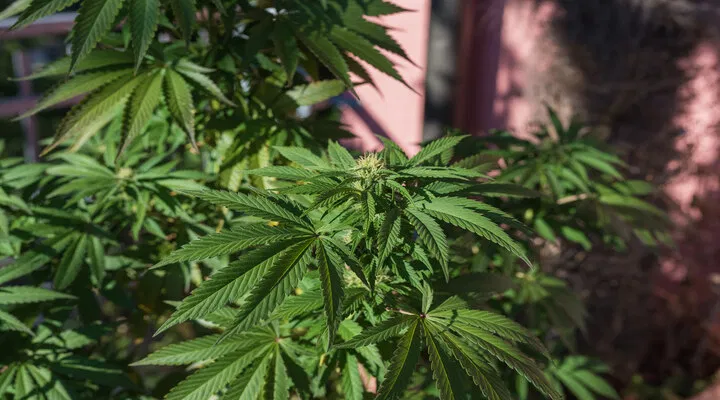
Selecting the right seeds is crucial for maximizing yields. Here are some factors to consider:
- Genetics: Look for reputable breeders known for high-yielding strains.
- Strain Characteristics: Consider factors like THC/CBD content, growth patterns, stress and disease resistance.

Recommended High-Yielding Autoflower Strains
- Northern Lights Auto: Known for its robust yields and ease of growth.
- Amnesia Auto: Offers high potency and generous yields.
- Sour Diesel Auto: A favorite for its flavor and substantial harvests.
Optimal Light Schedule for Autoflowers
Light is a critical factor in the growth and yield of autoflowers. While they don't rely on light cycles to flower, proper lighting can significantly boost their growth.
Ideal Light Schedules
- Seedling Stage (0-2 weeks): 18-24 hours of light per day.
- Vegetative and Flowering Stages: 18-20 hours of light per day for maximum growth.
For an in-depth look at lighting for autoflowers, check out my article on light schedules for autoflowering cannabis.
Soil and Nutrient Management
The suitable substrate and nutrients can make a difference in your yields.
Best Soil Types
- Light, Aerated Soil: Autoflowers thrive in well-draining soil that allows roots to breathe.
- Soil Mix Recommendation: A mix of 1/3 potting soil, 1/3 peat moss, and 1/3 perlite works well.

Nutrient Requirements
- Seedling Stage: Use a mild, balanced nutrient mix.
- Vegetative Stage: Increase nitrogen for leafy growth.
- Flowering Stage: Higher phosphorus and potassium to support flower development.
Watering Techniques
Proper watering is essential to avoid common problems like root rot or nutrient lockout. You can choose between manual watering and automattic irrigation.
Tips for Watering Autoflowers
- Avoid Overwatering: Water when the top inch (2.5cm) of soil feels dry.
- Check pH Levels: Maintain a pH of 6.0-7.0 for soil.

Temperature and Humidity Control
Maintaining optimal environmental conditions can enhance plant health and yields.
Ideal Conditions
- Temperature: 70-85°F (21-29°C) during the day, slightly cooler at night.
- Humidity: 40-60% during vegetative stage, 40-50% during flowering.
Training Techniques for Higher Yields
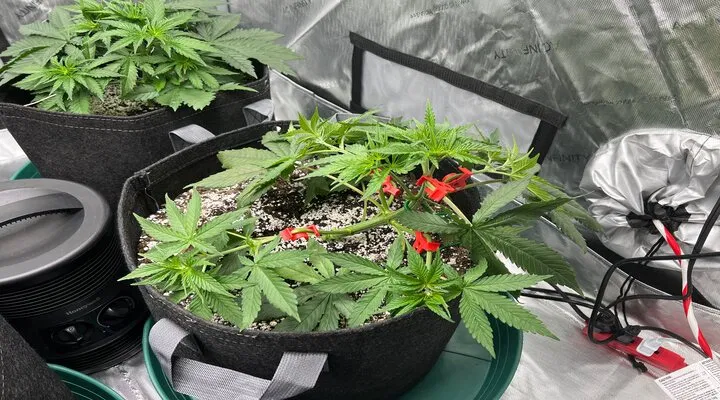
Training techniques like low-stress training (LST) can significantly increase yields by improving light penetration and airflow.
Low-Stress Training (LST)
- Method: Gently bend and tie down branches to create an even canopy.
- Benefits: Increases light exposure to lower bud sites, promoting uniform growth.
Pest and Disease Management
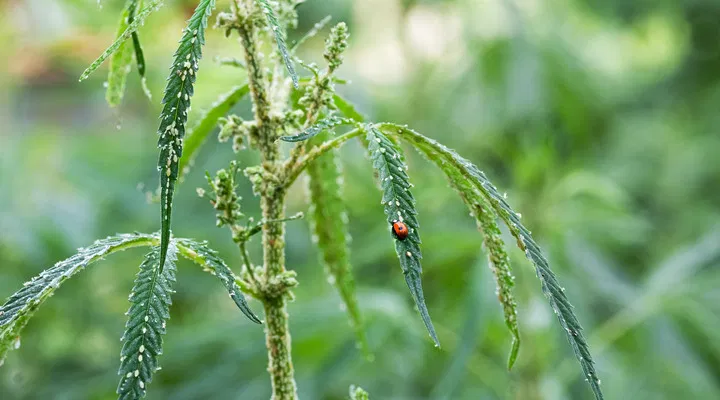
Keeping your plants healthy involves proactive pest and disease management.
Common Pests and Diseases
- Pests: Aphids, spider mites, and whiteflies.
- Diseases: Powdery mildew and bud rot.
Preventative Measures
- Organic Solutions: Use neem oil or insecticidal soap for pests.
- Good Practices: Maintain cleanliness and proper airflow in your grow space.
Harvesting Techniques
Knowing when and how to harvest is vital to maximize potency and yield.
Signs of Readiness
- Trichome Color: Harvest when trichomes are milky white with some amber.
- Pistils: Look for 70-80% of pistils to change to a rusty brown color.

Harvesting Steps
- Cut Down the Plant: Trim off fan leaves first.
- Drying: Hang branches in a dark, well-ventilated area for 7-10 days.
- Curing: Place dried buds in airtight jars, burping daily for the first week.

Personal Insights and Tips from Jorge Cervantes
Over the years, I've seen that the small details often make the most significant difference. During my underground guerrilla growing years, I learned the value of stealth and resilience. Traveling across five continents, I saw how different environments could impact growth. My key tip: always observe and adapt. Every growth is a learning experience.
Encouraging Community Engagement
Please share your experiences and questions in the comments section. Let's build a community of knowledge and support. Your insights and queries help us all grow better together.
Conclusion
Maximizing yields from autoflowering cannabis is a rewarding challenge. By following these expert tips, you can significantly improve your results. Remember, the journey of cultivation is as important as the harvest. Embrace the learning process, and don't hesitate to explore more of my work for detailed guides and resources. Find the Cannabis Encyclopedia and We Grow Cannabis for FREE at https://marijuanagrowing.com/. Both books are FREE and available in 11 languages.
Happy growing, and may your harvests be bountiful!
— Jorge Cervantes