
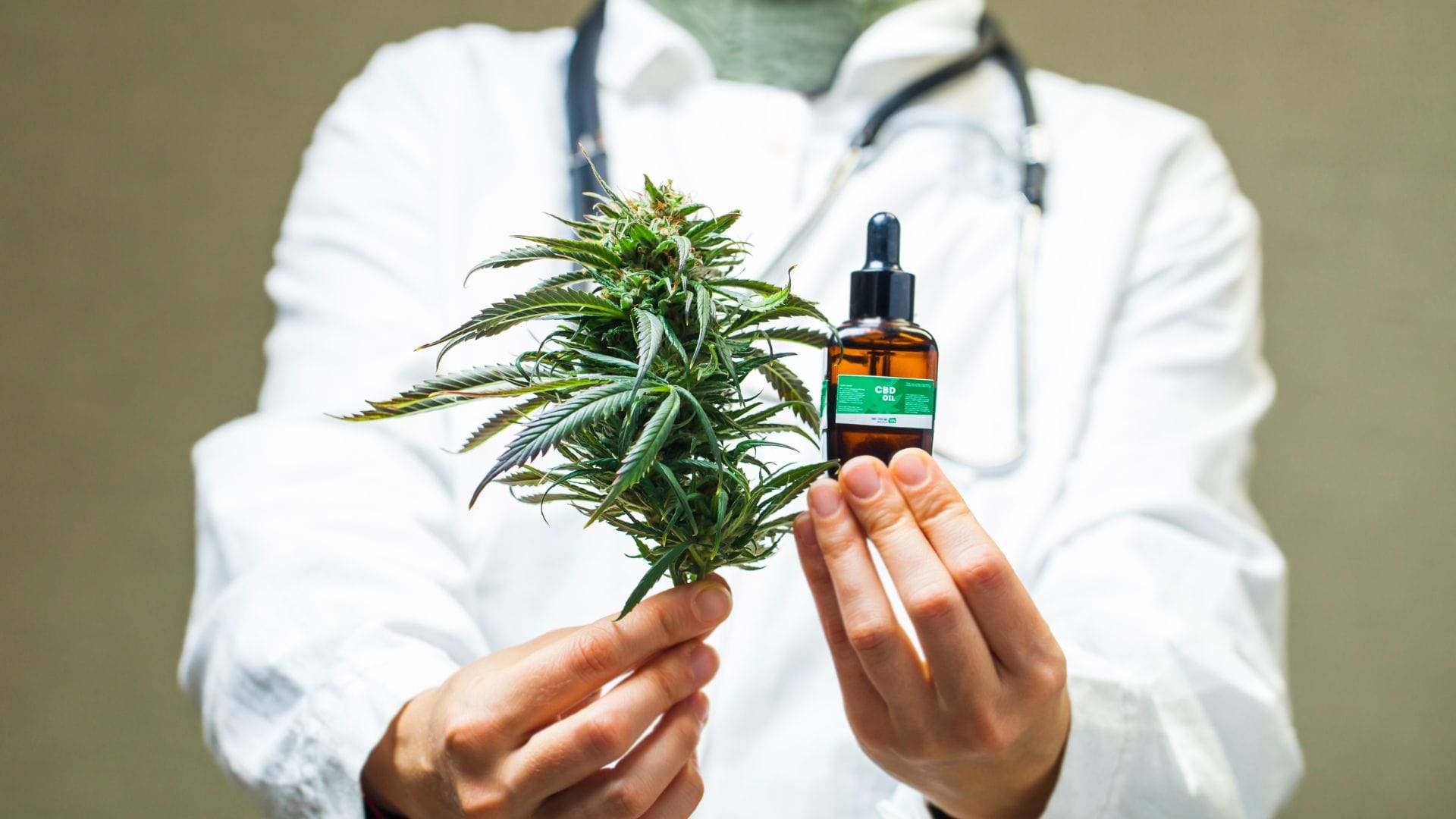
The landscape of medical cannabis has seen remarkable shifts in the past several years, with sweeping changes in legislation and a palpable evolution in public perception. This has been most prominent in regions where medical cannabis has been legalized, fostering a burgeoning industry characterized by innovation and rapid growth. In this comprehensive overview, we will explore the cost of medical cannabis in various key markets around the world where its use is legal, and discuss current dispensary trends. We will also touch upon significant legal developments over the last year.
Cost of Medical Cannabis Around the World
United States
In the United States, where the medical marijuana scene continues to enjoy exponential growth in terms of availability, the cost of medical cannabis varies significantly from state to state due to the lack of federal regulation. Dispensaries are reassuringly commonplace in many of these states, and prices are influenced by state taxes, the level of competition, and the maturity of the market in each state. On average, patients might expect to pay around $10-$15 per gram, with some premium strains fetching upwards of $20 per gram. For example, in Honolulu, the average price per gram is around $17, whereas in Detroit, prices may average out at as little as $7 per gram.
Canada
Canada, having legalized cannabis for medical use nationally in 2001 and for recreational use in 2018, has a more standardized pricing structure. Across provinces, the average cost is about CAD 8-12 per gram. The introduction of 'Cannabis 2.0' products such as edibles and topicals has broadened the market, though these products carry a higher price point due to production complexity. Like most places, prices vary depending on the quality of flower, making tallying an average cost a little bit more complex.
United Kingdom
In the UK, medical cannabis was legalized in November 2018. Despite legalization, access remains relatively restricted, and prices are high, averaging at around £12 per gram on a scale anywhere between £7.50-£15 per gram. The private sector largely drives the market due to limited NHS prescriptions, which contributes to the higher costs. It was predicted that, in 2023, the UK would become the second largest market for medical cannabis in Europe.
Germany
Germany is one of Europe's largest markets for medical cannabis, with prices averaging around €10-12 per gram. Health insurance often covers medical cannabis, mitigating the out-of-pocket expenses for patients. The market is well-regulated, ensuring product quality and consistency. In a recent shift, April of 2023 saw Germany announce plans to legalise non-profit and private cannabis cultivation, but it remains to be seen how this will impact prices.
Netherlands
In the country famed for its coffee shops and easy access to cannabis, things recently shifted somewhat after the Nation Health Institute’s 2017 review concluded that there are no health conditions where cannabis can be considered a suitable treatment, citing a lack of clinical data. A number of health insurers have therefore removed cannabis from their policies, leaving an estimated 50,000 medical cannabis users in the country without affordable access. This forces medical users to go down the road of cultivation or coffee shops, leaving them without a standardized product. On that front, similar rules apply to pricing, depending on the quality of product, but consumers can expect to pay around 12-14 Euros per gram.
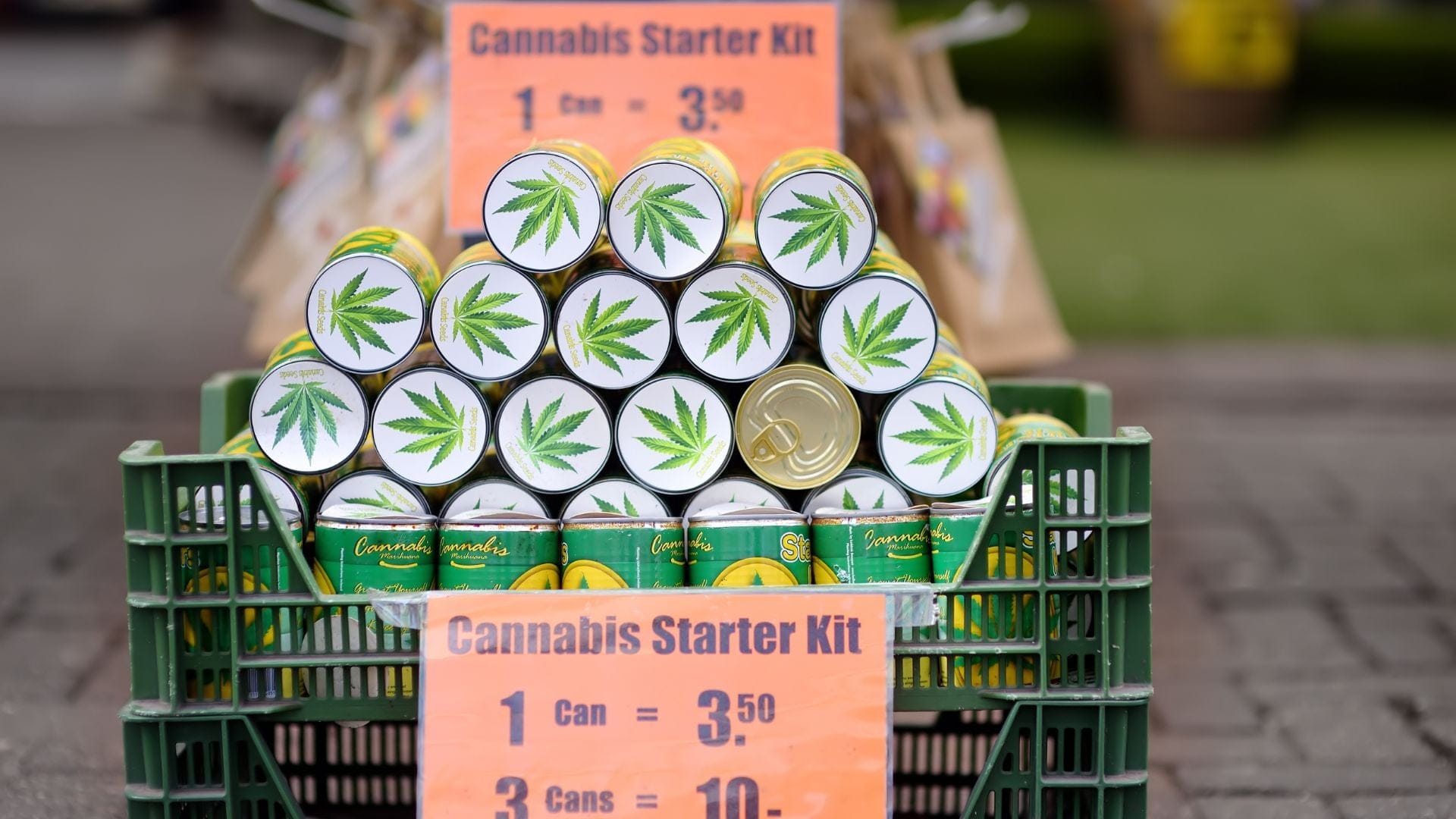
Overall, European consumers will find cost per gram vary between 8-15 Euros, with some of the more elite cannabis strains costing significantly more – as much as double the amount for higher-end varieties.
Thailand
It’s been over a year since Thailand decriminilaized cannabis, but the expected economic boom is yet to take place as the Thai parliament has been slow to pass the cannabis bill, meaning the regulatory framework around the deal remains in a state of limbo. This has led to an influx of foreign cannabis flooding the country, available at around half the cost of local flower. On average, a gram of Thai-grown cannabis flower costs around 300 Baht, approximately US $9, while imported flower sells for around half that figure. In a shocking twist, Thailand's new Prime Minister, Srettha Thavisin, has stated the country will rectify its cannabis policy and limit its use to medical-only.
Australia
Recreational use remains illegal across Australia with the exception of the Australian Capital Territory, but medicinal cannabis use is legal across Australia has been legal since 2016. THC oils can sell for as low as 10 Cents per mg, and cannabis flower will set you back between $13-$20 per gram, depending on brand and THC level.
Trends and Popular Strains
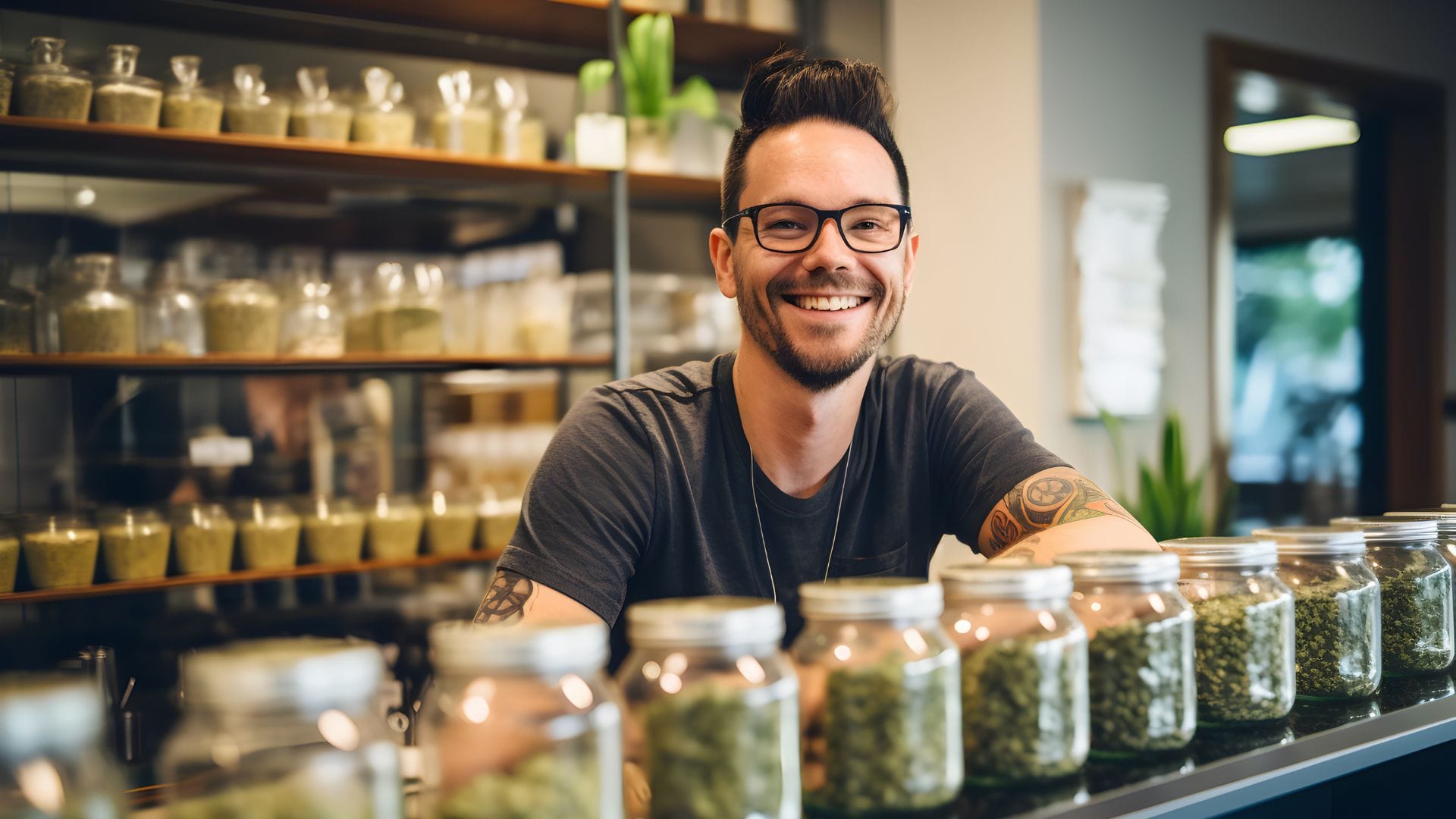
Dispensaries worldwide are increasingly shifting towards a wellness-focused retail model, enhancing the patient experience and providing extensive product information. This includes professional consultations and tailored product recommendations.
Popular strains tend to have a therapeutic profile suited for specific medical conditions. For instance, strains high in CBD, like 'Charlotte's Web' and 'ACDC,' are favored for their anti-inflammatory and anxiolytic effects without a strong psychoactive high. Meanwhile, THC-dominant strains like 'OG Kush' and 'Granddaddy Purple' are chosen for their pain-relieving properties and ability to aid sleep.
Current Dispensary Trends
Product Diversification
Dispensaries are increasingly diversifying their product range to include not just flower, but also oils, tinctures, edibles, and topicals. This expansion caters to a broader range of patients, including those who prefer not to smoke. The effect on consumer prices means that products other than cannabis flower are naturally higher, with oils, tinctures and shatter significantly more expensive – two to three times higher in many cases.
Technological Integration
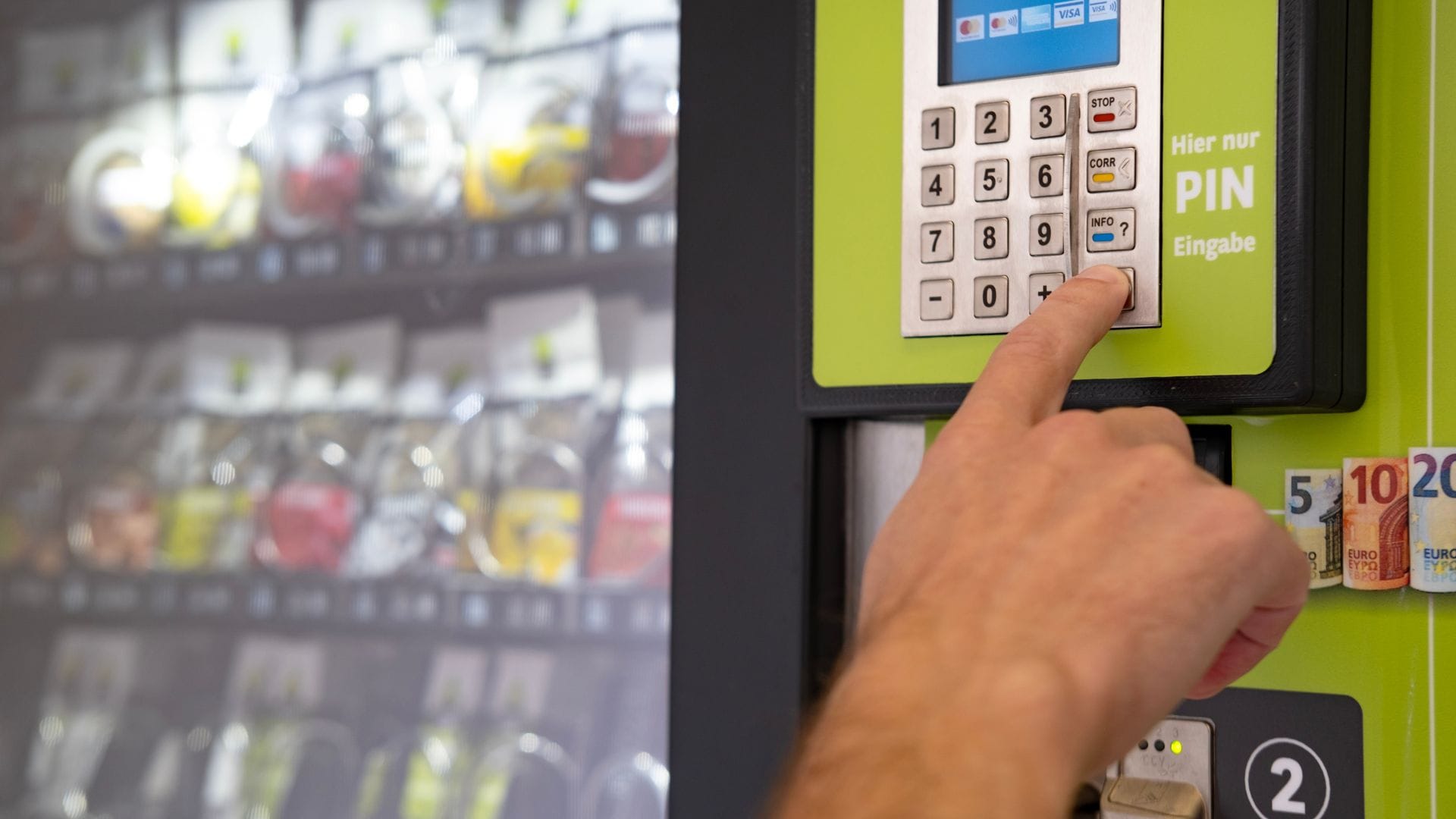
Online platforms for ordering, patient education through apps, and virtual consultations have become commonplace. This trend has accelerated due to the COVID-19 pandemic, with many dispensaries implementing "click-and-collect" or delivery services to accommodate patients.
Emphasis on Education
As the market matures, dispensaries are placing a greater emphasis on education, with trained staff to guide patients on dosing, strain differences, and consumption methods. This has taken a lot of the guesswork out of choosing strains for medicinal use as budtenders are armed with the knowledge to help consumers make informed decisions when choosing dry herb.
Legal and Price Changes in the Last 12 Months
The medical cannabis landscape is in constant flux, with frequent legislative updates and price changes. Notably, in some regions, the introduction of insurance coverage for medical cannabis has significantly affected prices. For instance, in Germany and parts of Canada, patient costs have been alleviated by such coverage, leading to increased accessibility. In the United States, several states have seen legislative changes that impact both accessibility and pricing. The introduction of new products in these markets also tends to temporarily raise prices until production scales meet demand.
Conclusion
The cost and accessibility of medical cannabis vary widely across the globe, influenced by a complex interplay of legislation, market maturity, and public health policies. North America leads with a wide range of products and price points, while Europe follows with a more medically oriented market. Throughout, there is a clear trend towards product diversification, technological integration, and a focus on patient education. As the industry continues to evolve, it is likely that we will see further normalization of prices, improved patient access, and continuous innovation in the types of products available to medical cannabis users. With legal landscapes and market dynamics shifting, the medical cannabis industry promises to be an area of continued growth and change.
Sources for current pricing and trends are typically available through national health services websites, cannabis industry analysis reports, and dispensaries' official platforms. It is recommended that interested individuals review these resources regularly to stay informed on the most up-to-date information in their region.


