
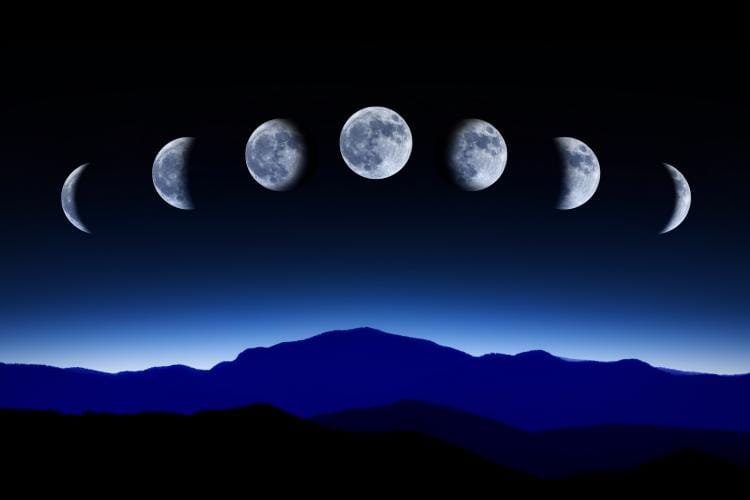
However ridiculous it might sound, a large cohort of green-thumbed cultivators believe the lunar cycle holds some secrets to optimising returns on plants. This is also true of the cannabis community. Although not the voice of the majority, there certainly exists some reports of the lunar cycle coordinating with some nice weed returns. Named things like "lunar gardening" or "moon gardening", it is a practice that is as old as growing itself.
Moon Phases
So, what do they say, and is any of it true? The truth is that solid evidence for this being a measurable, repeatable advantage for growers is pretty thin. At the scientific level, it’s practically non-existent, but there are many reports of people who swear by the advantages.
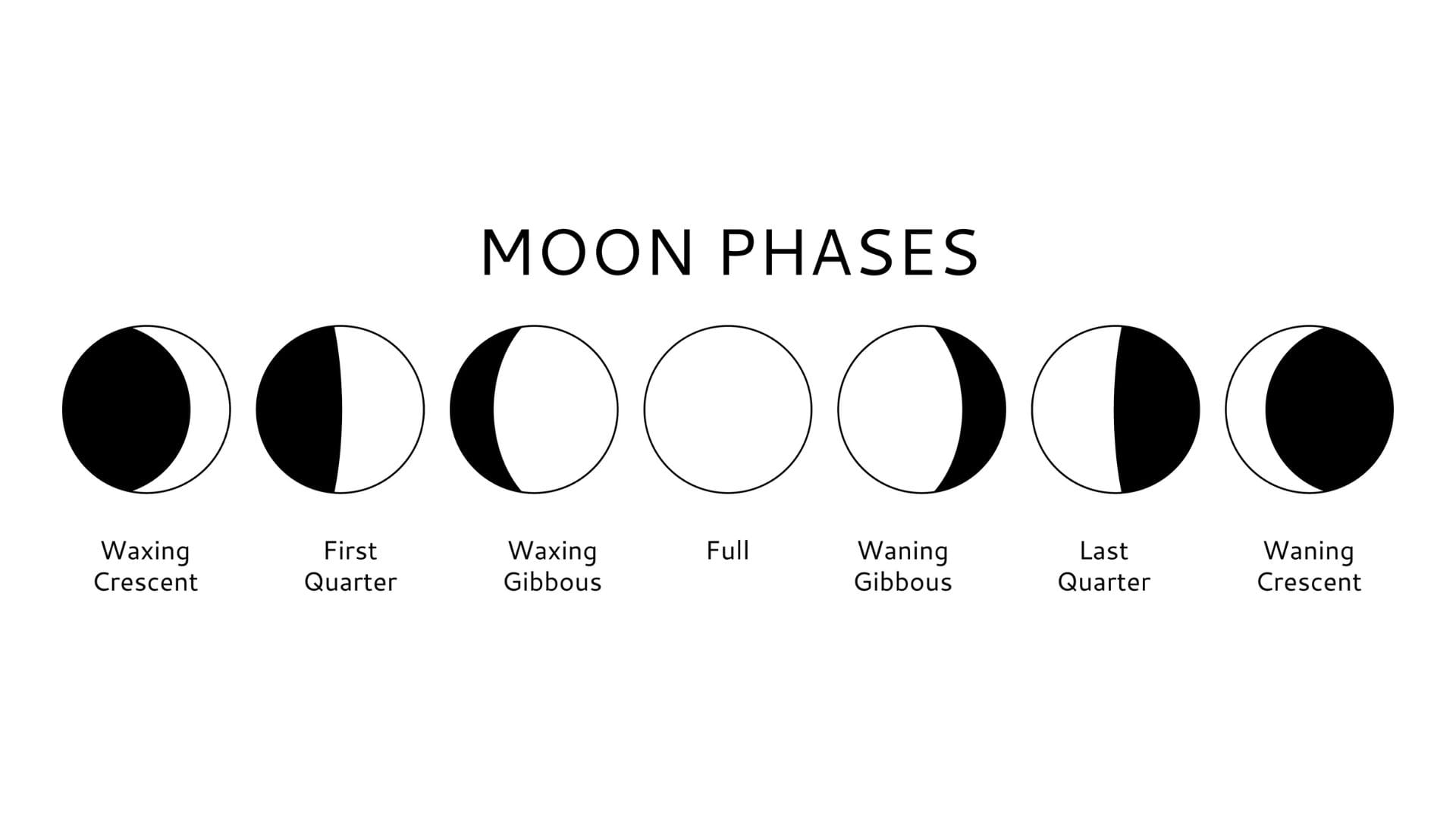
Before looking at the common claims, here are the four main moon phase descriptions.
New Moon:
Not visible from Earth, as it is between the Earth and the sun.
Waxing Moon:
Appears to grow larger each night.
Full Moon:
Fully illuminated, opposite the sun.
Waning Moon:
Begins to shrink in size.
How Are Moon Phases Reported To Influence Plants
New Moon Or Waxing Moon For Planting & Watering:
Some lunar gardeners suggest planting cannabis seeds or taking clones during specific moon phases, such as the new moon or waxing moon, which enhances germination rates or promotes vigorous growth. Although it is unclear why the moon would affect vigour, some reports say enhanced gravitational pull might aid in water transport or keep plants upright. However, the moon’s gravitational pull fluctuates daily. Although the moon is less visible, it does not reduce its gravitational pull. If this argument is used, it would be more effective to plant according to the time of day rather than the time of month.
Waning Moon For Pruning:
Some people will adjust pruning schedules based on moon phases. They believe pruning during the waning moon is for better regrowth. Whilst no logic is provided for why this works, any observed differences must factor in the time of the year and the sun's position. Again, because plants work off a primary daily circadian clock, it is more likely that any advantages to pruning would be due to the time of day, as water transport and gas exchanges also ebb and flow during a 24-hour period.
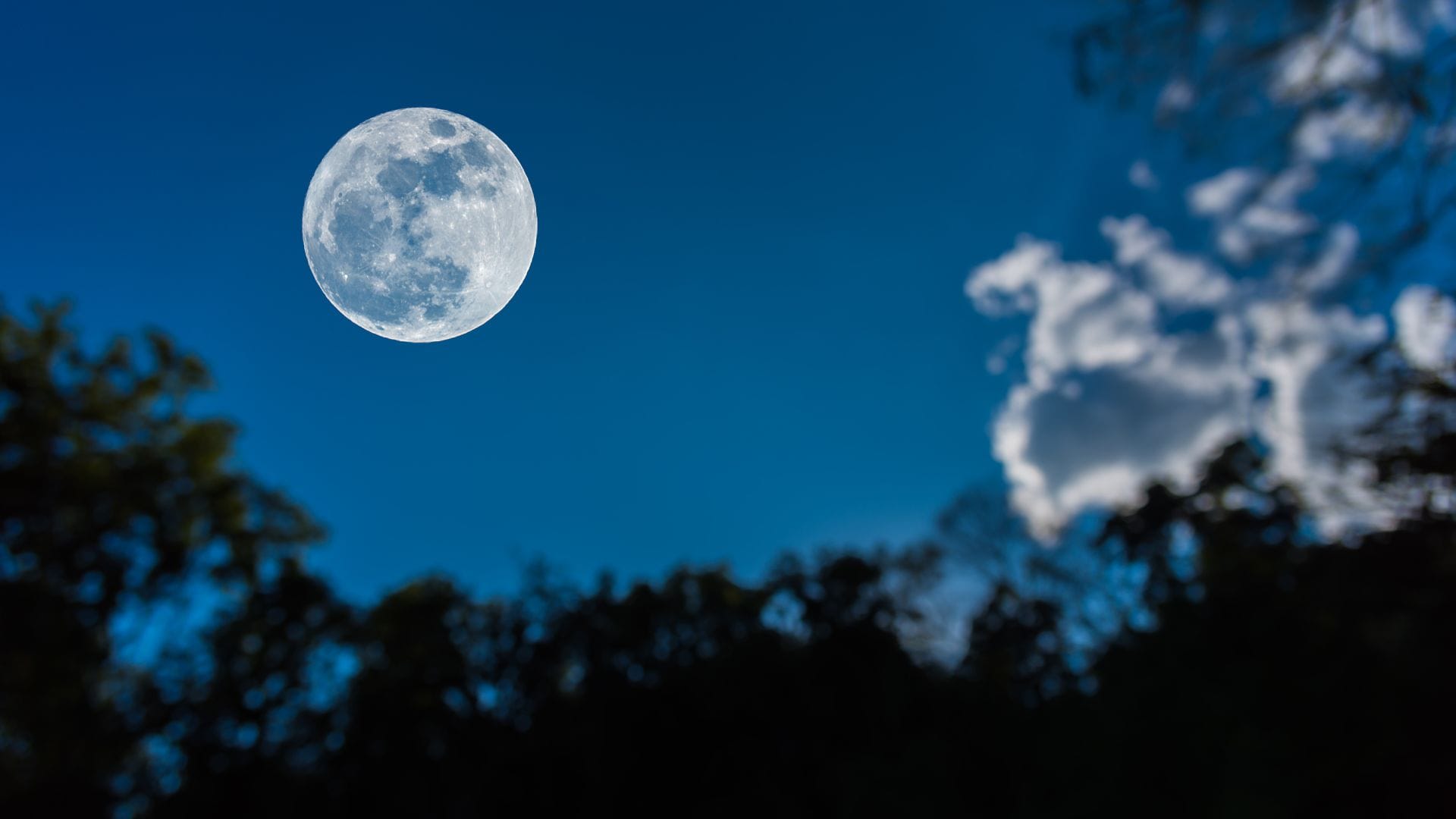
Full Moon For Harvest:
It is often said that a full moon is great for plant harvesting. Some report better quality medicinal plants if harvested under a full moon. In addition, lunar growers claim to get more flower production and enhanced flavour and taste during the full moon. One of the common themes of these claims is gravity’s influence, as mentioned above and the increased ‘energy’ of living things during the full moon. Again, no objective evidence suggests these claims are due to the moon.
Harvesting at the right time includes many considerations; if the plant isn’t quite ready, harvesting under the full moon two weeks early isn’t going to bring you the gains that would be achieved if you left it two weeks and harvested when the plant was ready, irrespective of moon phase.
From The Unlikely To The Improbable
Lunar Zodiac Signs:
The notion that the moon's position within zodiac signs can impact cannabis plant characteristics and effects lacks empirical support and is grounded primarily in traditional and cultural beliefs. The purported influence of zodiac signs on plant biology lacks a scientific basis, and the mechanisms underlying any potential effects remain largely unexplored.
The subjective nature of associating specific traits or qualities with zodiac signs poses a significant challenge to scientific inquiry. The lack of standardised and objective criteria for assessing the influence of zodiac signs on cannabis plants further undermines the validity of such claims. Including the natural variance of plants themselves and their reaction to their microenvironment makes standardisation harder. Additionally, the wide variation in individual interpretations of zodiac signs and their alleged effects on plant biology adds to the inconsistency and subjectivity of this approach.
To date, scientific investigations have not substantiated the impact of zodiac signs on cannabis plant characteristics or effects. The limited empirical evidence available fails to demonstrate a causal relationship or provide a reliable framework for incorporating zodiac signs into cannabis cultivation practices.
Conclusion
In light of these considerations, it is crucial to approach the association between zodiac signs or lunar cycles and cannabis plant traits with scepticism. Relying on rigorous scientific methodologies, controlled experiments, and evidence-based horticultural practices remains essential for advancing our understanding of cannabis cultivation.
While lunar gardening has historical significance, the scientific evidence remains limited. Relying on established cultivation practices, horticultural knowledge, and plant-specific requirements is the most reliable approach for successful plant growth and harvest outcomes.
The influence of so many other factors, such as weather, time of year, air quality, water quality and so on, have a more significant impact than what part of the moon can be seen. However, it is never good to shut down ideas completely. It's worth repeating that some successful growers swear by it. Therefore it must be considered plausible even in the face of no evidence until conclusively proven otherwise.


