
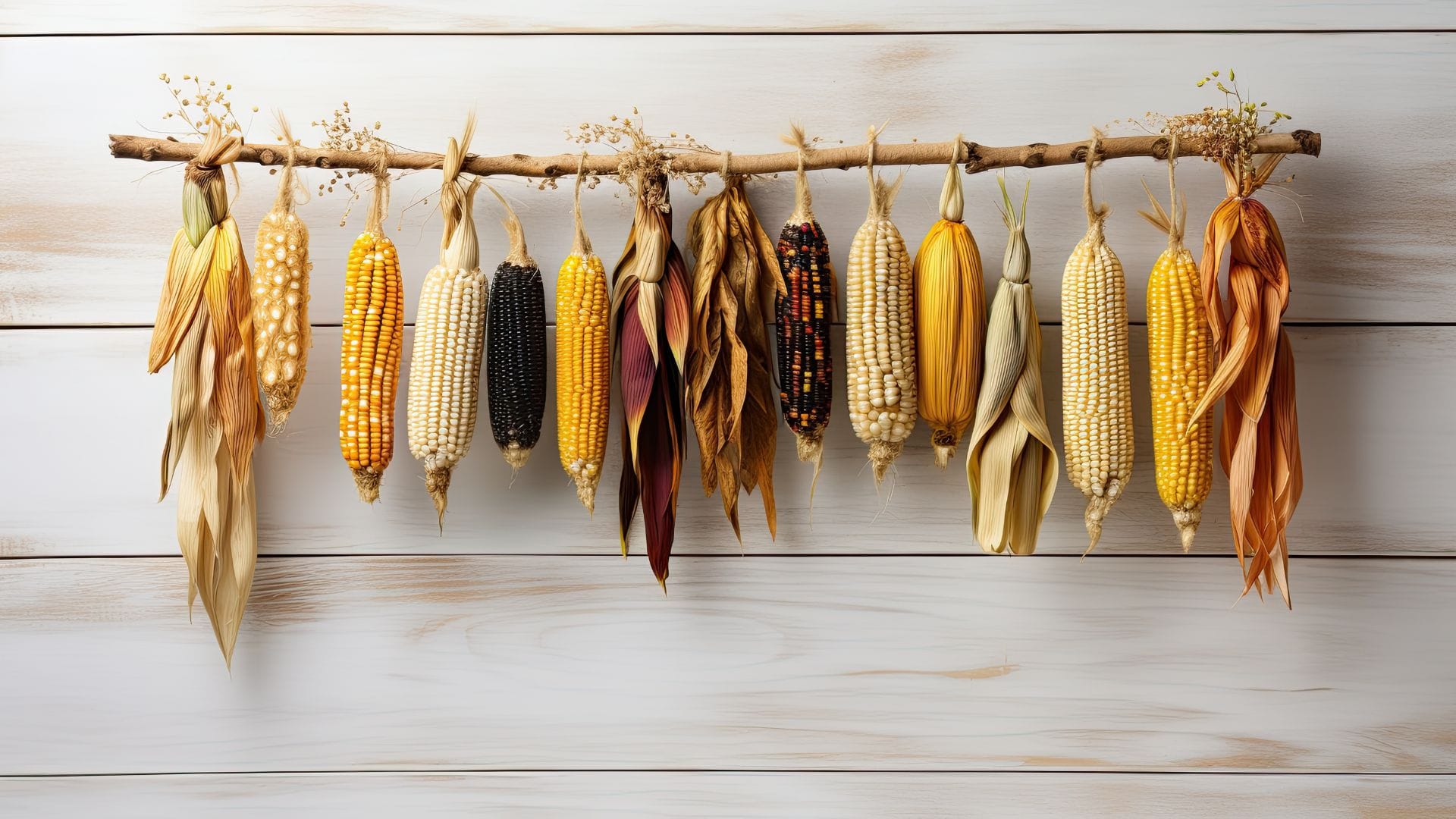

If you’re the type of cannabis enthusiast who reads blogs extensively or browses cannabis forums on the web, you may have come across the term ‘cannabis cob’ and wondered what it refers to. Any visions of corn on the cob this may have invoked are not far from accurate. Originating from traditional practices, a cannabis cob is essentially cannabis flower buds fermented and cured inside a corn husk or, in other cases, banana leaves. It’s better known as Malawi Cob, after the region of Africa where this technique of transporting and curing cannabis has been used for centuries. This traditional method, reminiscent of ancient practices, results in a product with enhanced flavor, aroma, and potentially even potency. The process involves tightly packing the buds in a husk, followed by a natural fermentation phase, often lasting weeks or months.
The Making of a Cannabis Cob
In a bygone era devoid of modern conveniences such as plastic bags and tin roofs, the meticulous preservation of harvests posed a significant challenge for South African growers, especially in maintaining the dryness of the buds and warding off mold. To tackle this, African tribes, leveraging the resources available in their tropical climate, experimented with various natural methods to ensure their cannabis remained viable and potent over extended periods. The quest for optimal preservation led to innovative discoveries that not only maintained but enhanced the quality of the product. These techniques were refined over generations, driven by the tribes' aspiration to achieve a pleasant and enduring cannabis experience. This goal was not just a whimsical pursuit; it was a serious endeavour to avoid respiratory discomfort and persistent coughing. The traditional curing methods they developed resulted in a smooth smoke, sweeter flavor, increased potency, and a more complex terpene profile.

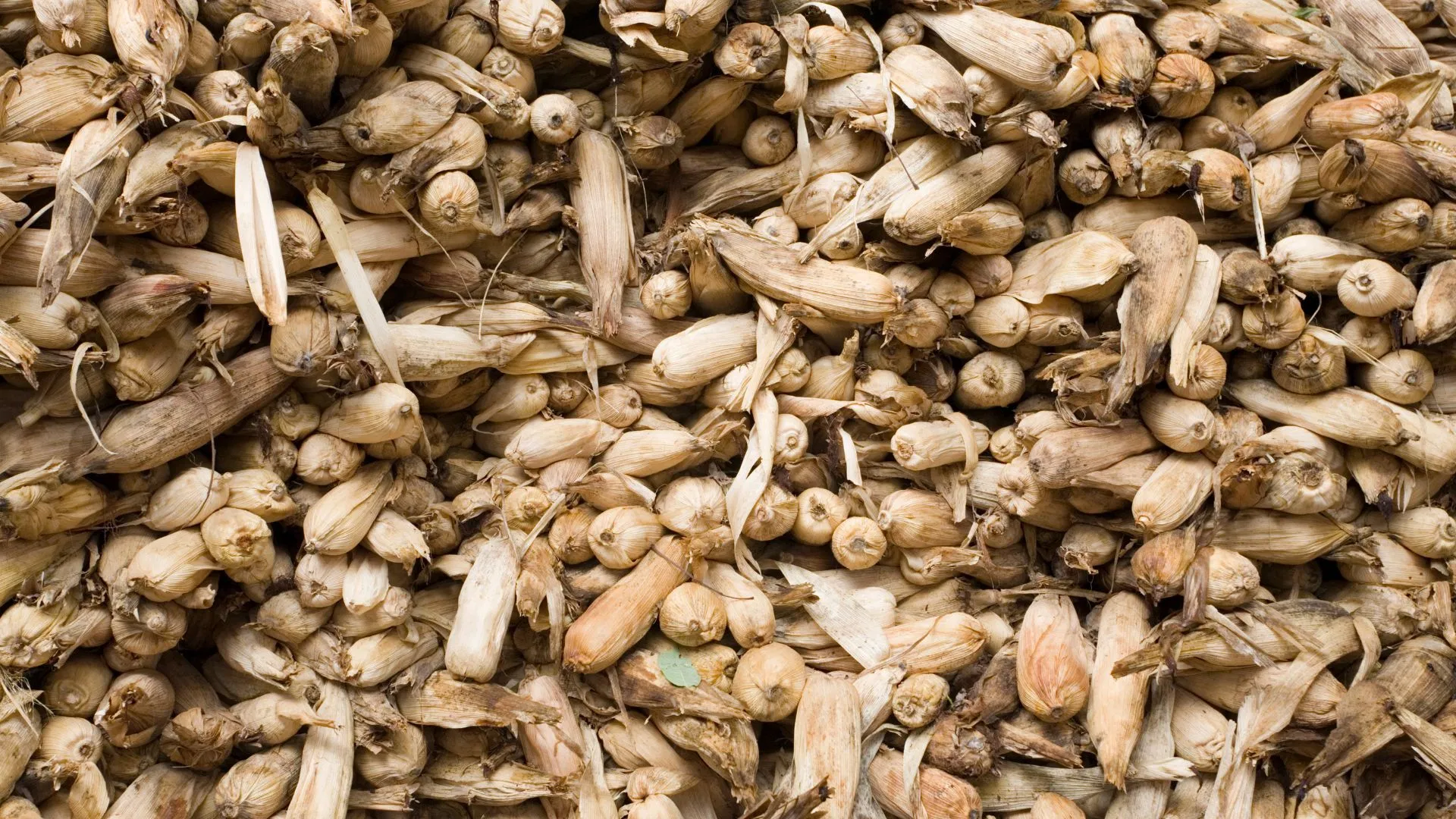
Interestingly, under microscopic examination, this uniquely fermented cannabis reveals a remarkable transformation: the trichomes appear fused together, while the chlorophyll and organic acids have been converted into sugars, a testament to the efficacy of the fermentation process. This clever adaptation by the African tribes not only solved a practical problem but also inadvertently gave rise to a superior cannabis experience — perhaps one of the earliest instances of "going green" in a rather literal sense! The creation of a cannabis cob is a blend of art and science. It starts with selecting high-quality cannabis, which is then placed inside a cleaned corn husk. The husk is tightly bound and stored in a cool, dark place to ferment. This period of fermentation allows for a slow, controlled breakdown of sugars and chlorophyll, which not only improves the flavor but might also increase the levels of certain cannabinoids.
The Science Behind Cannabis Cobs
During fermentation, non-psychoactive THCA is slowly converted to THC, the compound responsible for cannabis's psychoactive effects. This process might enhance the overall potency of the cannabis, making cobs a sought-after product for those seeking a stronger experience.
Recreational Use of Cannabis Cobs
For recreational users, cannabis cobs offer a unique and potent experience. The slow curing process develops a rich, smooth flavor to the final product, often described as more complex than regular buds. Some people chew on a very small amount of the cob for strong euphoric effects.
Medicinal Potential of Cannabis Cobs
In the medicinal cannabis community, cobs are valued for their potential to provide a consistent and potent product. The controlled fermentation process of Malawi-style cob curing might lead to a more predictable cannabinoid profile, which can be crucial for patients relying on specific therapeutic effects.
Cannabis Cobs: A Cultural Artifact
Cannabis cobs are not just about getting high; they're a nod to ancient practices and a celebration of cultural heritage. They represent a bridge between the old world and the new, adding a historical dimension to the cannabis experience. As you’d expect, due to the history of the practice, cobs were traditionally filled with landrace strains. So, the practice and the contents are a testament to the history of cannabis.
Risks and Considerations When Preparing Cannabis Cobs
While cannabis cobs are fascinating, they're not without their risks. If not done correctly, the fermentation process can lead to mold growth, which can be harmful if consumed. Additionally, the enhanced potency may not be suitable for everyone, especially those new to cannabis or with a low tolerance.
How To Make Cannabis Cobs - A Step By Step Guide
Creating a cob the traditional way is a tough task, but there's an easier way to get similar results at home. This process - especially the fermentation and curing - does run the risk of mold developing if moisture is not swiftly dealt with, so it's best to start with a very small amount for your first attempt. You don't don't want to blo an ounce of primo bud if you get it wrong.
Cultivate to Maturity: Grow your cannabis plants until they are fully mature. (Get your hands on some Malawi Gold for added authenticity!)
Harvesting: Once mature, cut the plants at the stem. If you go old school and don't have a shed, lay them on mats. Protect them from direct sunlight with a cloth during the hottest part of the day.
Collect the Dew: Post-harvest, leave the buds outside overnight to absorb the morning dew. For the best quality, repeat this for at least a couple of days. This is nature's way of adding a little extra something to your product.
Select and Prepare Corn Husk (or Banana Leaves): Choose the finest husks/banana leaves (if you're lucky enough to grow your own corn or live in a climate where you can plant your own banana trees, fabulous! Otherwise, the supermarket will have to do). Cut the husks or leaves into appropriate sizes. This is where your inner artisan comes into play!
Forming the Cob: Take the fresh, seedless buds and carefully roll them in the prepared banana leaves. Ensure each cob is tightly packed - the tighter, the better. This isn’t just about making a cob; it’s about creating a masterpiece.
Tighten the Cob: Secure one end of the cob to a sturdy object, like a tree or the central pole of a hut. Now, put your back into it! Use all your strength and body weight to wrap the cob as tightly as possible. This part can be quite labor-intensive, so dig in and just think of it as a mini workout!
Packing the Buds: Use a pestle and mortar for an extra tight pack. Gently pound the buds on the cob, packing them as densely as possible. This step is crucial for achieving that smooth, quality smoke.
Sweat the Buds: This can be achieved by placing cobs in a box for 24-48 hours at a steady temperature of around 40ºC. After this period, dry off your cobs.
Fermentation: Place your cobs in a vacuum-sealed bag in a dark place with a temperature of around 25°C for about a week, to allow adequate fermentation. Regularly check the bag for moisture and dry off to avoid mold formation.
Curing: Store your tightly packed cobs in a cool, dark place to cure as you would with ordinary cannabis. At least two to three weeks curing time is recommended, but some people will allow the cobs a month or more . This is when the magic happens, transforming your hard work into a smooth, flavorful smoking experience. Carry out regular checks for moisture, and remove it as soon as you see it, to avoid the chances of mold.
Enjoy: Once cured, your cannabis cob is ready. Sit back, relax, and enjoy the fruits of your labor. Remember, this isn’t just smoking; it’s savoring a piece of tradition.
In Conclusion
Cannabis cobs are highly intriguing, and seemingly unconventional, but they stand as a testament to the versatility and rich history of cannabis. Whether it's for their potent effects, medicinal potential, or cultural significance, they continue to capture the imagination of the cannabis community. As with any cannabis product, responsible use and an understanding of one's limits are key. So, if you're ready to roll into the world of cannabis cobs after your next harvest, remember: it's not just a product; it's an experience – a time capsule of tradition and a bold statement in the ever-evolving cannabis narrative. Just don't forget to check for mold; after all, not all surprises in a cob are pleasant!