
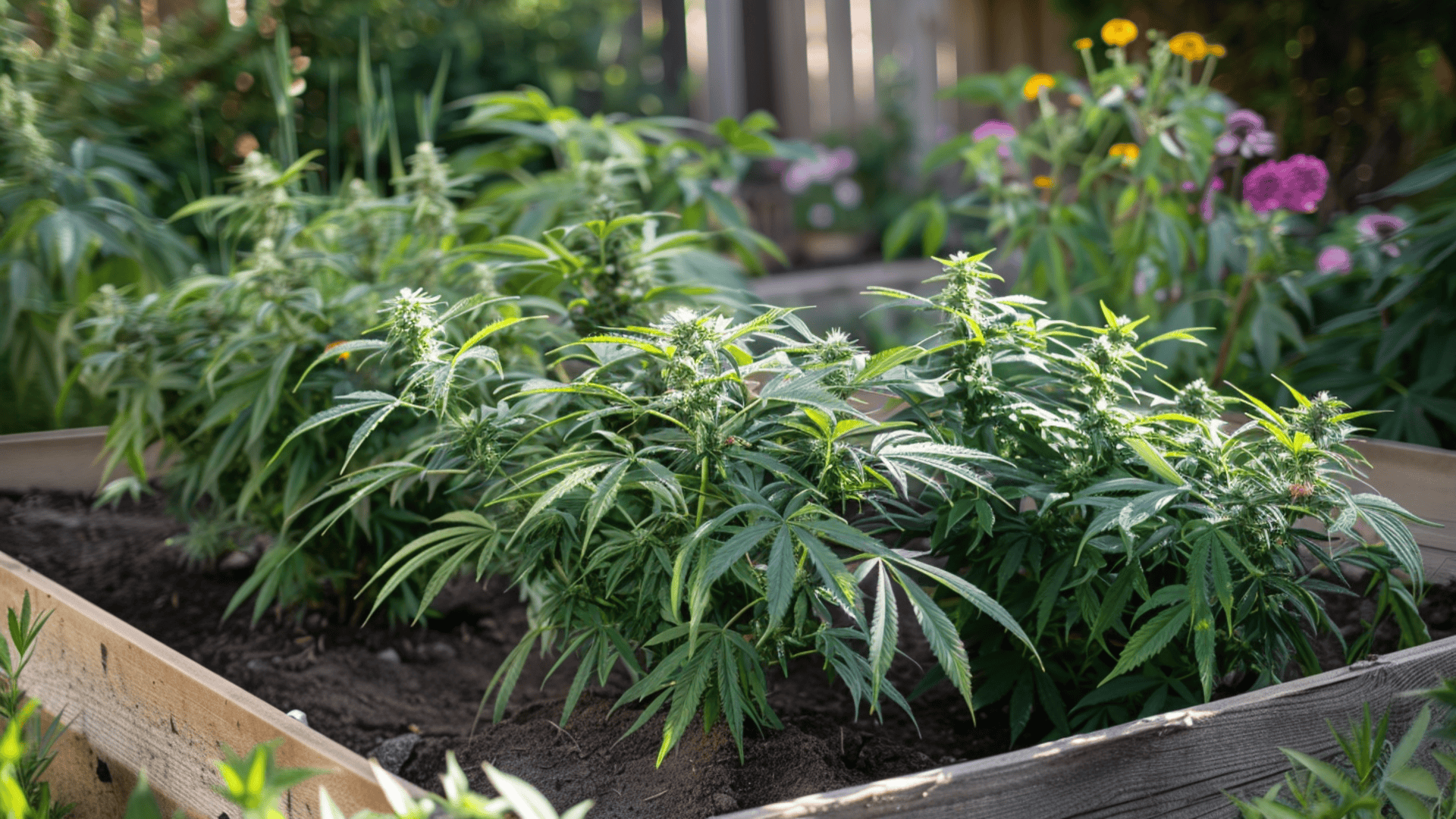

Biodynamic gardening is often described as farming by the moon, but that’s only the surface. At its heart, biodynamic agriculture is a holistic system that views the garden as a living organism, deeply connected to cosmic rhythms, soil biology, and human intention. It blends regenerative agriculture, compost science, and spiritual philosophy into one cohesive growing method.
So what exactly is biodynamic gardening? Who started it? And does burying manure in a cow horn really improve soil fertility?
To understand biodynamics, we must begin with the man who planted the seed.
Rudolf Steiner and the Birth of Biodynamic Agriculture

In 1924, Austrian philosopher and scientist Rudolf Steiner delivered a series of lectures to European farmers concerned about declining soil fertility and crop vitality. These talks, known as the Agriculture Course, laid the foundation for what would become biodynamic farming.
Steiner was the founder of anthroposophy, a spiritual philosophy that sought to integrate science and spirituality. Farmers approached him because they were noticing the early consequences of industrial agriculture: reduced seed vigour, declining livestock health, and soil degradation. Sound familiar?
Steiner proposed that farms should function as self-contained living systems. He emphasized composting, biodiversity, animal integration, and special herbal and mineral preparations designed to enhance soil vitality.
Biodynamic agriculture was the first formalized organic farming system, predating the modern organic movement. Today, biodynamic farms can be certified through Demeter, one of the oldest ecological certification organizations in the world.
The Core Principles of Biodynamic Gardening
Biodynamic gardening rests on several foundational principles. These principles move beyond organic standards and into a deeply integrated relationship between soil, plants, animals, and cosmic rhythms.
The Farm as a Living Organism
One of the most important concepts in biodynamics is that the farm is a living organism, not a factory. This means:
- Fertility is generated on-site.
- Compost is the foundation of soil health.
- Livestock play a central role in nutrient cycling.
- Biodiversity strengthens resilience.
Instead of importing synthetic fertilizers or large volumes of external amendments, biodynamic farming prioritizes closed-loop systems. Cover crops, rotational grazing, composting, and seed saving all contribute to building soil fertility from within.
In modern regenerative agriculture, we see similar ideas: carbon sequestration, humus formation, and microbial diversity. Biodynamics simply frames these biological processes within a broader philosophical lens.
Cosmic Rhythms and Lunar Planting
Biodynamic gardening is famous for its lunar planting calendar. According to biodynamic principles, the moon’s phases, planetary alignments, and constellations influence plant growth just as they influence ocean tides.
The biodynamic planting calendar divides days into:
- Root days
- Leaf days
- Flower days
- Fruit days

These classifications are based on the moon’s position in the zodiac and its relationship to the classical elements (earth=root, water=leaf, air=flower, fire=fruit). Gardeners time seed starting, transplanting, pruning, and harvesting according to these cycles.
Learn more about lunar planting from the Biodynamic Association.
Is there science behind lunar planting? Research is still limited, but we do know that plants respond to light cycles, gravitational shifts, and circadian rhythms. Biodynamic farming suggests that subtle cosmic forces also influence plant vitality.
Whether viewed as an energetic influence or natural gravitational dynamics, lunar planting remains one of the most distinctive features of biodynamic agriculture.
Sustainability Beyond Organic
While organic gardening focuses on avoiding synthetic inputs, biodynamic farming goes further. It emphasizes:
- Biodiversity and habitat creation
- Animal integration
- Seed sovereignty
- Long-term soil regeneration
Organic certification allows farms to import approved organic fertilizers. Biodynamic standards encourage farms to produce fertility internally. The goal is not just chemical avoidance, but energetic balance and ecological wholeness.
In this way, biodynamics aligns closely with regenerative agriculture, permaculture, and holistic land stewardship.
The Preparations: Manure, Moonlight, and Microbial Magic
Perhaps the most controversial aspect of biodynamic gardening is the use of “preparations.” These numbered formulations are applied in small quantities to compost or fields to enhance soil vitality and plant health.
Let’s break them down.

Horn Manure (Preparation 500)
Horn Manure, also known as Preparation 500, involves packing fresh cow manure into a cow horn and burying it in the soil over winter. In spring, the horn is dug up, and the transformed manure is diluted in water and stirred vigorously before being sprayed onto the soil.
Proponents say this preparation stimulates root growth, microbial activity, and humus formation.
From a soil science perspective, what happens during burial? Manure undergoes microbial transformation, concentrating beneficial microorganisms and stabilizing nutrients. The horn itself may create a unique microenvironment for fermentation.
Horn Silica (Preparation 501)
Preparation 501 consists of finely ground quartz crystal packed into a cow horn and buried during the summer. Once unearthed, it is diluted and sprayed as a foliar application.
Horn silica is believed to enhance light metabolism, strengthen plant structure, and improve flavor and nutrient density.
Silica is already recognized in plant science as beneficial for strengthening cell walls and improving stress tolerance. Biodynamic farming frames this mineral application within a cosmic light dynamic, enhancing the plant’s relationship to the sun.
Compost Preparations (502–507)
Six additional preparations are added in small quantities to compost piles:
- Yarrow blossoms for sulfur and potassium
- Chamomile flowers for calcium
- Stinging nettle for iron and nitrogen
- Oak bark for calcium and disease resistance
- Dandelion flowers for silica and light influences
- Valerian for phosphorus and protection
These herbs are fermented in specific animal organs before being inserted into compost. While this may sound esoteric, many of these plants are known bioaccumulators rich in micronutrients.
From a biological standpoint, these compost preparations may enhance microbial diversity, introduce plant growth compounds, and support trace mineral availability. From a biodynamic perspective, they balance energetic forces within the compost.
Where Science Meets Woo
Biodynamic farming sits at an interesting intersection, where soil microbiology meets spiritual philosophy. Modern soil science confirms that humus improves water retention and nutrient availability, microbial diversity enhances plant immunity, and compost teas and biological inoculants can stimulate plant growth. Biodynamics often describes these outcomes in energetic terms rather than purely biochemical ones.
Critics argue that certain practices lack rigorous peer-reviewed research. Supporters counter that long-term farm trials and anecdotal evidence demonstrate improvements in soil structure, plant vitality, and flavor. The truth may lie somewhere in the middle. Biodynamic gardening encourages observation, record keeping, and farmer intuition, values that align with both science and traditional ecological knowledge.
Ritual, Intention, and the Spiritual Side of Seed Starting
Another distinctive element of biodynamic gardening is intentionality.
Preparations are stirred in a rhythmic vortex, creating a deep whirlpool, then reversing direction to create chaos before forming another vortex. This process, often done for an hour, is believed to energize the solution.
Some growers incorporate prayer, meditation, or gratitude rituals during seed starting. The idea is that consciousness influences life processes.

While science has not definitively proven that intention affects plant growth, research in plant signaling and bioacoustics suggests plants are far more responsive to their environment than previously understood. At minimum, mindful gardening strengthens the grower’s connection to the land, and that relationship often translates into better care and observation.
To learn more about plant growth and bioacoustics, check out our articleCan Music Make Your Cannabis Plant Grow Better?
Is Biodynamic Gardening Different from Organic?
Yes, though they overlap. Organic farming focuses primarily on prohibiting synthetic chemicals. Biodynamic farming includes organic standards but adds:
- Mandatory composting practices
- Biodynamic preparations
- Livestock integration (where possible)
- Biodynamic planting calendars
Certification through Demeter requires stricter whole-farm standards compared to many organic systems. In essence, organic = chemical-free inputs, while biodynamic = holistic, closed-loop living systems.
Interested in learning the differences between synthetic and organic fertilizer, check out our article,Synthetic vs Organic Fertilizers for Cannabis.
Benefits and Criticisms of Biodynamic Farming
| Potential Benefits of Biodynamic Gardening | Common Criticisms of Biodynamic Farming |
| Improved soil structure and aggregation – Biodynamic composting and preparations can enhance humus formation and soil tilth. | Esoteric language – Concepts like cosmic forces and energetic balance can feel abstract or unscientific to some growers. |
| Increased microbial life – Emphasis on compost, closed-loop fertility, and soil biology may boost microbial diversity. | Limited large-scale peer-reviewed trials – While farm-based studies exist, critics note a lack of extensive replicated scientific research. |
Enhanced flavor and nutrient density – Many growers report improved taste, aroma, and mineral complexity in crops. | Labor-intensive practices – Stirring preparations |
How to Start a Biodynamic Garden at Home
You don’t need a large farm to practice biodynamic gardening. Here are simple steps to begin:
- Focus on high-quality compost, preferably homemade
- Follow a lunar planting calendar.
- Experiment with compost preparations.
- Keep detailed garden journals.
- Observe plant vitality and soil texture over time.
Start small. Compare results. Let your garden teach you.
Biodynamics in Cannabis Cultivation
Biodynamic cannabis cultivation has gained attention among small-scale and sun-grown growers seeking exceptional terpene expression and soil vitality. Living soil systems, diverse cover crops, and compost-based fertility align naturally with biodynamic principles. Some cultivators believe lunar harvesting improves resin production and flower quality.
While large-scale cannabis research on biodynamics is limited, the emphasis on soil microbiology and closed-loop systems mirrors what many regenerative cannabis growers already practice.

Final Thoughts: Cultivating More Than Crops
Biodynamic gardening is more than a growing method. It is a philosophy, one that views the soil as alive, the farm as an organism, and the gardener as a participant in a larger cosmic rhythm. Whether you embrace the spiritual aspects or focus on compost science, biodynamic agriculture invites deeper observation and intentional stewardship.
In a world grappling with soil degradation, biodiversity loss, and climate change, perhaps the real value of biodynamics is this:
It asks us to slow down.
To pay attention.
To cultivate not just crops but connection.
And sometimes, that may be exactly what our soil needs most.
Frequently Asked Questions About Biodynamic Gardening
1. What is biodynamic gardening in simple terms?
Biodynamic gardening is a holistic farming method that treats the garden as a living organism, using compost, lunar planting calendars, and natural preparations to build soil health and plant vitality.
2. Who started biodynamic agriculture?
Biodynamic farming was founded in 1924 by Rudolf Steiner, who introduced the method through a series of agricultural lectures focused on restoring soil fertility and farm resilience.
3. Is biodynamic farming the same as organic farming?
No. While biodynamic agriculture meets organic standards, it goes further by requiring compost preparations, encouraging closed-loop fertility systems, and following cosmic and lunar planting rhythms.
4. Does lunar planting really affect plant growth?
Scientific evidence is still limited, but some research suggests plants respond to gravitational cycles and light rhythms; many biodynamic gardeners report improved germination and vigor when planting according to lunar phases.
5. What are biodynamic preparations?
Biodynamic preparations are herbal and mineral formulations, such as horn manure (Preparation 500) and horn silica (Preparation 501), used in small amounts to enhance soil biology, compost quality, and plant vitality.
6. Is biodynamic gardening worth trying for home gardeners?
Yes, many home gardeners find that focusing on compost quality, biodiversity, and mindful observation improves soil health and strengthens their connection to the land, even if they don’t adopt every ritual practice.