
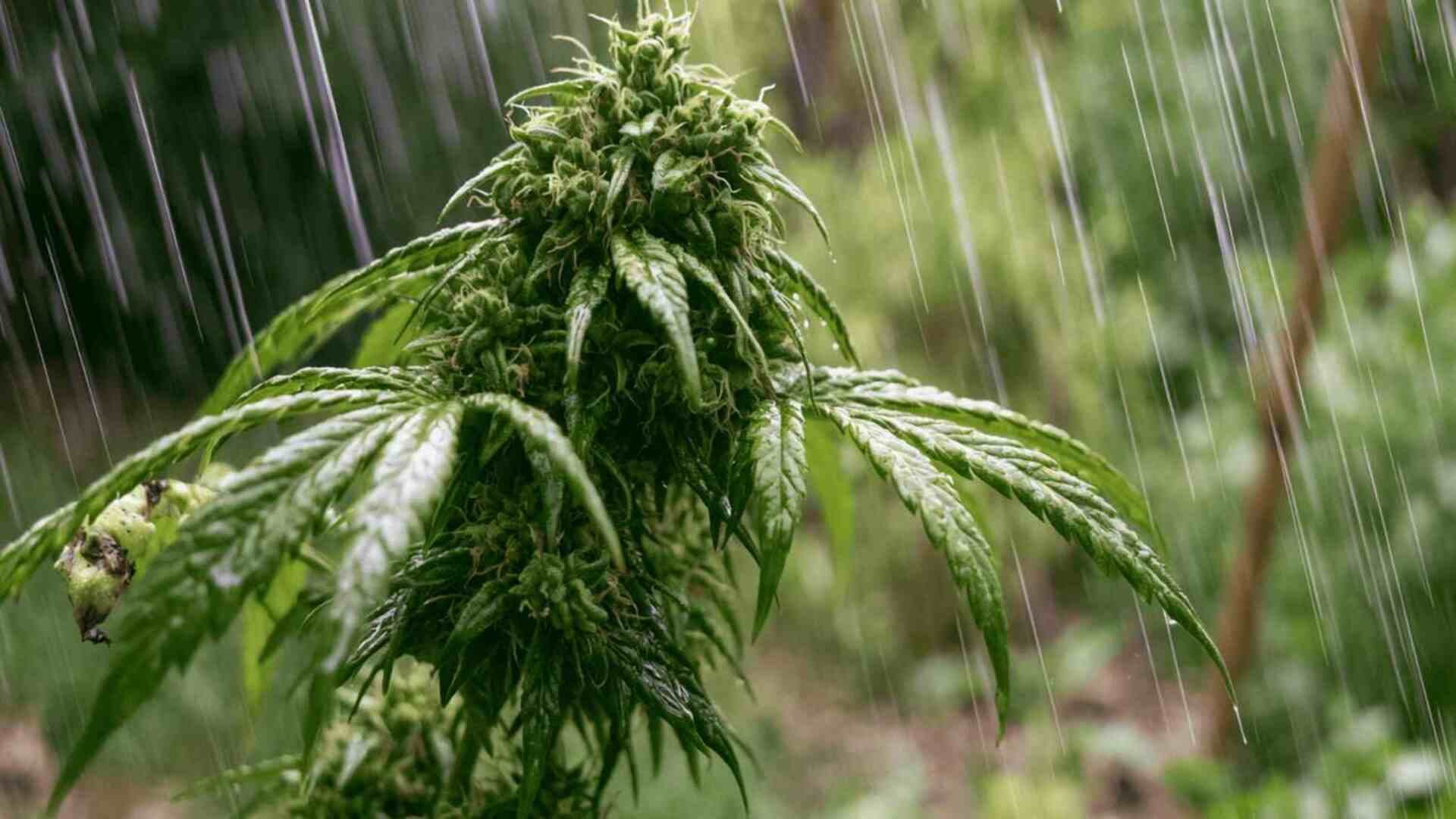

Growing cannabis outdoors is a joyous pursuit that brings a deeper connection with nature. But it also means accepting that Mother Nature has the final say. While sunshine is a plant's best friend - and a grower's - periods of wet weather during the flowering stage can be fairly common in some locations. A passing shower isn't usually a cause for concern. Heavy rain combined with high humidity, on the other hand, is another matter. This can create perfect conditions for mold, bud rot, and other problems that can threaten a harvest.
As cannabis flowers mature, buds become bigger, denser, and better at trapping moisture. Water that lingers inside these tightly packed flowers can provide an ideal environment for fungal pathogens such as botryitis cinerea, commonly known as bud rot or grey mold [1]. Once established, bud rot spreads quickly and can destroy weeks or even months of hard work, turning that joyous pursuit into something closer to heartbreak.
The good news is that rain doesn't have to spell disaster. By following a few key principles, growers can dramatically reduce the risk of disease and keep those lovingly-nurtured plants on track until harvest.
In this guide, we'll explain what happens when rain during cannabis flowering becomes a problem, how to prepare before bad weather arrives, and what steps to take afterwards to keep plants healthy.
Is Rain During Cannabis Flowering Always Bad?

Not necessarily. Cannabis evolved as an outdoor plant, and healthy specimens can tolerate occasional rainfall without issue. In fact, light rain can wash dust and airborne debris from leaves, helping plants continue to photosynthesize efficiently. The real problem isn't the rain itself - it's how long flowers remain wet afterwards.
Related Article:How A Weed Plant Uses Light: The Science of Photosynthesis
Dense buds retain moisture far more effectively than leaves or stems. If cool, humid weather follows a period of rainfall, moisture trapped inside the flowers might not evaporate quickly enough. This creates an environment that fungal growth just loves, particularly if airflow around the plant is poor [2].
A number of factors influence how risky rain during cannabis flowering can become:
- The intensity and duration of the rain.
- Relative humidity after rainfall.
- Air circulation around the canopy.
- Bud density.
- Plant genetics.
- Daytime temperatures.
- Whether the plants receive direct sunlight afterwards.
A brief summer shower followed by warm sunshine and a gentle breeze is rarely a major concern. Several consecutive days of wet, overcast weather are a different story altogether.
Why Flowering Cannabis Plants Are Vulnerable After Rain

During the vegetative stage, cannabis plants produce relatively open growth with plenty of airflow between the leaves and stems. When flowering starts, it changes everything.
As buds swell, clusters of flowers become increasingly compact. Resin production also increases, causing sugar leaves and flowers to stick together. And while these dense buds are exactly what growers hope to harvest, they also make it much easier for moisture to become trapped deep inside the flowers.
This unfortunately creates ideal conditions for pathogens like Botrytis, aka grey mold, which infects damaged or moisture-laden plant tissue before spreading throughout the bud [3].
Late flowering is generally the highest-risk period because:
- Buds are at their largest
- Relative humidity often increases as summer turns to autumn
- Morning dew remains on plants for longer
- Heavy buds restrict airflow within the canopy
Large indica-dominant varieties with exceptionally dense flowers are often more susceptible than airier sativa-dominant cultivars - but any cannabis plant can develop bud rot under prolonged damp conditions.
The Biggest Risks of Rain During Cannabis Flowering
Bud Rot (Botrytis Cinerea)

Bud rot is undoubtedly the greatest threat to flowering cannabis after prolonged or heavy rainfall. Unfortunately, infections often begin inside the flower where they're harder to spot. By the time the outer leaves begin to wilt or turn brown, much of the interior may already be affected.
Watch out for:
- Small brown or grey patches.
- Sugar leaves dying unexpectedly.
- Soft or mushy buds.
- Grey, fuzzy fungal growth
- Buds that fall apart easily.
If you see any of these symptoms, take immediate action. Infected buds should be removed immediately using clean, sterilized scissors to reduce the chance of spores spreading elsewhere on the plant [1].
Powdery Mildew
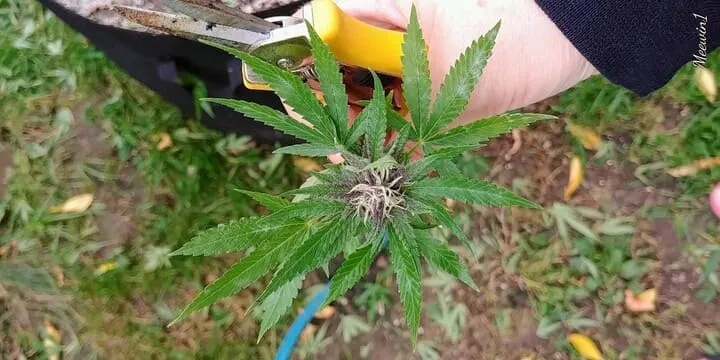
Unlike bud rot, powdery mildew appears as a white, powder-like coating on leaves and stems. Although it's more common earlier in the season, humid weather during flowering can still encourage infections. Treatments become more limited once buds have formed, making prevention far preferable to attempting a cure [4].
Broken Branches
Rain doesn't just increase disease pressure - it also adds coniderable weight to flowering plants. Large buds absorb water like sponges, while strong winds place additional stress on already overloaded branches. Without adequate support, stems can snap just weeks before harvest,
Supporting plants before storms arrive is much easier than trying to repair broken branches afterwards.
How to Prepare For Heavy Rain During Cannabis Flowering
Checking the weather forecast should be part of every outdoor grower's daily routine - especially during flowering. Even a few minutes of preparation before rain arrives can significantly reduce disease risk - and the headaches those bring.
Improve Airflow Around Plants
Good airflow is one of the strongest defenses around fungal diseases. Moving air helps remove moisture from leaves and flowers, shortening the amount of time buds remain wet after rainfall [2].
To improve ventilation:
- Remove any weeds growing around the base of plants.
- If growing in pots, make sure containers are spaced apart.
- Avoid overcrowding plants.
- Remove dead or heavily shaded leaves where appropriate.
- Keep any surrounding vegetation under control.
The goal isn't to aggressively defoliate but to allow fresh air to circulate freely through the canopy.
Support Heavy Buds

Flowering branches can become surprisingly heavy as buds swell - and moreso after rainfall.
Support larger plants by using:
- Bamboo canes
- Tomato cages
- Trellis netting
- Soft plant ties
- Garden stakes
When introducing plant supports, secure branches gently to avoid restricting growth or damaging stems.
Avoid Watering Late in the Day
If irrigation is needed before wet weather arrives, water early in the morning rather than late afternoon or evening. This gives excess surface water time to evaporate before overnight temperatures fall, helping reduce humidity around the canopy [5].
What To Do Immediately After Rain During Cannabis Flowering
The rain has stopped, but a grower's job isn't over. The hours immediately after rainfall can make the difference between healthy flowers and the first signs of pathogenic mold.
Gently Remove Excess Water
If plants are small enough to reach safely, it's worth removing as much standing water as possible from the buds. A gentle shake of each branch is often enough to dislodge water trapped between buds. You don't need to be vigorous - in fact, excessive handling can damage resin glands (trichomes) or snap brittle flowering branches.
Some experienced outoor cultivators also use a battery-powered leaf blower on its lowest setting to move moisture off the canopy. If trying this method, exercise caution. Check the power of the leaf blower before taking it ankywhere near your plants. If the lowest setting is tame enough for the job, keep the airflow gentle and avoid holding the blower too close to the buds.
The aim isn't to dry the buds completely - nature will take care of the rest - but simply to reduce the amount of free water sitting inside dense buds.
Inspect Your Plants
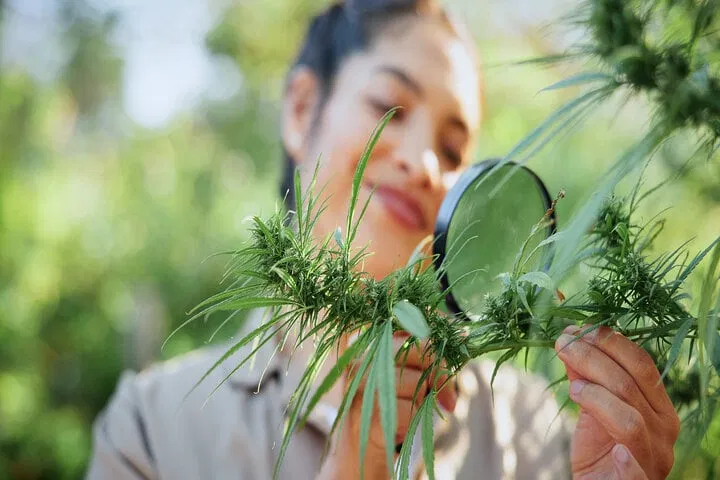
After prolonged rainfall, it's good practice to inspect every plant once conditions have dried slightly.
Pay attention to:
- Big, dense colas
- Branches with poor airflow
- Flowers touching neighboring branches.
- Areas shaded by surrounding vegetation.
Early detection is your best defence. Catching bud rot while it's confined to a single flower is far better than discovering it's spread through an entire cola.
Should You Cover Outdoor Cannabis Plants?
It's a question almost every outdoor growers asks when heavy rain appears in the forecast. Covering can help protect outdoor cannabis plants from extreme weather of any kind, but the answer depends upon the severity of the weather.
A brief shower usually isn't worth worrying about. However, if several days of persistent rain during cannabis flower is expected, temporary protection can help reduce disease risk.
There are some simple options available for plant sheltering:
- Pop-up gazebos
- Clear plastic roofing sheets
- Small greenhouse-style shelters
- Lean-to covers with open sides.
The important thing is maintaining airflow. A tightly-enclosed plastic cover may keep rain off your plants, but it can also trap humidity around the buds. Warm, stagnant, moisture-laden air is exactly what fungal pathogens thrive in [2].
If you choose to protect your plants, leave plenty of ventilation around the sides so fresh air can circulate freely.
Why Wind Can Be Your Friend
Growers often associate wind with broken branches, and rightly so. But that's more likely a symptom of strong wind, and not all wind is bad wind. Gentle air movement is one of the best natural defences against fungal diseases.
Moving air helps to:
- Dry flowers quickly
- Reduce humidity around flowers
- Prevent moisture from lingering inside dense colas
- Discourage fungal spores from establishing themselves
If the growing site is completely sheltered, it may actually stay damp for much longer after rain than a location that's exposed to a light breeze. Balance is important, of course. If a site is prone to excessive winds, it may be necessary to stake or trellis plants to prevent branches snapping off under the combined pressure of wind, rain, and weighty buds.
What if Rain Lasts for Several Days?
This is the point where outdoor growers really do have get proactive. One rainy afternoon is rarely catastrophic. Four or five consecutive days of wet, humid weather dramatically increases the likelihood of fungal infections.
During prolonged wet spells, growers can successfully protect their plants by:
- Inspecting every day, if possible
- Removing dying leaves swiftly
- Checking inside larger buds
- Ensuring branches aren't squashed together
- Removing obvious osurces of trapped moisture around the canopy
- Monitoring weather forecasts for improving conditions
Resist the temptaion to spray fungicides directly onto flowering buds. Many of these products are unsuitable during flowering and may leave unwanted residues on the finished harvest [4].
Instead, focus on environmental management - airflow, santitation, and regular inspection remain your best tools.
Recognizing Bud Rot Early
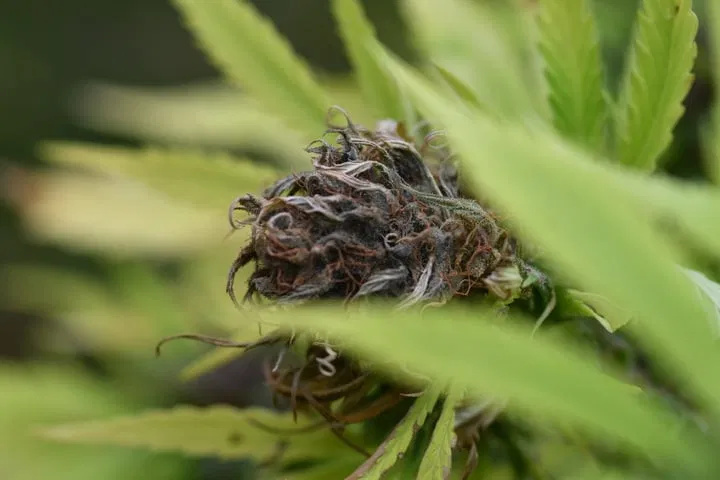
Bud rot often begins deep inside the flower where moisture becomes trapped. This is why growers sometimes get caught off guard. The outside of a cannabis bud can appear perfectly healthy while the inside has started to decay.
Early warning signs of bud rot include:
- Individual sugar leaves suddenly turning yellow or brown
- Leaves pulling free with almost no resistance
- A dull grey or brown discolortion within the flower
- Soft patches inside otherwise firm buds.
- A musty or moldy smell
If bud rot is suspected, gently separate the flower for a closer inspection. Healthy cannabis flowers should appear vibrant and resinous. Infected tissue often looks brown or grey and may crumble easily when touched.
Related Article:What Does Bud Rot Look Like?
What Should You Do If You Find Bud Rot?
Finding rotten buds is disappointing, but by acting fast, growers can still salvage the crop. Panicking only makes matters worse.
First, sterlize trimming scissors with isopropyl alcohol before making any cuts. Remove the infected flower along with a little of the healthy-looking tissue surrounding it. This helps reduce the chance that microscopic fungal growth can spread beyond the visibly damaged area [1].
Dispose of the infected plant material immediately. Never place moldy flowers in a compost pile or drying area, as fungal pathogens spread so easily.
Afterwards:
- Sterlize tools again
- Discard PPE (Personal Protective Equipment such as gloves, aprons) and wash hands thoroughly
- Continue to inspect neighboring buds over the following days
Unfortunately, there's no reliable way to "save" a bud once significant botryitis has taken hold.
Should You Harvest Early If Heavy Rain During Cannabis Flowering Is Forecast?

This is one of the most difficult decisions outdoor cannabis growers face. Harvesting too early can reduce potency, cannabinoid development and overall yield. But waiting too long could increase the risk of mold destroying part of the crop. Instead of making decisions based solely on the weather forecast, consider the big picture.
Key considerations:
- How mature are the trichomes?
- How many days of rain are expected?
- Is humidity likely to remain high afterwards?
- Are the flowers suitably dense yet?
- Are there any signs of mold?
If plants are only a week or two away from peak ripeness and prolonged wet weather is imminent, harvesting slightly ealier may be preferable to losing a significant portion of the crop.
On the other hand, harvesting days or even weeks before the plant has matured simply because rain is forcast can unnecessarily reduce the quality of your harvest.
In this situation, many experienced growers base the decision to harvest on plant maturity first and weather forecast second.
Rain During Cannabis Flowering: Takeaways
The sight of rain during cannabis flowering doesn't have to ruin a harvest. While prolonged wet weather certainly increases the risk of bud rot and powdery mildew, a little preparation goes a long way to keep plants healthy. Starting out with genetics that have strong mold resistant properties is always wise.
By keeping abreast of the weather forecast, improving airflow around plants, supporting heavy branches, and carefully inspecting buds after it rains, growers can significantly reduce the likelihood of diseases taking hold. Most importantly, act upon the first warning signs. Catching an early spot of bud rot can be the difference between snipping off one flower and losing an entire plant.
Cannabis evolved to grow outdoors. An occasional summer shower is rarely a problem on its own. It's extended periods of moisture, high humidty, and poor airflow that create ideal conditions for fungal pathogens.
With good growing practices and a little vigilance, growers can safely steer through the final weeks of flowering and be rewarded with healthy, resinous buds at harvest.
Rain During Cannabis Flowering: FAQs
Can cannabis survive heavy rain during flowering?
Yes. Healthy outdoor cannabis plants can usually tolerate occasional heavy rain. Problems arise when buds remain wet for long periods, particularly if humidity stays high and airflow is poor. Dense flowers are especially vulnerable to fungal diseases such as bud rot.[1][2]
Should I shake rainwater off cannabis buds?
A gentle shake after heavy rainfall can help remove excess water trapped inside large flowers. Avoid handling buds roughly, as this can damage trichomes or snap flowering branches.
How long can cannabis buds stay wet?
There's no exact timeframe because it depends on temperature, humidity and airflow. Ideally, flowers should dry naturally within a few hours of rainfall. If buds remain damp well into the following day, the risk of fungal infection increases considerably.
Can I cover my cannabis plants when it rains?
Yes—but only if your cover allows plenty of airflow.
A temporary shelter such as a gazebo or clear roof can reduce the amount of rain reaching your flowers during prolonged wet weather. Avoid completely enclosing plants, as trapped humidity can increase the risk of mould.
What does bud rot look like?
Early signs include:
- Brown or grey patches inside flowers.
- Sugar leaves that suddenly wilt or pull away easily.
- Soft or mushy buds.
- Grey, fuzzy mould.
- A musty smell.
Bud rot usually starts inside dense flowers, making regular inspections particularly important.
Should I spray fungicides during flowering?
In most cases, no.
Many fungicides aren't intended for use on consumable flowers and may leave residues on harvested buds. Prevention through good airflow, plant spacing, sanitation and regular inspections is generally the safest approach during flowering.[4]
Will rain wash away trichomes?
No.
Cannabis trichomes are attached to the flower and produce sticky resin that isn't simply washed away by rainfall. However, prolonged wet weather can reduce flower quality indirectly by encouraging mould or physically damaging buds during storms.
Is morning dew as dangerous as rain?
It can be.
Morning dew often forms inside dense flowers and may linger for several hours on cool autumn mornings. Repeated cycles of overnight moisture followed by slow drying can contribute to the same fungal conditions created by rainfall, especially during late flowering.[3]
-------------------------------------------------------------------------
References
[1] Williamson, B., Tudzynski, B., Tudzynski, P. & van Kan, J. A. L. (2007). Botrytis cinerea: The cause of grey mould disease. Molecular Plant Pathology, 8(5), 561–580. https://doi.org/10.1111/j.1364-3703.2007.00417.x
[2] Cornell University Integrated Pest Management. Botrytis Blight (Grey Mould). https://cals.cornell.edu/integrated-pest-management
[3] Royal Horticultural Society (RHS). Grey mould (Botrytis). https://www.rhs.org.uk/disease/grey-mould
[4] Penn State Extension. Botrytis Blight.https://extension.psu.edu
[5] University of California Agriculture and Natural Resources – UC IPM. Disease Management Guidelines. https://ipm.ucanr.edu
[6] Elad, Y., Williamson, B., Tudzynski, P. & Delen, N. (Eds.). (2016). Botrytis: Biology, Pathology and Control. Springer. https://link.springer.com/book/10.1007/978-1-4020-2626-3