


Hop Latent Viroid (HpLVd), sometimes written as HLVd, has emerged as a serious concern within the cannabis (Cannabis sativa) cultivation industry due to its potential to affect plant health and yield. It is a relatively understudied pathogen that has shot to fame in the last decade due to its presence in cannabis. It can negatively affect cannabis plants in many ways, leading to widespread concern over its presence. This viroid, a member of the Pospiviroidae family, primarily targets plants within the Cannabaceae family, which includes both hops (Humulus lupulus) and cannabis. Understanding the infection route, life cycle, and molecular interactions between HpLVd and cannabis plants is crucial to grasp its implications for cannabis cultivation.
Viroids vs Viruses
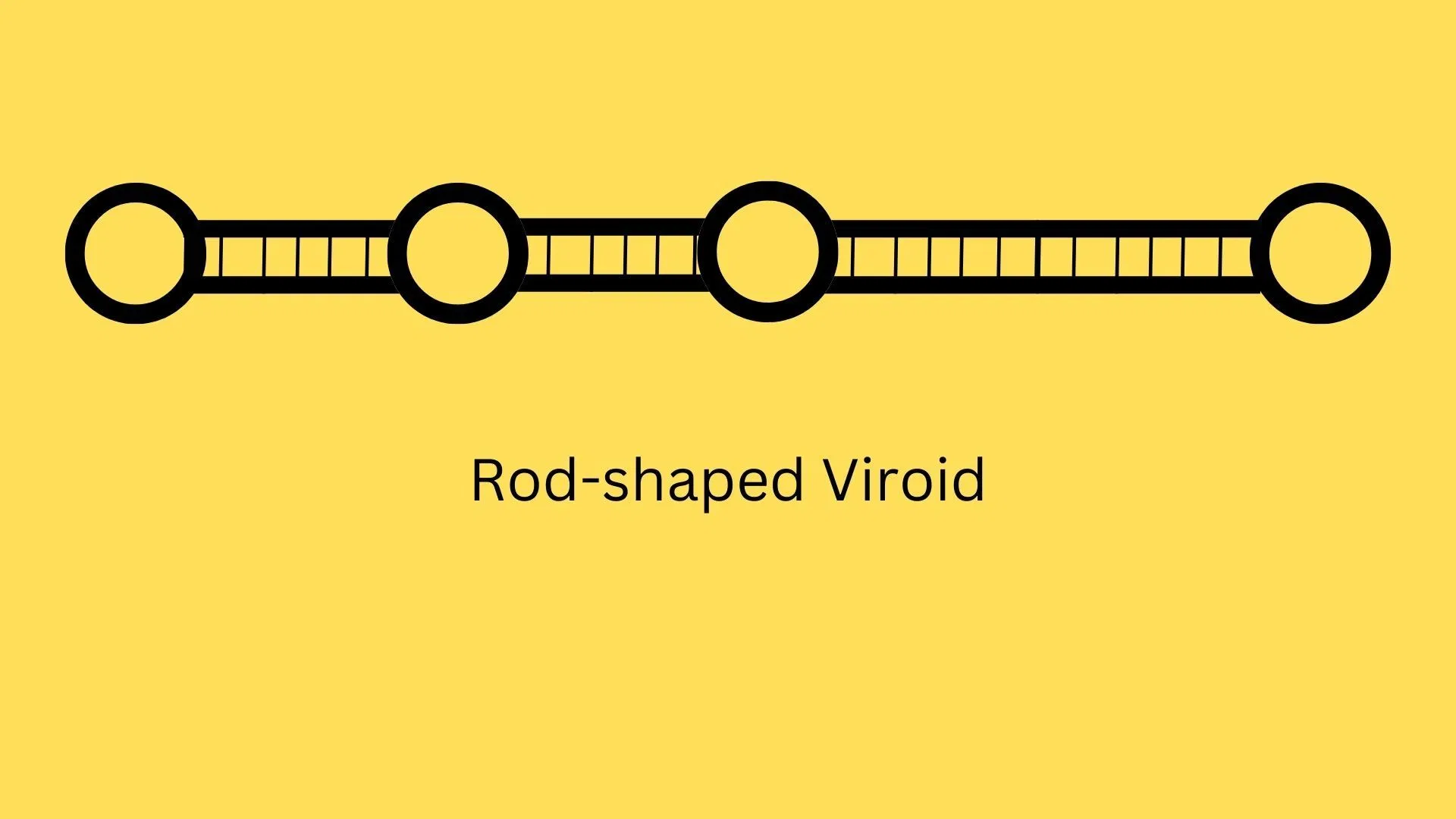
Viroids are characterized by their simplicity. These small, circular RNA molecules lack the genetic machinery to encode proteins, have no protections or outer layer and rely on the host cell's apparatus for replication. The entire HpLVd genome is only 256 bases long; in comparison, the cannabis genome is >843,000,000 long in total. Viroids primarily infect plants, often leading to crop-related issues and decreased agricultural output. Their impact manifests through various symptoms, such as stunted growth, leaf deformities, and diminished crop yields. Detecting viroids is difficult and usually needs molecular assays like polymerase chain reaction (PCR) due to their elusive nature. Managing viroid diseases includes practices such as quarantine, sanitation, and the utilization of clean/sterile planting materials.

On the other hand, viruses are more complex infectious agents. They consist of genetic material, either DNA or RNA, enclosed within a protein coat. Viruses are obligate intracellular parasites and also require a host cell to replicate and propagate by commandeering the host's cellular machinery. Plant viruses exhibit a broad spectrum of diseases, affecting various plant parts, leaves, stems, roots, and fruits. Symptoms of viral infections in plants can range from mosaic leaf patterns and yellowing to necrosis and reduced crop quality. Diagnosing plant viruses involves a combination of serological tests, molecular techniques, and visual symptom assessment. Effective control strategies for plant viruses encompass the deployment of resistant plant varieties, the management of insect vectors, and the implementation of crop rotation practices.
Infection Route and Life Cycle
HpLVd's infection cycle in cannabis begins with its introduction into a susceptible plant. The primary mode of transmission is through contaminated propagation materials, such as infected seeds or plant cuttings. Once inside a healthy cannabis plant, HpLVd can infiltrate the plant systemically and establish a persistent, long-term infection. Within the host plant, HpLVd predominantly resides in the vascular system, where it undergoes replication and spreads through the plant's sap. One of the intriguing aspects of HpLVd is its ability to conceal itself within the plant's cellular structure, making it challenging to detect visually.
The viroid can be spread by vectors, too; studies have indicated that leafhoppers, well-known vectors for beet curly top virus and lettuce chlorosis virus, may also potentially transmit HpLVd. When leafhoppers feed on plants, they intake sap, which could be contaminated with the viroid, potentially transferring it to their next host.
The term "latent" in HpLVd indicates that this viroid can infect a host plant without causing immediate, visible symptoms. Instead, it can quietly reside within the plant, potentially impacting its health over time. The latent phase makes it challenging to detect HpLVd infections through visual inspection alone. This viroid operates stealthily from within the host plant in a seemingly hidden state, providing no observable signs of disease. However, despite the absence of visible symptoms, it's important to note that this latent infection is not entirely benign. While the plant may appear ‘healthy’ outwardly, HpLVd may be actively replicating and spreading within the host, potentially exerting subtle influences limiting growth, development, and overall well-being. The latent phase of diseases, has historically posed a problem in many crops where this type of infectious agent is present, due to its lack of symptoms, until its detection is usually too late and infection is widespread and devastating.
How Do Plants Protect Themselves from Hops Latent Viroid?
Plants employ various strategies in their immune responses. Both innate and adaptive immunity against pathogens can be effective. Pattern Recognition Receptors (PRRs) on plant cells are like tiny watchmen who can recognize certain pathogen signatures. Effector Triggered Immunity (ETI) involves the detection of elements made by a pathogen inside the host cells. Resistance genes, known as ‘R genes’, recognize these, triggering a hypersensitive response (HR).

These responses are effective against a broad spectrum of pathogens. Systemic Acquired Resistance (SAR) primes uninfected parts of the plant for enhanced immune defence. However, there are more ‘finely tuned’ responses also for viroid and virus infections. Small RNA-Mediated defence uses small RNAs (siRNAs and miRNAs) to regulate gene expression and combat, especially, viral infections. RNA Interference (RNAi) processes viral or viroid RNA into siRNAs for degradation. Virus-Derived Small RNAs (vsRNAs) help recognize the invader. However, pathogens may employ strategies like Viral Suppressors of RNA Silencing (VSRs) to counter RNAi. Viroids pose challenges due to their simple RNA structures, making detection and targeting difficult. Small RNA structures, such as the HpLVd genome, can also mutate quickly, and this can lead to variations of the pathogen.
Advanced research in plant immunity against viruses and viroids often involves understanding the specific molecular interactions, signalling pathways, and genomic elements associated with these defense mechanisms. Researchers aim to uncover how plants recognize and respond to these pathogens, identify resistance genes, and develop strategies to enhance plant immunity for sustainable cultivation.
Molecular Insights Into HpLVd and Cannabis Interaction:
An intriguing discovery in the study of HpLVd is a 19 bases-long genome segment with perfect homology to a specific region of the coding region of a Cannabis gene known as COG7. COG7 is critically involved in regulating shoot apical meristem (SAM) growth, a fundamental aspect of plant development. This sequence homology has raised intriguing questions about the potential molecular interactions between HpLVd and COG7 within the cannabis plant. Researchers have suggested RNA interference (RNAi) as a putative mechanism underlying the pathology of HpLVd in cannabis plants, i.e. that infection can limit the plant's ability to grow via reduced SAM growth. To investigate this hypothesis, a study used reverse transcription-quantitative polymerase chain reaction (RT-qPCR) to target the 19-nucleotide homologous region of COG7 in Cannabis sativa plants. This assay was conducted on two cannabis cultivars infected with HpLVd, both in the vegetative state. The results of the RT-qPCR assay revealed an intriguing finding. HpLVd-infected cannabis plants, particularly the Strawnana variety, exhibited a modest yet consistent decrease in COG7 expression. This decrease ranged from a 4 to a 32-fold reduction in COG7 expression—notably, the two cultivars, while both in the vegetative state, belonged to different genetic backgrounds.
The presence of mutations within the homologous 19-nucleotide region has been identified in five other cannabis cultivars. These variants warrant comprehensive assessments to determine potential variations in COG7 gene expression upon HpLVd infection. HpLVd's intricate interactions with Cannabis sativa raise fascinating questions about its mechanisms of pathogenicity and potential consequences for cannabis cultivation. Unravelling these molecular interactions is instrumental in understanding HpLVd's impact and devising effective strategies for its management in cannabis crops.
Prevention and Eradication of Hop Latent Viroid
Sterile and clean propagation equipment and practices are key to preventing the spread and containing the viroid. Usually, if the infection is present, the best way to keep the genetics true (especially elite cuts) is through tissue culture. However, it must be said that high viroid loads are usually reduced considerably in the process of producing seeds. Thus, taking the lineage to the next generation and scanning for disease-free seeds is a cheap and effective way to reduce the viroid load or get rid of the viroid completely. It may repeat more than one seed run, which must be done parallel to strict sanitation methods.
However, the most effective way is through tissue culture. Centred around meristems isolation, rigorous sanitation measures, and repeated propagation cycles, scientists have developed a potent method for eradicating Hops Latent Viroid from cannabis plants. This approach begins with the selection of meristematic tissue, typically found at the apex of healthy cannabis shoots, as it contains undifferentiated cells largely free from viroid contamination. The process includes a meticulously sanitized environment, ensuring all equipment and tools are sterile. The selected meristem undergoes surface sterilization to eliminate any external contaminants, followed by placement onto a culture medium rich in essential nutrients and growth regulators. The viroid remediation step can be done via chemicals, UV and heat treatment (RNA is much less stable than DNA).
Subsequent rounds of subculturing remediation encourage cell multiplication within the controlled, sterile environment and reduce viroid loads. Regular molecular screening using techniques like PCR confirms the absence of HpLVd, enabling the selection of viroid-free tissue culture clones. Gradual acclimatization to outdoor conditions is essential before these clones can be propagated through successive rounds of tissue culture, ultimately yielding viroid-free and robust plant material suitable for cultivation.
Conclusion
Hop Latent Viroid can cause major issues with plants. Proper care and management of propagation techniques can help reduce the load. However, detection is difficult due to the RNA-based pathogen’s latent phase. Molecular techniques are helping with both detection and treatment, but it is often undiagnosed.