

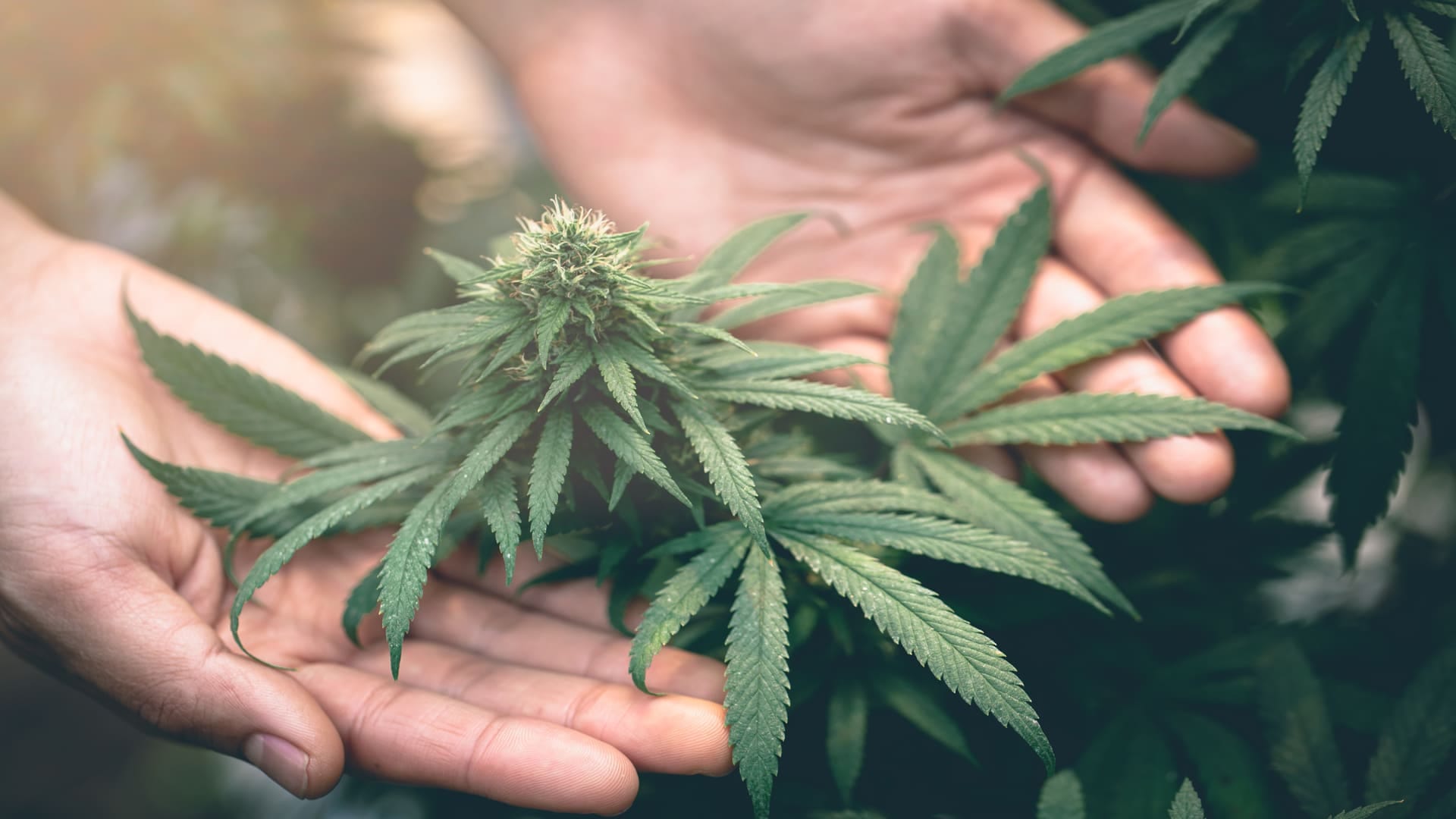
As any experienced grower will tell you, outdoor cannabis cultivation has a clear and palpable rhythm to it. The season builds slowly through spring, accelerates through summer, and culminates in autumnal harvests that reward diligent growers for preparation, patience, and care. For many growers, the appeal of outdoor growing is simple: sunlight is free, plants can easily reach their full natural size, and if the garden is well planned and well maintained, it can deliver exceptional results.
But growing outdoors is not simply a case of planting your seeds and hoping for the best. Nature will take its course, but as cultivators, our role requires stewardship. The environment is much less forgiving than an indoor tent. Weather shifts, soil conditions vary, pests arrive uninvited, and small early mistakes can quietly add up to stalled progress or disappointing harvests.
If you’re researching how to grow weed outdoors, understanding the pitfalls is just as important as learning the art of growing. In practice, most disappointing harvests can often be traced back to a handful of common problems. The good news? Each one has a clear and proven solution.
Below, we've featured some common mistakes outdoors growers often make, along with the symptoms to watch for and the steps that keep your season on track. Each step is an integral part of how to grow weed outdoors.
Poor Site Selection
The problem
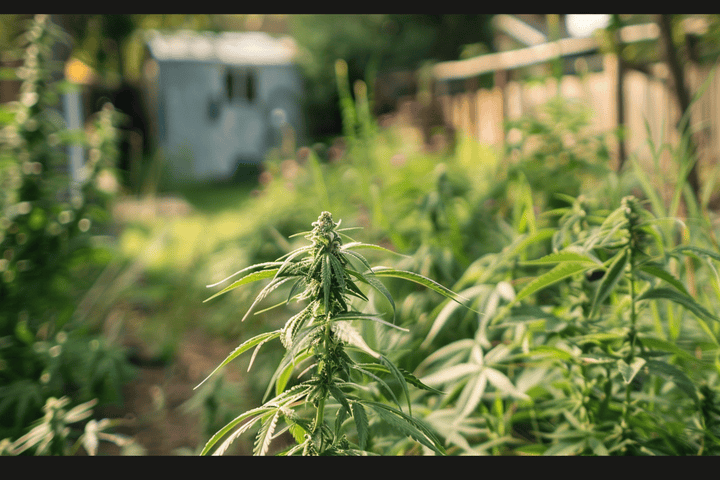
Outdoor cannabis plants depend heavily on light – and for many, this is the key factor in why they choose to grow outdoors. But a spot that seems sunny in early spring may end up shaded for large parts of the day once trees don their full foliage or nearby structures cast longer shadows.
Plants placed in suboptimal locations often stuggle from the get-go. Even small reductions in daily sunlight can significantly impact growth rates and final yields. Cannabis evolved in full sunlight, and performs best when given the brightest conditions available. Choosing the right spot for an outdoor grow is vital for success.
Symptoms of poor site selection
You could see plants remain smaller than expected, despite healthy leaves. Internodes stretch longer as the plant reaches upward in a desperate bid for more light, creating a weak, slightly leggy structure. Later in the season, flowering may even feel sluggish and yields can end up being disappointing compared to the plant’s genetis potential. Before you know it, you’ve fallen well short of that magic number on the seed pack that may have lured you in the first place.
The solution: How to choose a site to grow weed outdoors
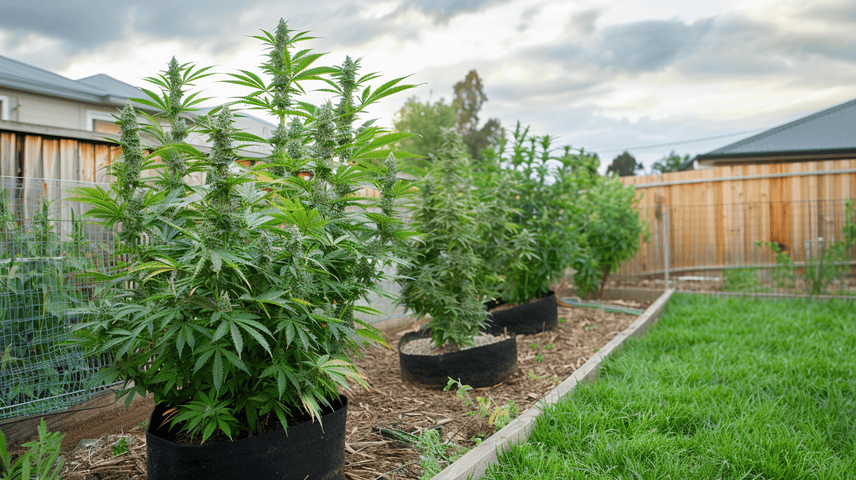
Many of the most successful outdoor growers treat location almost like a scientific exercise. The aim is simple: uninterrupted sunlight for as much of the day as possible is a key proponent of how to grow weed outdoors.
Spend time observing your garden or grow area before planting. A south-facing space that receives at least six to eight hours of direct sun will dramatically improve plant development. It’s also worth checking how light moves across the space during the day. A spot that receives strong morning and afternoon light will almost always outperform one that only sees sun at midday.
But wind exposure matters, too. Gentle airflow is a must to strengthen plant stems and help keep humidity under control. Constant strong winds, however, can stress plants and damage young, developing branches. Striking a balance is crucial – but it can be tricky. If natural shelter is limited in your grow area, it’s time to improvise. Simple windbreaks made from fencing, trellis panels, or even a few dense shrubs can stabilise things without sacrificing that valuable sunlight. Make sure you know how to protect cannabis from extreme weather - just in case.
Choosing the Wrong Genetics
One of the most overlooked aspects of how to grow weed outdoors is choosing the right genetics for the growing environment. Cannabis varieties evolved in very different climates, and not every strain performs well in every region.
When genetics and environment are mismatched, it makes the process of how to grow weed outdoors all the more challenging. In such instances, even skilled growers can struggle to lead plants to a successful harvest.
The problem
Some varieties need long, hot seasons to mature fully. Planting them in cooler climates can mean flowering begins too late, leaving plants vulnerable to autumn rains, cold temperatures, and late-season mould.
Symptoms caused by selecting the wrong genetics
Plants appear healthy through summer but fail to finish flowering before the weather turns. Buds may remain airy or underdeveloped, and prolonged damp conditions can introduce mould or bud rot as the plant struggles to complete its cycle.
The solution: What to consider when choosing genetics to grow weed outdoors
Select genetics suited to outdoor growing in your local climate. For example, long-flowering tropical sativa varieties such as Haze lines often require extended seasons and strong sunlight to reach their full potential. In northern regions, these plants may simply run out of time.
In contrast, hardy varieties with faster flowering times tend to perform more reliably outdoors. Classic outdoor strains like Northern Lights, Skunk, and many modern hybrids were bred specifically to finish earlier while keeping strong vigour. Autoflowering varieties can also be a practical option in regions with shorter growing windows as they complete their cycles quickly and fairly predictably.
Ignoring Soil Quality
The Problem
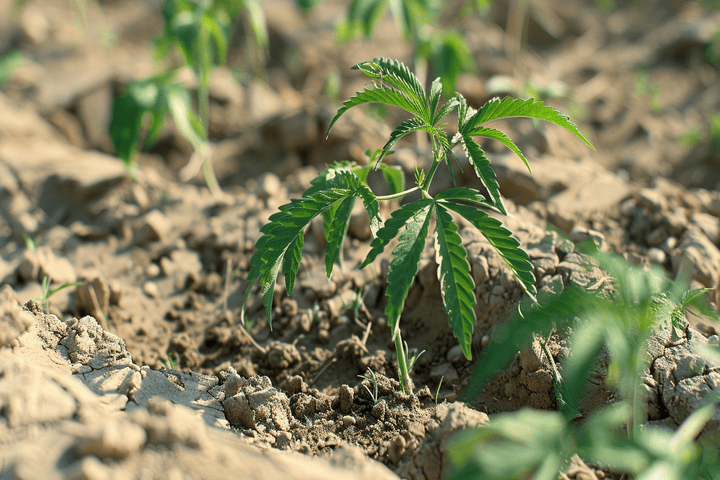
Newcomers to outdoor growing sometimes assume garden soil will be good enough – and in some cases, it will do a job – just not necessarily the best job. In reality, many of these soils are compacted, lack the appropriate nutrients for cannabis, or don’t contain the biological life cannabis thrives in.
When soil structure is weak, roots can struggle to expand. Nutrients become harder to absorb, water distribution becomes uneven, and growth stalls long before plants reach their potential. This isn’t specific to growing outside, either. Whether you’re learning how to grow weed outdoors or indoors, healthy soil is key as it acts as a living ecosystem. Without it, cannabis plants can struggle to flourish.
Symptoms of poor quality soil
Plants may appear pale or slow-growing. Leaves may yellow prematurely or show signs of nutrient deficiencies despite feeding – so learning about what nutrient lockout is and how to fix it can help. New growth may appear thin or weak, and plants may fail to develop the strong, vigorous structre typical of healthy outdoor cannabis.
Further Reading:How Do I Fix Nutrient Lockout In Cannabis Plants?
Often, the real issues lie below the surface where roots can’t access oxygen, nutrients, or beneficial microbes effectively.
The Solution: What makes good soil to grow weed outdoors?
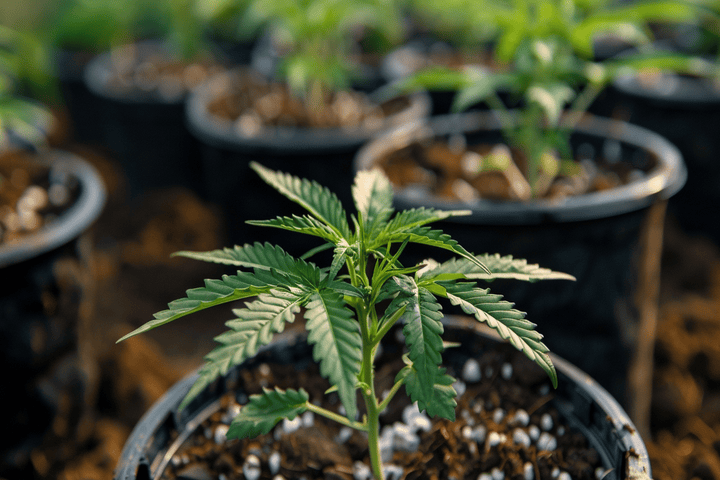
Healthy soil is a foundational requirement of how to grow weed outdoors. Preparation before the season starts can pay enoromous dividends later.
- Dig generous planting holes
- Enrich the soil with compost, worm castings and organic amendments
- Ensure soil is airy and holds moisture without becoming waterlogged
- Introduce microbes to help break down nutrients easily
Many experienced growers build their soil weeks before planting so biological activity has time to establish itself. Covering prepared beds with mulch can also protect soil life while retaining vital moisture. By the times plants are introduced, the environment below ground is already working in their favour.
Knowing how to choose a good soil for growing cannabis is key.
Planting Mistakes
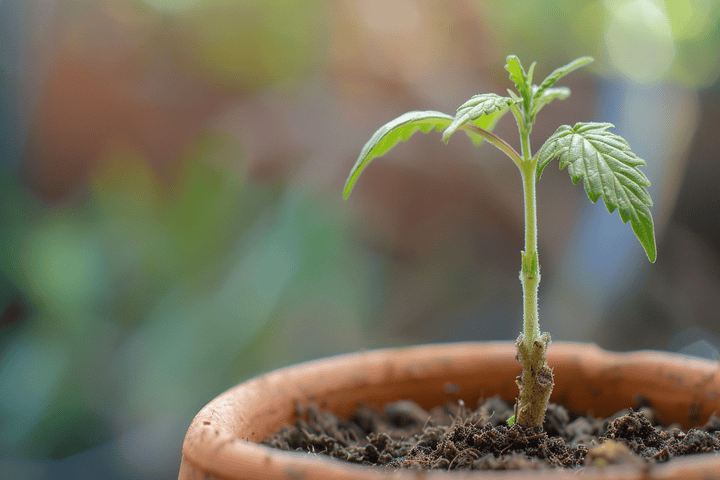
Even when growers understand the basics of how to grow weed outdoors, simple planting and transplanting mistakes can quietly set plants back before the season really begins. Cannabis seedlings and young plants are particularly sensitive during their first weeks in the ground, and small errors at this stage can limit root development for the rest of the grow.
The problem
A common mistake is planting too early in the season, when soil temperatures are still low and nights remain cold. Cannabis root growth slows dramatically in cold soil, and you plants can stall or become stressed.
Another frequent issue is planting shallow or in poorly prepared holes, where roots quickly encounter compacted ground.
Symptoms of planting mistakes
Plants sit almost motionless for several weeks if planted too soon. Leaves may lose their vibrant colour, growth stagnates, and stems remain thin rather than thickening naturally as the plant settles in.
In more extreme cases, cold soil or transplant shock can cause leaves to droop or curl while the plant struggles to establish itself.
The solution: How to time your planting correctly
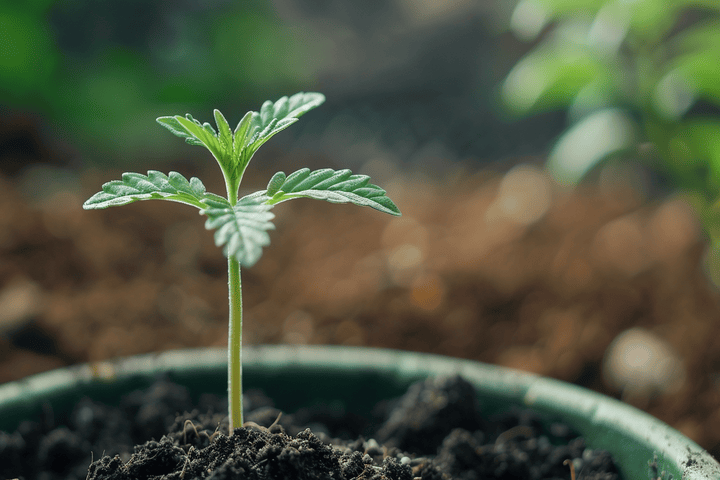
Timing and preparation are key to how to grow weed outdoors. Soil should feel consistently mild rather than cold before planting outdoors – so get out in the garden and get hands-on. In most temperate climates, waiting until the risk of frost has passed and daytime temperatures have become reliably stable allows young plants to settle in quickly.
Germinating seeds indoors and starting plants there is a good way to ensure your young plants have a degree of comfort through the earliest stages of life, then, once the outdoor temperatures have lifted a bit, take them outside and pot them in your garden.
Dig a generous hole and loosen the surrounding soil so roots can expand easily. Once planted, watering thoroughly helps the soil settle around the roots and removes air pockets that could otherwise lead to slowed early growth.
Further Reading:A Guide To Transplanting Safely
Overwatering and Poor Drainage
The problem
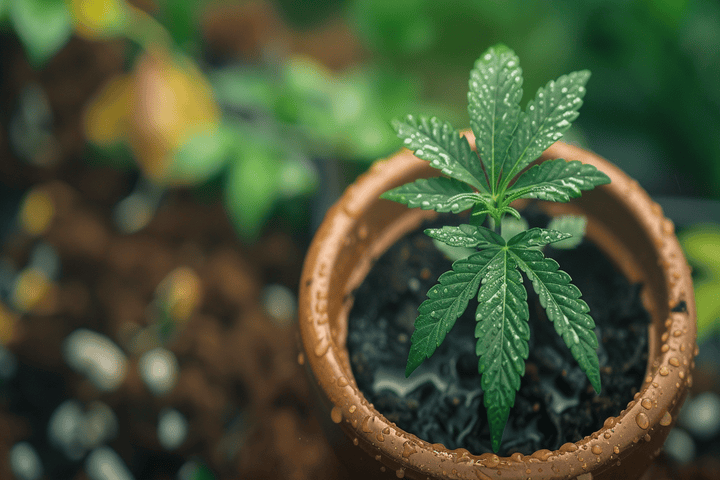
Water management can be a surprisingly difficult thing to master when you’re learning how to grow weed outdoors. Rainfall, soil type, and temperature all influence how quickly moisture disappears.
A common mistake is watering too often, especially while plants are young. It’s a practice born from good intentions. Seeing a drooping plant can encourage growers to add more water, but there’s a good chance the roots are already struggling to breathe.
Symptoms of overwatering and poor drainage
Leaves can begin to droop, growth slows noticeably, and in more severe cases, lower leaves turn yellow or develop brown spots. Roots deprived of oxygen begin to weaken, which can lead to a nasty condition known as root rot, or fungal problems developing below ground. And to make things more confusing, overwatering symptoms sometimes resemble underwatering symptoms, making the problem easy to misdiagnose.
The solution: Check your soil before watering
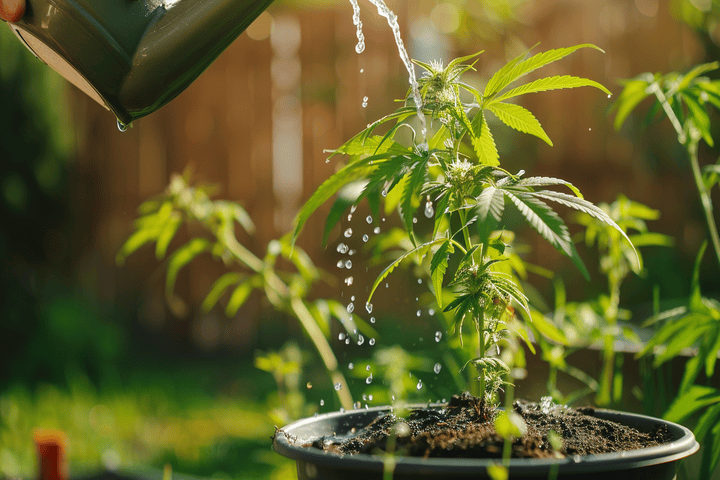
Cannabis roots prefer a cycle of watering followed by gradual drying. This encourages roots to spread deeper through the soil in search of moisture. Learn a little about the science of cannabis root health, as this makes it much easier to care for your plants.
Before watering, check the soil a few centimetres below the surface, and if it still feels damp, don’t water. Raised beds or larger containers with drainage holes can also help prevent water from building up around the roots.
In climates where there’s frequent rain, adding perlite or coarse organic matter can prevent many problems. And if you’re really struggling, read our article on how to fix cannabis overwatering.
Pest and Wildlife Pressure
The problem
When it comes to how to grow weed outdoors, weather is just one thing that can threaten cannabis plants. Since plants become part of the local ecosystem and certain beneficial insects are welcome, other insects view cannabis as an easy feast. Read the Seedsman blog to learn about insects and cannabis - the good and the bad.
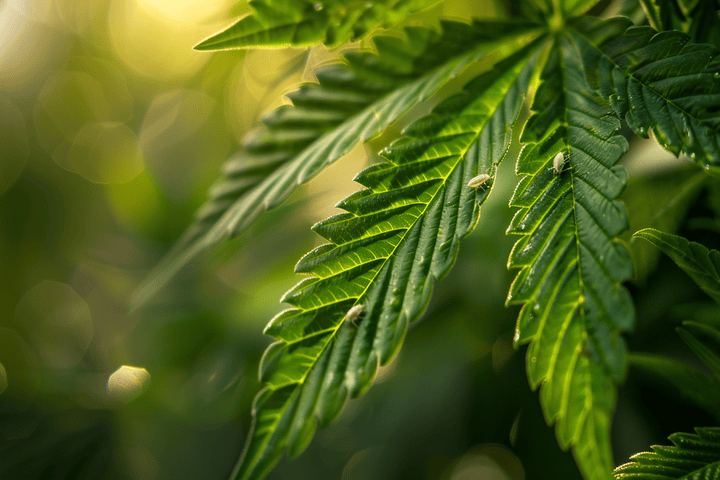
Deer, rabbits, caterpillars, aphids, and mites can all cause damage if left unchecked. The two key errors inexperienced growers make are not having an integrated pest management plan from the outset, and waiting until the infestation becomes obvious before taking matters in hand.
Further Reading: Integrated Pest Management For Cannabis Explained
Symptoms of pest damage in cannabis plants
Look for the tell-tale signs of pest presence: Small holes appearing in leaves, new growth becoming distorted, or sticky residue gathering on stems or foliage. It’s important to run regular checks on your plants to make sure there are no uninvited guests looking for a free lunch.
The solution: How to keep pests away from weed plants
When it comes to pest activity, prevention is far easier than cure. Regular inspections allow growers to catch early warning signs before these blighters move in and get comfortable.
But there’s more you can do to keep beasties at bay. Start with a full integrated pest management plan for you garden that includes biological and chemical controls. Sticky traps can lure airborne pests away from your plants - position them around head height around your garden to provide a layer of protection.
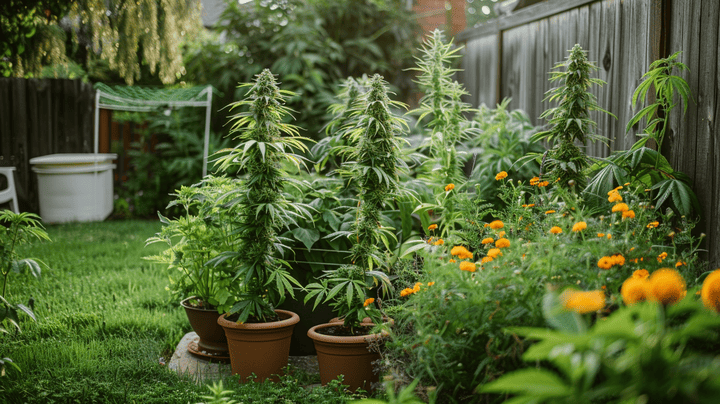
Companion planting is another worthy weapon to add to your arsenal. By planting aromatic herbs nearby, you can discourage certain insects while attracting more of the benificial kind. Basil, dill, mint, and marigold (although some growers dispute this one) rank among the best companion plants for an outdoor garden.
Further Reading:A Guide To Companion Planting With Cannabis
Finally, organic pest management sprays – when applied early in the season (before flowering) can also keep pests at bay without harming the surrounding ecosystem.
Underestimating Plant Size
The problem
One of the most overlooked aspects of how to grow weed outdoors is just how large cannabis plants can become. A small seedling planted in spring has the potential – depending of multiple factors – to develop into a giant, multi-metre plant by late summer.
When spacing is inadequate, plants compete for light and space, and airflow becomes constricted.
Symptoms of underestimating plant size
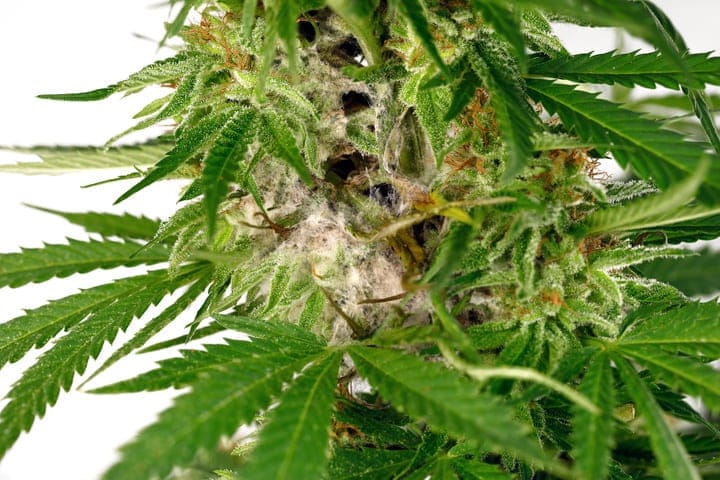
Branches grow tightly together, humidity builds within the plant canopy, and lower leaves remain in shade. This environment is detrimental to bud production, and invites mould and mildew later in the season, particularly during periods of rain or high humidity.
The solution: Allow space and provide support for growing plants
Plan for the plant you’ll have in September, not the seedling you have in April.
Generous spacing between plants allows sunlight to reach deeper into the canopy while encouraging strong airflow. Many growers also install simple support structures such as stakes, cages, or trellis netting early in the season.
These supports become invaluable once flowering begins and branches grow heavy with developing buds. Proper structure not only prevents breakage but also keeps the canopy open and balanced, allowing each branch to receive the light it needs.
Waiting Too Long To Prepare
The problem
If you’re new to growing, it’s important to start early. Outdoor growing has a natural calendar, and rushing preparations at the last gasp can lead to setbacks that could otherwise be avoided.
Waiting too long to prepare garden beds, failing to mix soil amedments thoroughly, and rushing to install irrigation systems often means plants go into the ground either before the environment is ready to support plant growth, or worse – the whole operation ends up delayed by a week or two, throwing your entire grow off track with the rhythm of the seasons.
Symptoms of starting your outdoor grow late
Growth becomes uneven during the early part of the season. Plants may take longer to establish themselves, and root systems can remain smaller than they should be during the vital early stages of growth.
This slow start can affect the entire season, as ensuring strong early development is a crucial part of how to grow weed outdoors. Plants need the right start to support the explosive growth that comes during the longer days of summer.
The solution: Prepare your garden well in advance
Get to work early - March and April are ideal for preparation. Clearing space, preparing soil, installing irrigation, and mapping sunlight patterns early on gives growers a clear advantage once planting time arrives.
Outdoor cultivation rewards preparation and patience. The more groundwork you can complete before the season begins, the smoother the months ahead tend to be. A well-prepared garden allows plants to settle quickly into their environment and focus their energy on steady, vigorous growth.
How To Grow Weed Outdoors the Smart Way
Learning how to grow weed outdoors is less about mastering complex techniques and more about understanding the environment plants live and thrive in.
Sunlight, soil health, water balance, and simple observation are the key fundamentals from the backbone of every successful outdoor garden. When these elements are handled carefully, plants have the freedom to grow naturally, producing strong, vigorous structures and satisfying harvests.
Mistakes will aways be part of the process, even for experienced growers. The difference is that seasoned cultivators recognise the warning signs early and adjust before small problems become big headaches.
