
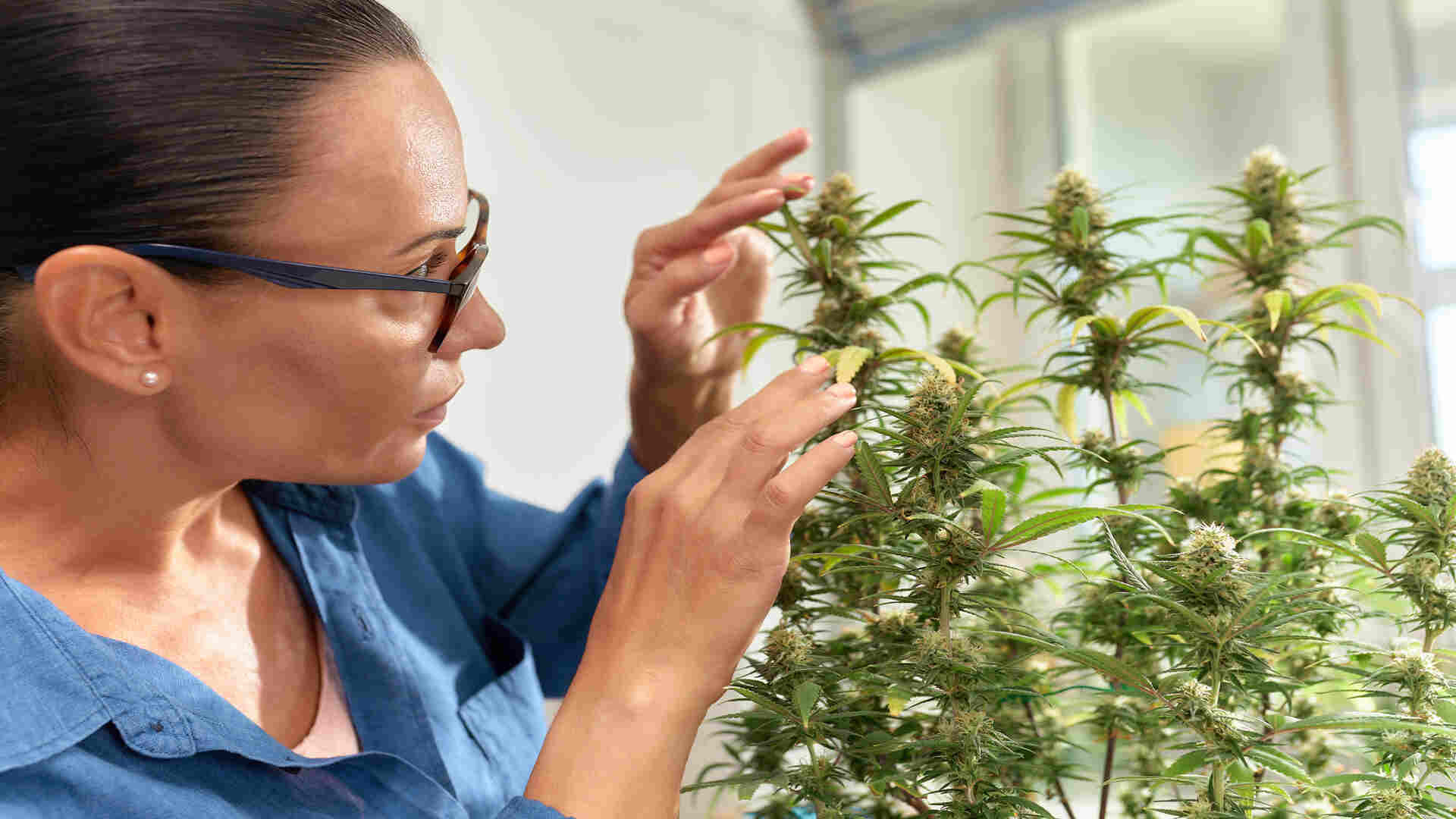

Most people don't get into cultivating weed because they want another thing to micromanage. They do it because something about the process pulls them in. Watching a plant respond to its environment and learning what healthy growth actually looks like. Spending a bit of time each day with hands in the soil. It starts there for a lot of growers.
And then, somewhere along the line, the internet gets involved.
Suddenly every forum thread is shouting different advice. Feed more. Feed less. Defoliate heavily. Never touch the leaves. Buy more equipment. Use these nutrients. Fix problems that don't even exist yet. New growers often end up overwhelmed long before they ever become experienced.
The truth is far less dramatic. rcannabis plants tend to come from steady conditions and close observation much more than complicated routines. Visit any successful grower and you'll likely find three things:
- Good genetics
- A steady, stable environment
- A patient, observant grower
In this guide, we're going to break down how to grow weed in a way that feels practical and realistic. These princjples apply whether you're growing indoors under LEDs or making the most of the long days and sunshine outdoors.
Start With Genetics That Match Your Environment

A lot of cultivation problems begin before a cannabis seed ever germinates. Experienced growers often find it easier to work with their environment instead of trying to force conditions that don't suit the cultivar they've chosen.
For example: a tall, long-flowering sativa might thrive outdoors in a warm climate with a long season ahead. But that same plant could become difficult to manage inside a compact grow tent with limited height. Such a strain will perform best in an environment closer to its natural habitat. Now, that's not to say you can't grow a great sativa-dominant cannabis strain indoors - but it does involve a bit more from the grower. Environmental conditions can affect plant performance [1].
This is where autoflowering varieties have become popular with newer growers and busy households. They tend to stay smaller, move faster, and fit more naturally into shorter outdoor seasons or tighter indoor spaces. Photoperiod varieties, on the other hand, usually offer more control over plant size and training time.
Neither approach is automatically "better." It depends on the setup, the climate, and how involved you want the process to become. Before planting - when choosing your seeds - it helps to ask a few realistic questions:
- How much room do you actually have?
- If growing outdoors, will temperatures soar in the summer?
- Does your schedule and lifestyle allow you to check your plants every day?
- Are you growing discreetly or openly?
- Do you want a shorter grow, or more time to shape the plant?
The answers to these questions matter more than chasing whatever strain happens to be trending this month.
Related ArticleAutoflowering vs Photoperiod Cannabis: Which One Is For Me
How To Cutivate Weed: Build The Environment Before You Build The Plant

New growers sometimes focus entirely on nutrients while overlooking the thing cannabis responds to most consistently: environment.
Growers can usually recover form a missed feeding. But poor airflow, excessive humidity, unstable temperatures, or weak lighting tend to create longer-term stress that compounds quietly over time.
Indoor growers should pay attention to:
- Air circulation
- Consistent light coverage
- Temperature swings between day and night
- Humidity during veg and flower
- Fresh air exchange
Outdoors, the conversation changes a bit. Here, protecting your cannabis plants from heat stress becomes more important as summer approaches. This is especially true across hotter regions where containers can dry rapidly during peak afternoon temperatures. A plant growing in dark fabric pots under direct sun will likely need dramatically more water in July than it did it late May.
Healthy roots like oxygen as much as moisture. Overwatering still catches out a lot of growers because wet soil can look safe while roots slowly suffocate underneath. One of the better habits growers can build early is simply learning the weight of their pots. Dry containers feel noticeably lighter. Over time, with experience, you can stop guessing when to water.
Another useful skill to learn early on is how to fix cannabis overwatering. That way, growers know how to course-correct before it's too late.
How To Cultivate Weed: Which Medium Is Right For You?
There's no shortage of debate here. Entire communities are built around different growing mediums, and every grower seems convinced theirs is the best route. But while it might be the best for them, it doesn't guarantee it's right for everyone. Realistically, each medium changes how hands-on the process becomes.
Soil
Soil tends to offer the widest margin for error. Good organic blends can buffer nutrients naturally and support slower, steadier development. Many growers enjoy the simplicity of watering and letting the biology underneath do some of the work.
Related Article How To Choose A Good Soil For Growing Cannabis
Coco
Coco Coir usually moves faster. Plants can grow aggressively in coco when feeding and irrigation are dialled in, but it demands consistency. Letting coco dry too hard or feeding inconsistenly can create problems quickly.
Related Article How To Grow Cannabis In Coco Coir
Hydroponics
Hydroponic systems can produce rapid growth and impressive results in experienced hands, although they often leave less room for neglect or environmental instability. In addition, hydroponic setups are generally more expensive, and harder to maintain.
Related ArticleThe Ultimate Hydroponics Grow Guide
For newer growers learning how to cultivate weed, simpler setups are often easier to maintain long-term. Complicated systems look impressive online, but don't necessarily produce next-level results that can't be attained though simpler setups. They also create more variables to manage when something goes wrong.
Light Intensity Changes Everything
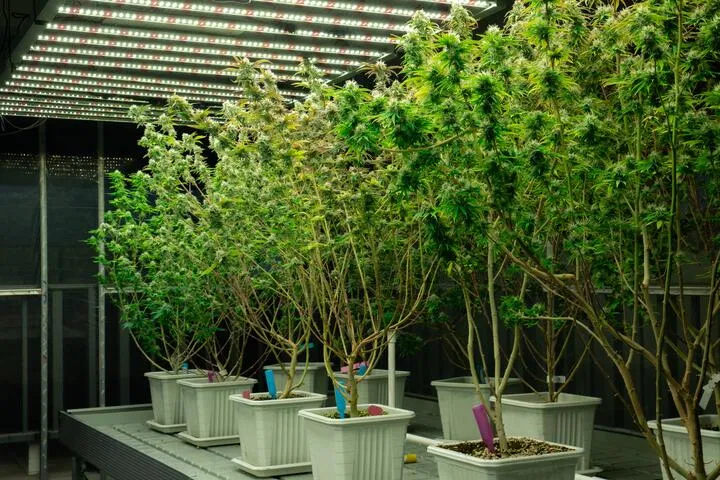
When it comes to how cultivate weed in an indoor setting, success lives or dies around lighting quality. That doesn't necessarily mean spending huge amounts of money, but weak lighting usually produces weak structure, stretched growth, and disappointing flower development later on.
Modern LEDs have changed indoor growing significantly over the last decade. They run cooler than the older HID systems and generally offer superior efficiency. This matters during warmer months when tents can already struggle with heat buildup.

Related Article A Guide To Choosing Grow Lights
But more light is not always better.
Plants stressed by excessive intensity often show symptoms growers mistake for deficiencies. Bleached upper leaves. Canoeing edges. Sometimes the answer isn't more nutrients. Sometimes the lighting is just too close to the plants.
A healthy cannabis plant usually tells you a lot if you slow down enough to look properly. Leaves reaching upward during lights-on time usually indicate good environmental balance. But constant drooping, twisting, spotting, or clawing means something in the system needs attention. This is why learning to read the plant's signals is a vital component of how to cultivate weed.
Avoid making panic adustments every few hours. Cannabis responds better to steady corrections than it does to constant interference.
Related ArticleDiagnosing Light Burn In Cannabis Plants
How To Cultivate Weed: Feeding Cannabis Without Overcomplicating It
Nutrient schedules online can often look more aggressive than they need to be. Many experienced growers actually feed their plants less than beginners expect.
During vegetative growth, cannabis generally benefits from nitrogen support as it builds out stems, branches, and foliage. Then, once flowering is underway, phosphorus and potassium demands typically increase. That's the job of each cannabis nutrient explained in the simplest possible terms. The mistake happens when growers treat nutrient charts like instructions that must be followed at max strength.
Plants don't read nutrient schedules [2]. The environmental conditions, root health, watering frequency, cultivar differences, and light intensity all affect the plant's nutrient uptake. A feeding plan that works perfectly in one grow room can overwhelm plants in another.
It's usually safer to begin feeding lighter and increase gradually if the plant appears healthy and hungry. Learning how to cultivate weed successfuly involves understanding the plant's messaging.
Signs of overfeeding can include:
- Burnt Leaf Tips
- Very Dark Foliage
- Clawing Leaves
- Stunted growth
Underfeeding tends to develop much more gradually. Plants will often pale slightly or lose lower leaves over time. Both issues are easier to fix early.
Watering Cannabis Is More Important Than Many Growers Realize

Ask experienced cultivators about beginner mistakes and overwatering gets mentioned frequently. Part of the confusion comes from good intentions. People see it as caring for the plant, keeping it well handy and avoiding parching the poor thing, so they keep watering it. Unfortunately, saturated roots struggle to access the oxygen they need to survive, and stressed roots usually lead to slowed growth above the soil.
A healthier approach is to water thoroughly, then let the medium dry partially before watering again. Not bone dry - partially dry. Stick your finger in the soil and poke down a litte. If you hit moisture, hold off on watering for now.
Outdoor plants may drink heavily every day during the height of summer. Smaller indoor plants in cooler rooms might not need water nearly as often. This is why fixed watering schedules may be leading. Again, it comes back to following the cues of the plant. The plant decides the pace. The grower learns how to respond.
Related Article How To Water Cannabis Plants Using Rainwater
How To Cultivate Weed: Plant Training For Better Structure

Cannabis naturally wants to grow upward. Training techniques help redirect that energy more evenly across the canopy.
Some growers prefer low-stress training, gently bending branches outward to expose more flowering sites to direct light. Others will top plants early on to encourage multiple main stems instead of a single dominant cola.
There's no requirement to train aggressively, especially if growing autoflowers that operate on a faster timeline with less runway for recovery. In many cases, simple adjustments produce meaningful improvements without adding unneccesary stress to the plant.
Having a flatter canopy usually helps indoors, allowing light to distribute more evenly. Outdoors, training can greatly improve airflow through the plant and reduces areas of excessive shading.
The important thing is timing. Healthy plants usually recover better from training than plants already coping with nutrient problems or environmental stress.
Related ArticleIntroduction To Cannabis Plant Training Techniques
Pest Prevention Beats Pest Treatment - Every Time

When summer temperatures rise outdoors, insects become part of the conversation. Spider mites, fungus gnats, aphids, caterpillars, and thrips can all appear surprisingly quickly under the "right" conditions. Indoor grows aren't immune from pests, either, especially if contaminated clones, clothing, or outdoor plants enter the grow space.
Cleanliness helps more than people think.
Related Article How To Clean Your Grow Room
Problems start from a range of issues - dead leaves sitting in damp corners, stagnant air, standing water and overcrowded canopies. These small details create easier conditions for pests and fungal issues to spread.
That's why regular plant inspections matter. Looking underneath leaves only takes a few seconds and can prevent major headaches later. Most experienced growers have an IPM - an integrated pest management plan in place at every grow. A multi-pronged approach including sticky insect traps and companion planting can go some way to keeping plants pest-free. Experience shows that it's better to prevent infestations than fight them halfway through flowering.
A little preparation upfront makes for a more peaceful and relaxed growing experience.
Drying and Curing Deserve More Respect
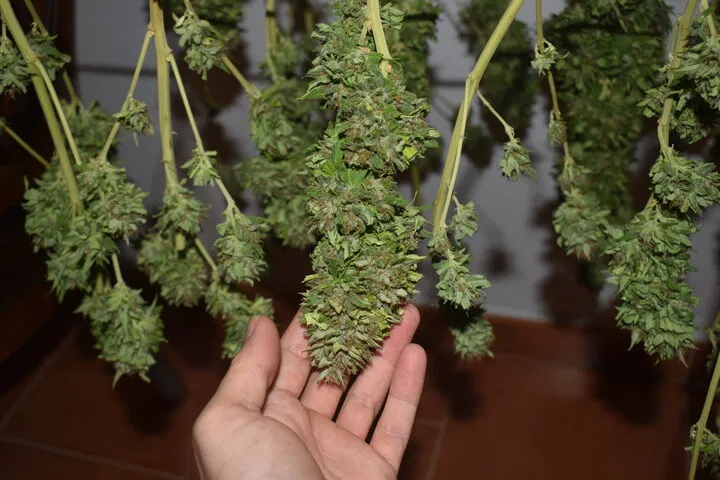
Admittedly, this one isn't so much about how to cultivate weed as how to look after the fruits of your labor. But there's no sense running the perfect grow only to handle the end product poorly and spoil all your hard work. At the end of all those busy weeks, it's the flower that really matters to most growers.
A surprisingly large amount of quality can disappear after harvest [3], and the number one reason is usually impatience. Desperate to get hands on those beautiful buds, too many growers rush things. Fast drying in overly hot conditions tends to reduce aroma and create a harsher smoke. Humidity that stays too high for too long can encourage mold. You've waited patiently for your plants to ripen. Drying calls for a little more of that patience. Good drying is slower than people expect.
Experienced growers often aim for stable airflow, moderate humidity, and plenty of patience to execute an ideal dry.
Related Article How To Dry Buds Safely For Optimal Terpene Preservation
Curing the buds matters, too. Properly cured cannabis usually develops a smoother profile and more refined aroma over time [4[. This occurs when moisture equalizes throughout the flower.
Learning how to cultivate weed often focuses on equipment, techniques, and discussion over nutrients. But correct drying and curing has a huge impact on the final experience.
How To Cultivate Weed: Stop Chasing Perfection
There's always a new technique to try, or another piece of equipment. That can make how to cultivate weed feel more complicated than it really needs to be.
Most successful growers improve because they stay observant and keep showing up consistently, even after a rough run or a disappointing harvest. They learn how their environment behaves during summer heat. They notice how quickly certain cultivars drink water. They become more patient, and more measured.
If you're learnng how to cultivate weed, focus on building healthy plants rather than chasing impossible standards. Stable conditions, quality genetics, and daily attention will usually carry growers further than complicated routines ever will..
And sometimes, the best lessons come from grows that don't go perfectly.
--------------------------------------------------------------
References:
[1] Trancoso, I., de Souza, G.A.R., dos Santos, P.R., et al. (2022). Cannabis sativa L.: Crop Management and Abiotic Factors That Affect Phytocannabinoid Production. Agronomy, 12(7), 1492.
[2] Hershkowitz, J.A., Westmoreland, F.M., & Bugbee, B. (2025). Elevated root-zone P and nutrient concentration do not increase yield or cannabinoids in medical cannabis. Frontiers in Plant Science.
[3] Zhang, M., et al. (2022). Postharvest Operations of Cannabis and Their Effect on Cannabinoid Content: A Review. Frontiers in Plant Science.
[4] Baek, Y., Grab, H., & Chen, C. (2025). Postharvest Drying and Curing Affect Cannabinoid Contents and Microbial Levels in Industrial Hemp (Cannabis sativa L.). Industrial Crops and Products.