
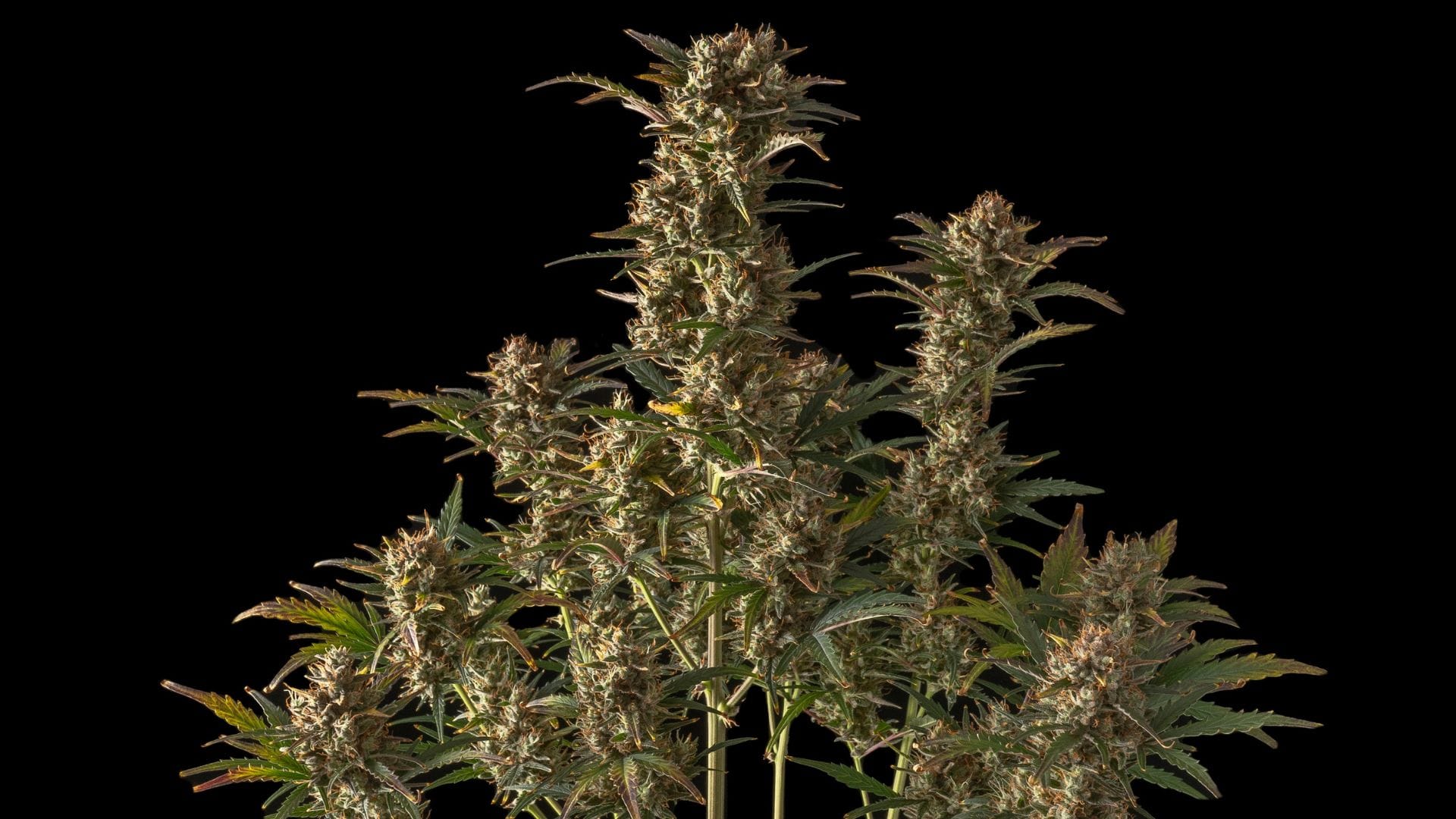

Right now on Seedsman we're offering incredible deals and discounts on a selection of the world's greatest autoflower genetics. Head over to our promo page for more details.
Over the past few years, cannabis cultivation has witnessed a significant evolution with the rise in popularity of autoflowering cannabis strains. These strains have become the go-to choice for many growers, especially those new to the world of cannabis cultivation. Autoflowering strains are prized for their ease of growth, quick turnaround time, and ability to adapt to various growing conditions.
But is there a trade-off? While autoflowering cannabis stains can arguably benefit the cultivator in convenience terms, how does this affect yield or quality? And just as important is the question, “How tall do autoflowers get?”
If you're contemplating growing cannabis at home, this is crucial in determining the available space for your grow setup. This article will delve deep into the height of autoflowering cannabis strains, the factors affecting their growth, and tips to control their size.
Understanding Autoflowering Cannabis Strains
Before we discuss the height aspect, it's essential to understand what sets autoflowering strains apart from their photoperiod counterparts. Autoflowering cannabis plants are a cross between Cannabis ruderalis and either Cannabis indica or Cannabis sativa. Not so long ago, ruderalis was the seldom-mentioned cousin of indica and sativa. It’s grown in the wild for thousands of years and was overlooked as little more than a weed, uncultivated and left to fend for itself among the elements. But fend, it surely did, and herein lies the hidden power of the ruderalis.


By being left largely untouched, cannabis ruderalis faced the common natural dilemma of ‘adapt or die’. Over time, the plant evolved to cope with the often-extreme climates and environments in which it grew, including parts of Asia, Europe, and, perhaps most importantly, Russia. Ruderalis learned to survive in some of the harshest climates on the planet, and this is where it evolved its most desirable trait – the ability to flower based on age rather than daylight hours.
Ruderalis will typically enter flowering after 3-4 weeks of vegetative growth, no doubt a natural response to the shorter summers of its natural environment. This discovery marked a considerable shift in cannabis breeding; while ruderalis is not typically desirable on its own, when introduced to a breeding programme in conjunction with indica or sativa genetics, it allows for a much shorter lifecycle in the resulting cultivar. Among the most significant upsides are the reduced risk of losing an entire crop to bad weather, and allowing for multiple harvests a year.
Ruderalis genetics allow these strains to flower automatically without relying on a specific light cycle. This makes them an excellent choice for growers with limited space or time constraints.
Short And Sweet: The Spectrum Of Typical Auto Heights
Autoflowering strains tend to be smaller than their photoperiod counterparts, primarily because of their rapid growth cycle. The average size for autoflowering cannabis strains ranges between 1-4 feet (30-120 cm). However, the size of your autoflowering plants depends on several factors, including the specific strain, growing conditions, and cultivation techniques. Let's take a closer look at these factors.
Strain Genetics: Size Variations
The specific strain you choose plays a significant role in determining the size of your autoflowering cannabis plants. Different strains exhibit varying size traits, and breeders have developed numerous autoflowering strains with unique characteristics. Bear this in mind when shopping for autoflower seeds.
Short Autoflowering Strains: Some strains, like RQS Royal Dwarf Auto or Atlas Seed Top Gun Auto, can grow as short as 1-2.5 feet (30-75 cm) in height. These compact plants are ideal for small spaces.


Medium Autoflowering Strains: Many autoflowering strains, like Northern Lights Automatic or Amnesia Auto, typically reach 2-3 feet (60-90 cm). These strains offer a balance between space-saving and yield potential.



Tall Autoflowering Strains: A few autoflowering strains can grow up to 4 feet (120 cm) or taller, such as Zkittlez Auto. These strains usually produce higher yields but may require additional space and support.

Browse our incredible range of autoflowering cannabis seeds
Environmental Factors: The Impact On Height
The environment in which your autoflowering plants grow significantly influences their final height. Let's explore some of the key environmental factors that affect the size of your autoflowering cannabis plants.
Pot Size:
The size of the container you choose for your autoflowering plants will impact their overall size. Smaller containers restrict root growth, which can result in smaller plants. However, be cautious to avoid stunting your plants by using containers that are too small. It’s essential to start your autos in their final pot and avoid trying to transplant them. Transplanting causes cannabis plants to stress, and the short lifecycle of autoflowering stains means they don’t have time to recover.
Light:
Light is the primary energy source for cannabis plants, and the intensity and duration of light exposure can significantly impact their growth. In general, autoflowering strains grown outdoors under natural sunlight tend to be taller than those produced in an indoor grow room under artificial lights.

Temperature:
Cannabis plants thrive in moderate temperatures, ideally between 68-77°F (20-25°C). Excessively high or low temperatures can stunt growth, leading to shorter plants.
Nutrients:
While proper high-quality nutrition is crucial for the healthy growth of cannabis plants, over- or under-fertilizing can result in various issues, including stunted growth, nutrient burn and reduced yield. It’s helpful to know that autos tend to have lesser nutrient needs, and the same goes for watering. Too much of either can cause problems for autoflowering strains, so don’t overdo it.
Cultivation Techniques: Controlling Height
As a cannabis grower, you can allow your auto to reach its full potential or influence the height of your autoflowering plants through various cultivation techniques. The following methods can help you manage the size of your plants, especially in situations where grow space is limited.
Low-Stress Training (LST): LST involves gently bending and tying down branches to encourage horizontal growth. This technique allows you to control the height of your plants without causing significant stress, which can be detrimental to autoflowering strains.
Screen of Green (ScrOG):ScrOG is a popular method for controlling plant height and maximizing yield. By placing a screen or net above the plants, you can train their branches to grow horizontally through the screen's gaps. This technique promotes even light distribution and can help keep your autoflowering plants within the desired height range.
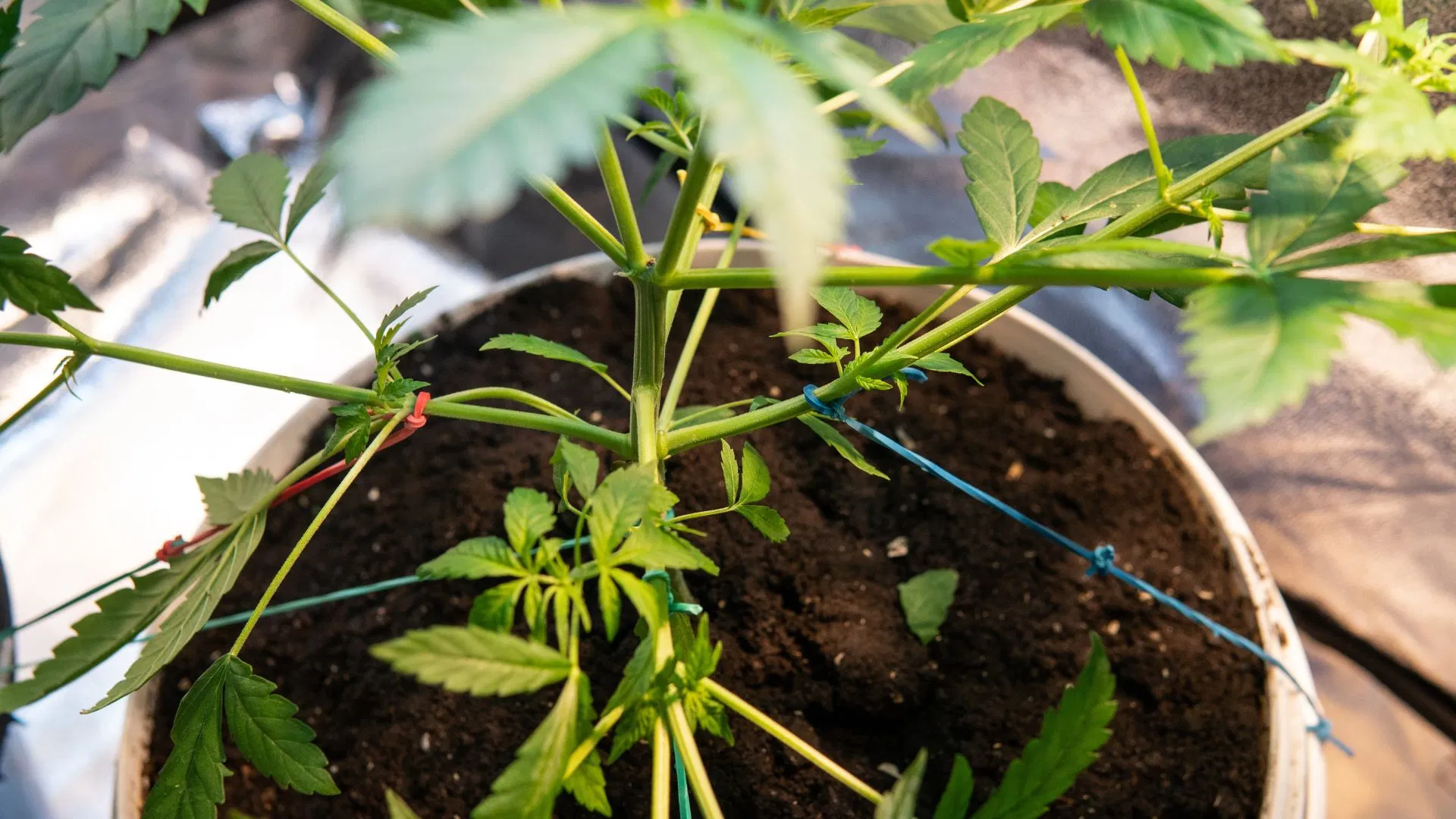
Pruning: While it's generally not recommended for autoflowering strains, minimal pruning can be used to control height. It's essential to avoid over-pruning, as autoflowering plants have a limited time to recover from stress.
Does Autoflowering Mean Lower Yielding?
Until recently, the yield was the fundamental trade-off for growers choosing autoflowering cannabis strains over photoperiod plants. The shorter life cycle and smaller plants did ultimately equate to harvests notably lower than those produced by photoperiod strains. The good news is that genius breeders have been working on closing that gap. As the range of autoflowering varieties grows, more autos are popping up with much higher yield potential. For example, Seedsman’s Strawberry Cheesecake Auto can yield up to 500gm/m2 from an indoor grow, with outdoor growers potentially harvesting 600gm/plant. Autos are slowly catching up.

Embracing The Autoflowering Advantage
The height of autoflowers will vary depending on the strain genetics, environmental factors, and cultivation techniques employed. Generally, autoflowering plants are smaller than their photoperiod counterparts, with an average height range of 1-4 feet (30-120 cm). This compact size makes them an attractive option for home growers with limited space.
When selecting an autoflowering strain, consider the available space and your desired yield to choose the most suitable option. Also, remember that environmental factors such as light, temperature, and nutrients can significantly impact the size of your plants. By implementing appropriate cultivation techniques, you can effectively control the height of your autoflowering cannabis plants and achieve optimal results. In summary, autoflowering cannabis strains offer numerous benefits, including shorter growth cycles, adaptability, and manageable heights. With some planning and attention to detail, you can successfully grow these strains in various settings and enjoy a bountiful harvest.
If you're looking for something special in an autoflowering cannabis strain, look no further. Seedsman has an extensive range including some of the finest autoflowering genetics you'll find anywhere.