
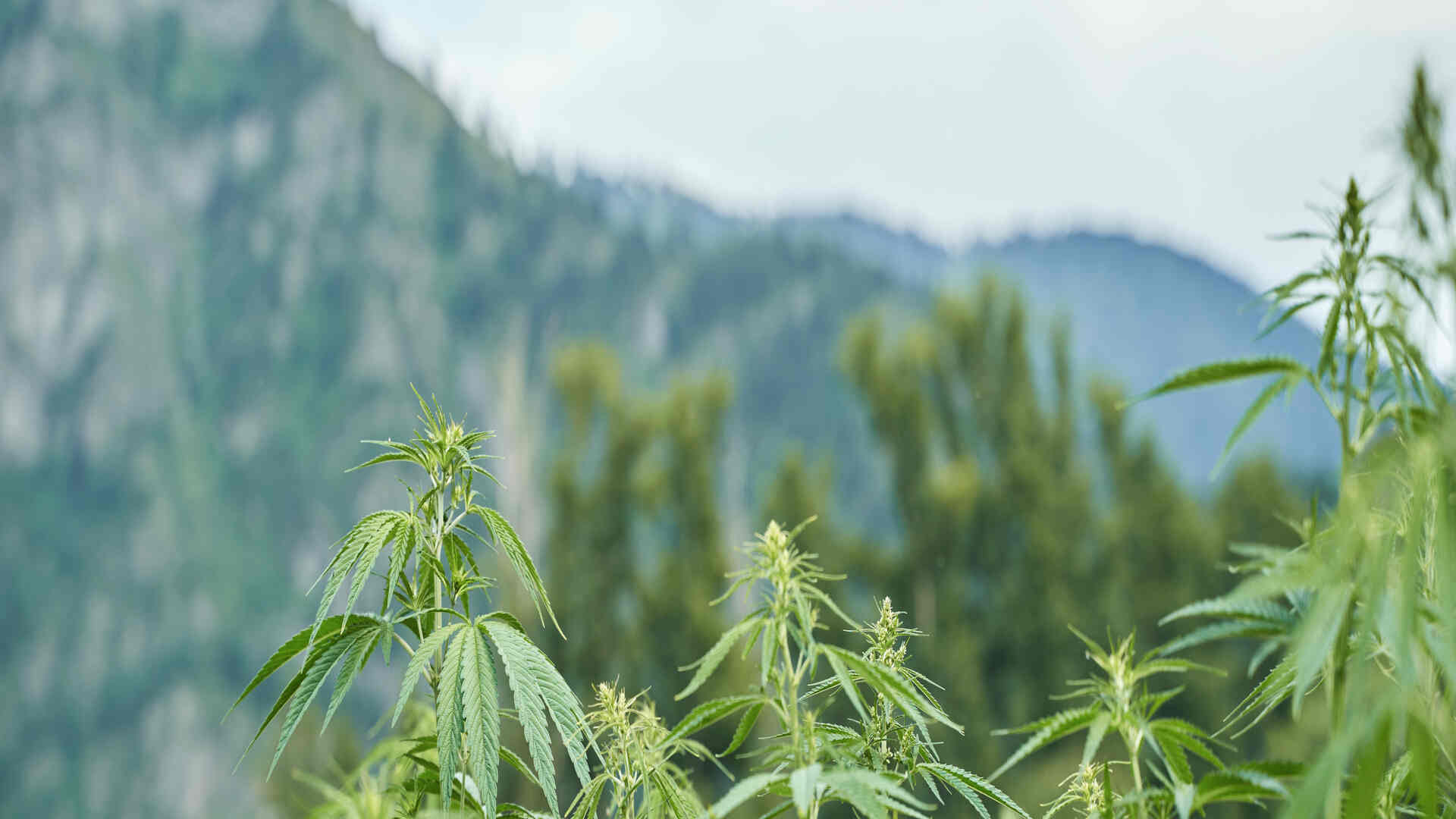

Where does weed grow in the wild? It’s a question that sparks curiosity not just in growers, but in anyone interested in the story of cannabis. Weed didn’t just suddenly appear in dispensaries or in the neatly-trimmed gardens of growers. It has a long, wandering history, and it grows naturally in diverse environments across the world.
From the mountainous regions of Central Asia to the heat-soaked plains of Africa, cannabis has adapted to survive and thrive in wild conditions for thousands of years.
Answering the question of where weed grows in the wild means looking at geography, climate, and history. Cannabis is a remarkably resilient plant, which is part of why it spread so widely. The plant evolved as both a hardy annual and a versatile species, proving capable of surviving harsh winters, hot summers, and everything in between. Today, many modern cannabis strains trace their lineage back to wild populations, giving a fascinating insight into the plant’s origin story.
Central Asia: The Birthplace of Cannabis

The story of cannabis starts in Central Asia. Scholars widely agree that cannabis first emerged in the regions around modern-day Mongolia, Kazakhstan, and southern Siberia. Here, the harsh continental climate – long, extremely cold winters and short summers – shaped a tough, fibrous plant, capable of withstanding frigid winters and short, unforgiving growing seasons.
Familiar strains that originated from this region include the classic pure indica Hindu Kush varieties. Hindu Kush cannabis is named after the mountain rage that separates Afghanistan and Pakistan, and these plants have adapted to the rugged terrain, producing the type of dense resin coverage synonymous with Kush strains as a means of protecting themselves from UV exposure and harsh winds. The resilience these varieties are famed for explains why their modern descendants are popular for indoor and high-altitude cultivation.
Importantly, wild or semi-wild populations of cannabis still exist in these areas today, particularly in the Potohar Plateau and the Himalayan foothills, where they grow without direct human cultivation (BMC Plant Biology, 2024). These populations are closer to truly wild cannabis than most modern cultivated strains.
Further Reading:Hindu Kush Cannabis: The Story Behind The Seeds
Where Weed Grows in the Wild: The Himalayas and Nepal

Moving south of Central Asia brings us to the Himalayan region, and that presents another fascinating case for cannabis. Weed grows in the wild along river valleys and mountain slopes, and can even be found thriving at altitudes above 3,000 feet. These particular cannabis plants evolved alongside communities who cultivated them for textiles, medicinal uses, and even ritual purposes. Strains like Nepalese and Afghan landraces are deeply rooted in this region, and Seedsman carries a diverse collection of cannabis seeds with Aghani origins.
Nepalese hash plants have thick, resinous flowers that help the plant survive frost and colder temperatures.
The local conditions shaped the plants’ potency, aroma, and growth habits, leaving a legacy that continues in modern hash and indica strains (Clarke & Merlin, 2013). Weed grows in the wild in this region to this day, particularly in remote valleys and cliffs of Himachal Pradesh and neighboring regions.
China: The Forgotten Zone Where Weed Grows in the Wild
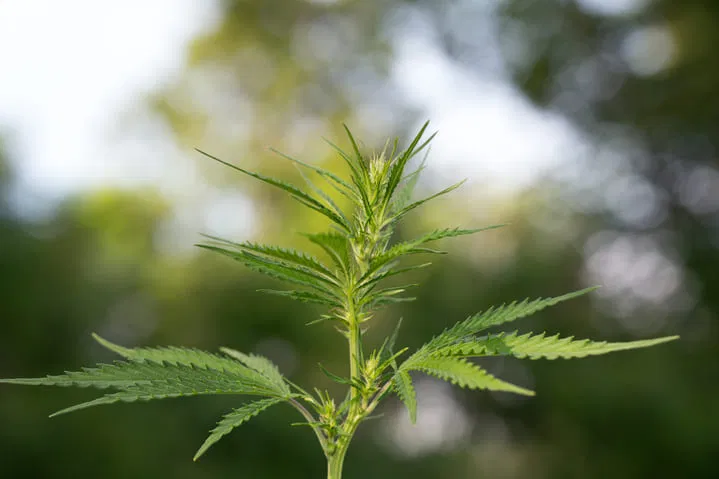
Heading further east, China doesn't always get the spotlight in cannabis discussions, but it is another historic place where weed grows in the wild. Cannabis sativa varieties historically grew along river plains and in forests. Ancient Chinese texts, such as the Pen Ts’ao Ching from the 1st century CE, reference cannabis as both medicine and fiber (Booth, 2003).
Wild cannabis populations historically spread across river plains, forest edges, and disturbed farmland throughout northern and western China. The wild populations here were more sativa-leaning, tall and fibrous, with long flowering cycles. Modern sativa strains like Yunnan Gold and Huangshan trace back to these regions, retaining the plant’s natural adaptability and vigorous growth patterns.
Nowadays, weed grows in the wild, wild-like conditions or in spontaneous cannabis populations in China – still calling northern and western provinces home. Many have genetic influence from centuries of human agriculture (BMC Plant Biology, 2022), but they continue to grow naturally without planting or maintenance. It's a perfect example of how cannabis refuses to disappear once it finds a suitable environment.
India: Where Sacred Weed Grows in the Wild

South Asia, and in particular, India, has one of the most storied histories of wild weed, with recreational uses, ceremonial uses, and even uses of cannabis in Āyurveda (Indian medicine). The Indian subcontinent is home to landraces like Kerala and the delicious Malana Cream. Malana Cream, grown in the remote valleys of Himachal Pradesh, has been cultivated in relative isolation for centuries, but this weed grows in the wild along cliffs and terraces, too.
These plants adapted to high-altitude rocky terrain and limited nutrients. They developed potent resin and some unique flavor profiles that make them popular with discerning connoisseurs even today.
India’s tropical and subtropical climates allowed sativa and hybrid forms to thrive, creating a rich genetic pool that influenced modern strains used worldwide nowadays (Clarke & Merlin, 2013). Wild or semi-wild weed grows in parts of Himachal Pradesh and surrounding highlands, surviving independently of human cultivation, proving that cannabis remains a plant built to endure.
Africa: Sun, Soil, and Durban Poison
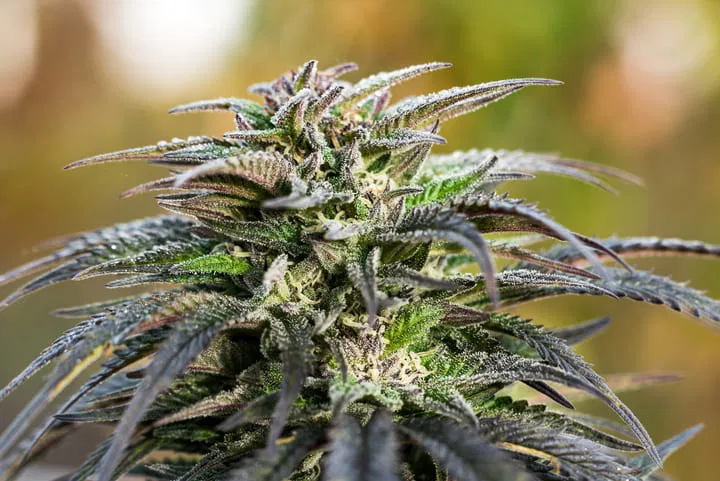
Africa offers yet another wild cannabis domain, with South Africa specifically a hotspot for where weed grows in the wild. In places like South Africa, Malawi, and eSwatini (Swaziland), weed grows in the wild along riverbanks and open fields. Durban Poison, a sativa landrace that many modern growers know well, originates here. These plants evolved under intense sunlight and heavy seasonal rains, resulitng in faster-flowering, energetic sativas.
High-THC profiles and spicy-sweet aromas are adaptations to sun-baked environments. Seeds disperse easily, allowing wild populations to persist across generations.
A lot of this South African weed still grows in the wild even, especially in regions where cultivation has coexisted with natural habitats for centuries.
The Americas

In the Americas, wild cannabis took a slightly different route. After humans brought cannabis seeds from Asia, some populations escaped cultivation and naturalized in the wild. In the United States, feral hemp plants appeared along rivers, in abandoned fields, and on roadsides (cannabis Ruderalis). While these aren’t traditional landrace strains, they contributed to the genetic diversity that modern breeders draw from.
Mexico’s highlands developed their own landraces, historically used for fiber but also psychoactive applications (Schultes & Hofmann, 1980). These populations are largely feral, descended from cultivated plants rather than truly ancient wild cannabis.
Further Reading:What is Landrace Cannabis?
Europe and the Mediterranean
Flying back across the Atlantic, Europe isn't typically listed as a birthplace, but it still hosts naturalized cannabis populations. Regions with historic hemp farming, especially around the Mediterranean, often see self-seeding cannabis growing without cultivation.
These plants adapted to warm summers, mild winters, and seasonal rainfall patterns. While they usually descend from agricultural hemp, they demonstrate cannabis' incredible ability to rewild itself when conditions allow. (Biology Insights, 2025).
Survival Strategies: How Weed Grows In The Wild?
Throughout the ages, wild cannabis has relied on more than just climate and soil. It survives through natual selection, producing seeds that can remain dormant until the conditions are right. Some plant populations have adapted to resist pests, while others developed high resin production as a natural sunblock. Wild cannabis often coexists with local flora and fauna, creating ecosystems where the plant both influences and is influenced by its surroundings.
Understanding where weed grows in the wild isn’t just academic. It’s a roadmap of cannabis evolution. Modern breeders study these populations to capture traits like drought resistance, unique aromas, and natural potency. Strains like Hindu Kush, Durban Poison and more all carry traits inherited from centuries of wild growth.
Where Weed Grows in the Wild: Conclusion
Cannabis has a fascinating way of adapting to nearly any environment. Just look at the diversity of locations around the globe where cannabis has flourished, and continues to grow. From the steppes of Central Asia to the riverbanks of Africa, Himalayan cliffs and Chinese plains, weed grows in the wild without human intervention. Asking where weed grows naturally isn’t just about the geography of it – it's about history, culture, and survival.
This remarkable plant’s ability to survive is beyond impressive, thriving in cold, rugged mountain ranges, tropical forests, and on sun-drenched plains. In each area, each strain carries a piece of that wild story, rooted in the soil and climates that have shaped it over thousands of years.