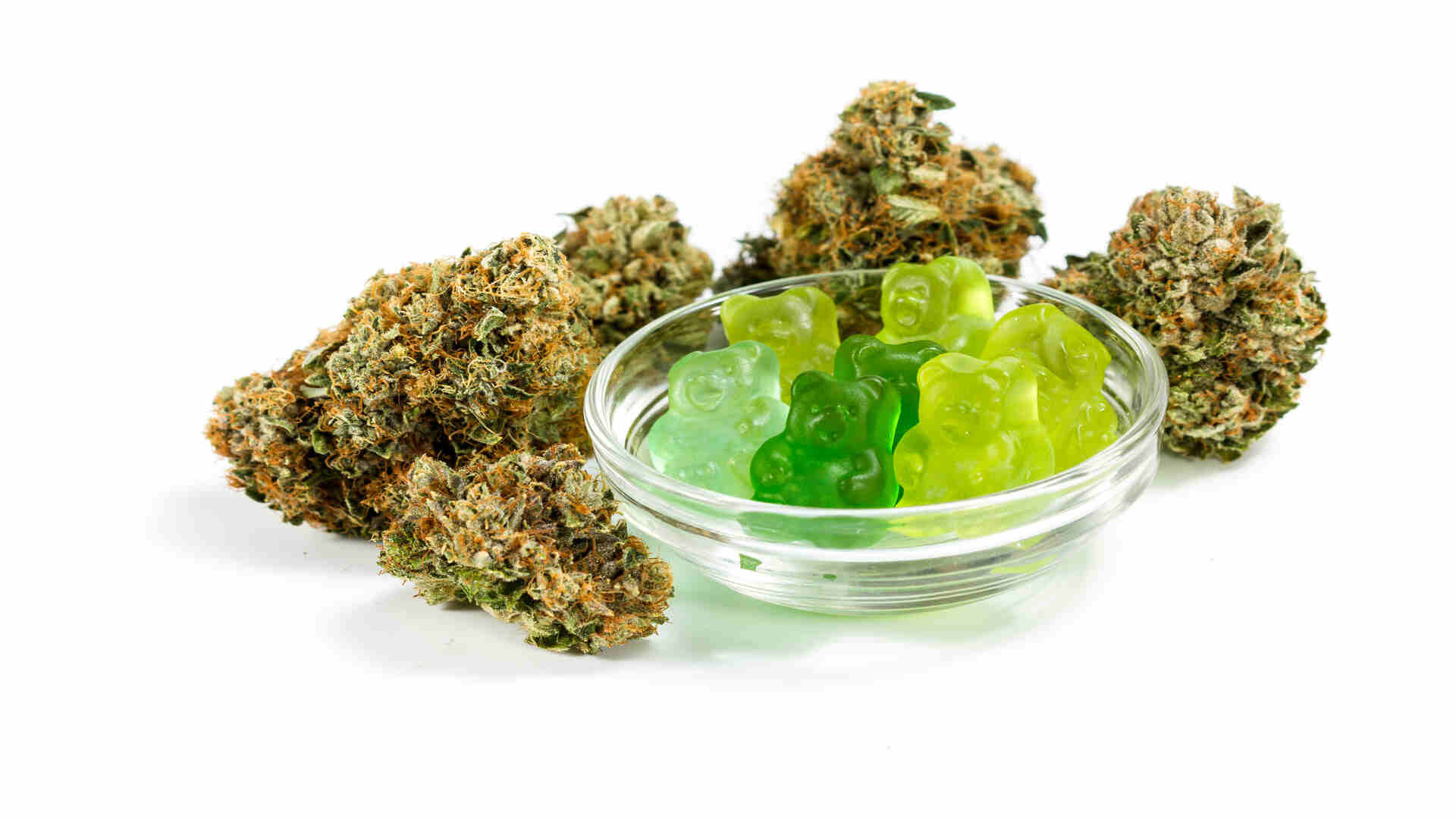
Have you ever had a homemade edible and wondered why it either hits you too hard or not at all? Or maybe you’ve compared your home baked cookies to ones in the dispensary and can’t help but wonder why yours taste like straight marijuana and theirs taste like a brownie? In this article we will discuss various ways of making edibles to achieve the perfect homemade goods. From decarboxylation, to starting material, and even calculating your potency we’ve got you covered.
Consumption Methods Hit Different
Edibles offer a unique way to consume cannabis, providing an entirely different experience than smoking or vaping. Unlike inhaled cannabis, edibles pass through your digestive system before entering your bloodstream. This process allows the liver to convert THC into 11-hydroxy-THC, a compound known for its more potent and long-lasting effects. Because of this, edibles can be used for various purposes, from microdosing for subtle effects to consuming larger doses for significant medicinal relief.
If you’ve ever eaten too many edibles check out our article Recovering From Cannabis Edibles.
Edibles are especially beneficial for individuals who prefer not to smoke or vape, or for those looking to use trim or lower-quality flower in a value-added way. Whatever has prompted you to make edibles there are some things you need to do to make sure they work.
Decarboxylation: The Key to Effective Edibles
Before creating any edible, it’s essential to decarboxylate your cannabis. This process activates cannabinoids like THC and CBD, which are present in their acidic forms (THCA and CBDA) in raw cannabis. Decarboxylation transforms these compounds into their active forms, enabling your body to experience the psychoactive effects of THC, which are absent in raw THCA.
How to Decarboxylate Cannabis
1. Preheat Your Oven: Set the oven to 240°F (115°C).
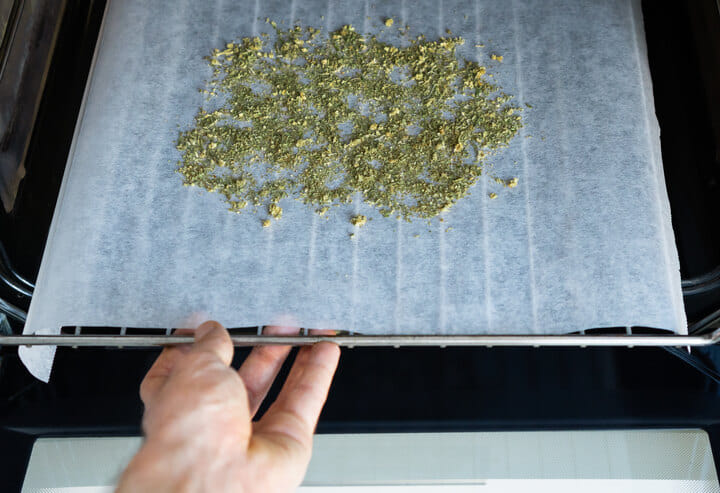
2. Prepare the Cannabis: Break up the flower into small pieces and spread it evenly on a baking sheet lined with parchment paper.
3. Bake: Place the sheet in the oven for 30-40 minutes.
4. Cool and Store: Allow the cannabis to cool before using it in your recipes or storing it in an airtight container.
5. Pro Tip: Decarboxylation is crucial for making potent edibles. Skipping this step will result in edibles that lack the desired effects.
Various Methods of Infusions
Once you have decarbed your cannabis, it’s time to turn it into an edible. There are various infusion methods to explore, ranging from traditional fat-based infusions to tinctures and concentrates. Each method has its own impact on the overall flavor and potency of the final product. Fat infusions like cannabutter or cannabis oil are perfect for baked goods but tend to have a strong cannabis flavor. Tinctures made with alcohol allow for a more subtle flavor and can be easily added to drinks or food. On the other hand, using concentrates like bubble hash or rosin provides a cleaner taste and a more potent punch, making them ideal for recipes that require precision and a milder cannabis profile. Choosing the right method depends on the type of cannabis product you have and your desired outcome.
Method 1: Flower Infusions
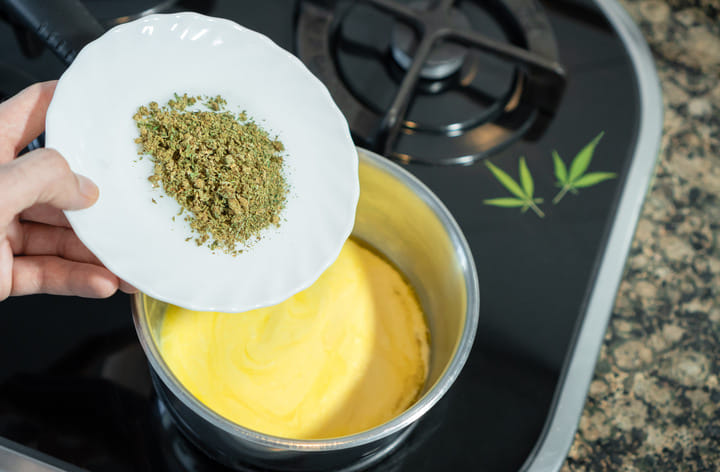
Infusing cannabis into fats like butter or coconut oil is one of the most traditional ways to make edibles. Cannabinoids are fat-soluble, meaning they bind to fats and can be easily absorbed by the body.
Check out our article on The Best Sativa and Indica Strains for Edibles.
How to Make Cannabutter or Cannabis Oil
1. Ingredients: Decarboxylated cannabis, butter or coconut oil, water.
2. Simmer: Combine the ingredients in a saucepan and simmer on low heat for 2-3 hours, stirring occasionally.
3. Strain: Use a cheesecloth to strain out the plant material, leaving behind the infused fat.
4. Store: Pour the infusion into a container and store it in the fridge or freezer.
Pros and Cons of Flower Infusions
Pros | Cons |
Easy to make at home | Strong marijuana flavor |
Great for baked goods | |
Cost-effective for large batches |
Pro Tip: Use butter for baked goods like brownies or cookies, and coconut oil for versatile recipes or vegan options.
Method 2: Ethanol Extraction for Tinctures
Ethanol extraction is a simple at-home method that utilizes high proof alcohol for creating potent tinctures. These can be used sublingually, mixed into drinks, or added to recipes.
How to Make a Cannabis Tincture
1. Ingredients: Decarboxylated cannabis, high-proof alcohol (like Everclear).
2. Combine: Mix the cannabis and alcohol in a mason jar, ensuring the cannabis is fully submerged.
3. Steep: Let the mixture sit in a dark, cool place for 2-4 weeks, shaking daily.
4. Strain: Use a coffee filter or cheesecloth to separate the liquid from the plant material.
Pros and Cons of Ethanol Extraction
Pros | Cons |
Highly potent | Alcohol taste can be strong |
Multi-use (sublingual or edible) | Requires time for steeping |
Long shelf life | High-proof alcohol can be expensive |
Pro Tip: Tinctures can be added to drinks or foods for a customizable edible experience. For quicker results, consider using a warm-water bath to speed up the extraction process.
Method 3: Bubble Hash for Edibles
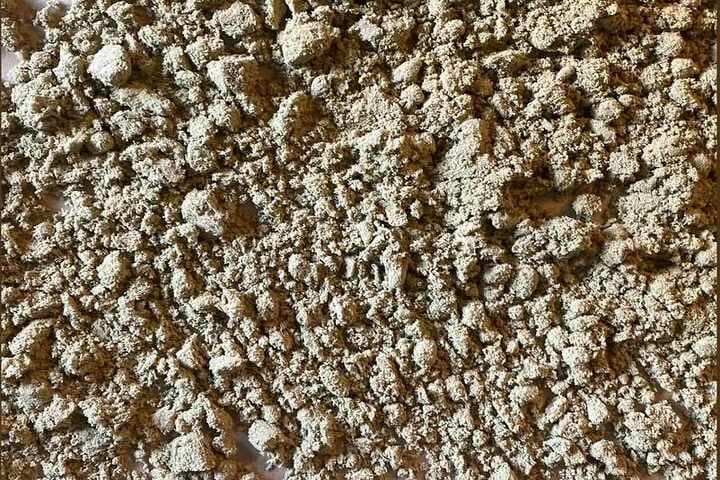
Bubble hash, especially from larger micron bags, is an excellent choice for making edibles. Larger micron bags typically contain lower-grade hash, which may not be ideal for smoking due to its reduced quality and higher impurity levels, but it works perfectly for infusions. This solventless concentrate contains fewer impurities compared to raw flower and provides a lighter, less pronounced cannabis flavor in edibles.
How to Incorporate Bubble Hash into Edibles
1. Decarboxylate: Spread the bubble hash on parchment paper and heat it in an oven at 240°F for 20-30 minutes.
2. Mix: Stir the decarbed hash into melted butter, coconut oil, or even honey.
3. Infuse: Use this mixture in your recipes for a potent punch.
Check out my video on How to Make Infused Krinkle Cookies for a yummy treat.
Pros and Cons of Using Bubble Hash
Pros | Cons |
Potent and flavorful | More labor-intensive to make |
Minimal plant taste | Requires additional equipment |
Versatile | Less common than flower |
Pro Tip: Infusing bubble hash into honey is a great way to create a versatile sweetener for teas, smoothies, or desserts.
Method 4: Rosin for Gummies and More
Rosin, a solventless cannabis concentrate created by applying heat and pressure to flower or bubble hash, is an exceptional choice for making edibles. It offers unmatched purity and potency, with a minimal cannabis flavor that blends seamlessly into recipes like gummies. If you have access to a rosin press, this method allows for precise dosing and a clean flavor profile, making it an excellent option for edibles that require a subtle taste and high potency.
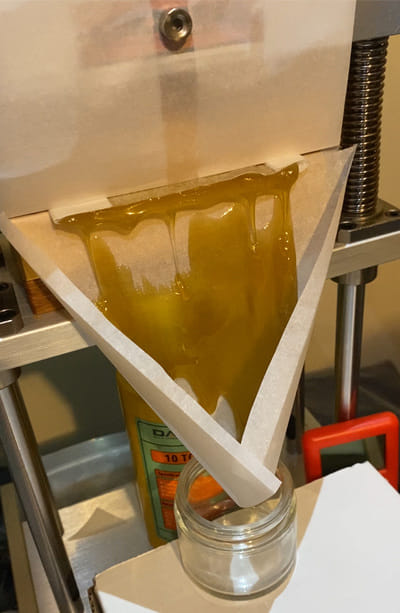
How to Make Rosin Gummies
Here is a sneak peek into one of many recipes I have shared with my exclusive Patreon community, where we host weekly classes, recipes, articles, and foster the most sustainable community on Discord:
This recipe is simply delicious, and even better when made with single source rosin.
You will need a scale, gummy bear molds, and I recommend using a plastic injector over the squeeze droppers the molds come with.
Ingredients
- 8 grams rosin
- 454 grams of local raw honey
- 27 grams sorbitol
- 170 grams pear nectar
- 44 grams gelatin
- 10 mL citric acid*
Instructions
Combine gelatin and cool pear nectar. Gently mix with fork trying not to incorporate much air. Let sit at least 5 minutes to set up.
In medium sauce pan over medium-low heat combine honey and bubble hash. Using a whisk mix thoroughly before adding the sorbitol. Stir gently and bring to simmer.
Once all grains have dissolved remove from heat.
Add citric acid.
Add gelatin blob, stirring until dissolved.
Allow mixture to sit for 10 minutes.
During this time spray your molds with avocado oil, canola, rapeseed, etc. set upside down on paper towel to drain excess.
After mixture has sat for 10 minutes there will be lots of foam and possibly some chunks of gelatin. Using a spoon skim off foam and remove any undissolved chunks.
Using the injector fill molds as quickly as you can. You may need to heat up your mixture if you notice your mixture getting too thick.
Put gummy bears in fridge for 24 hours, then move to a baking sheet lined with parchment paper or drying rack for the next couple days to get a chewier texture. Try one every day until you find the texture you like.
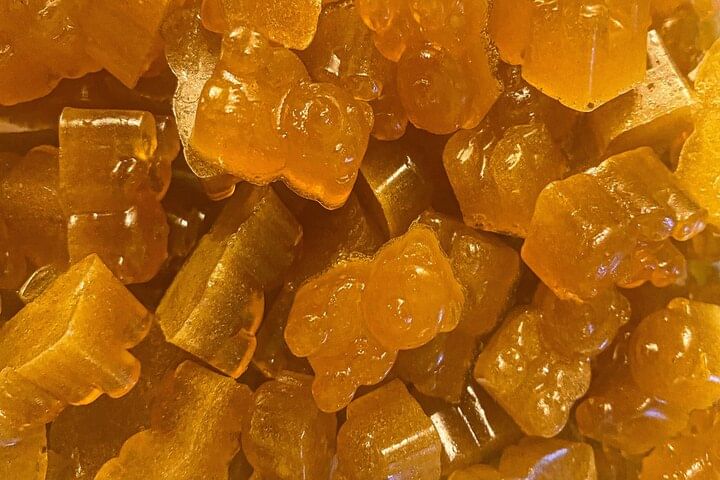
Enjoy!
Pro Tip: Citric acid makes a great at home pH down - it’s cheap too.
Calculating the Strength of Your Edibles
You may have noticed that for each method we did not include an amount of cannabis to include. This is because everyone enjoys varying strengths in their edibles. Understanding the potency of your edibles is key to creating consistent and enjoyable experiences. Here’s a simple formula to calculate the strength of your edibles:
Potency Formula: Total THC in mg=Weight of cannabis (g)×THC percentage×1000
Example:
If you use 5 grams of cannabis with 20% THC:
Total THC = 5 X 0.20 X 1000 = 1000 mg THC Total
If this is infused into 1 cup of butter and you use 1 tablespoon in a recipe, each tablespoon will contain approximately 62.5 mg of THC (1 cup = 16 tablespoons).
Variance in Potency
The starting material significantly impacts potency and flavor. High-quality flower provides stronger effects and a more pronounced cannabis flavor, while trim or lower-grade flower results in milder potency and potentially less appealing taste. While concentrates like rosin or bubble hash allow for more precise dosing and less plant taste, making them ideal for delicate recipes like gummies or candies.
Pro Tip: Always test your edibles with a small dose to gauge potency before consuming larger amounts.
Comparison Chart: Choosing the Best Method for Your Needs
Method | Potency Range | Flavor Intensity | Ease of Use | Best For |
Flower Infusions | 10-30% THC | Strong | Easy | Baked goods, savory dishes |
Ethanol Extraction | 20-60% THC | Medium | Easy | Tinctures, drinks |
Bubble Hash | 40-60% THC | Light | Moderate | Versatile recipes |
Rosin | 50-80% THC | Light | Advanced | Gummies, candies |
Distillate | 80-95% THC | None | Advanced | Flavorless edibles |
Conclusion
From simple flower infusions to advanced techniques like rosin extraction, there’s a method of making edibles for every skill level and taste preference. Whether you’re looking to microdose or create potent medicinal products, the right method depends on your goals, resources, and the type of cannabis you have on hand. By experimenting with these methods, you can turn trim, flower, or concentrates into high-quality, value-added products that suit your lifestyle and preferences. Happy cooking!