
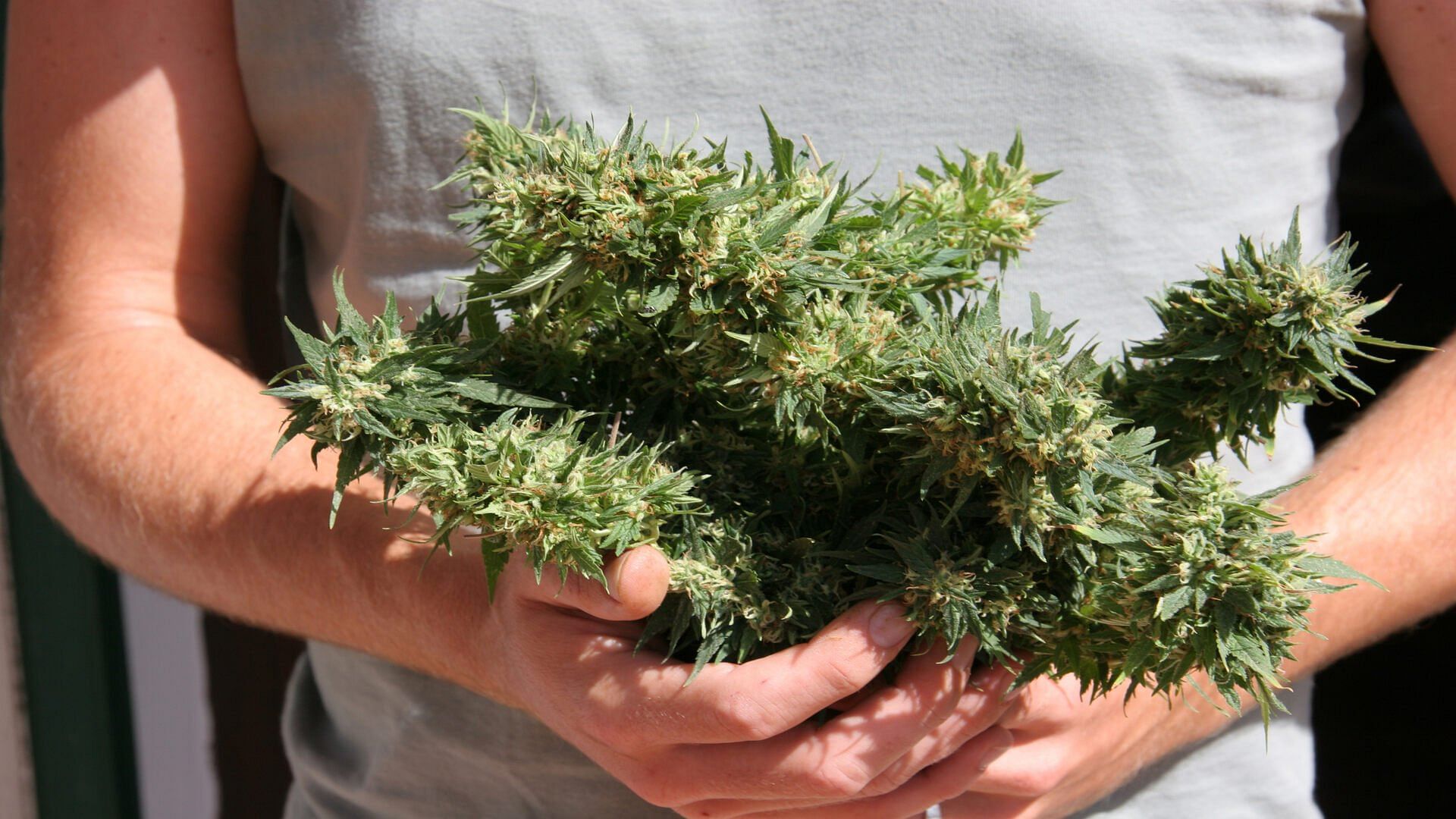

It’s finally here, the moment you’ve been working toward for months, from early morning foliar applications and weekly nutrient root drenches to weeding and de-leafing, it’s harvest time. But after everything you’ve done to make sure your plants are healthy and ready to be harvested, you’re not safe yet. There are a few issues you can encounter during harvest that can ruin your crop.
From timing your harvest correctly to ensuring proper drying and curing, growers face several common pitfalls. Each of these mistakes can lead to lower-quality buds, less potency, or even the total loss of the crop due to mold or bud rot. In this article, we'll cover the most common issues encountered during cannabis harvests, provide solutions to avoid them, and even offer instructions on bud washing with hydrogen peroxide to remediate mold issues.

Harvesting Too Early or Too Late
One of the most frequent mistakes novice and experienced growers make is harvesting at the wrong time. If cannabis is harvested too early, the buds won't reach their full potential in terms of potency and yield. Cannabinoids, primarily THC, will still be developing, leading to weaker effects and a less flavorful product.
Waiting too long to harvest can cause the THC in the plant to degrade into CBN, a cannabinoid that produces more sedative effects. This may be undesirable for those looking for the euphoric, uplifting qualities of cannabis. Delaying the harvest also increases the risk of mold forming, especially in outdoor grows where weather conditions change rapidly.
These issues can be avoided by checking your plant's trichomes (tiny resin glands on the buds). Use a magnifying tool or jeweller's loupe to inspect them. When most trichomes are cloudy with around 20% amber, it's typically the ideal time to harvest. Clear trichomes indicate the plant is still immature, while mostly amber trichomes suggest the conversion of THC.
Not Checking Trichome Maturity
Many growers rely solely on the pistils' colour (the hairs on the buds) to determine when to harvest. While the pistils turning from white to orange can be an indicator, it's not as reliable as monitoring trichome maturity.
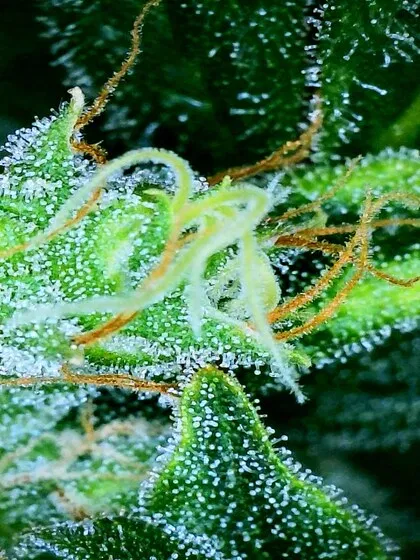
Harvesting based on the pistils alone can result in cutting down your plants at the wrong time. Trichomes contain the cannabinoids and terpenes that determine the potency, flavour, and effects of cannabis.
Use a magnifying glass or microscope (30x-100x magnification) to inspect the trichomes. Harvest when the trichomes are mostly cloudy for a balanced, potent product. If you prefer a more sedative, relaxing effect, wait until a higher percentage of the trichomes turn amber.
Improper Drying Conditions
Drying cannabis is a crucial step that can make or break the quality of your buds. Drying too quickly or too slowly can lead to undesirable results.
If the drying process is rushed or the drying environment is too warm, the buds can lose moisture too quickly. This locks in chlorophyll, leading to a harsh, unpleasant taste and reduced terpene profile. On the flip side, drying cannabis in an environment with too much humidity or too slowly can encourage mould growth, which can ruin an entire harvest.
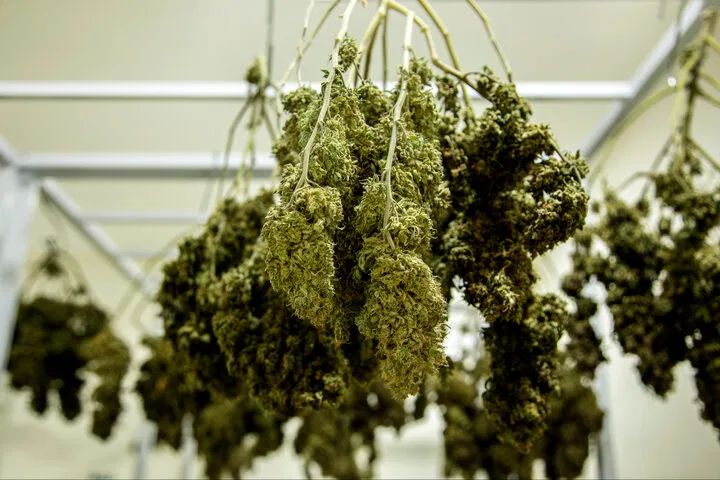
Aim for a slow, controlled dry by maintaining a temperature of 60-70°F (15-21°C) with 50-60% humidity in your drying space. Ensure good air circulation to avoid any stagnant moisture. Drying should take 7-14 days, depending on the size of the buds and environmental conditions.
Overhandling or Damaging Buds
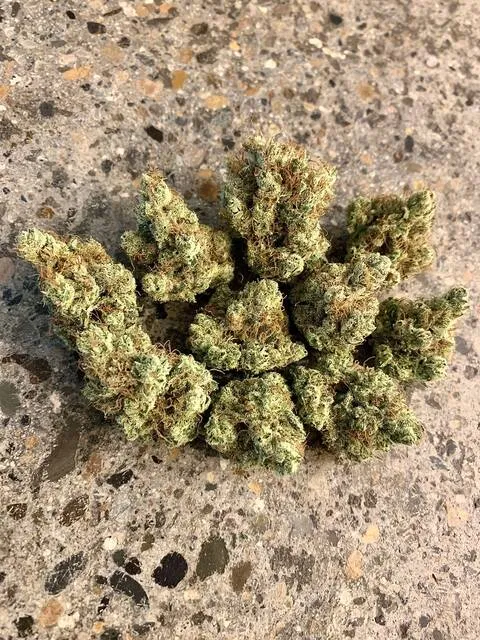
Handling buds too much during harvest can lead to losing potency and quality. Trichomes are delicate and can easily fall off when buds are handled excessively or improperly, reducing potency. If buds are overpacked or smashed during the harvest or drying process, they can flatten, restrict airflow, and compromise their appearance and drying quality.
Be gentle when handling your cannabis plants during and after harvest. Use sharp, clean scissors or pruning shears for cutting. Limit direct contact with the buds to avoid knocking off trichomes. When drying, ensure buds have plenty of airflow.
Mold and Bud Rot
Mold, particularly botrytis (bud rot), is one of the most devastating problems growers face during the harvest. Dense colas are particularly susceptible to this issue if exposed to excess moisture or poor air circulation.
Bud rot typically starts inside the cola and works its way out, making it difficult to spot until it's too late. If you discover bud rot during the harvest,affected buds must be removed immediately to prevent further spread.
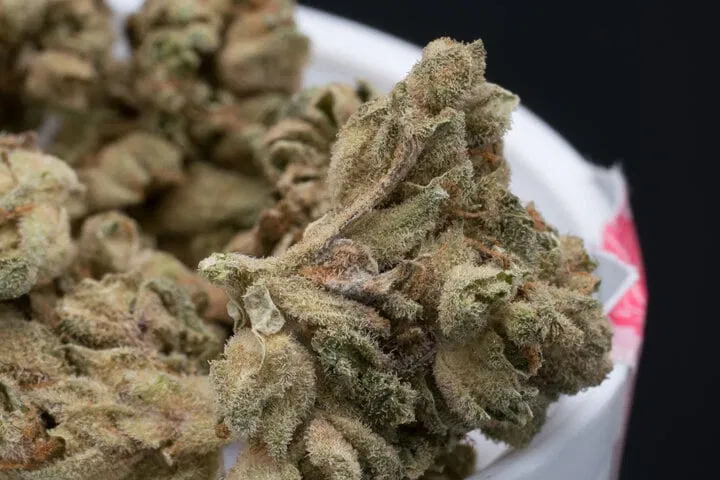
Bud rot is mainly caused by Botrytits cinerea, a type of fungus also known as grey mold. It thrives in a cool and humid environment and enters your plant through tissue damage. This means any pests biting or chewing on your plants can cause mold or de-leafing and leave an open wound on the stem. I have even seen micro-abrasions from plastic trellising or simply where two stems meet, and the weight of a heavy bud pulls that conjunction apart.
Prevent mold by maintaining a consistent, low-humidity environment during the final weeks of flowering and throughout the drying process. Prune plants to ensure good airflow and avoid overly dense foliage. If you find mold on buds during harvest, remove the affected parts immediately and consider washing the buds to salvage the unaffected areas.
Bud Washing for Mold Remediation
If you notice mold on your buds but want to salvage the unaffected parts, use a bud-washing technique with hydrogen peroxide.
How to Bud Wash with Hydrogen Peroxide
Materials:
5-gallon buckets (you will need 3)
1 cup of hydrogen peroxide (3%) per bucket
Clean water
Steps:
Fill the Buckets:
Fill the first bucket with clean water and hydrogen peroxide. The second and third buckets should be filled with clean water for rinsing.
Wash the Buds:
Submerge your freshly harvested buds in the first bucket (the one with the hydrogen peroxide) and gently swirl them for about 30 seconds. The hydrogen peroxide will help kill mold spores and remove dirt and pests.
Dry the Buds:
After washing, hang the buds to dry in a well-ventilated area, as you would typically dry them, but this time, you want to dry them quickly. You can do this by lowering the humidity and increasing the temperature.
For an in-depth investigation of this process, check out our article, "How to Dry Your Weed Fast."
Lack of Patience During Curing
Curing is the final and often overlooked step that allows the flavours, potency, and overall quality of the cannabis to develop. Many growers rush this step, leading to harsh buds that lack aroma and don't burn properly. After drying, store the buds in airtight containers, such as glass jars, and "burp" them (open the jars for a few minutes) daily for the first 1-2 weeks. Curing should take at least 2-4 weeks, and the longer the cure, the better the quality of the final product.
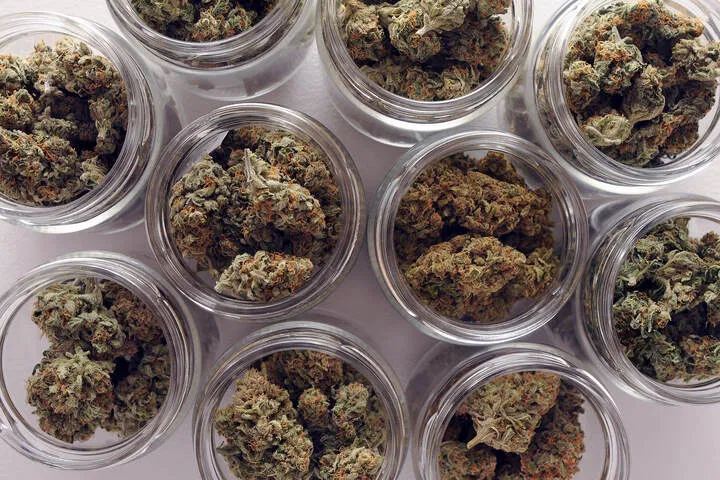
Curing allows for the breakdown of sugars, chlorophyll, and other unwanted compounds while preserving the cannabinoids and terpenes. After harvesting, plant cells continue respiring, and enzymes break down the compounds responsible for that "grassy" or "hay-like" flavour you don't want to end up in your bud. At the same time, some terpenes and other bioflavonoids undergo mild oxidation and polymerization reactions during curing. This can lead to the development of more complex aroma and flavour profiles.
Harvesting During Wet Weather
Outdoor growers often face the challenge of timing their harvest around unpredictable weather. Harvesting plants during or after rain can introduce too much moisture into the buds, increasing the chance of mold forming during drying. If possible, avoid harvesting directly after rain. Wait for a dry period or harvest earlier if wet weather is forecasted. Ensure your drying space has proper ventilation and low humidity to mitigate mold risks.
Improper Trimming
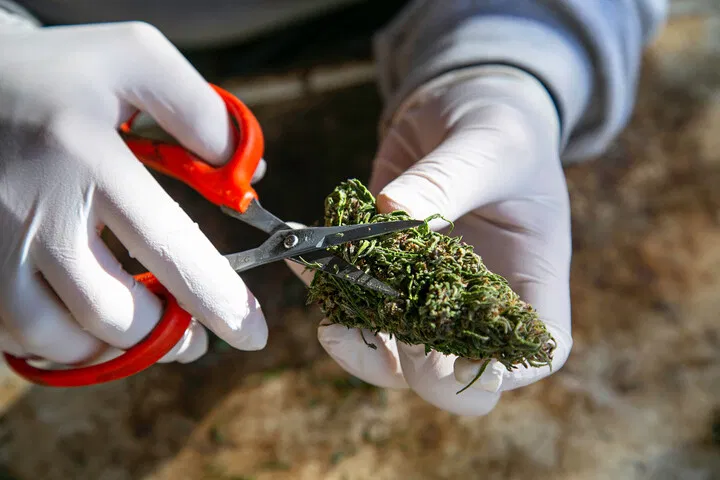
How you trim your buds before and after harvest can affect both their appearance and quality. Trimming too much of the buds can reduce their size and weight. It can also remove trichome-covered sugar leaves, which contribute to the potency. Too many fan leaves can produce harsh smoke and an unpleasant flavour. Use a careful hand when trimming. Remove large fan leaves that are not covered in trichomes.
Conclusion
The issues covered in this article can make or break your harvest, turning it into one that will be thoroughly enjoyed to possibly cause complete loss or inferior smoke. Remember that each garden is unique, and each gardener has their own perspective. By addressing these common encounters you have a better chance at producing a successful harvest.