

When planning your cannabis garden, one of the most important decisions you’ll make is whether to grow from clones or seeds. This single choice can impact everything from your timeline and crop uniformity to how well your plants handle environmental stress. Whether you're a first-time cultivator or a seasoned grower, understanding the difference between these two starting points is key.
In this article, we’ll break down the core differences between clones and seeds, explore how they affect plant growth, structure, and care requirements, and help you decide which is best for your environment and goals. Let’s dig in.
What Are Clones and Seeds?
Before diving into the pros and cons, let’s break down what we mean by clones and seeds in cannabis cultivation.
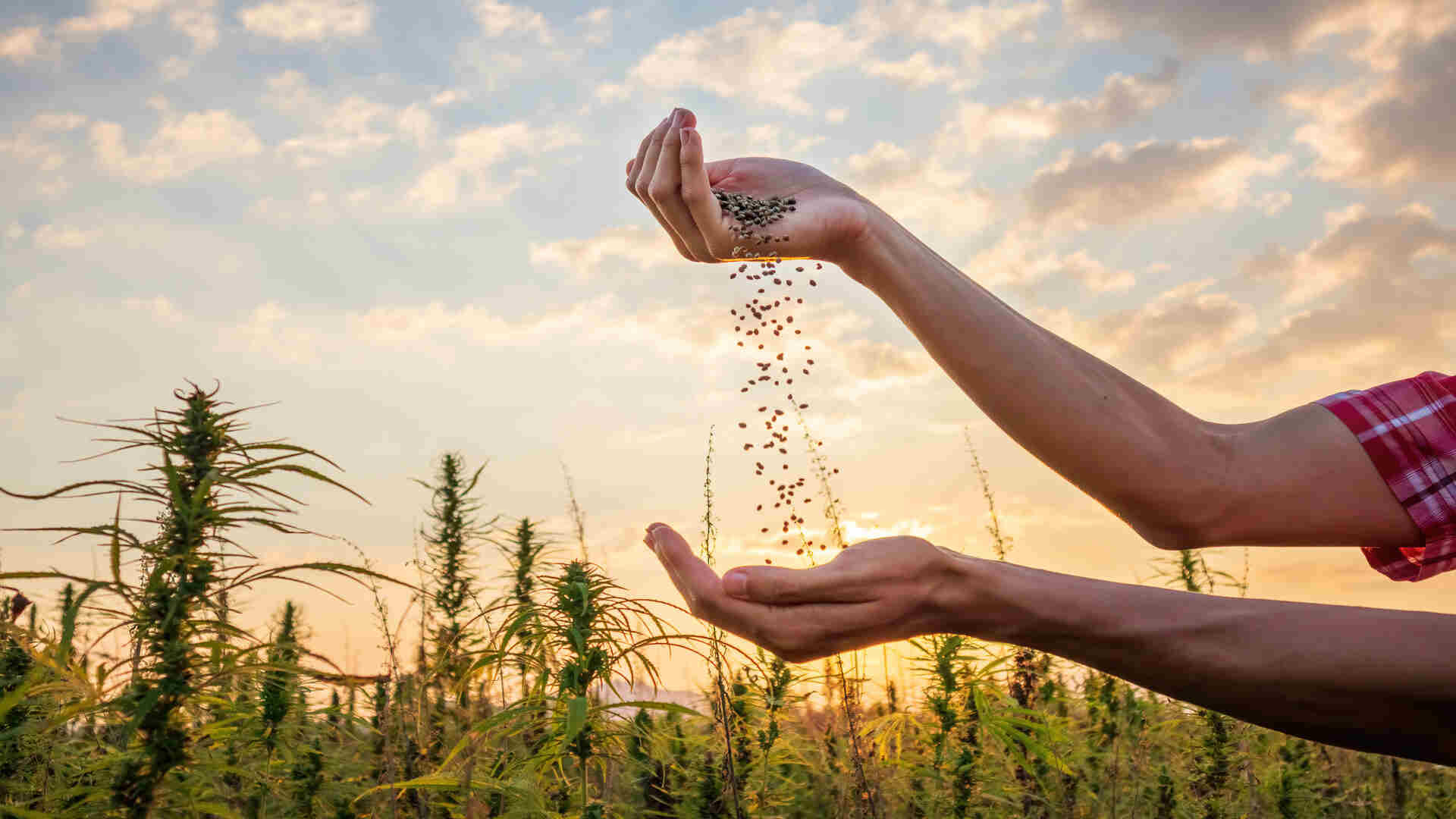
Seeds are the result of sexual reproduction between a male and female cannabis plant. Each seed carries a unique combination of genes from its parents, making it genetically distinct. Seeds can be regular (which produce both male and female plants), feminized (bred to eliminate males), or autoflowering (flower based on age rather than light cycle).

Clones are cuttings taken from a mature, female cannabis plant, often referred to as the "mother plant." These cuttings are rooted in a medium and grow into genetically identical replicas of the mother. Because they skip germination, clones can save time and ensure consistent quality if the mother plant is a known winner.
Understanding the genotype (genetic blueprint) and phenotype (expressed traits based on environment and genetics) is key when deciding between the two. While seeds offer the chance to explore new phenotypes, clones lock in traits you already know and love.
Genetic Variation and Stability
Genetic variability is one of the most significant differences between seeds and clones.
Seeds provide a range of traits, which is ideal if you're hunting for standout phenotypes or want to breed your own cultivars. However, this variability can be a double-edged sword: some plants may outperform others, while others might struggle.
Clones, on the other hand, offer genetic consistency. If you've found a strain with the perfect terpene profile, growth habit, and yield, cloning allows you to replicate that plant precisely. This makes clones ideal for commercial grows where uniformity is critical.
This is where the BLAZE project shines. Through BLAZE, we’re helping cultivators identify which seeds perform best in specific outdoor growing zones. This regional data empowers growers to select genetics confidently, knowing they’ll thrive in their local climate.
Check out this article to learn more about this project by Queen of the Sun Grown.
Growth Stage and Flowering Response
Clones and seeds differ significantly in their developmental stage and hormonal makeup.
Clones are taken from a mature plant and already carry the hormonal signature of an older plant. As a result, they tend to root quickly and enter the vegetative phase, ready to grow. Once flipped to flower, they respond faster than seedlings because they’re not working through the juvenile stage. This makes them excellent for growers looking to speed up production.
However, their maturity also makes them more sensitive to light cycle disruptions. A clone exposed to inconsistent lighting can easily revert to vegetative growth or develop hermaphroditic traits. Growers using clones must be meticulous with light timing, especially in mixed-light or outdoor environments.
For example, clones are typically kept under 18 hours of light indoors, but when moved outdoors, the natural light cycle is often much shorter. Lighting should be adjusted indoors before moving the clones outdoors. Getting them to 16 hours of light indoors and moving them outside June 1 is typically a safe bet. If you do this, your plants won't flower when you want them to veg.
Seeds go through a full life cycle, starting from a juvenile phase and gradually maturing. This gives them a more balanced growth pattern and makes them less sensitive to light inconsistencies during early growth. While they take longer to reach sexual maturity, they typically develop a strong root system and structural integrity.
Feeding, Hormones & Nutrient Needs
Because of their hormonal age, clones and seedlings have different nutrient requirements.
Clones have more developed internal systems and may demand a stronger nutrient regime sooner than seedlings. However, they can also be more delicate during rooting and early transplant, requiring precise humidity, temperature, and a gentle feeding hand until they’re fully established.
Seedlings start slow but are generally more resilient once established. Their hormonal balance is naturally set for root and shoot development, and they don’t suffer transplant shock in the same way clones can. They do best with light feeding early on, gradually ramping up nutrient strength.

Organic growers can support both with blends like Happy Plant Organics’ ImmuniTea, a biologically rich tea made with malted barley, yucca, aloe, and beneficial microbes. ImmuniTea provides enzymes and microbes that enhance root development and immune response, making it great for both seed starts and clones during establishment.
Growth Patterns & Canopy Management
Uniformity in structure is one of the biggest advantages clones offer.
Clones are perfect for a Sea of Green (SOG) method, where many small plants are grown close together with minimal training. Their identical growth habits make it easier to maintain an even canopy and time harvests precisely.
Further Reading:How To Grow Cannabis Using The Sea Of Green Method
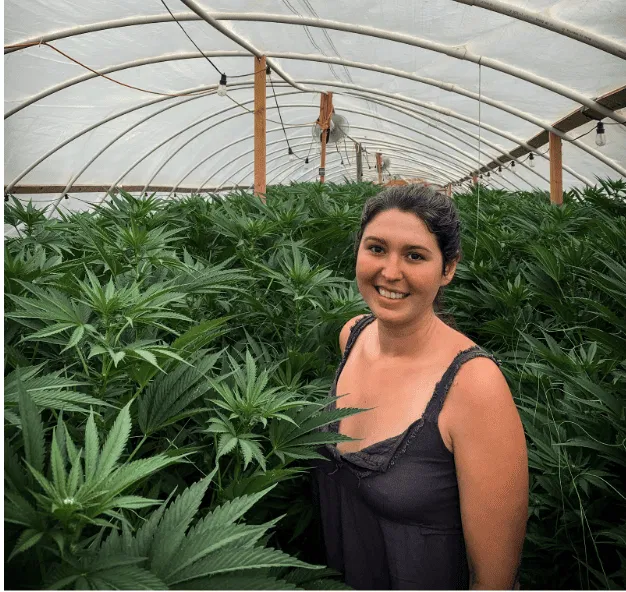
Seedlings tend to grow with more variability. While this can make canopy management trickier, it also allows growers to train individual plants for large yields. Seed-grown plants are better suited for Screen of Green (ScrOG) setups or outdoor cultivation where size and spread are less restricted.
If you want uniformity and speed, go with clones. Seeds are the better choice if you're growing large bushes or training for maximum yield per plant.
Pest Resistance & Environmental Sensitivity
Seeds generally produce hardier plants from the start. Their natural development includes forming a robust taproot, which aids in water and nutrient uptake and anchors the plant in outdoor settings. Seedlings also typically have stronger cuticles, giving them a head start in resisting pests and diseases.
Clones can be more fragile during the first few weeks after rooting. They lack a taproot, and their initial immunity may be reduced. Hardening off clones before planting them outdoors is essential, gradually exposing them to direct light and environmental fluctuations.
If you’re growing outside, seeds adapted to your local climate are often the better bet.
Further Reading: Cannabis Plant Hardening Off - Not As Dirty As It Sounds
Outdoor Cultivation: Seeds or Clones?
Seeds typically offer better performance when growing outdoors. Their taproot helps them establish more effectively in native soil, and their genetic diversity allows them to adapt to environmental conditions.

That said, clones can work well outdoors if they are properly hardened off and transplanted at the right time. Because they are already mature, clones can transition to flower faster than seedlings—but only if they are given stable photoperiods.
Outdoor growers using clones should avoid putting them outside too early in the season to prevent premature flowering. Instead, wait until days are long enough to support vegetative growth or use artificial lighting to keep them in veg.
For the best of both worlds, choose seeds suited to your environment and keep clones of the ones that perform best. When moving them, just remember to time the lighting schedule indoors with what’s going on outside.
Clones vs. Seeds
Feature | Clones | Seeds |
Genetics | Stable, identical to mother | Genetically diverse |
Flowering Speed | Faster due to mature hormones | Slower, must mature from seed |
Light Sensitivity | High; re-veg risk if not stable | Lower; better for variable conditions |
Nutrient Needs | Higher early on | Gradual feeding ramp-up |
Canopy Uniformity | Excellent; ideal for SOG | Variable; best for ScrOG or outdoor |
Outdoor Adaptation | Requires careful hardening | Naturally adapted with taproot |
Root System | Fibrous; no taproot | Deep taproot for anchoring and uptake |
Pest Resistance | Weaker early on; acclimate carefully | Stronger from start |
Best For | Uniform harvests, fast cycles, cloning known phenos | Pheno hunting, regional adaptability |
Final Thoughts
There’s no universally right answer when it comes to clones versus seeds. Your choice depends on your goals, your environment, and your grow style.
Clones are a great tool for preserving elite genetics, maximising canopy control, and speeding up harvest. Seeds are the way to go if you're looking to grow massive outdoor plants, breed new cultivars, or ensure your garden adapts to your local climate.
And if you’re growing outdoors, don’t guess—grow smart. Through our BLAZE project, Queen of the Sun Grown and Seedsman is building region-specific data to help cultivators choose seeds that thrive in their unique conditions. Your zone matters, and so does your genetics.
Check Out Our Amazing Selection of Clones
We offer a wide diversity of some of the most sought-after genetics in clone form. These plants aren’t just rooted clones but fully developed plants potted into 4-inch nursery pots full of rich soil. If you live within the United States, you can have clones shipped to your door regardless of your state. The 2018 Farm Bill defines hemp as cannabis that contains less than .03% THC, and therefore, all clones fall under the protection of this Federal Bill, giving you the right to have clones shipped to your door.
Buy Yours Today and use Code Sungrown10 for 10% off your order!