
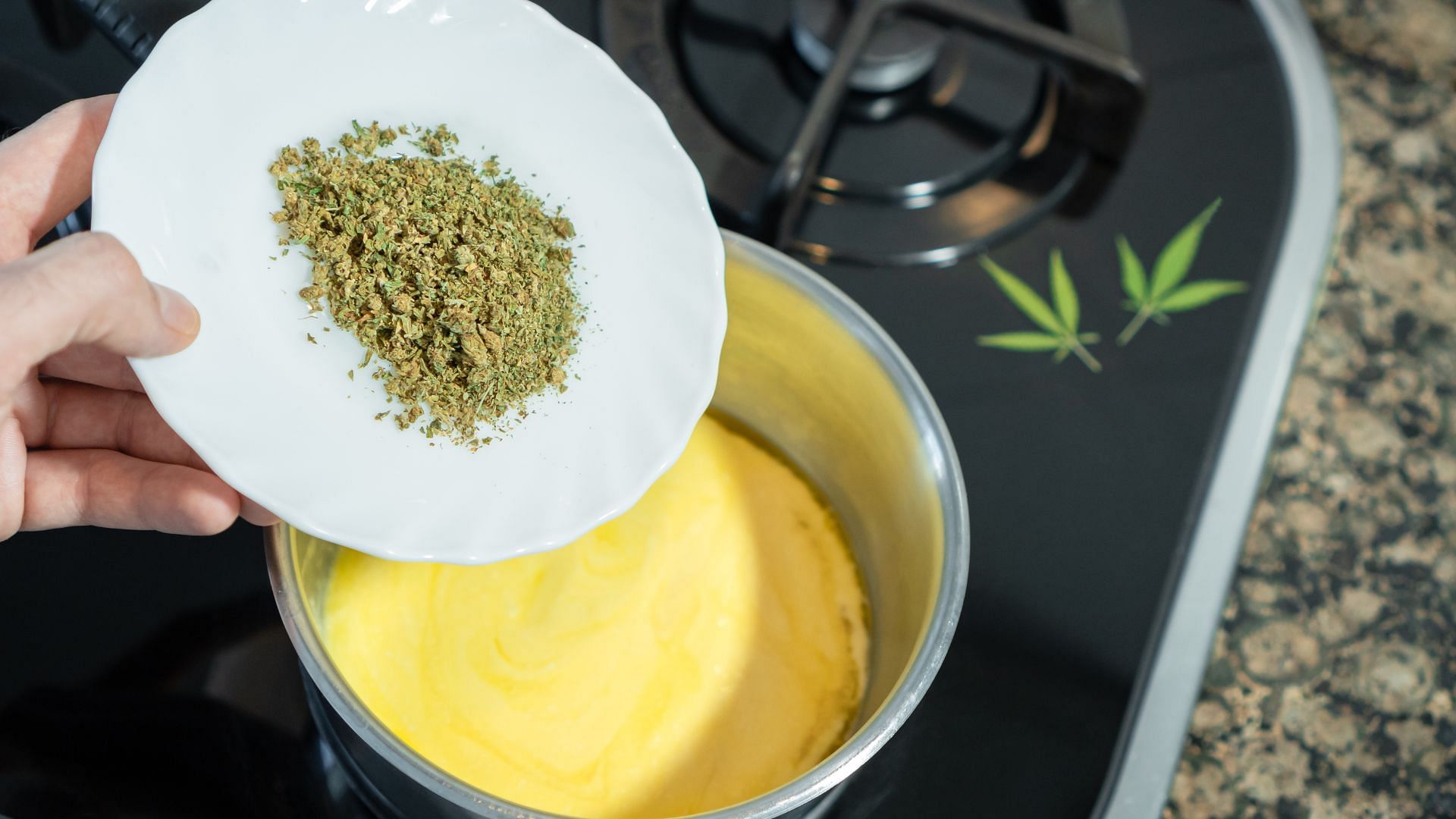

If you're looking to whip up a batch of edibles, you're going to need cannabutter for most of them. This especially applies to sweet delights such as cookies, brownies, cupcakes and muffins. Cannabutter is the easiest way to get the THC into the end product while retaining all the goodness of the treat. In this easy-to-follow guide, we'll break down the process of making cannabutter, starting from the essential components, moving onto the step-by-step method, and then wrapping up with some pro tips and troubleshooting advice.
Before we begin, it's important to remember that cannabutter is a potent substance, and its use should be treated with respect. Always be careful with dosing, and remember that edibles take longer to kick in, and ultimately hit harder. For this reason, resist the temptation for you and others to over-indulge. It can take upwards of 45 minutes before an edible takes effect, so when it comes to dosing, don't forget the golden rule of consuming edibles: start low, and go slow.
Finally, always be aware of local laws regarding cannabis use.
What is Cannabutter?
Cannabutter. like the portmanteau implies, is simply a blend of cannabis and butter. It's basically a cannabis-infused butter that delivers the benefits of cannabis, primarily THC or CBD, depending on the strain of cannabis used. This herbal butter can be used in a multitude of recipes, from the sweet comfort of brownies to savoury dishes like pasta and stews. As the edible community continues its ascent, crossing cannabis with modern culinary prowess, cannabutter has become more widely-used than ever. Part of the beauty of cannabutter is that its simplicity is as wonderful as its potency, making it easy to experiment in the world of edibles. Simply add cannabutter to many basic recpies, and you have a THC-infused version of that dish.
Components of Cannabutter
High-quality Cannabis
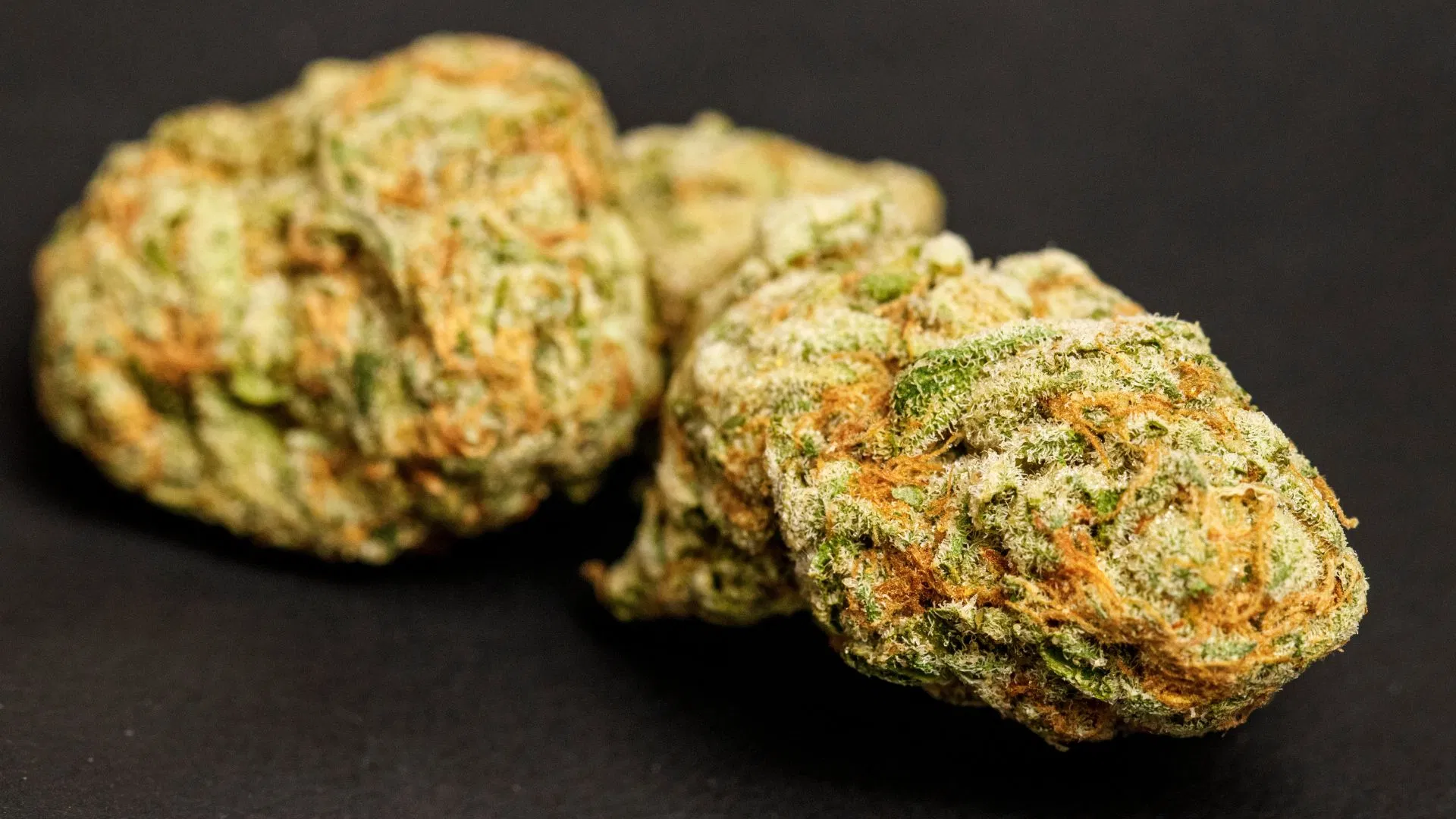
The quality of cannabis is crucial to creating an effective cannabutter. It's important to know your source and ensure you're using clean, organically grown cannabis. You can also match cannabis strains to your recipe, meaning your cannabutter brings a complimentary new layer of flavor to whatever you're cooking. For example, adding a nice cookies strain to your cannabutter will make your batch of edible cookies pop like never before. Or you can get creative and add a minty or zesty cannabis to your chocolate brownies, bringing a new dimension that hits different on all fronts. The only limit is your imagination, and the kitchen becomes your playground. Many of our favorite recipes are often the result of a inspirational idea, and by matching a cannabis strain to a recipe, you, too, can break new ground on the flavor frontier.

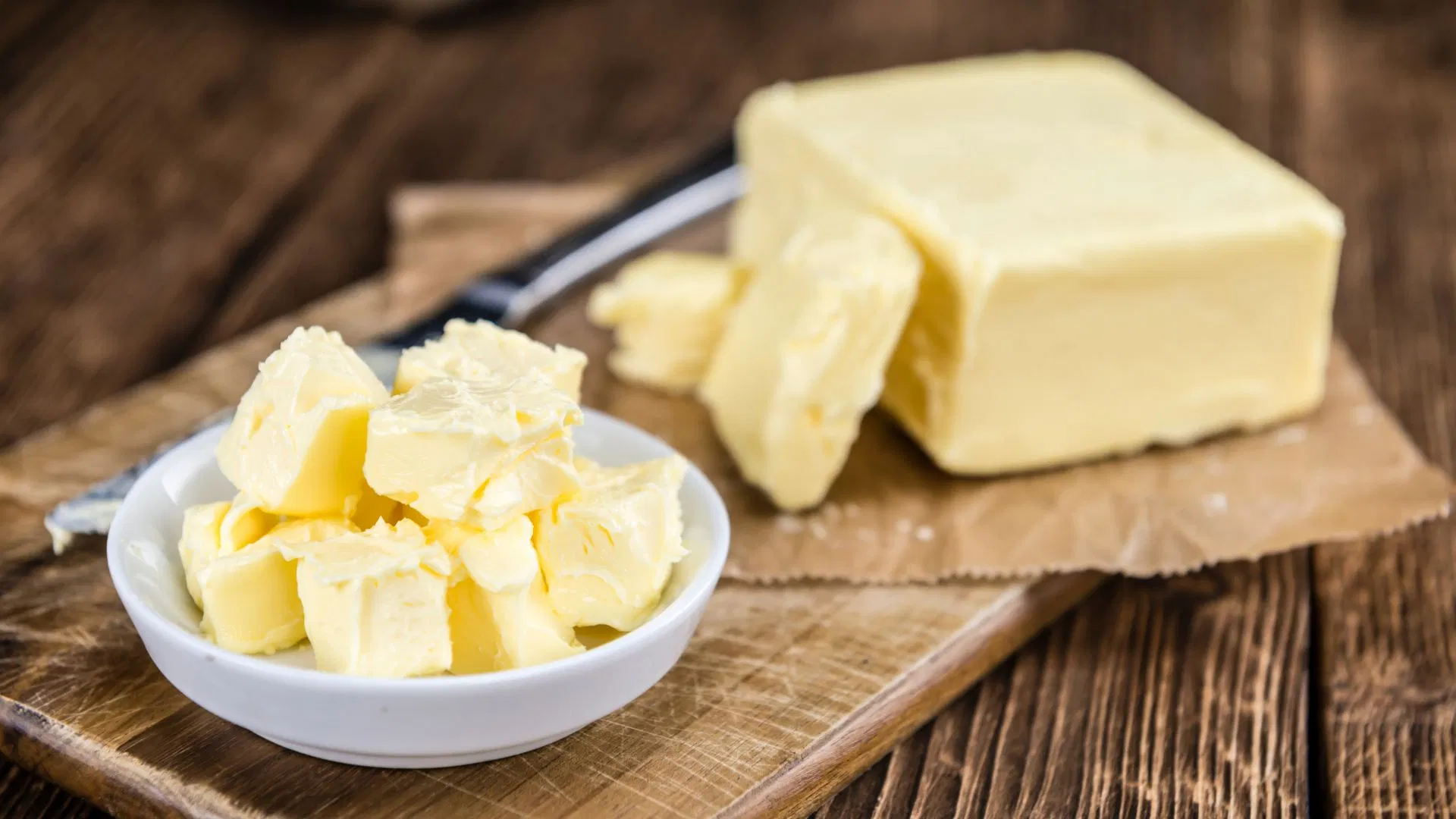
Butter
Unsalted butter is typically the choice for cannabutter recipes. This choice ensures that the resulting product isn't overly salty, allowing it to be used in various recipes. Butter, rather than margarine, cooks better, and lends a decadent creaminess to your recipe, so choose a good quality unsalted butter for best results. If you really want to go next-level, use grass-fed butter.
Decarboxylation: The Secret Behind Cannabutter
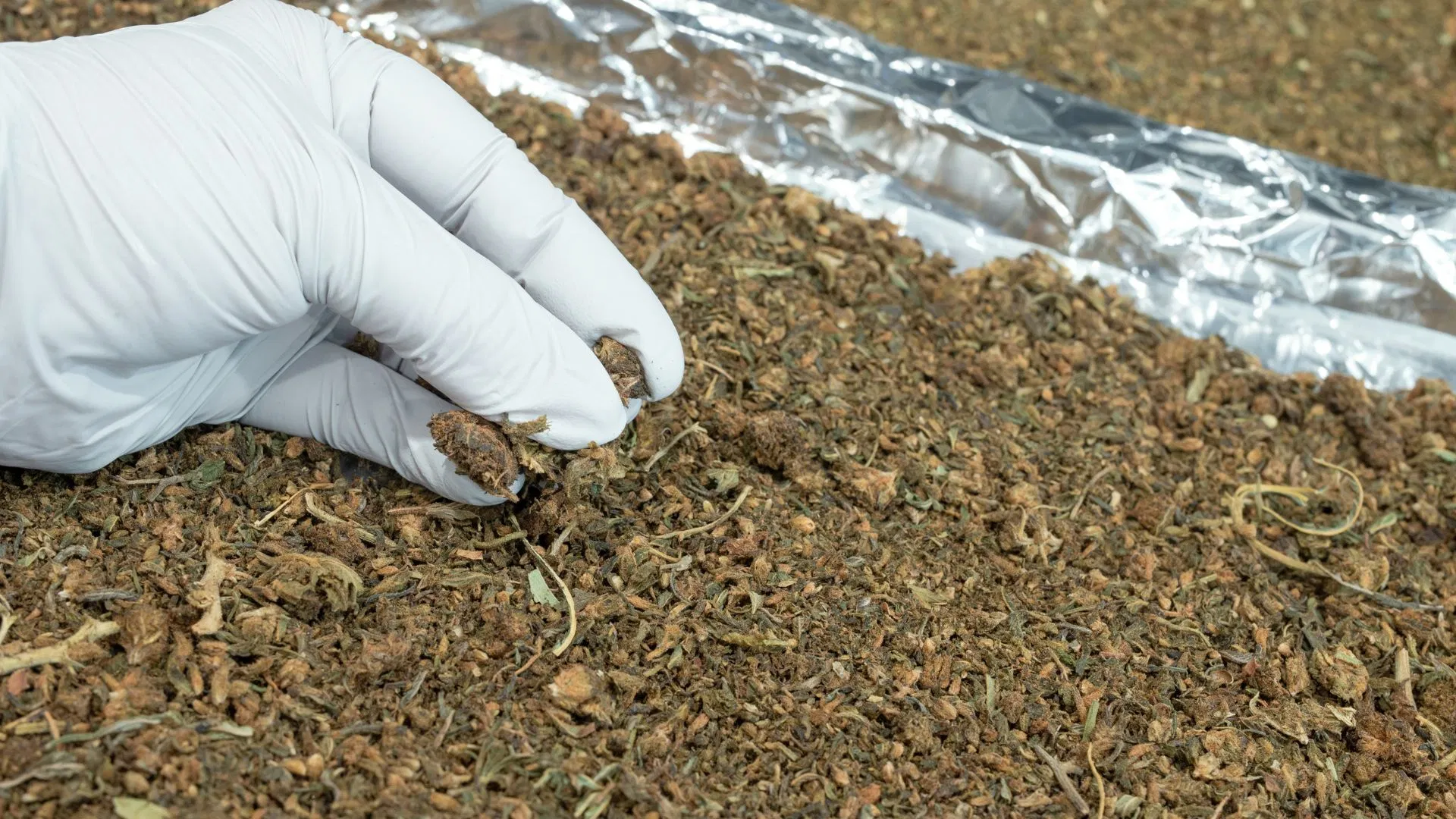
One of the keys to making effective cannabutter is decarboxylation. This necessary step involves heating cannabis to activate the compounds within, specifically THC and CBD. Without this process, your cannabutter would have no psychoactive effect, and is essentially just regular butter with weed crumbs through it. We can't have that! If you're making cannabis edibles of any sort, decarboxylation of the cannabis is an absolute must. While the name decarboxylation suggests a highly scientific, possiby complex process, the process itself is relatively simple and shouldn't intimidate even a novice.
The Step-by-Step Cannabutter Recipe
Now that we're familiar with the components and understand the importance of decarboxylation, grab your favorite "Kiss The Cook" apron, tie it on, and wash your hands thoroughly. Now we can get into the step-by-step process of making cannabutter - aka the fun part!
Decarboxylating the Cannabis
- Preheat your oven to 240°F (115°C).
- Break up your cannabis buds into small pieces.
- Place the pieces evenly on a baking sheet lined with parchment paper.
- Bake in the preheated oven for about 30-40 minutes. Make sure to mix your buds every 10-15 minutes to ensure all sides are properly exposed to the heat.
- After baking, your cannabis should be dry and crumbly. Let it cool.
Preparing the Cannabutter
- In a medium-sized saucepan, bring one and a half cups of water to a boil.
- Once boiling, add 8oz butter to the pan and allow it to melt completely.
- After the butter has melted, add your decarboxylated cannabis to the pan.
- Reduce the heat to low and let the mixture simmer for about 2-3 hours. Stir occasionally to make sure the butter doesn't burn or stick.
- After simmering, strain the mixture through a fine-mesh strainer or cheesecloth into a glass container. At this point, you may be te,pted to squeeze out every last drop. Don't! You'll end up with chlorophyll in the butter adnd it will taste bad! Discard the plant matter, and refrigerate the mixture. The cannabutter will separate from the water and solidify on top.
- Once solid, remove the cannabutter from the container, and discard the water

Pro Tips for Making Cannabutter
Dosage: Start with a low dose of cannabis in your cannabutter, especially if you're new to cannabis edibles. It's easier to add more later than to manage a too-potent batch.
Stir Frequently: To prevent the cannabis from sticking to the bottom of the pan and burning, make sure to stir your mixture regularly.
Use Quality Ingredients: The quality of your cannabutter will reflect the quality of your ingredients. Use high-quality cannabis and a good butter for the best results. You'll find a far more appealing flavor and texture this way.
Troubleshooting Common Cannabutter Problems
Cannabutter Too Weak or Too Strong: Adjust the quantity of cannabis used in the recipe. If it's too weak, use more, and if it's too strong, use less.
Bitter Taste: The taste can be improved by using water during the infusion process, which helps to remove some of the plant's natural bitterness.
Uneven Consistency: This can happen if the cannabutter isn't stirred regularly during cooking. Always stir your cannabutter consistently to ensure an even distribution of cannabis.
Final Thoughts
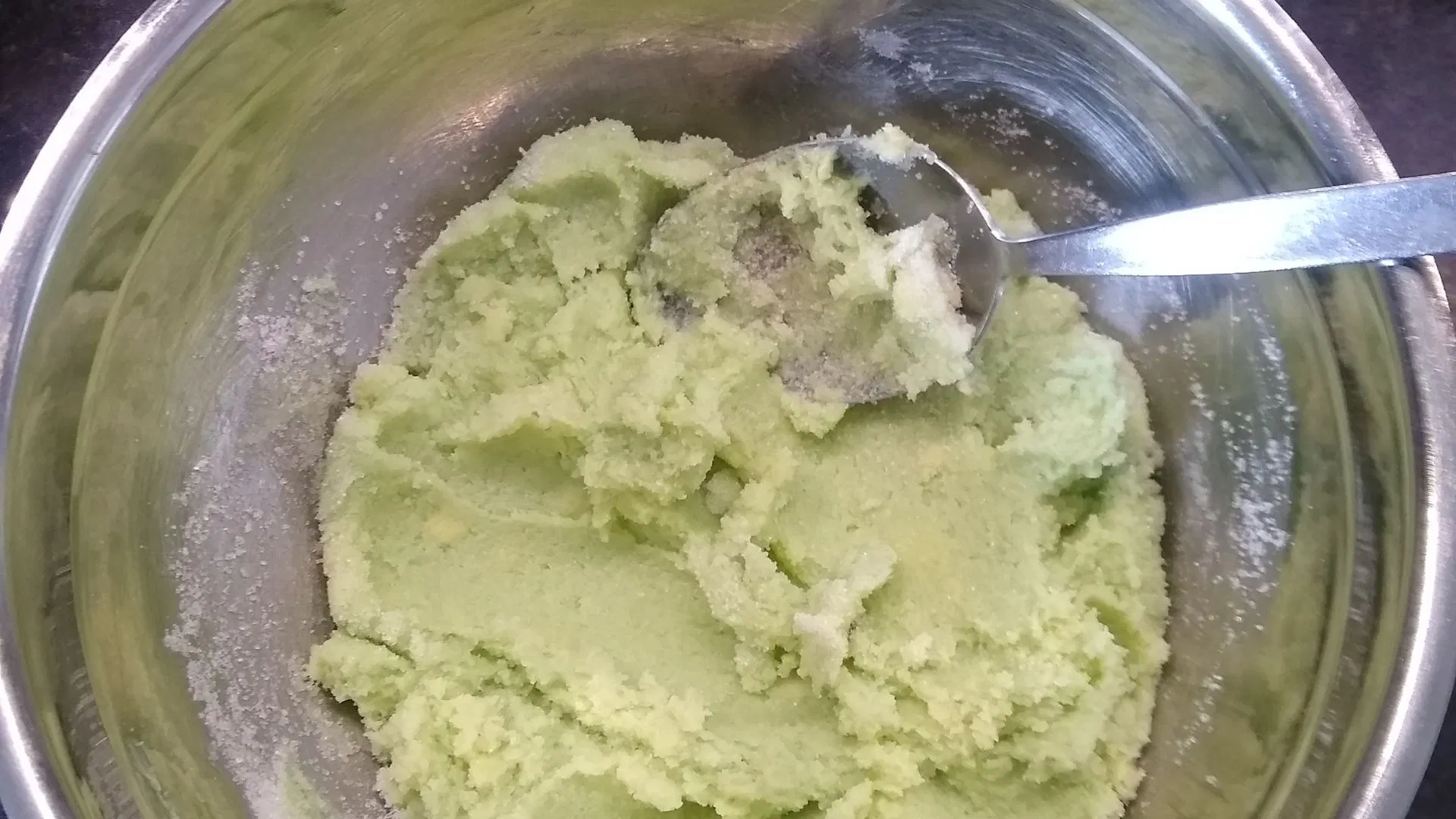
Creating cannabutter at home can be a rewarding experience, granting you a versatile ingredient that allows you to enjoy the benefits of cannabis in a multitude of culinary applications. Remember, cannabis laws vary greatly, so always ensure that you're adhering to local regulations when preparing and consuming cannabutter. Enjoy the process, experiment with different strains of cannabis, and discover the myriad possibilities that this herbal ingredient brings to your table.
And there you have it – the ultimate cannabutter recipe! Happy cooking!