
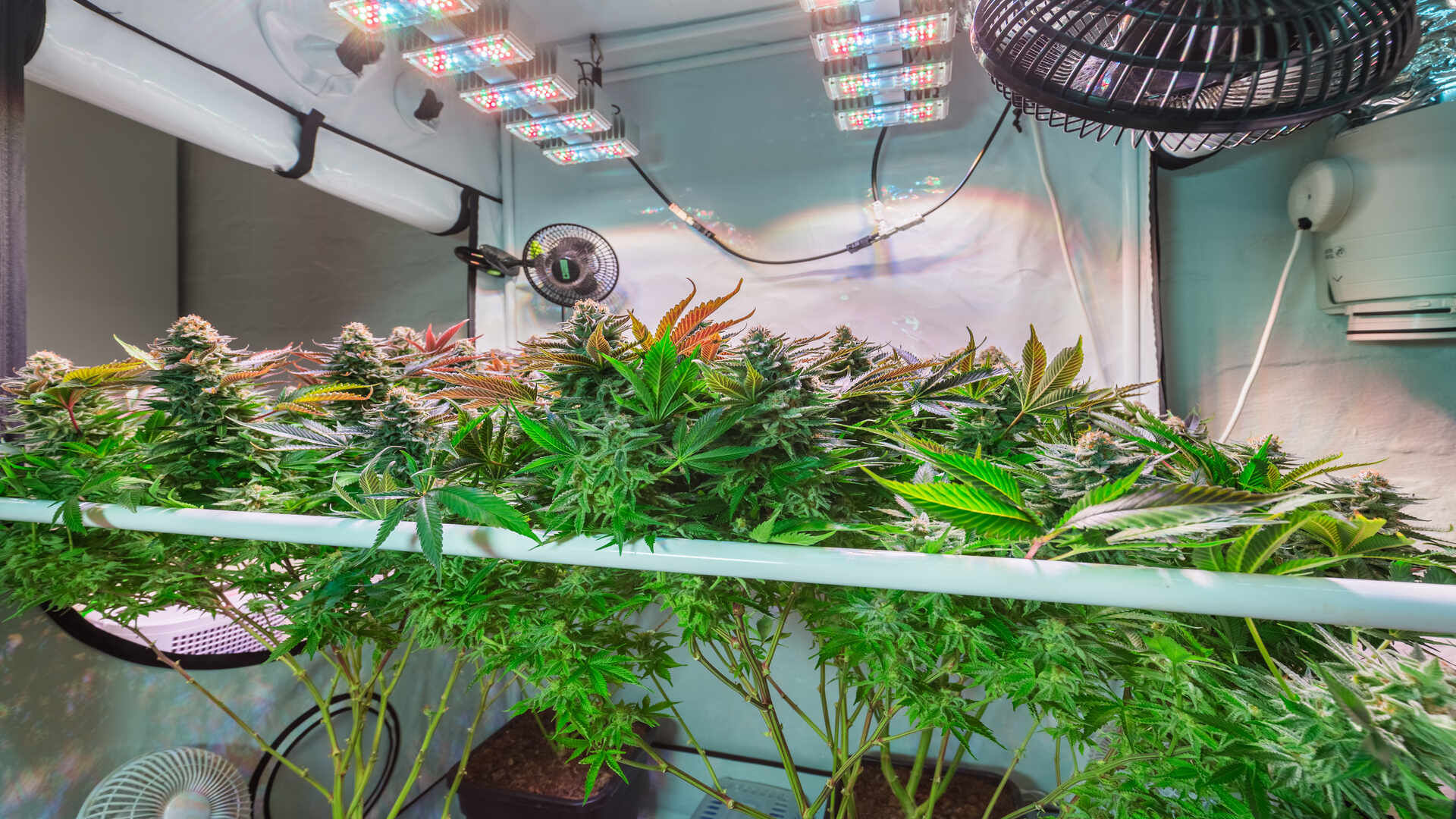

For cannabis cultivation, creating the perfect indoor tent setup can be a minefield. This is especially true for beginners, as it involves careful planning and execution of several key criteria, some of which are not particularly intuitive. Planning indoor tent grows includes the arrangement of the tents themselves, controlling the environment, providing sufficient light, suitable water management, and of course the nutrient supply. In an optimized setup, plants thrive and can fulfil their genetic potential, leading to large yields and a high quality grade. This guide provides some of the essentials needed to create an ideal tent setup. However, remember that each environment is different and needs some customization.
Layout and Space Optimization
Although it might seem like a very basic factor, where the tent is situated can help or hinder the growing outcomes. Positioning tents in a naturally well-covered and insulated area helps control the environment inside the tent more efficiently. A loft/attic, for example, is not ideal as it is usually a very volatile environment, very hot when the sun is out and very cold at night, for instance. This means temperature control inside the tent is extremely hard. To ensure that the plants get a nice, stable environment, tents should ideally be positioned in a shaded area, with as little a temperature swing as possible; some basements are perfect for this, as is a room on the north side of the house.

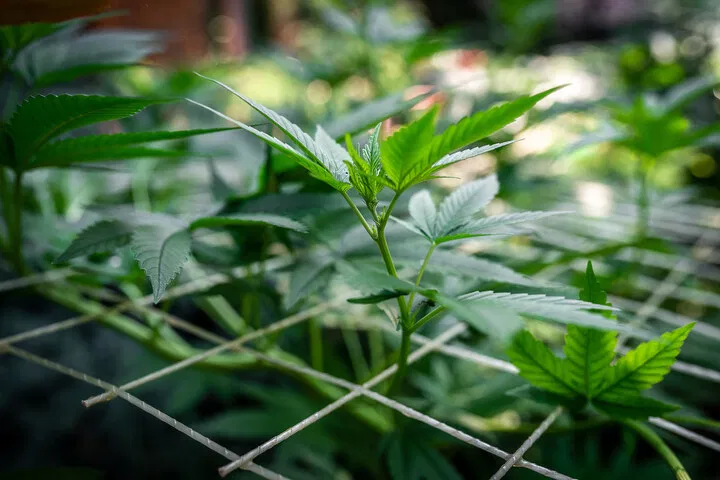
The arrangement or configuration of the inside of the tent should also allow for easy access to plants and no hindrance to airflow, irrigation lines or power supply. Detailed planning inside the tents is necessary to ensure good air distribution, maximize grow space, and make it easy to change the things that need changing throughout the grow, i.e., theheight of lights, etc. The cultivation style is also part of the equation, with sea of green and SCROGing being two of the more common methods used to increase grams per square area. Which to use is dependent on the tent size, the experience of the grower, and general suitability for both inputs and outputs. Usually, at a minimum, plants undergo some basic training, such as topping, as tents are usually height-restricted. So make sure you don't accidentally grow a 2-meter-tall plant in a 2-meter-high tent!
Water Supply and Management
A clean, conditioned water supply is essential for maximizing a cannabis plant's output. The water should be conditioned to be at a stable temperature, free of contaminants, including tap water additives such as chloride or fluoride – the plants don't generally respond well to these. It should be in plentiful supply with the possibility of a backup supply/surplus to handle any unexpected issues. Maintaining a consistent water temperature can be a huge step towards optimization, as temperature fluctuations can affect pH levels, which in turn affect nutrient uptake and temperature regulation. For hydroponic systems using an inert substrate such as rockwool, maintaining a pH of 5.8-6.0 is ideal. This range supports normal plant cell function and is optimal for nutrient absorption and general plant health. Higher pH can be used in other mediums but is generally no higher than 6.5.
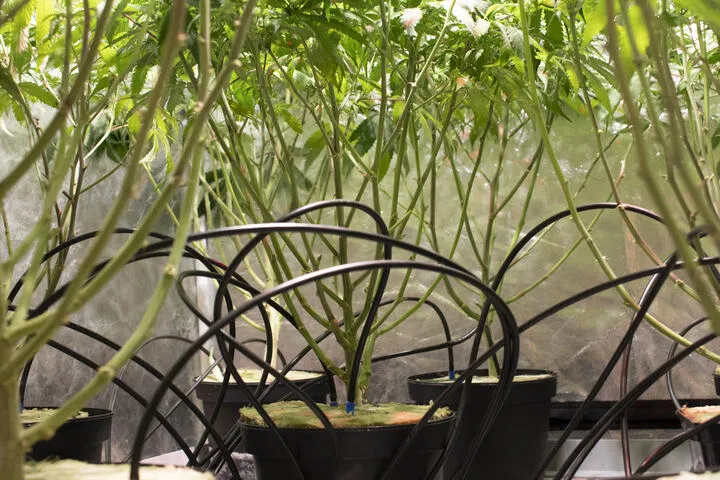
Stored water can be helpful, but it needs to be kept clean and free from microbes that could clog the fertigation lines or result in health hazards to either growers or plants. Algae gets everywhere, and any water that is exposed to light will most likely develop algae. This can deplete oxygen from the water and block drippers, irrigation lines, and any small channels the water goes through.
Air Supply and Environmental Control
A stable air supply can be instrumental in environmental control. The air source should ideally have a stable temperature and humidity level, meaning the tent is already in good shape before air conditioning/climate control kicks in. Rapid changes in the air temperature, for example, can cause many issues inside the tent and lead to stress, which will affect growth. Pulling air from a typical living space is usually sensible as lived-in rooms are generally kept within a small range, typically 18-22 C. If sourcing from outside, make sure to have at least a bug guard on the input side, or even better, a filter to ensure the air is free from dust particles, etc.
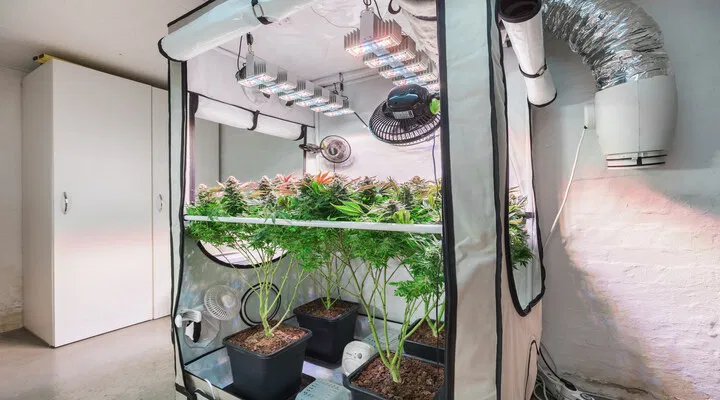
Proper ducting is essential, too. Keep the ducting as straight as possible, as turns and angles can significantly reduce efficiency. For example, each 90-degree turn in the ducting adds an equivalent length of 2.5 times the duct's diameter to the length. Having many turns or ducting all twisted together can reduce airflow efficiency massively, making it harder to keep the tent in optimal conditions.
Lighting a tent
The first consideration for lighting up a tent should be its height. The distance lights should be from the canopy generally ranges from 60cm to 120cm. Most tents are 2m or 2.4m high. Some quick math will tell you the limit of the height of the plant plus its pot. This is also worth considering when thinking of training techniques.
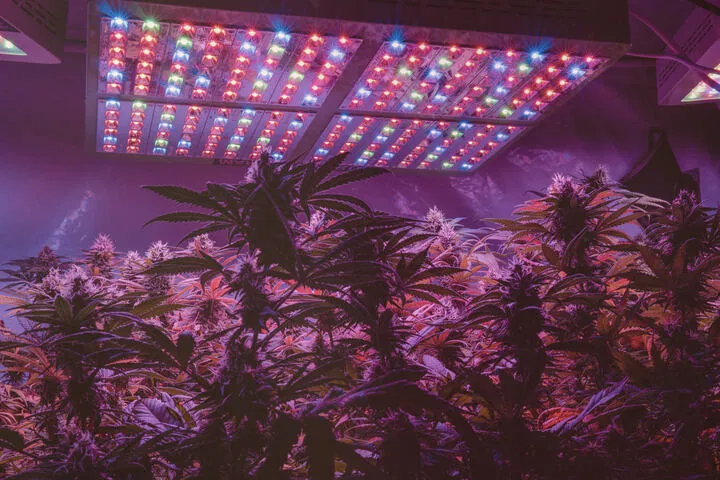
As lighting is one of the most important aspects of an indoor tent setup, getting the choice right is key. The chosen lights should be efficient, with a high output of the desired light spectrum. But consider things like temperature output of the lights versus tent temperature and temperature of source of air.In a cool or cold environment, maybe some old-school HiD, such as HPS, should be considered as they generate a good amount of heat.LED lights are likely the best if the tent is in a warmer environment, as they generally have a lower heat discharge.
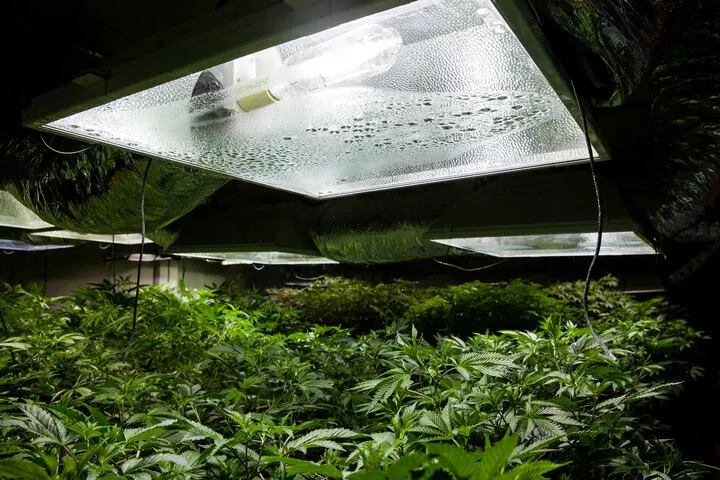
Lights should be positioned for an even distribution across the canopy. Plants generally prefer different light quality during the vegetative stage vs. the flowering stage. This can enhance growth and help the plant reach its potential. Therefore, having a variable spectrum or having veg and flower lights will generally help. Adding UV-B can aid with stress resistance and might even increase cannabinoid production while adding far-red light during the flowering stage can improve bud density.
Nutrient Management
Getting the right nutrients - or should it be getting the nutrients right - is crucial for healthy plant growth. Specialized nutrient formulations that are designed for the system you're using is recommended. For instance, HPS lights and plants in soil, with hand watering only, might take your nutrient choice in one direction. In contrast, a hydroponic system under LED lighting may push growers in another direction. Products that offer pH-adjusted formulations for rockwool, for example, can significantly affect plant health and yield. These nutrients should be tailored to the specific needs of cannabis plants, considering the light spectrum and growing medium.
Conclusion
Optimizing cannabis growing can be much easier if the setup is done correctly. Jorge Cervantes' legendary LAWNs (Light, Air, Water and Nutrients) should keep you right, especially if considered during the setting up stage. Tents may have slightly different requirements from other grow spaces. Still, by optimizing these elements, you can create a perfect situation for the plants to thrive. Once in there, having a controlled environment geared towards each life-cycle stage will help maximize yield and quality. Another good idea is to keep copious notes and refer to these when implementing changes/improvements.