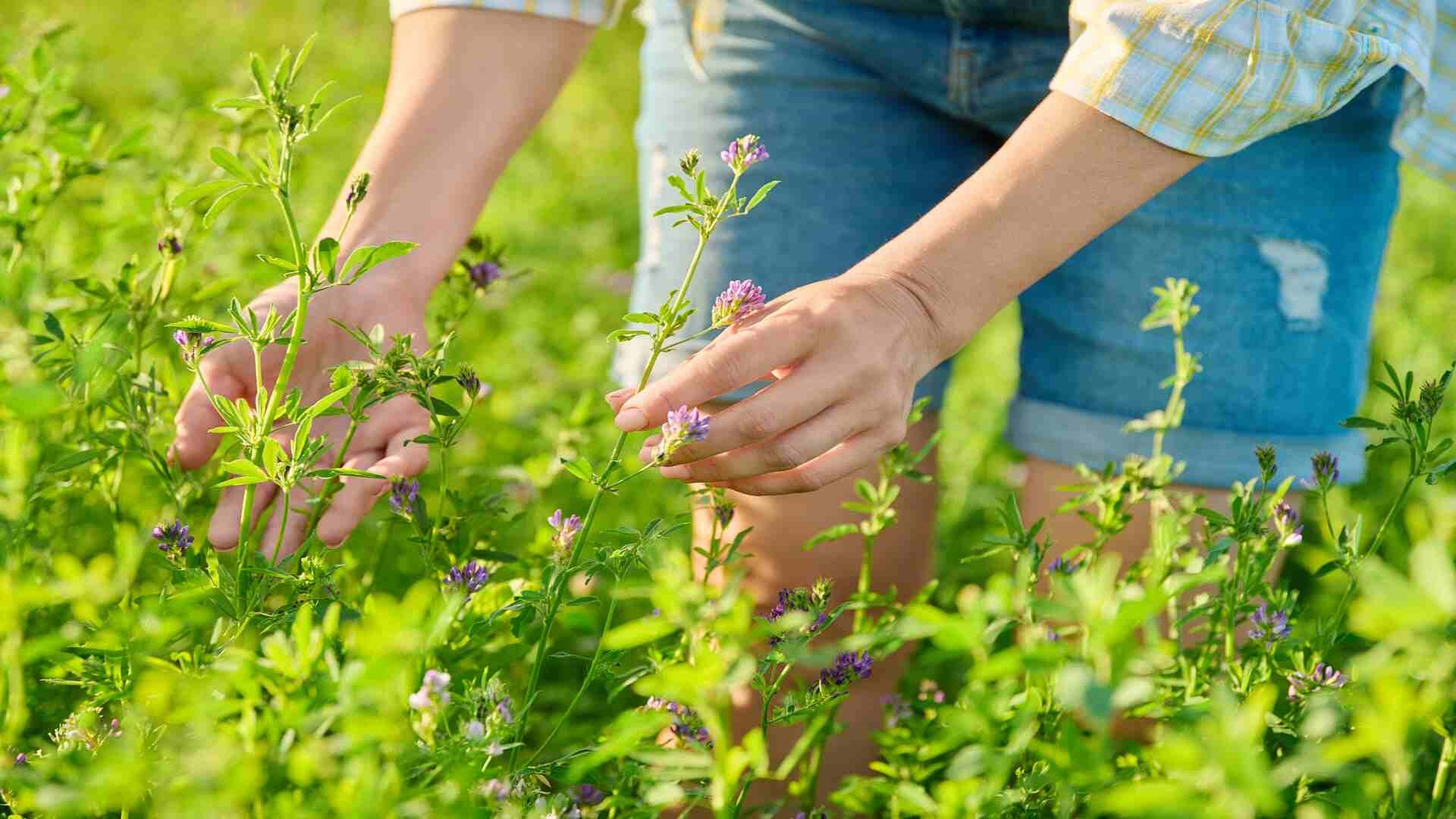
In a world grappling with inflation, resource depletion, and the escalating impacts of climate change, many of us are turning to the land for solutions—growing our own food and medicine as a form of resilience and resistance. But even regenerative gardening can come with a cost, as fertilizers, amendments, and shipping prices continue to rise. The good news? Nature already provides everything we need. In this article, we’ll explore how to wildcraft cannabis inputs—harvesting powerful, local plants and materials to create your own nutrient-dense fertilizers and soil amendments. It’s a practice rooted in sustainability, self-sufficiency, and deep connection to place.
What Are Wildcrafted Inputs?
Wildcrafting is the practice of harvesting plants and natural materials from their wild, uncultivated environments for use in food, medicine, or gardening. In cannabis cultivation, wildcrafting allows growers to forage local, nutrient-dense plants like nettle, comfrey, or horsetail and transform them into powerful, homemade fertilizers and soil amendments. Rooted in traditional knowledge and regenerative agriculture, wildcrafting helps build a closed-loop system that supports soil health, reduces input costs, and deepens your connection to the land.
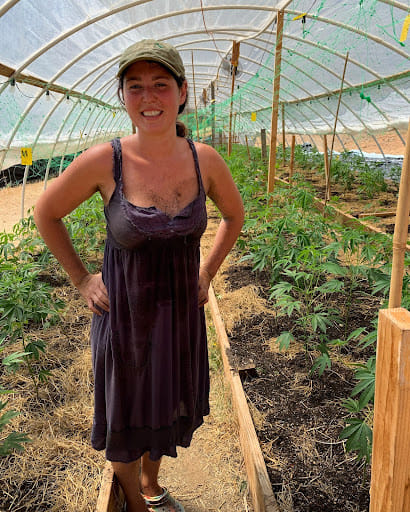
Wildcrafting is perfect for cultivators who want to be more sustainable and produce their inputs but may not have the space to do more traditional closed-loop practices like raising animals for manure or growing a wide variety of plants that can be turned into fertilizers. By wildcrafting, you are harvesting from the abundance of the natural world. In some instances, you may wildcraft invasive species that have overtaken local ecosystems to encourage native ecology. Wildcrafting is good for the environment, excellent for your wallet, and can be part of regenerative soil building that supports soil microbes. When you use wildcrafted inputs, you are growing cannabis that is expressing its genetic potential with the terroir of your region.
Common Wildcrafted Plants and Their Benefits
A wide variety of plants can be turned into DIY cannabis fertilizers. Here are just a few:
Nettle – N-rich, mineral accumulator → fermented (FPJ) or compost tea
Comfrey – Potassium, calcium → chop-and-drop or tea
Yarrow – Micronutrients, pest deterrent → fermented (FPJ) or compost
Horsetail (Equisetum) – Silica-rich, antifungal → fermented (FPJ) or compost
Dandelion – Bioavailable minerals, dynamic accumulator → fermented (FPJ) or compost
Seaweed/Kelp (if near coast) – Growth hormones, potassium → fermented (FPJ) or dried mulch
Tansy – Natural pest repellent (especially ants and beetles) → fermented (FPJ) or perimeter planting
Premature Fruit (windfall apples, plums, etc.) – Sugars, enzymes, and plant hormones→ used in fermented nutrient solutions
Willow – Rich in salicylic acid (natural rooting hormone) → willow water for cloning or soil drench
Mullein – Potassium-rich and beneficial for fungal disease resistance → compost, mulch, or fermented
Deciduous leaf litter (oak, maple, etc.) – Slow-release phosphorus → leaf mold, compost, or mulch
Foraging Tips for Cannabis Growers
When foraging for wildcrafted cannabis inputs, it’s essential to approach the land with respect, reciprocity, and awareness. Here are my best tips:
- Ethical harvesting (the 1-in-20 rule): This guideline suggests that for every 20 plants you come across, you only harvest from one. This ensures the plant population remains healthy and undisturbed for wildlife and future generations of foragers. It’s a foundational practice in sustainable wildcrafting.
- Avoid roadsides and contaminated soils: Plants bioaccumulate toxins, especially those growing near highways, industrial zones, or heavy runoff areas. Always harvest from clean, pesticide-free areas.
- Learn to ID plants properly: Misidentification can be dangerous or ineffective. Use field guides, go on local plant walks, or use apps like Seek, PictureThis, or iNaturalist to learn what’s in your area.
- Know your local laws: Harvesting on public land is often restricted or prohibited. Stick to private land with permission, or look into public lands that allow sustainable foraging with permits.
How to Prepare and Use Wildcrafted Inputs
There are various ways to prepare your wildcrafted inputs. What you do with them depends on your goal. Are you looking at making something readily available or preparing for the future? Certain ferments can take years — hello, FAA, I’m talking about you — others may take a few weeks, and some are simply used in compost. Let’s discuss some of my favorite ways to use foraged plant nutrients.
Fermented Plant Juice (FPJ) Basics
Fermented Plant Juice (FPJ) is a simple, powerful input made by fermenting the growing tips, leaves, or flowers of vigorous plants with brown sugar. This process extracts the plant's nutrients, enzymes, and hormones into a shelf-stable liquid that can be diluted and applied to your cannabis garden. FPJs serve a dual purpose: they act as a bioavailable fertilizer, supplying readily absorbed minerals like potassium, calcium, and magnesium, and they also function as biochemical signaling agents, delivering natural plant hormones (like auxins and gibberellins) that influence growth patterns, flowering, and stress resilience.
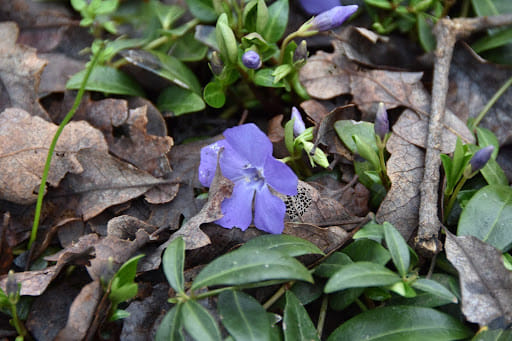
Depending on the plant material used and when it’s harvested, FPJs can encourage root development, support vigorous vegetative growth, or help ease the transition into flower. On top of that, they’re a favorite food source for beneficial soil microbes, helping you build a thriving soil food web. Whether you’re feeding the soil or signaling your plants, FPJs are a foundational tool in closed-loop, regenerative cannabis cultivation.
To make FPJ:
- Materials: Freshly harvested plant material (like nettle or yarrow), brown sugar or molasses, a clean jar, and a breathable lid (like cheesecloth). For vegetative growth, use young, fast-growing plants like nettle. For flowering, use fruit like crab apples.
- Steps: Chop your material and weigh it. Combine equal weight of plant material and sugar in the jar, press down, cover with breathable lid, and let sit in a cool, dark place for 7–10 days.
- Strain and store the liquid in a clean container. Shelf stable for up to a year if stored cool and dark.
- Application: Dilute 1:500 (around 2 mL per liter) and apply as a soil drench or foliar spray.
This is the heart of Korean Natural Farming (KNF) and one of the most approachable wildcrafted cannabis fertilizers you can start with.
Learn more bout KNF with expert Chris Trump, in my Holistic Horticulture class on Natural Farming, where he teaches IPMO and FAA.

Compost Tea (Two-Ways) from Foraged Greens
Compost has to be my favorite garden amendment. It's packed full of biology that accelerates the breakdown of minerals already found in your soil and boosts your plant's immune system with various microbes that can fight pathogens. Whether you’re brewing aerated compost tea (ACT) or a simpler, non-aerated version, you can easily incorporate wildcrafted inputs to boost biology and feed the soil.
Method One
This method uses fresh greens known for their high nutritional value of specific micronutrients. This method utilizes microbes and water to extract the nutrients from the freshly cut plants.
- Aerated compost tea: Combine foraged greens, worm castings, molasses, and water in a bucket with a bubbler. Brew for 24–36 hours and apply immediately.
- Non-aerated tea: Steep greens in water for 3–7 days, stirring daily. This version can get a bit smellier, but it’s still effective for a quick microbial boost.
- Use wildcrafted mineral accumulators like comfrey, horsetail, or alfalfa hay for added silica, calcium, and potassium.
Method Two
This method requires more patience since you will make the compost from the foraged greens.
- Collect greens: fresh cut and aged to create a large enough pile that measures three feet tall and wide.
- Build pile: layer fresh greens with dried greens at least 6 inches tall. Cover with aged manure, compost, or spent soil.
- Maintain pile: Keep moist and turn weekly. Check the temperature and ensure the internal temperature reaches 175°F for at least 3 days. Compost should be finished between 4 and 6 weeks.
- Follow instructions above to make aerated compost tea or top dress your plants.
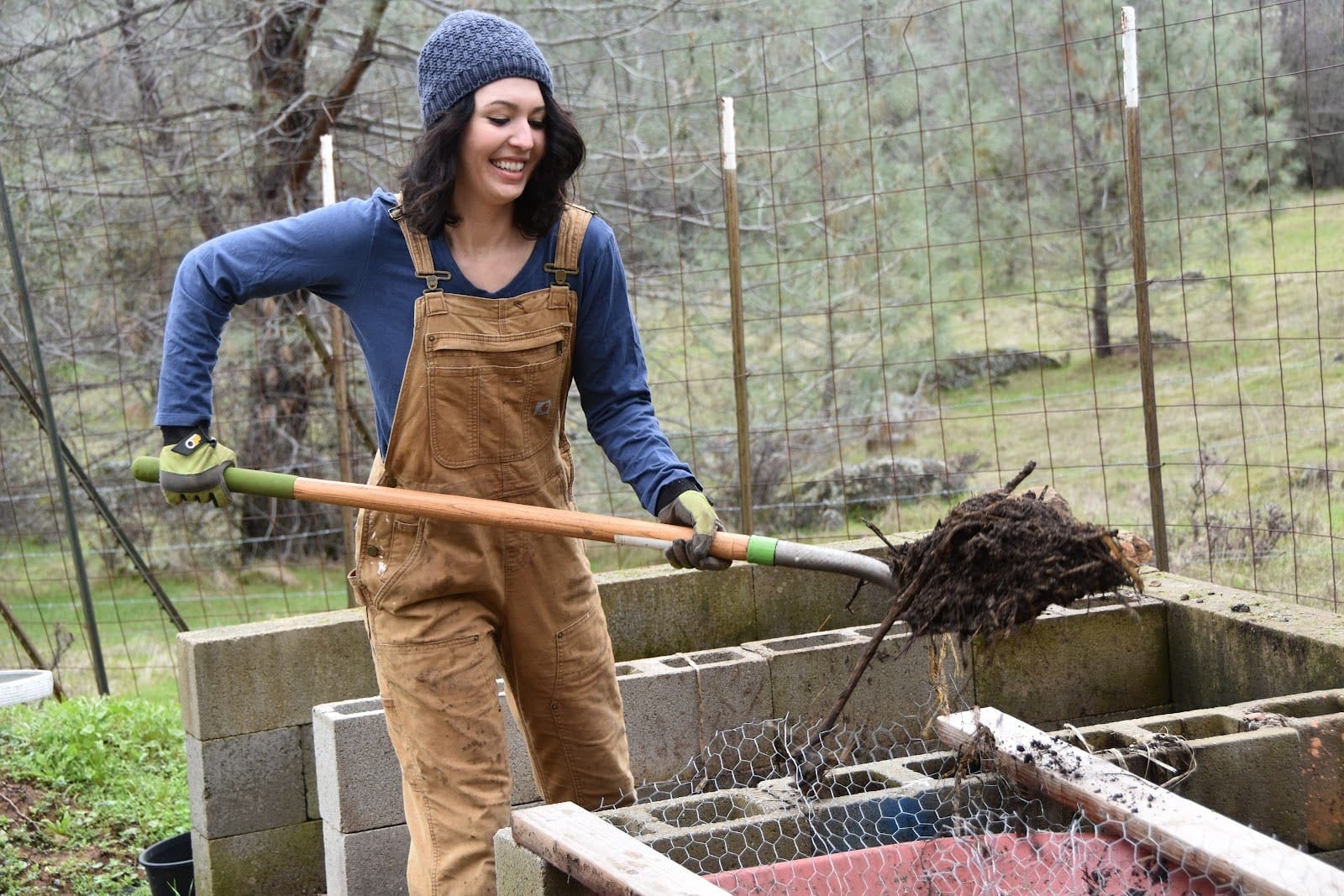
Learn more about the benefits of soil microbes in our “A Healthy Living Soil Guide.”
Direct Application Techniques
Don’t want to ferment or brew tea? That’s okay — the plants still have value.
- Chop-and-drop: Cut fresh plant material like comfrey or yarrow and lay it directly on the soil as mulch. This suppresses weeds, retains moisture, and slowly feeds the soil.
- Soil soaking: You can create a quick infusion by steeping plant material in warm water for 24–48 hours and watering it into the root zone.
- Mulching layers: Add dried plant matter to your mulch layers to improve organic matter and suppress disease.
Building a Closed-Loop Fertility System
To truly embody regenerative cannabis gardening, wildcrafted cannabis inputs should be part of a broader closed-loop system. Here’s how to round it out:
- Home compost: Layer in foraged greens with your kitchen scraps and garden waste.
- Bokashi or IMO (Indigenous Microorganisms): These ferments pair beautifully with wild inputs to create diverse microbial environments that support plant immunity.
- Cover crops: Grow nitrogen-fixing plants like clover or vetch to complement wild inputs.
- Animal manures: If you homestead, aged manure adds long-term fertility.
When you cycle these elements back into your grow, you’re reducing your reliance on external inputs and allowing nature to balance and regenerate your system. This not only saves money but increases resilience — key in the face of shifting climates and economic uncertainty.
Challenges and Considerations
Like anything in gardening, wildcrafting has its learning curve:
- Inconsistent nutrient content: Wild plants can vary in mineral concentration depending on season and soil. Keep records and observe how your plants respond.
- Potential contamination: Always source from clean land. If you're unsure, consider testing compost or tea inputs before application.
- Seasonal limitations: Some plants are only available during certain months. Plan ahead and preserve ingredients when abundant.
- Time and energy: Wildcrafting takes time — both in harvesting and preparing. But the return on investment, especially for small-scale or home growers, is well worth it.
For larger-scale operations, wildcrafted inputs may need to be supplemented with additional amendments to meet production goals — but they can still form the foundation of a regenerative system.
For more ideas on fertilizers check out our article, “Alternative Fertilizers for Great Cannabis.”
Conclusion
Wildcrafted cannabis fertilizers empower us to be stewards of the land and allies to our local ecosystems. By choosing to forage and ferment instead of buy and ship, we reduce our footprint, save money, and produce medicine that reflects the vitality of our bioregion.
Start small. Try making one FPJ this month or take a walk to see what plants you recognize in your area. With every leaf you ferment or weed you mulch, you’re building a relationship with your land — and that relationship will feed you for seasons to come.
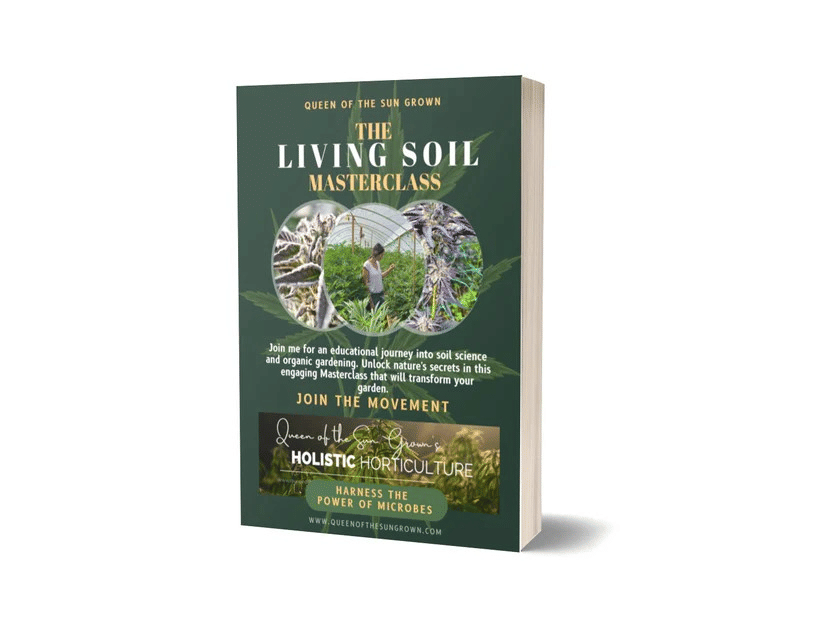
Living Soil: Unlocking the Secrets of Soil Health E-Textbook – Queen of the Sun Grown
By learning more about your soil and the way plants utilize nutrients, you can reduce your fertilizer bill and unlock the nutrients all around you. Check out my e-book on living soil for a comprehensive overview that will expand your knowledge.