
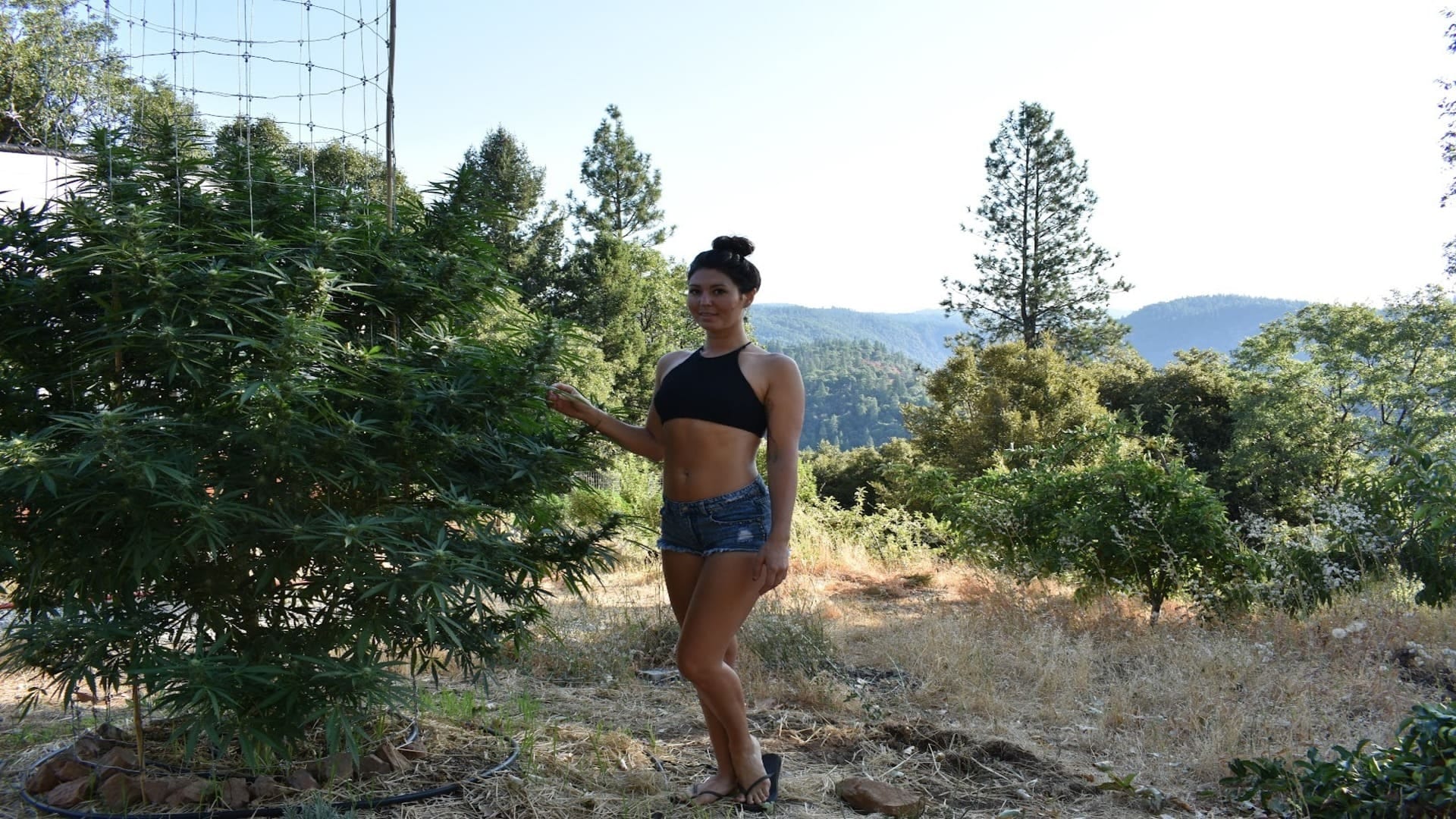

Introduction: Learning to Observe Before We Act
As gardeners, we’re often taught to control: adjust the nutrients, fix the pests, water on schedule, and maximize light. But nature doesn’t operate on rigid systems. It flows, adapts, and self-regulates. Through my experience as an ecologist, I’ve learned that the most resilient and productive gardens come from observation, not control. When we step back and view our garden as an ecosystem rather than a project, we can begin to mimic natural systems and work with the environment rather than against it. At its core, every garden revolves around four key elements: light, water, nutrients, and other organisms (pests, microbes, companion plants, gardeners, etc.). When we let nature lead, each of these becomes less about intervention and more about understanding.

In this article, we will explore how each of us can observe nature in our own garden ecosystems, work smarter, not harder, and allow nature to lead our gardens.
Related Article: How To Grow Mairiuana - Understanding The Plant, Not Just The Process
Planning Your Garden as an Ecosystem
Before planting anything, we must first understand the space itself. Consider the placement of your garden and how the plants interact with the environment. How do sunlight and water move through your garden, and what type of nutrients and organisms are present? When we step back and take a holistic view of our garden, we can begin to act as stewards of an ecosystem rather than gardeners hell-bent on meeting specific expectations.

Sunlight: Working With the Sun, Not Against It
Light is one of the most important drivers of plant health, and not all sunlight is created equal. Most gardeners understand that southern exposure is the best for maximizing sunlight. As the sun rises in the East and sets in the west, it directs most of the light to the southern aspect of your garden while the northern side receives the least amount of light. Other factors come into play as well. Is there more morning sun versus afternoon sun? What type of obstacles cast shadows on your garden? Does the placement of your rows and spacing of your plants cast more or fewer shadows?
Morning vs. Afternoon Sun
Plants generally prefer morning sunlight because it is gentler and less intense. This is especially helpful for young tender plants like clones or seedlings. The morning light has more blue light, which is better for vegetative growth, while the afternoon light has more red light, known for accelerating flowering. Morning light also helps the dew dry faster, reducing the risk of fungal pathogens. For cannabis plants, we like to have as much light as possible, so consider your sun path and how much sunlight your plants will get.
Related Article:Understanding Light Specrtums In Cannabis Cultivation
Sun Path & Garden Orientation
Observe how the sun moves across your property:
- South-facing spaces receive the most consistent light
- Plant rows east to west to control how shadows are cast
- Plant taller plants in the north end of your garden.
- Observe the way light moves through your property.
By observing how the sun moves through our space, we can plan our gardens for optimal sunlight.

Timing: Let Nature Tell You When to Plant
Instead of relying solely on calendars, ecological gardening means reading the signals around you. Earth is a living organism, and the environment changes daily. No two seasons will ever be the same, and as such, we should make sure we are paying attention to what life is doing around us. If you are mostly an indoor grower, this may feel different to you, since you relied on light schedules and environmental controls to dial in your garden. When you grow cannabis outdoors, you are leaning into nature and learning to grow with it. Pay attention to seasonal cues in your ecosystem.
Seasonal Cues to Watch For
- Soil temperature (use a thermometer rather than guessing)
- Snow melt patterns on nearby mountain peaks
- Bloom timing of native flowers
- Consistent overnight temperatures
These indicators are far more reliable than arbitrary dates. Nature has already done the calculations. We just need to pay attention.
Soil temperature varies each year, and the best way to know what your soil is doing is to take a reading and see where it’s at. Once your soil is above 60°F, you are typically safe to plant outside. If you do not have a soil thermometer, you can pay attention to the ecosystem and observe blooms of native species, such as flowers, or flushes of mushrooms. Locally, I know that soil temperature is roughly 40-50°F when the morels are growing, and the buttercups are blooming. We also observe two mountain peaks to watch for snowmelt. This is a good rule of thumb for planting outside. Tune into your local environment, take notes, keep records, and if all else fails, check your weather app and wait to plant until nighttime temps are consistently over 50F.
While you are watching your weather app, pay attention to rainfall in your area. Using your natural water cycle is another great way to garden with nature.
Water: Following the Flow of the Land
Water doesn’t just exist in your garden. It moves through it. By planting in the native soil, you can tap into the water cycle and reduce your watering significantly. Simply observe how water moves through your yard. Understand your landscape and design your garden with those observations in mind.

Understanding Your Landscape
- Observe where water collects, drains, or runs off
- Identify naturally moist vs. dry zones
- Watch your garden during rain events
Designing With Water in Mind
When designing your garden with water in mind, you can harness the natural water cycle by building swales, using huglekultur beds, collecting rainwater, and placing your garden in areas where it's naturally more moist.
- Swales slow and spread water
- Hügelkultur beds and mulch to retain moisture
- Rainwater harvesting systems
- Plant placement based on natural moisture gradients
When you follow the natural contour of your land, irrigation becomes less necessary, and your plants become more resilient. When you plant in containers above ground, you miss out on the water cycle, the minerals, and the microbes found in native soil.
Soil & Nutrients: Feeding the System, Not Just the Plant
Planting in native soil is one of the easiest ways to improve your plant's health. The soil found in Earth’s crust is a living ecosystem teeming with life and nutrients. When you plant directly into the ground, you are connecting to that life force. This results in a better immune system, less watering, less fertilizer, and happier plants.
Indigenous Microbes Boost Plant Immune System
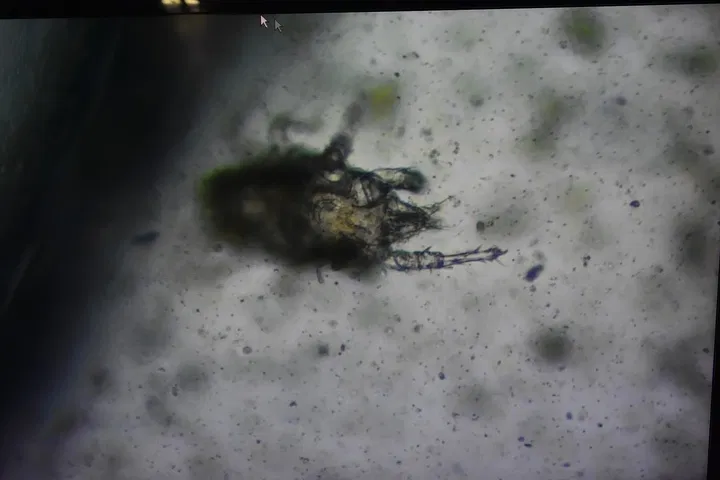
The number of microbes in your native soil is innumerable. There are literally billions of microbes in a teaspoon of healthy soil. These microbes are the first line of defense for our plants. They create a healthy immune system by defending our plants against pathogenic microbes and are more varied than any microbial product you can buy in a store. They also communicate with your plants, literally feeding them nutrients in exchange for sugars produced by your plants, which are passed through root exudates. These microbes not only feed your plant the nutrients needed but also make them available through the enzymatic digestion of minerals contained in your native soil.
Harnessing Native Soil Minerals
Every soil already contains minerals, but they’re often locked up.
Through microbial digestion, these nutrients become plant-available:
- Bacteria and fungi break down organic matter
- Microbes solubilize phosphorus and micronutrients
- Roots exchange sugars for nutrients in a symbiotic relationship
Instead of constantly adding fertilizers, we can activate what’s already there. Understanding the soil food web and how nature cycles nutrients allows us to accelerate this process by simply mimicking what the Earth already does. While microbial enzymes are an amazing way to unlock nutrients in your soil, there is another powerful tool: humus, also a byproduct of microbial digestion.
Forest Floor Inspiration: The Power of Humus
In nature, fertility comes from layers of decomposing organic matter known as humus. This complex carbohydrate chain is composed of humic and fulvic acids that chelate minerals. These organic molecules bind to metal ions in the soil, creating stable rings of available plant available nutrients. Humus is found in the forest floor after hundreds or even thousands of years of decomposing organic matter, from carcasses and leaf litter to manure, it is all decaying into humus. This is the blueprint for everything we try to recreate in compost.
- Compost is our imitation of the forest floor
- It feeds microbes, not just plants
- It builds structure, moisture retention, and nutrient availability
If you aren't composting, you really should be. Not only does adding compost help solubilise the minerals in your soil and increase microbial activity, but it also reduces waste and creates a closed-loop gardening system that turns waste into fertilizer. Instead of thinking of weeds as something you have to get rid of, utilise them as an ingredient in your compost and feed them back to your soil and help grow your plants. The organisms in your garden all have a purpose and can help you grow healthier and more sustainable plants.

Pests: Rethinking the Problem
In a natural ecosystem, pests are not problems. They are simply organisms living their lives. When we have a thriving, balanced ecosystem, organisms that we typically associate with pests should not become a problem. In fact, a little pest damage will actually make your plant produce more secondary metabolites such as terpenes and flavonoids, increasing the flavor and medicinal benefits of your cannabis. We can improve our garden ecosystem and balance pest populations with other organisms through companion planting.

Creating Habitat for Beneficial Insects
Companion planting is a great way to balance pest populations, improve soil structure, and increase biodiversity, which, in turn, enhances nutrient cycling and microbial diversity. The more diversity of life you have, the healthier your ecosystem becomes. That’s why monocropped agriculture is lacking in mineral content and detrimental to our natural ecosystems. When we include a variety of plant species, we attract beneficial insects that feed on pest species.
- Grow native plants alongside crops
- Allow some flowering weeds to exist
- Provide shelter and diversity
A balanced ecosystem regulates itself, and predators keep pests in check.
To learn more about companion planting, read our full article, “Beyond Buds: Maximizing Your Garden With Companion Planting”
Gardening With the Flow
When we stop trying to dominate nature and instead begin to observe it, something shifts. The garden becomes less work, more intuitive, and far more resilient.
By focusing on:
- Light (sun patterns and exposure)
- Water (movement and retention)
- Nutrients (soil biology and cycles)
- Pests (balance and biodiversity)
We move from managing a garden… to participating in an ecosystem.
Nature already knows how to grow, our job is simply to listen.