
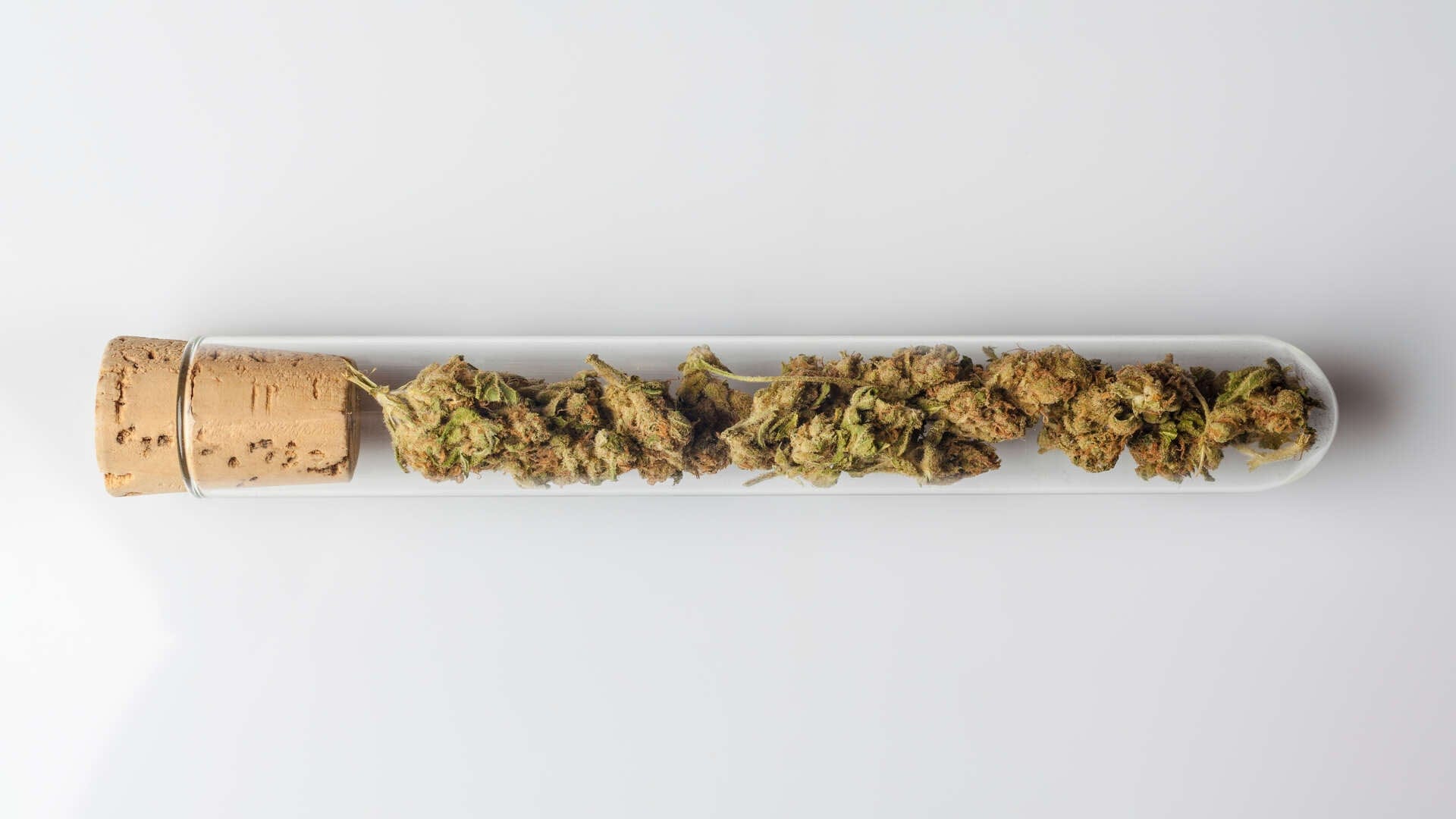

If you’re serious about growing cannabis at home, there’s one tool that could transform your entire operation – and it’s not another grow light or nutrient line. It’s a THC tester. Home growing is becoming increasingly popular among cannabis growers who want to produce their own cannabis, and a THC tester is something worth adding to your grow arsenal.
Whether you’re cultivating for personal use, medical needs, or to dial in the perfect phenotype, knowing exactly how potent your weed is puts you in control. Many individuals, including those growing marijuana for medical purposes, benefit from knowing the potency of their cannabis. Guesswork might be fine for hobbyists, but if you want consistency, safety, and peak performance from your plants, you need hard data. That’s where a THC tester comes in.
What Is a THC Tester?
A THC tester is a device or kit used to measure the tetrahydrocannabinol (THC) content – the primary psychoactive compound – in cannabis. THC testers can vary in complexity, cost, and accuracy, but they all serve one main purpose: to give you quantifiable data on the potency of your cannabis.

THC testers typically fall into three categories:
Colorimetric Test Kits – Affordable and user-friendly, these use chemical reactions to estimate THC levels. The test involves adding a small sample of cannabis to the provided fluid, which reacts and changes color to indicate THC levels.
Portable Digital Analysers – Mid-range options that use spectroscopy or chromatography techniques for more accurate reading.
Lab-Grade Desktop Analysers – High-end tools (often used by dispensaries or breeders) that offer precision on par with professional laboratories. These devices are designed to deliver reliable results comparable to professional labs.
Understanding Cannabinoids and Potency
Cannabis testing is at the heart of producing high quality cannabis, whether you’re a home grower, a dispensary, or a medical marijuana patient. Understanding cannabinoids—like THC and CBD—and their potency is essential. These compounds are responsible for the effects, flavour, and therapeutic benefits of cannabis products, making accurate testing a crucial step in the process.
Further Reading:Cannabinoids: From ABC to THC
For home growers, knowing the THC and CBD levels in your crop isn’t just about bragging rights—it’s about quality control, safety, and making informed decisions about your cannabis consumption. Regular testing helps you track the potency of your marijuana, identify any issues in your growing process, and ensure you’re producing cannabis that meets your personal or medical needs. This is especially important for medical marijuana patients who rely on consistent cannabinoid profiles for effective treatment.
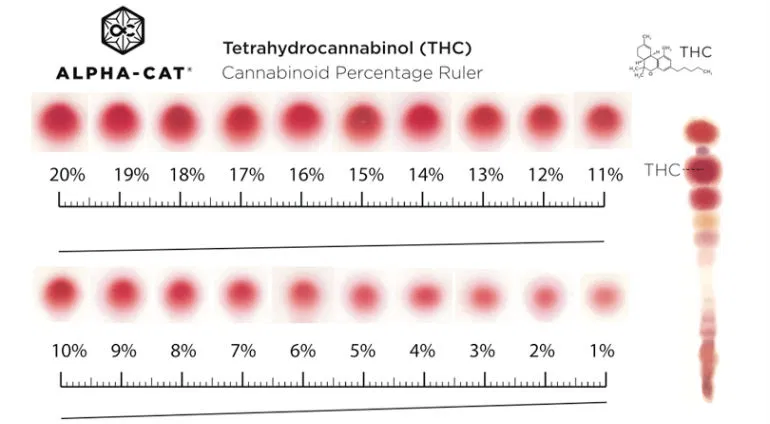
There are several methods available for testing THC and CBD content. Thin layer chromatography (TLC) is a popular, cost-effective option for home growers and small scale producers, allowing you to measure cannabinoids with reasonable accuracy without the need for expensive lab equipment. For those seeking even more precise results, lab testing services can provide detailed cannabinoid profiles, ensuring your cannabis products meet industry standards.
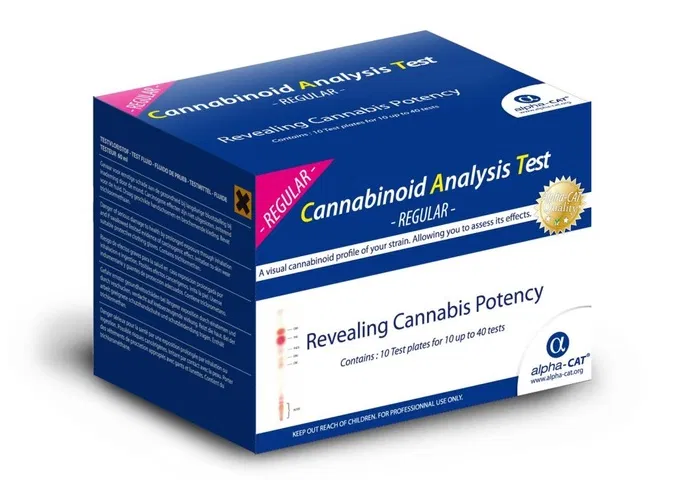
Accurate readings of THC and CBD levels are not only important for personal use, but also for legal compliance. In legal states, dispensaries and seed banks depend on reliable cannabis testing to guarantee their products meet safety and potency regulations. By using testing kits or lab services, growers and retailers can avoid legal issues and provide consumers with high quality, trustworthy cannabis products.
For small scale growers, investing in regular THC testing is a cost-effective way to maintain control over your crop’s quality and potency. It empowers you to make adjustments throughout the growing process, from seed to harvest, and ensures your final product is both safe and effective. Additionally, understanding the cannabinoid content of your cannabis helps you tailor your products for specific effects, whether you’re seeking relaxation, pain relief, or creative stimulation.
Ultimately, understanding cannabinoids and potency is essential for anyone involved in growing, selling, or consuming cannabis. By embracing regular testing—whether through thin layer chromatography TLC, lab testing, or reliable kits—you gain the confidence and control needed to produce and enjoy high quality cannabis, avoid legal issues, and make informed choices every step of the way.
Why THC Testing Matters for Home Growers
Potency Matters
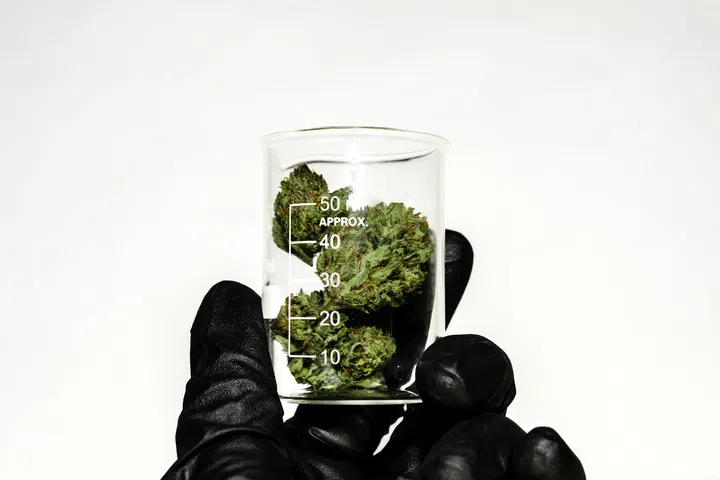
Whether you’re growing for relaxation, pain relief, or creative stimulation, knowing the potency of your buds matters. Understanding how much THC is in your buds is crucial, as it directly affects the experience and helps you avoid unwanted effects.
A THC tester lets you dial in your ideal potency range, batch after batch. No more guesswork – just data.
A 2020 study in the journal Scientific Reports found that THC levels in cannabis can vary significantly based on strain, cultivation methods and harvest timing[1] – making personal testing a valuable tool for consistency. Measuring cannabinoid levels ensures your product maintains the desired potency and effects every time.
Strain Optimization
Growing from clones or seeds? A THC tester helps you track which phenotypes produce the most potent buds, giving you hard data to support breeding decisions or future selections. For example, a grower can use a THC tester to compare two phenotypes and select the one with higher potency.
Harvest Timing
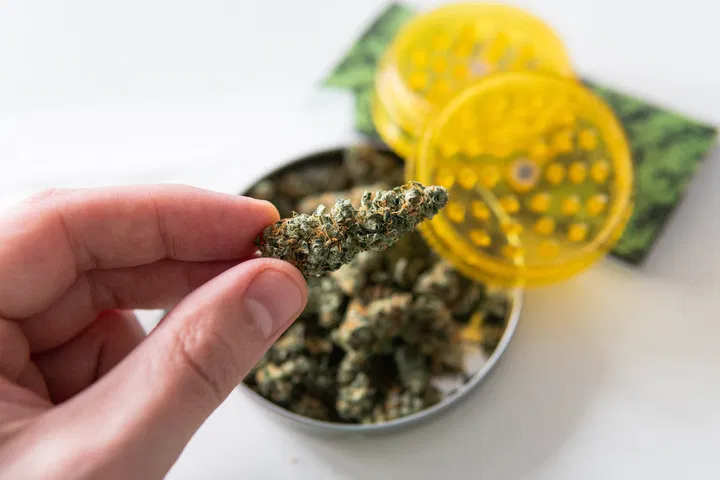
THC content changes significantly during the flowering stage. With a THC tester, you can monitor potency throughout the grow to find the optimal harvest window – maximising both strength and terpene retention.
Further Reading: Using Trichomes To Determine Potency and Harvest Time
Curing and Storage Insights
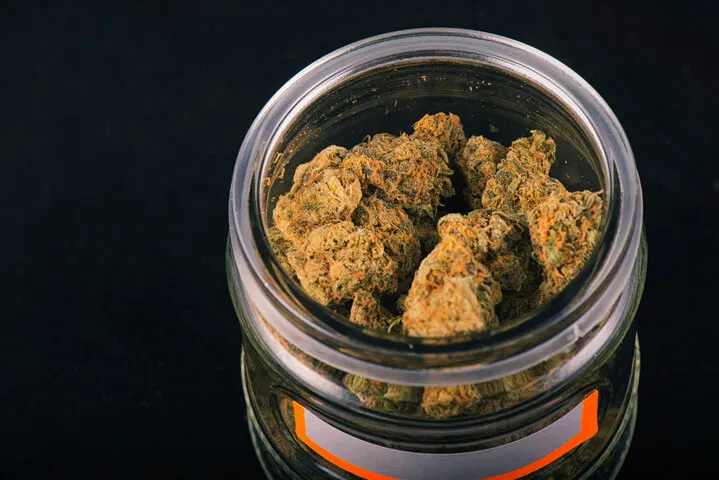
Ever wonder if your THC levels drop during the curing process? Or how long your stash holds its strength in a jar? A THC tester can track potency degradation over time, giving you valuable data on storage effectiveness, so you can optimize your storage methods for maximum potency in the long run.
Safety and Dosing
For medical growers, this is non-negotiable. Understanding the total THC content is crucial for precise dosing, particularly for medical patients. Accurate THC data ensures consistent dosing, which is critical for patients managing chronic pain, insomnia, neurological disorders, and more.
Further Reading: Homegrown Weed vs Dispensary: A Complete Comparison of Homegrown and Medical Cannabis
Types of THC Testers (And What They Cost)
We’ve seen that there are various types of THC testers available. The amount of money you spend on a tester depends on the features and accuracy you need. Now let’s look at what these each options can cost.
Colorimetric THC Test Kits
£20-£50 per kit
How It Works: You add a small sample of bud to a vial with a chemical solution. The colour change is compared against a chart, and gives you an estimate of THC content. Some colorimetric kits can also be used to test edible cannabis products for THC content.
Pros: Cheap, easy to use, no special equipment or training required.
Cons: Low accuracy, only gives approximate values.
Portable Digital THC Analysers
Cost:£200+
How It Works: These devices use near-infrared spectroscopy (NIRS) or photometry to analyse cannabis oil or flower. Many portable analysers are also capable of testing extracts, in addition to oils and flowers.
Pros: More accurate, and many come with app integration. Provides fast results.
Cons: Initial investment, some models only test infused oils.
Desktop Lab-Style Analysers
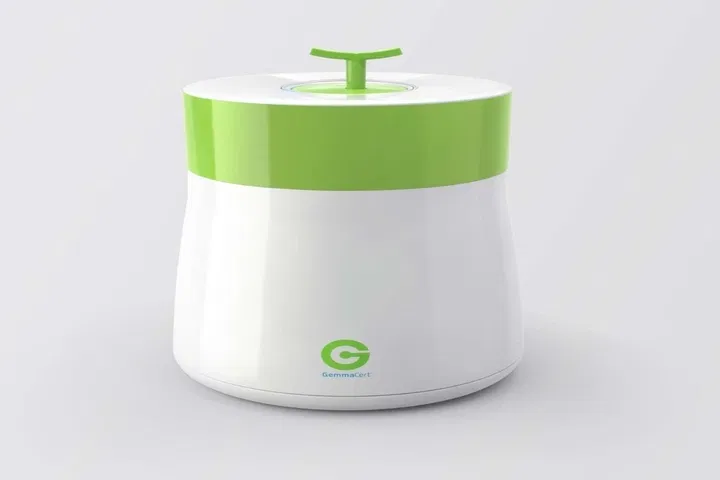
Cost:£1000+
How It Works: These advanced unites replicate lab-grade chromatography, spectrometry, or spectrscopy technniques. Desktop analysers can also be used to test hemp products for cannabinoid content.
Pros: Highly accurate, tests multiple cannabinoids (THC, CBD, CBN)
Cons: Cost-prohibitve for many home growers, bulkier, more complex to use.
How To Use a THC Tester
Usage depends on the type of tester you choose. But generally, the process looks like this:
- Grind a small sample, usually 100-200mg of dried flower.
- Note: You can also test cannabis extracts and edibles by following the kit or device instructions.
- Prepare it according to the tester instructions (e.g., infuse oil, mix with solution).
- Insert into the device or testing medium.
- Read results within minutes on a digital display or colour chart.
The process may differ slightly depending on whether you are testing cannabis flower, oils, or edibles.
Some advanced devices even connect to your smartphone and provide detailed cannabinoid breakdown and batch tracking. For a deeper dive on testing, read our article on how to test THC levels in cannabis
Pros and Cons of Owning a THC Tester
Investing in a THC tester can be a gamechanger for cannabis cultivators. However, there’s some things to weigh up.
Pros:
- Control over potency
- Improved Consistency
- Optimized growing and curing process
- Accurate dosing
- Professional-level data without a lab (depending on which tester you end up with)
Cons:
- Cost – Digital and lab -grade testers provide greater accuracy, but it comes at a price.
- Learning Curve – Especially for advanced units requiring calibration or data interpretation, these can be significantly more effort than a simple plug n’ play.
- Not as accurate as full lab testing – Though many testers are close, especially high-end ones, they still have some margin of error.
The Bottom Line
For any home grower serious about quality and consistency, a THC tester is a powerful tool. While some might see it as a luxury, the benefits – especially for medical users, breeders, or cannabis connoisseurs – are substantial. The ability to quantify your grow’s potency not only helps your final product, but empowers you with real insight into your cultivation process.
Whether you start with an affordable colour kit or invest in a digital analyser, the data you gain will pay dividends in confidence, control, and cannabis quality – and at the end of the day, quality matters.
------------------------------------------------------------------------------------------------------------