

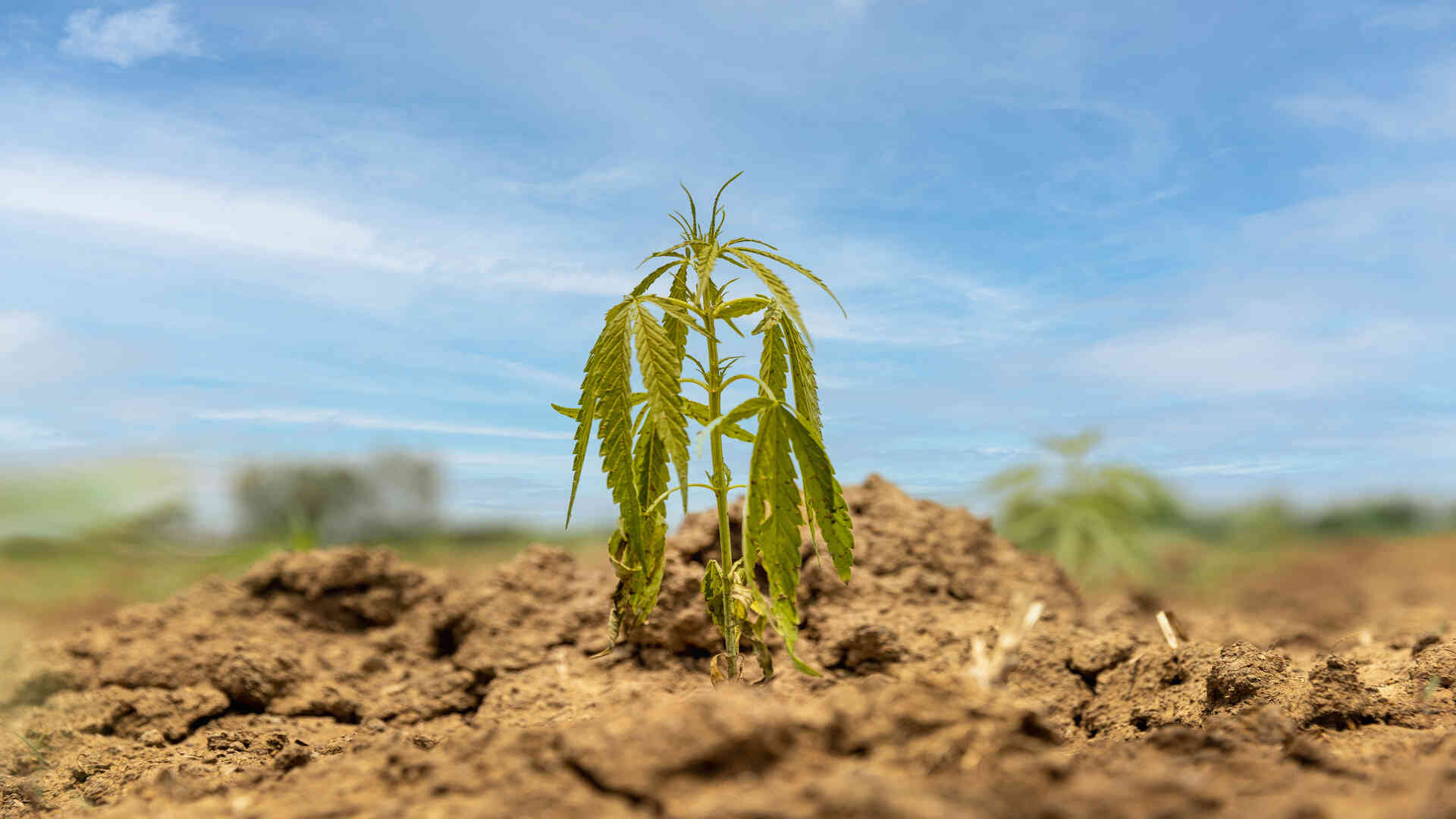
Few things grab a grower's attention faster than suddenly drooping leaves. One day the plants are looking healthy and full of life. The next, the leaves look limp, heavy, or tired. It's an unsettling sight, especially if everything seemed to be going well.
But before you throw your hands up in frustration and ask "why me?" there's good news, and that good news is that cannabis leaves drooping is usually a symptom rather than a problem in its own right. The plant is communicating that something in its environment, watering routine, root zone or overall care needs adjusting. The challenge comes from working out exactly what that "something" is.
Before reaching for extra nutrients or making multiple adjustments at once, take a breath, and take a moment. Step back from the plant and observe what it's telling you. In many cases, the cause is fairly straightforward to identify and correct. Understanding the most common reasons behind cannabis leaves drooping can help you act confidently, take the correct course of action, and get ailing plants back on track. Sometimes understanding the plant, not just the process, is essential.
What Does Cannabis Leaves Drooping Look Like?
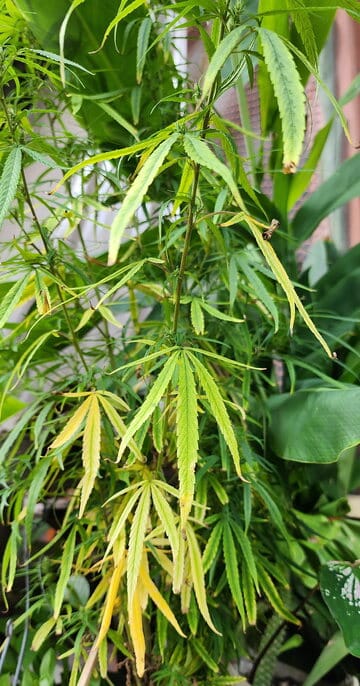
When diagnosing cannabis leaves drooping, it's important to distinguish drooping from other forms of leaf stress. A drooping leaf hangs downward from its stem, giving the plant a tired or wilted appearance. The entire leaf might sag toward the ground, even though its color is healthy.
This differs from:
Cannabis leaf clawing, where leaf tips curl downward into a hooked shape. This is often associated with nutrient excess.
Tacoing, where leaf edges curl upward, commonly linked to heat stress or light burn.
Natural leaf movement, which can occur during dark periods as part of the plant's daily biological rhythm.
The overall appearance of the plant usually provides valuable clues to help with diagnosis. Is the growing medium wet or dry? Are all leaves affected, or just the upper canopy? Has anything in the growing environment changed recently?
Answering these questions can help narrow down the cause.
Overwatering: The Most Common Cause of Cannabis Leaves Drooping
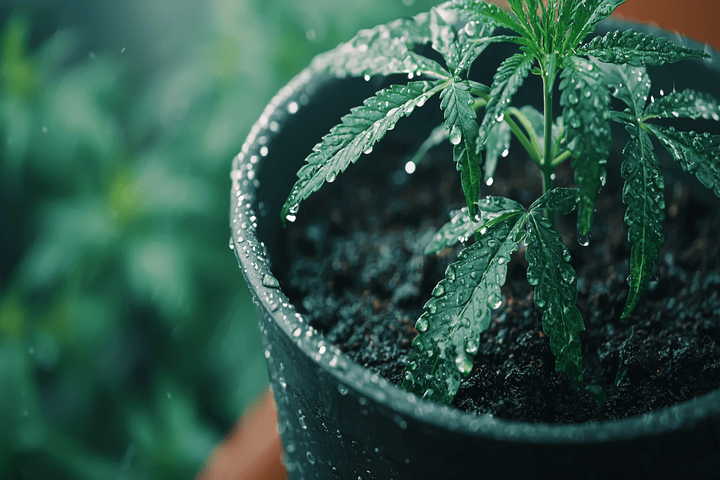
Many experienced growers make the mistake of assuming drooping leaves mean the plant needs more water. In reality, the opposite is usually true.
Overwatering remains one of the most common reasons for cannabis leaves drooping. Contrary to popular belief, overwatering isn't necessarily about how much water is given at one time. More often, it occurs when plants are watered too frequently, leaving roots constantly surrounded by moisture [1].
Healthy roots need oxygen as well as water. When growing media remain saturated for extended periods, oxgyen levels naturally decrease and root function suffers. As a result, leaves start to droop despite there being plenty of water available. This is why understanding the science of cannabis root health is so important for cultivators.
Signs of overwatering include:
- Consistently wet growing media
- Heavy, swollen-looking leaves
- Slow growth
- Lack of oxygen in the root zone
- Persistent drooping even after watering
If overwatering is suspected, allow the medium to dry properly before watering again. Improving drainage and watering frequency often resolves the issue.
Related Article: How To Fix Cannabis Overwatering
Underwatering and Loss of Turgor Pressure
Overwatering is common, but annoyingly, underwatering can produce similar symptoms. Plants rely on water pressure within their cells, known as turgor pressure, to maintain leaf structure. When water becomes limited, leaves lose rigidity and begin to droop [2].
Unlike overwatered plants, underwatered cannabis often appears limp rather than heavy. The growing medium will typically feel dry, and leaves may recover relatively quickly after irrigation.
Common signs of this include:
- Dry soil or growing media
- Lightweight containers
- Limp leaves and stems
- Rapid improvement after watering
Developing a consistent watering routine helps prevent plants from cycling between overly wet and overly dry conditions.
Root Zone Problems
Even when watering practices are correct, root issues can lead to cannabis leaves drooping. The root system is responsible for absorbing water, oxygen, and nutrients. When roots struggle, the entire plants feels the effects. Several root-related issues can contribute.
Poor Drainage
Growing media that retain excessive moisture can restrictive oxygen availability around roots.
Rootbound Plants
When roots completely fill a container, they can become tangled and compressed.. This limis their avility to access water and nutrients efficiently.
Compacted Growing Media
Over time, some growing media can become compressed. This leads to reduced airflow and affects root health.
Root Damage
Transplanting, pest activity, or disease can damage roots and temporarily reduce water uptake. Healthy roots support healthy foliage. If cannabis leaves drooping continues despite appropriate watering, examining the condition of the root zone may reveal the answer.
Heat Stress and High Temperatures
Temperature plays a major role in plant health. When temperatures become excessive, plants can lose water faster than roots can replace it. As transpiration increases, leaves may begin to droop in response [3].
Heat-related drooping is often accompanied by other symptoms, including:
- Leaves hanging during the hottest part of the day
- Dry growing media
- Slowed growth
- Leaf edge curling
- Reduced vigor
Indoor growers should pay particular attention to airflow, extraction, and canopy temperatures. Outdoor growers may notice tempoprary drooping during periods of extreme summer heat.
Maintaining stable environmental conditions helps to reduce stress and supports healthy growth.
Related Article:6 Tips To Understand The Cannabis Root Zone
Humidity and VPD Issues
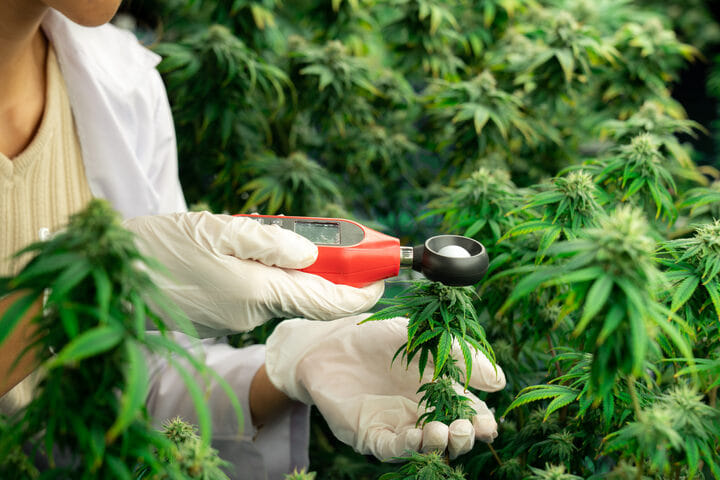
Humidity receives less attention than temperature, yet it plays an equally important role in how plants function. Setting the ideal temperature and humidity to grow cannabis is key - and this is where indoor growers can sezie full control.
Plants constantly exchage moisture with their environment. When humidity is too low, moisture loss can occur faster than roots can replace it. When humidity is too high, transpiration becomes less efficient. This balance is often described through Vapor Pressure Deficit (VPD), which refers to the difference between moisture levels inside the leaf and in the surrounding air [4].
It all sounds a bit technical, but you don't need to become an expert in VPD calculations to benefit from the concept. Simply understanding that temperature and humidity work together can help explain why cannabis leaves drooping sometime happens even when watering practices appear correct.
Growers experiencing persistent drooping should review both temperature and humidity rather than focusing on watering alone.
Light Stress and Excessive Intensity
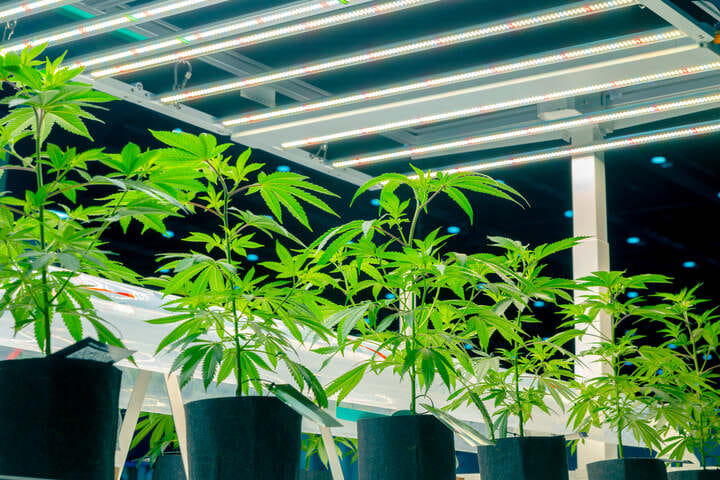
Cannabis needs llight to thrive and grow, but more light isn't always better. Modern LED fixtures can produce extremely high light intensities. When plants receive more light energy than they can comfortably process, stress responses can develop.
Symptoms can include:
- Drooping upper leaves
- Leaves pointing away from the light source
- Bleachig or fading near the canopy
- Reduced growth despite adequate feeding
If the cannabis leaves drooping appear primarily on the upper portions of the plant, consider the distance distance between the canopy and the light source. Gradual adjustments are preferable to dramatic changes.
Transplant Shock
Repotting plants allows roots to expand and continue developing, but the process can stress plants temporarily. After transplanting, cannabis plants sometimes experience drooping leaves while roots adapt to their new environment. This response is usually temporary and can last anwhere from a few hours to a few days.
To minimize transplant shock:
- Avoid excessive root disturbance
- Water appropriately after transplanting
- Maintain stable environmental conditions
- Avoid unnecessary feeding immediately after repotting
When dealing with cannabis leaves drooping, patience is key.
Related Article:A Guide To Transplanting Cannabis Plants Safely
Nutrient Issues and Leaf Drooping
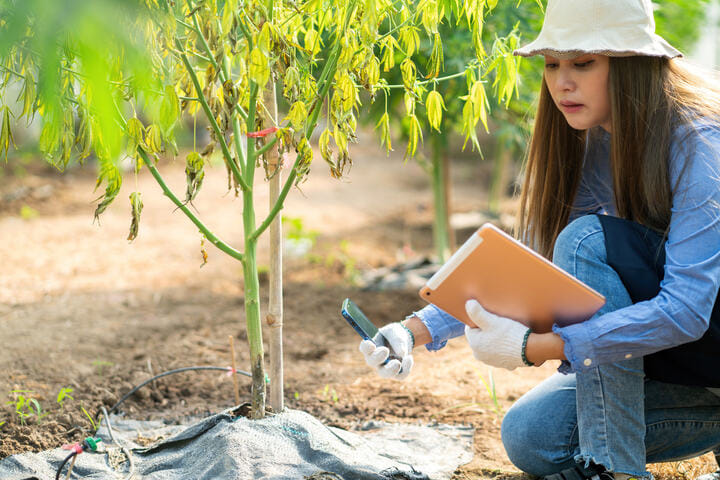
Nutrient problems rarely lead to cannabis leaves drooping as a primary symptom, but they can contribute to overall plant stress. Excessive nutrient concentrations can damage roots and interfere with water uptake. Severe deficiencies can also reduce plant vigor over time.
However, when cannabis leaves drooping is the mian concern, watering practices, environmental conditions, and root health are generally more likely explanations than nutrient deficiencies alone.
This is why accurate diagnosis is important. Treating a watering problem with additional nutrients can sometimes make the situation worse.
How to Diagnose Cannabis Leaves Drooping
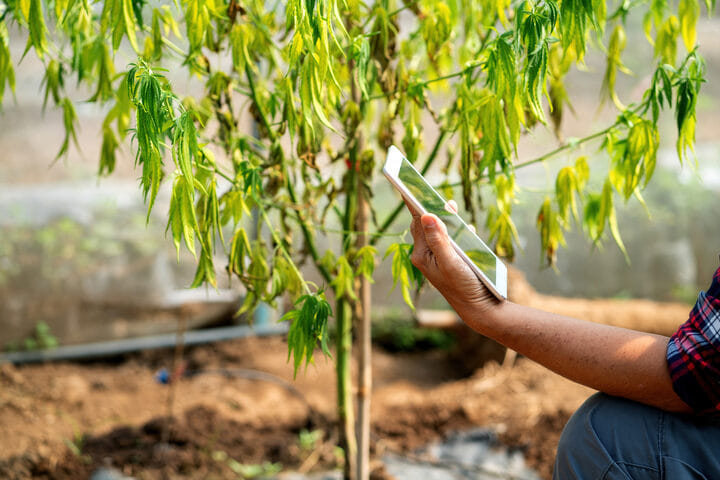
When growers notice leaves starting to droop, the sensible approach is to avoid rushing into corrective actions. Instead, work through a simple process of elimination.
Check the Growing Medium
Is it wet, moist, or dry?
This single observation often provides the most useful clue.
Review Recent Watering
Have plants been watered within the last day or two?
If so, overwatering may be a possibility
Assess Environmental Conditions
Check:
- Temperature
- Humdity
- Airflow
- Light Intensity
Consider Recent Changes
Have you:
- Repotted recently?
- Increased light intensity?
- Changed nutrients?
- Moved plants indoors?
New stress factors can often explain sudden changes in leaf posture
Examine Root Health
If problems persist, it's worthwhile closely inspecting plant roots. Healthy roots should appear firm and generally light in color. Dark, damaged, or foul-smelling roots may indicate deeper issues.
Taking a methodical approach usually leads to a more accurate diagnosis than making multiple adjustments simultaneously.
Can Drooping Cannabis Leaves Recover?
In many cases, yes. Cannabis is remarkably resilient when underlying problems are identified early. Once environmental conditions improve or watering practices are corrected, plants often regain normal leaf posture within days.
Recovery speed depends on factors such as:
- The severity of stress
- Plant age
- Overall health
- Duration of the problem
Young plants often recover quickly, while severe root damage may require more time. The most important step is addressing the underlying cause rather than treating the symptom itself.
How to Prevent Cannabis Leaves Drooping
Prevention is usually easier than correction. A few simple habits can significantly reduce the chances of your cannabis leaves drooping.
Water According To Plants Needs
Instead of watering based on a schedule, allow plants and growing media to guide watering decisions.
Encourage Healthy Root Development
Choose containers with good drainage and avoid prolonged saturation.
Monitor Environmental Conditions
Temperature, humidity, airflow, and light intensity all have direct influence on plant health.
Avoid Excessive Feeding
More nutrients don't necessarily produce better results. Follow sensible feeding practices and monitor plant responses.
Inspect Plants Regularly
Daiy observation helps growers spot small issues before they become major problems.
Make Changes Gradually
Large adjustments in the grow space can lead to additional stress. Small, measured changes are often more effective.
Cannabis Leaves Drooping: Listen to What The Plants Are Telling You
Seeing cannabis leaves drooping can be worrying, particularly for newer growers. But drooping leaves are also one of the clearest ways a plant communicates that something needs attention. Whether the cause is overwatering, root stress, environmental conditions, or recent transplanting, the solution usually begins with careful observation rather than immediate intervention.
Healthy cannabis cultivation is often less about reacting quickly and more about understanding the signals your plants provide. By slowing down, observing, assessing conditions methodically, and making informed adjustments, growers can usually restore healthy growth and prevent minor issues from becoming major setbacks.
Cannabis Leaves Drooping FAQs
Why are my cannabis leaves drooping after watering?
This is often associated with overwatering. When roots remain in overly wet growing media for extended periods, oxygen availability decreases and leaves may droop despite plenty of moisture being present.
Can drooping cannabis leaves recover?
Yes. In many cases, drooping leaves recover once the underlying cause is identified and corrected. Recovery time varies depending on the severity of stress and overall plant health.
Why are my cannabis leaves drooping before harvest?
Late-flowering plants naturally redirect energy toward flower development, and some leaf decline is normal. However, severe drooping can still indicate watering, root, or environmental issues.
Are drooping leaves a sign of nutrient deficiency?
Not usually. While nutrient problems can affect overall plant health, drooping is more commonly linked to watering practices, root health, temperature, humidity, or environmental stress.
How can I tell the difference between overwatering and underwatering?
Check the growing medium. Overwatered plants are often sitting in wet media and display heavy drooping leaves, while underwatered plants usually have dry media and limp leaves that recover quickly after watering.
------------------------------------------------------------
References:
[1] Drew, M.C. (1997). Oxygen Deficiency and Root Metabolism: Injury and Acclimation Under Hypoxia and Anoxia. Annual Review of Plant Physiology and Plant Molecular Biology, 48, 223–250. https://pubmed.ncbi.nlm.nih.gov/15012263/
Fukao, T., Barrera-Figueroa, B.E., Juntawong, P., & Peña-Castro, J.M. (2019). Submergence and Waterlogging Stress in Plants: A Review Highlighting Research Opportunities and Understudied Aspects. Frontiers in Plant Science. https://pubmed.ncbi.nlm.nih.gov/30967888
[3] Voesenek, L.A.C.J., & Bailey-Serres, J. (2020). Flooding and Low Oxygen Responses in Plants. Functional Plant Biology. (Discusses the physiological responses of plants to low oxygen conditions, including impaired water transport.) https://pubmed.ncbi.nlm.nih.gov/32480612/
[4] Sasidharan, R., Bailey-Serres, J., Ashikari, M., et al. (2021). The Many Facets of Hypoxia in Plants. Journal of Experimental Botany. https://pubmed.ncbi.nlm.nih.gov/32545707
[5] Taiz, L., Zeiger, E., Møller, I.M., & Murphy, A. Plant Physiology and Development (7th Edition). Oxford University Press.
[6] Bailey-Serres, J., & Colmer, T.D. (2014). Plant Tolerance of Flooding Stress: Current Understanding of Adaptive Mechanisms. New Phytologist. https://pubmed.ncbi.nlm.nih.gov/25580769
