

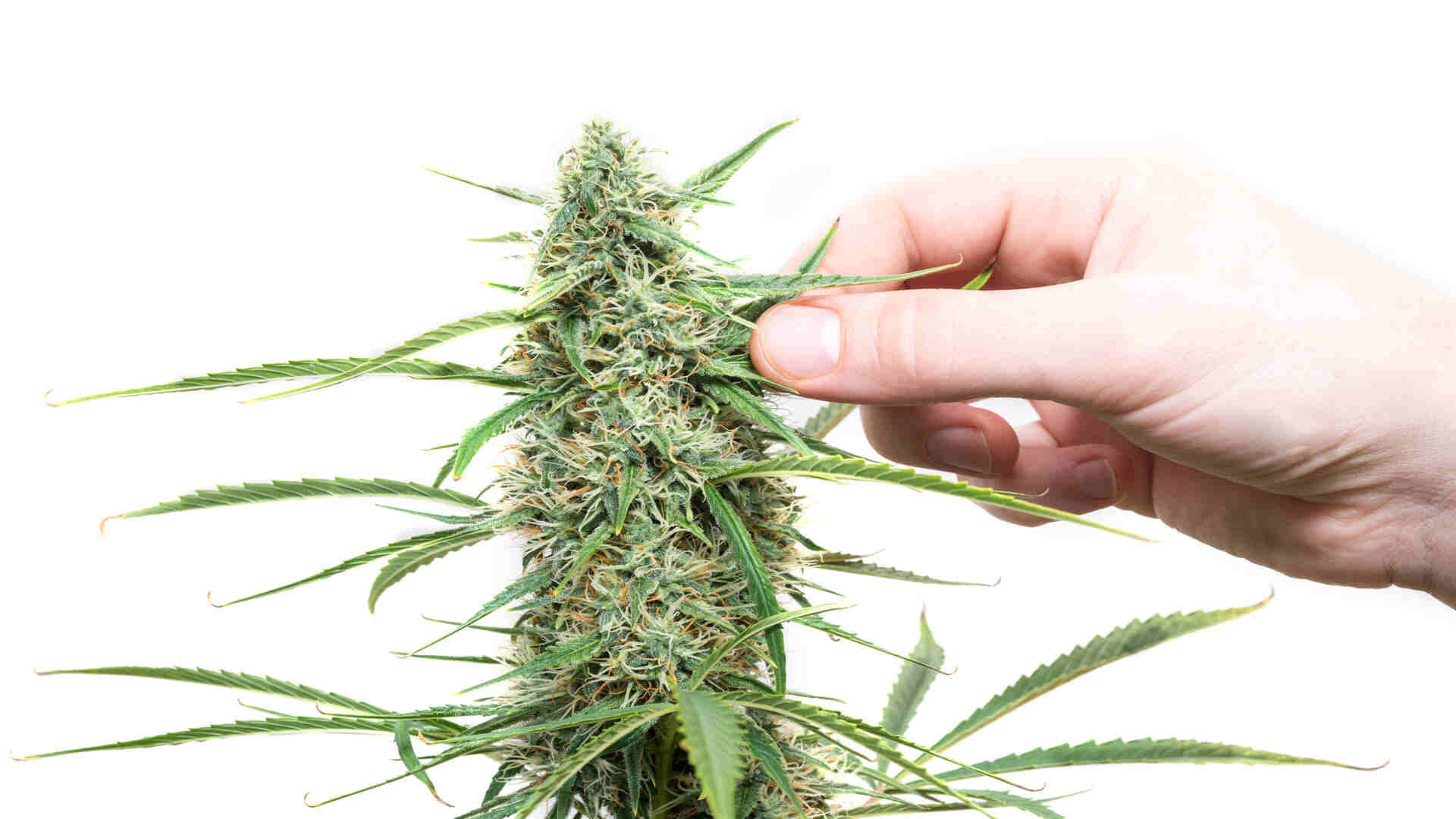
After a long and dedicated growing season, harvest time is fast approaching for outdoor cultivators in the northern hemisphere, and that means one of the most exciting (and nerve-wracking) moments of the year has arrived: deciding exactly when to harvest cannabis. You’ve spent months loyally feeding, watering, training, and watching your plants grow, and now your success comes down to one thing: timing. Get it wrong, and you risk cutting down to soon – losing out on much-valued qualities such as potency and flavor – or waiting too long, watching THC fade and terpenes drift away. You want to get this right and capture your plants at their absolute peak. locking in everything you’ve worked for. Knowing when to harvest cannabis is vital, so get comfortable and let Seedsman walk you through the science, the subtle signals, and even a few secrets that best inform when to harvest cannabis.
When To Harvest Cannabis: The ScienceBehind Cannabis Maturation
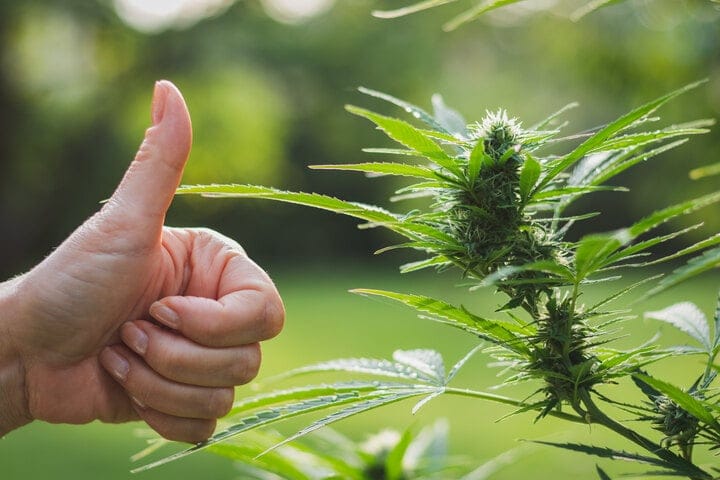
Cannabis plants produce cannabinoids (such as THC, CBD, and CBG) and terpenes (the aromatc compounds that contribute to the incredible unique scent and flavor of your weed) that mature at different rates. These compounds accumulate in the trichomes – those tiny resin glands that appear like frosty hairs on the flowers. Ever admire the glittery appearance of your cannabis flowers? That’s the trichomes. But they’re not just decorative. As flowering draws to a close, they’re the clearest indicator of when to harvest cannabis.
According to a study in Frontiers In Plant Science (2019), trichomes undergo a visible progression: starting clear (immature), turning milky white (peak cannabinoid production), and eventually amber (cannabinoids degrading into cannabinoids such as CBN). This natural chemical shift provides growers with a visual indicator of plant maturity. Think of it as your plant’s internal clock, telling you when it’s ready to shine.
When To Harvest Cannabinoids: Environmental Considerations
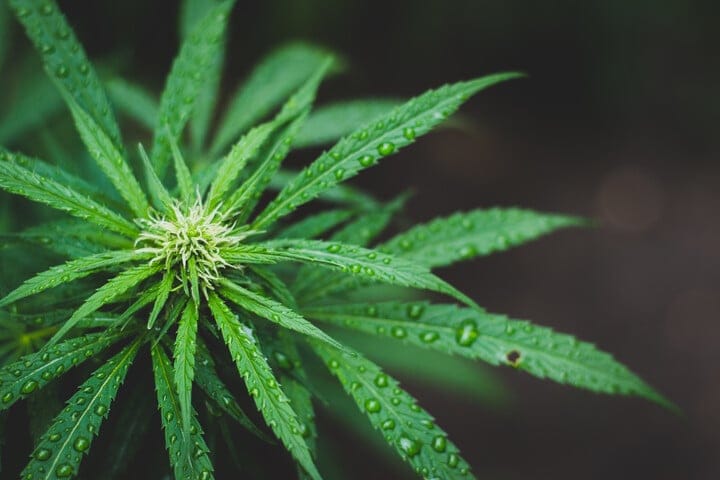
Before you determine exactly when to harvest cannabis, you must evaluate environmental factors:
Climate: Outdoor harvests depend heavily on seasonal changes. Shorter daylight hours and dropping nighttime temperatures in autumn signal the plant to complete flowering. However, early frosts or heavy rains can force an earlier harvest. Nobody wants to see weeks and weeks of work lost to a sudden cold snap. Keep an eye on forecasts and plan when to harvest cannabis around any notable changes forecast in weather.
Humidity: Prolonged wet conditions increase the risk of bud rot (Botrytis cinerea). Even if trichomes aren’t at peak maturity, an approaching wet spell may push you to harvest early to preserve your crop.
Altitude and Latitude: Higher altitudes and northern regions often shorten flowering windows due to harsher weather. In contrast, Mediterranean climates allow plants to finish fully with fewer environmental threats.
When To Harvest Cannabis: Signs of Readiness
The beauty of being a cannabis cultivator is the plant's willingness to communicate with you - it will give you signs whether it's hungry, thirsty, stressed - or ready to harvest. Here are the key tells your plant will give you to let you know when it's time to harvest cannabis:
Trichome Coloration
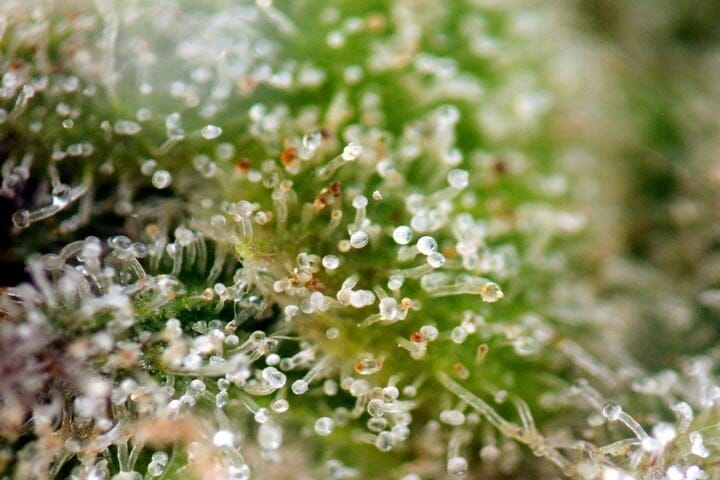
The gold standard for assessing when to harvest cannabis is examining trichomes under magnification (30x-100x).
Clear trichomes: Your cannabis is still immature. Harvesting now results in lower-potency weed and less complexity in the taste. Those ultra-fruity flavors you’ve been looking forward to tasting will be decidedly more muted.
Cloudy Trichomes: Peak cannabinoid content. THC levels are at their highest, terpenes are fully developed. Your buds are primed and this is when to harvest cannabis for an optimal experience. A few amber trichomes at this stage is nothing to worry about, so long as amber is not the dominant color of your trichomes.
Amber trichomes: THC begins to degrade into CBN, producing a more sedative effect and turning most strains into couch-lock varieties regardless of their makeup. Your cannabis is past peak at this point – still smokeable, definitely potent, but not at its most aromatic, flavorful, and if you’re looking for uplifting effects, those will be somewhat diminished.
PistilDevelopment
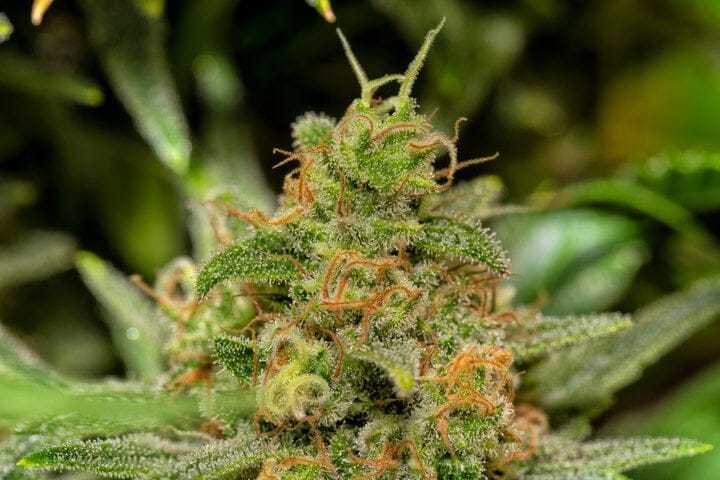
Thepistils(hairs) on cannabis flowers change from white to orange, red, or brown as they age. Going by pistil color is not as precise as trichome inspection, but it offers a quick visual cue.
50-70% brown pistils: Flowers are nearing optimal maturity.
Over 80% brown pistils: Harvest window is closing.
Leaf Signals
As harvest approaches, fan leaves often yellow and curl as the plant redirects energy toward flower maturation. While this isn’t an absolute sign on its own, it complements trichome and pistil observations. If your once-lush green canopy starts to take on autumnal colors, you’re getting close.
Aroma and Terpene Profile
Mature cannabis plants reach peak aromatic intensity just before harvest. Terpenes are volatile and degrade with time, so the moment of stongest cannabis fragrance is also the best moment to lock in flavor. If the scent stops you in tracks when you walk by, that’syou plant speaking loud and clear – and they’re telling you it’s time for the chop.
Signs Your Cannabis Is Not Ready
We’ve looked at the most common means of determing when to harvest cannabis, but recognizing when not to harvest is just as critical. It’spretty straightforward, flip the tells around:
Predominantly clear trichomes:Indicates immature cannabinoids, and cannabis effects will be weak and fleeting.
Pistils still mostly white and straight: Buds are still swelling, meaning valuable biomass is yet to be gained. In other words, let ‘em fatten up some more.
Underdeveloped aroma: If the smell from your plants is not yet what you’d describe as 'pungent', the terpenes haven’t fully matured. Ripe cannabis is dank.
When To Harvest Cannabis: Insider Tips
The Role of UV Light
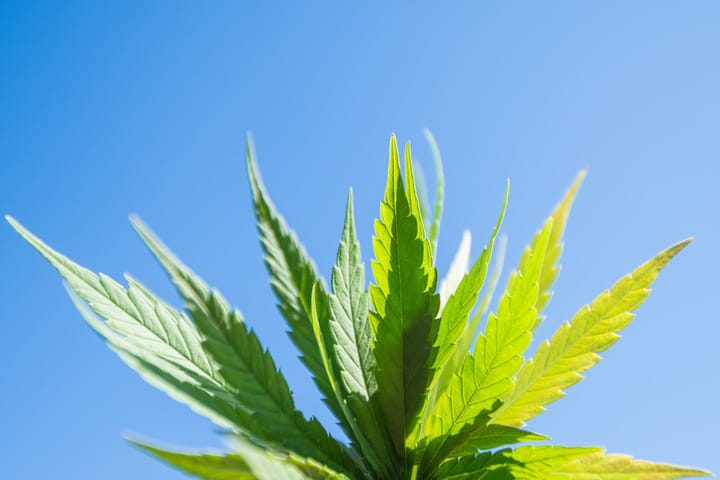
Studies (such as Lydon et al., Journal of the Experimental Botany) indicate that UV-B exposure influences cannabinoid production. In high-UV environments, plants may reach chemical maturity sooner and could affect when to harvest cannabis. This suggests that growers at altitude may find their harvest window arriving earlier than expected.
Moon Phases and Plant Fluids
Some traditional cultivators time their harvests with lunar cycles. Anecdotal evidence suggests harvesting during a waning moon reduces internal plant moisture, improving drying efficiency and reducing mold risk. Whether you believe in lunar gardening or not, it’s an interesting layer of timing that many old-school growers still swear by.
Further Reading:How to Grow Cannabis Using The Moon Cycle
Genetic Variation
Not all cultivars mature on the same schedule. Indica-dominant strains often mature earlier, while long-flowering sativas may need weeks more. Hybrid strains can behave unpredictably, so relying solely on a calendar date can be misleading. It may well be week 10 of flowering, but a close inspection will tell you far more about when it’s time to harvest cannabis. Always trust your eyes and information from the plant over the seed pack description – these times are often approximate and there’s always a degree of “give or take” depending on circumstances.
Cannabinoid Targeting
Advanced growers sometimes stagger their harvest to tailor effects.
Early harvest: Higher THC, more energetic high
Mid harvest: Balanced effects, rich terpene expression
Late harvest: Increased CBN, more sedative profile
This approach allows a single plant to provide multiple effect profiles. It’s like harvesting a mini menu of experiences from the same garden.Additionally, some growers employ a two-step harvest, where they trim buds from the top of the plant while allowing lower buds more time to attain ripeness.
When To Harvest Cannabis – Why Timing Matters
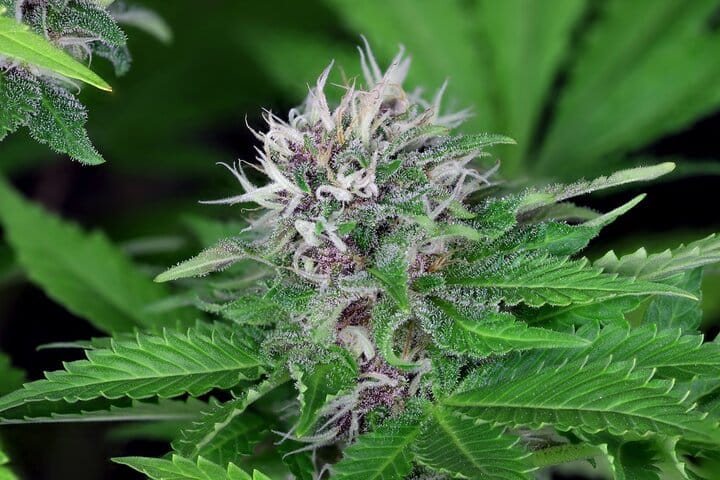
Harvesting at the right time is about more than potency. Each stage of readiness brings a shift in chemical composition:
Early harvests preserve THC but risk grassy flavors due to underdeveloped terpenes.
Peak harvests capture the plant’s full expression, maximum cannbinoids, and complete terpene bouquet. In other words, primo weed.
Late harvests shift the chemical profile towards heavily sedative effects – although this could be potentially valuable for therapuetic users seeking insomnia relief.
It’s worthwhile, then, to align your harvest timing with intended use. By doing this, cultivators can control not only yield but also the therapeutic and recreational qualities of the crop. Think of it as steering the destiny of your grow – you're harvesting an experience as well as a plant.
When To Harvest Cannabis: Tools To Help You Decide
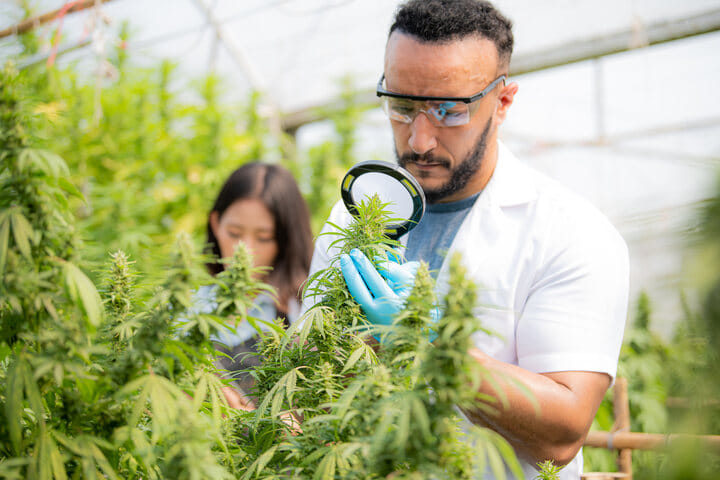
Like all artistry, there are special tools to assist you in determining when to harvest cannabis.
A magnifying lens or digital microscope are essential for trichome inspection. A jeweler’s loupe is especially good as it’s portable, inexpensive, and ideal for carrying out close inspections.
Keep a data log and use it to track weather, humidity, and UV exposure. These numbers can reveal trends that affect maturity.
Lab Testing (for advanced growers or larger operations) by sending a small sample for cannabinoid profiling can pinpoint optimal harvest timing.
When To Harvest Cannabis: Conclusion
So, when it comes down to it, knowing when to harvest cannabis is both a science and a conversation with your plants. Trichome maturity, pistil coloration, aroma, and environmental conditions all play a part in determining the optimal moment to chop. Remember – seed packets are approximate guidelines and there’s no universal date to circle on the calendar. There’s only your plant, its signals, and your ability to read them.
That’s part of the beauty of cultivating cannabis: it teaches patioence, observation, and intuition. When you finally choose the right day to cut, you’re not just harvetsing flowers – you're harvesting months of dedication, the very essence of your chosen cannabis strain, and the story of your season. And when those jars cure and you open them weeks later, you’ll be reminded exactly why you waited for just the right moment.


