

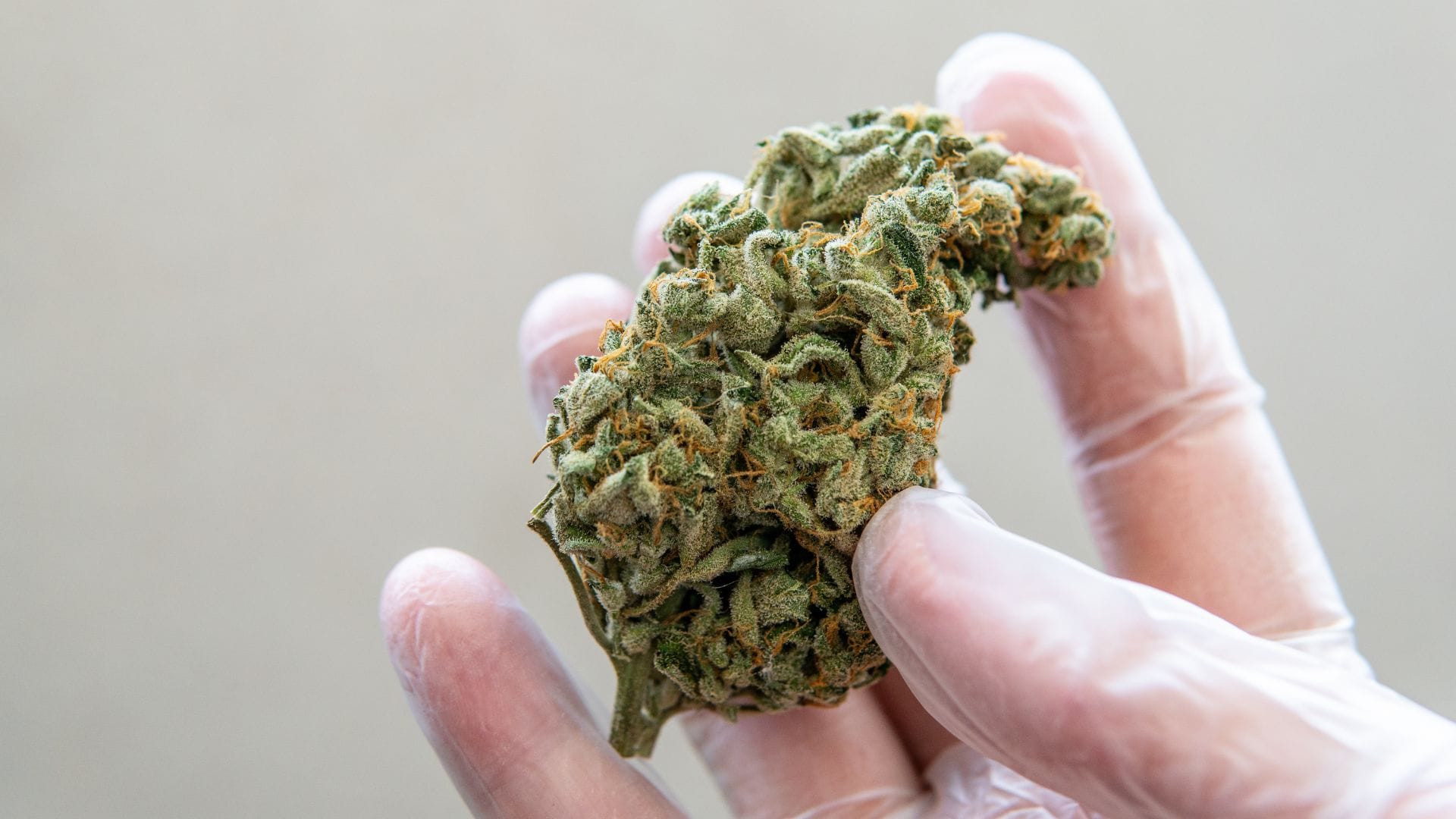
If you’re a cannabis user of any stripe, you’ve no doubt wondered why different cannabis strains produce such varying effects. It’s common for any relative newcomers to attribute most of their experience to the awesome power of delta-9 tetrahydrocannabinol, but in truth, the answer lies beyond the total THC content. Cannabis comprises many active compounds that interact to create distinct effects, depending on their ratios. This complex interplay is encapsulated in the acronym term "Total Active Cannabinoids" or TAC. In this article, Seedsman shines the big torch on the significance of TAC for both medical and recreational cannabis users.
TAC And The Complex World Beyond THC
While THC levels are often the most talked-about component in the cannabis plant, it's just the tip of the iceberg. The actual impact of cannabis, whether you smoke cannabis flower, vape flower or oils, or ingest through edibles, results from a pretty complex synergy among several compounds. Despite their critical role, many of these compounds remain shrouded in some degree of mystery. THC and CBD have enjoyed plenty of time under the spotlight, but they’re far from alone in terms of what’s doing the good work under the hood of any given strain.
What Is TAC?: A Beacon For Cannabis Enthusiasts
For legal purchasers of cannabis – if sourcing it from exceptionally reliable sources such as legitimate medical cannabis dispensaries – the TAC number should be indicated on the cannabis product label, alongside more common details such as whether you’re looking at an indica or sativa strain, the amount of THC, the CBD content and so on. This information is crucial in the cannabis industry, especially for medical users, as certain cannabinoid compositions and ratios are better suited for alleviating specific symptoms. Having some understanding of TAC can significantly enhance your cannabis experience, whether your use is recreational or medical.

A higher TAC level typically indicates a higher product potency, which is undoubtedly valuable information for the user regardless of their end goal. TAC is also a marker of product quality. Products with a detailed breakdown of their cannabinoid content are often perceived as being of higher quality and transparency. This information allows users to make more informed decisions and understand the value of what they are purchasing.
Understanding TAC in Cannabis
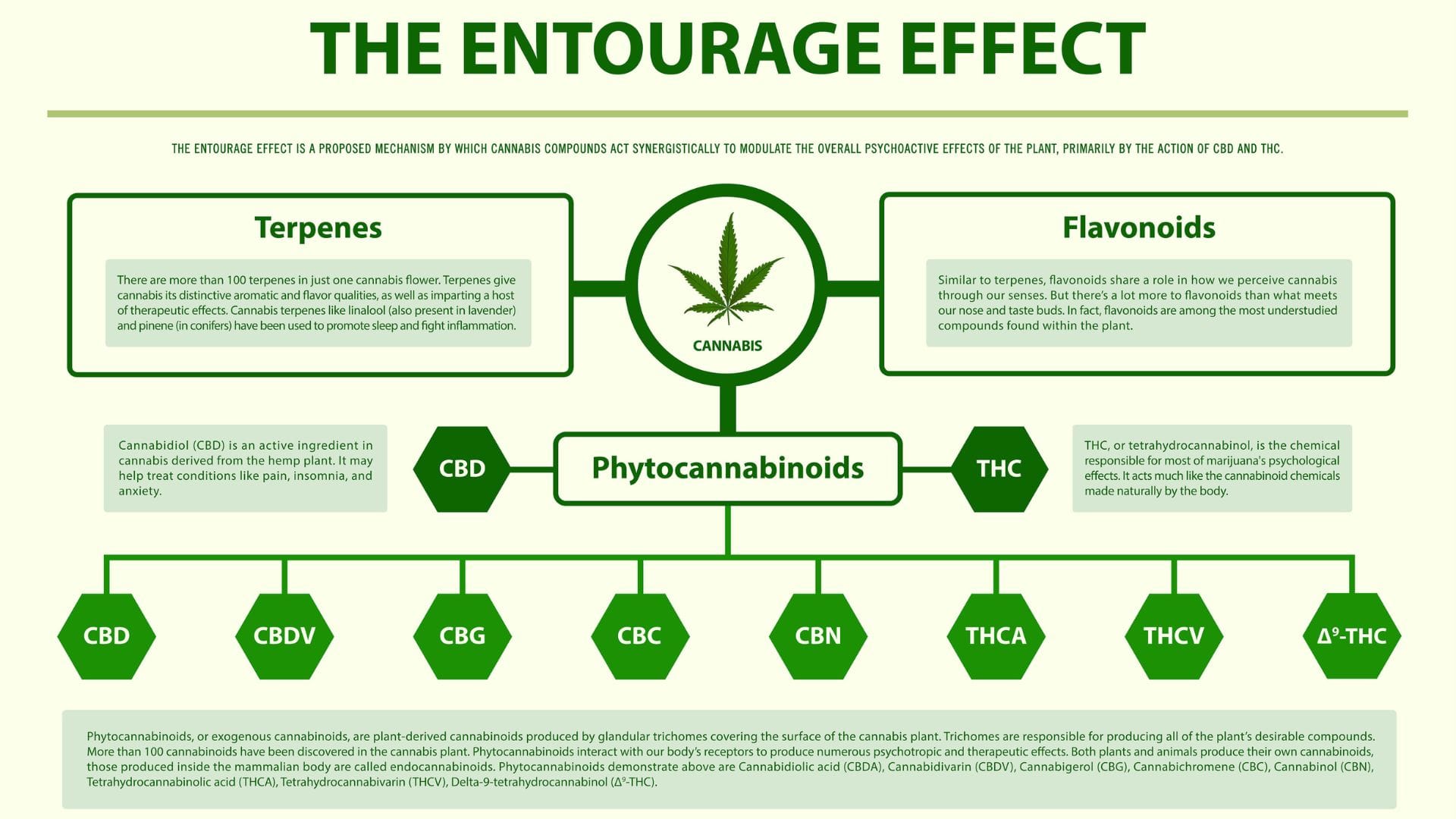
TAC ultimately refers to the total active cannabinoids present in a product. It represents the detectable cannabinoids that influence the overall effects, including, but not limited to, the 'high'. This phenomenon, known as the 'entourage effect', suggests a cooperative interaction between cannabinoids. TAC is not about pitting THC against other cannabinoids but understanding how they collectively enhance the experience.
What is Meant by ‘Active’ Cannabinoids?
'Active' cannabinoids differs somewhat from total cannabinoids. When we talk about active cannabinoids, this refers to cannabinoids that become active after decarboxylation. This method involves applying heat (for example, lighting a joint, heating flower for vaping, or heating flower in an oven before making edibles.

When cannabis undergoes decarboxylation, the acidic element of THCa is removed, making it easier for the body to process cannabinoids and experience their desired effects.
The Entourage Effect: A Puzzle Yet to be Solved
The entourage effect remains an only partially understood concept. Research hints at its existence, but the intricacies are still unravelling. Ethan B Russo’s insightful paper from 2019 paints a better understanding of the entourage effect. It's believed that the various cannabinoids and other compounds in cannabis strains such as flavonoids and phytocannabinoids synergize to determine the final effects experienced by the user. For instance, in one of the more well-recited examples, CBD is thought to mitigate some of THC's psychotropic effects, suggesting that a balanced CBD to THC ratio could reduce adverse reactions to cannabis products like paranoia.
But an important note: while TAC offers many benefits, there are challenges in its implementation. The accuracy of TAC measurements can vary depending on the testing methods and standards used. Additionally, there is a need for more education around TAC to ensure consumers understand what these numbers mean.
The Dual Meaning of TAC in Cannabis
To make matters slightly confusing, in the context of cannabis, TAC can also refer to the "total aerobic count," a term used in agriculture to denote the total microbial content of a product. While this measure can reveal the microbial count, it doesn't differentiate between harmful and beneficial microbes. For cannabis consumers, however, the focus is usually on the total active cannabinoids, which provides a comprehensive view of the product's cannabinoid profile.
The Broader Spectrum: Cannabinoids and Beyond
Cannabis houses over 113 known cannabinoids, with THC and CBD being the most prominent. But the story doesn't end there. Other cannabinoids like CBDV, CBGA, THCA, CBN, CBDA and CBC, along with terpenes, flavonoids, and fatty acids, play a significant role in the entourage effect, and some strains of cannabis will exhibit more of these cannabinoids than others. These compounds collectively influence the overall cannabis experience, fine-tuning it in ways that are still being explored. Everything from the munchies to anxiolytic effects can be influenced in some way by these cannabinoids and their percentage presence in a product.
Final Thoughts: The Importance of TAC for Cannabis Users
For those keen on understanding the full potential of their cannabis products, paying attention to the TAC can be enlightening. It's not just about finding the right high but tailoring the experience to suit one's preferences and needs. While TAC won't reveal every compound in cannabis, it provides a valuable snapshot of its primary constituents, potentially guiding users towards a more informed and enjoyable experience.
