
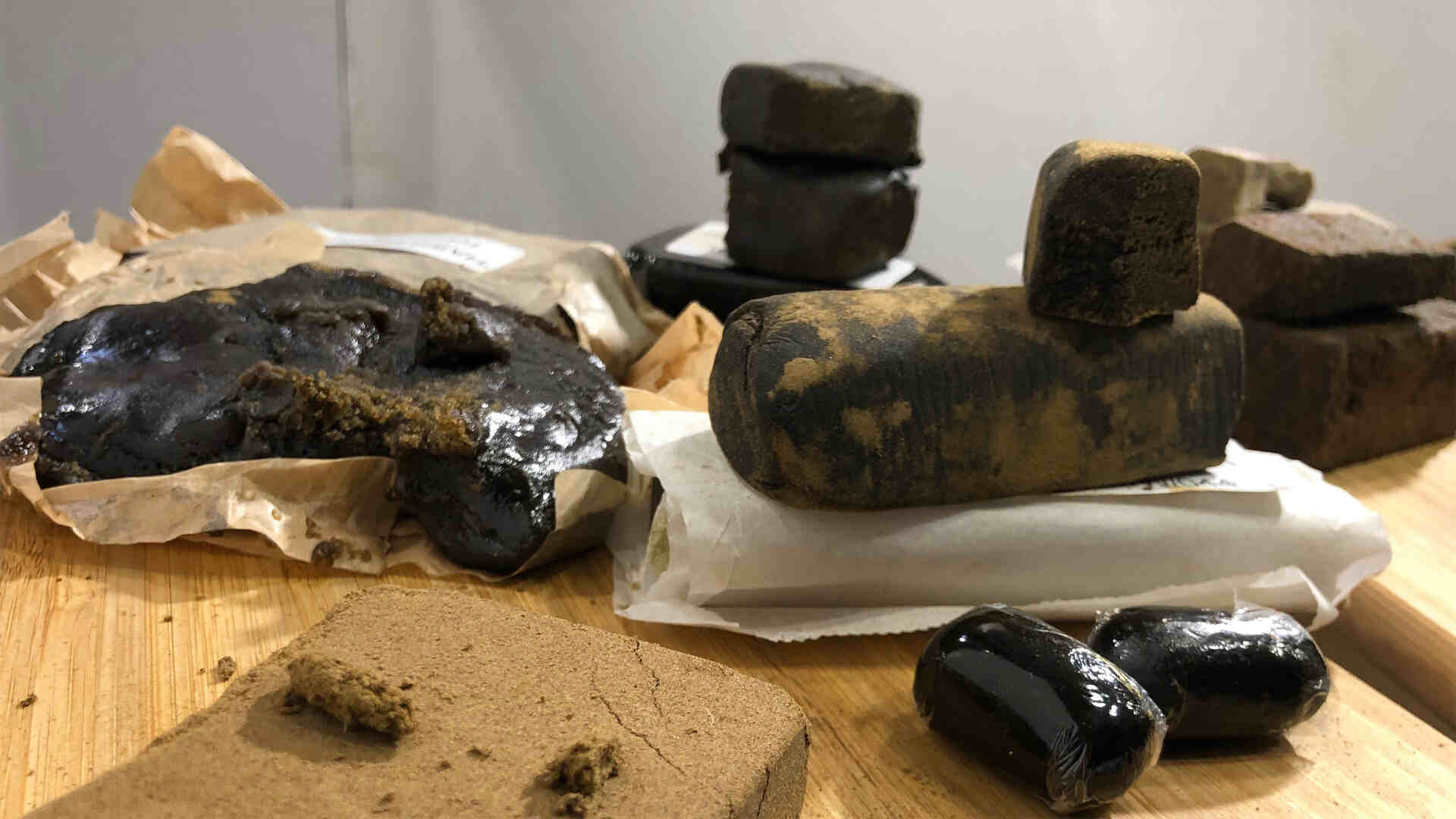

Hashish, commonly referred to as “hash,” has been a cornerstone of cannabis culture for centuries. It’s a concentrated form of cannabis made by collecting and compressing the plant’s resin glands (trichomes), which contain the majority of its active compounds—primarily THC. Hash is derived from both Cannabis sativa and Cannabis indica plants, each contributing unique characteristics to the final product. With its rich, earthy flavor and potent effects, hash has become a prized commodity for cannabis enthusiasts across the globe. But what is hash, and where did hash originate? How is it made, and how should you consume it?
What Is Hash?
Hash is a concentrated cannabis product made from the resinous glands of the cannabis plant. This potent substance has a long history, dating back to ancient civilizations in the Middle East and Asia. Think of hash as a more potent and concentrated form of cannabis, boasting a higher THC content than traditional marijuana. While it is often consumed for recreational purposes, hash also holds potential medical benefits, making it a versatile and sought-after cannabis product.

The Origins of Hash: From Ancient Cannabis Plant Roots to Global Fame
Before answering the question, ‘what is hash?’ let’s hop in the Seedsman time machine and take a tour of the origins of this hallowed substance.
The history of hash is as rich and textured as the product itself. While the exact origin of hash is debated, it’s widely accepted that hashish, commonly called hashishin in historical texts, has roots in the Middle East and Central Asia. The earliest records of hashish come from India, where it was referred to as charas—a traditional method of hand-rolling resin off cannabis plants. However, it was the Arabs, particularly during the Islamic Golden Age (8th to 13th centuries), who helped spread the art of hash-making across the Middle East and North Africa.
Historians believe that cannabis itself has been cultivated for millennia, dating back to ancient civilizations like Mesopotamia and China. But it wasn’t until these cultures discovered the psychoactive properties of the plant’s resin that hashish emerged as a staple. Hashish became especially popular in Persia, Egypt, and the Arabian Peninsula. In places like Egypt, hashish even had a religious and medicinal significance. It was used by Sufi mystics for spiritual purposes, aiding in meditation and introspection.
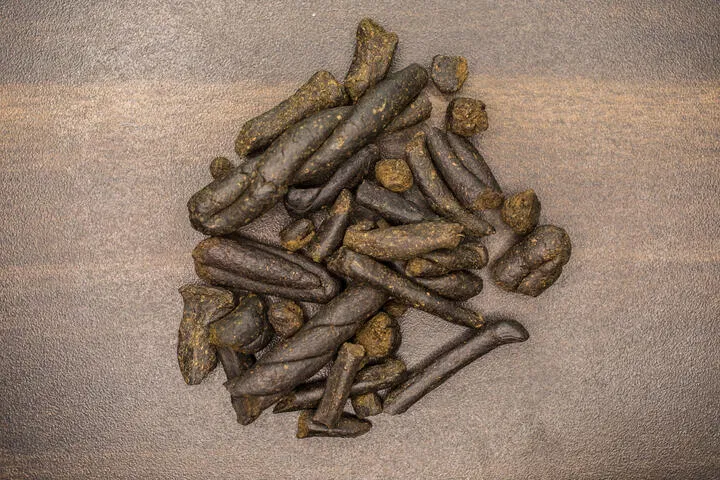
By the 18th century, hashish use had spread across the world, especially after Napoleon’s Egyptian campaign (1798-1801). French soldiers and scholars, fascinated by the local use of hashish, brought it back to Europe, where it garnered attention from poets, artists, and intellectuals. In the 19th century, famous authors like Victor Hugo, Charles Baudelaire, and Alexandre Dumas frequented “hashish clubs” in Paris, where they partook in this exotic substance and wrote about its mind-altering effects.
What Is Hash? A Global Phenomenon
Over time, hashish production spread to regions like Morocco and Afghanistan, both of which remain central players in the hash market today. In fact, Afghan black and Moroccan kif became two of the most recognizable types of hash worldwide.
By the 1960s and 70s, the rise of the global counterculture—combined with increased interest in Eastern philosophies and substances—ushered in a golden age for hashish in the West. Hippies and travelers along the “Hippie Trail” brought back hash from Afghanistan, Nepal, and India, sparking a surge in demand across Europe and North America.
Today, hashish remains a popular choice among cannabis connoisseurs, prized for its rich cannabinoid content and artisanal craftsmanship. The growing acceptance and legalization of marijuana use have further boosted the popularity of hash, as more people explore its benefits.
How is Hash Made? Traditional and Modern Methods
We've answered the question "What is hash?" but the next pressing question is "How is hash made?" There are several ways to make hash, ranging from ancient techniques that have been passed down through generations to more modern, tech-savvy approaches. All methods, however, revolve around the extraction of trichomes—the tiny, crystal-like glands on the cannabis plant that contain cannabinoids like THC, CBD, and aromatic terpenes. These processes tend to require time, effort, and some commitment, but the end product is of such high quality that the juice is definitely worth the squeeze.
Hand-Rolled (Charas)
This is one of the oldest forms of hash, still practiced in India, Nepal, and some other parts of the world. Charas is made by rubbing fresh cannabis buds between your palms. The warmth and friction cause the resin to stick to your hands, and after a while, the collected resin is scraped off and rolled into a sticky, dark brown or black ball. This labor-intensive process produces a product with a distinct flavor and high potency.
Dry Sifting
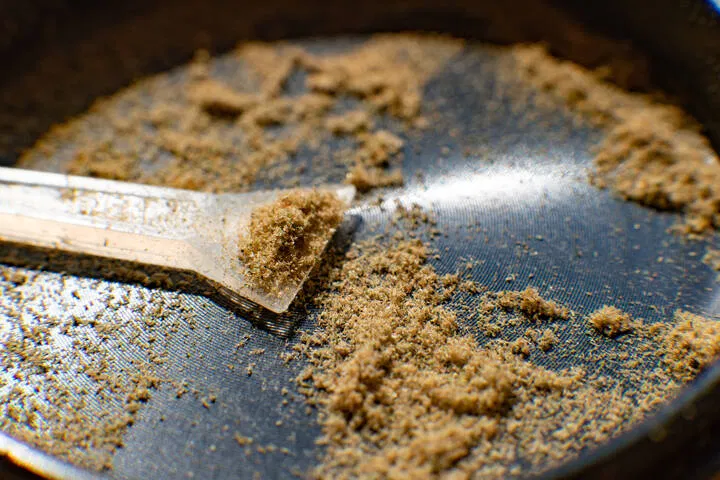
Dry sifting is one of the most common and simplest methods of making hash. The dried cannabis is placed on a fine mesh screen and shaken, allowing the trichomes to fall off and accumulate as a fine powder known as kief. This kief is then collected and compressed to create hash. The finer the screen, the purer the hash. Traditional dry sift hash often has a golden-brown appearance and can vary in texture from soft and pliable to crumbly. Again, this a fairly labour-intensive process.
Bubble Hash (Ice Water Extraction)
Bubble hash, also known as ice water hash, is a more modern method that uses cold water and agitation to extract trichomes. Cannabis is mixed with ice water and then strained through fine mesh bags. The cold temperature causes the trichomes to become brittle and break off the plant material. These trichomes are collected in the bottom of the mesh bags, dried, and compressed. The quality of bubble hash is often graded based on its ability to melt or bubble when exposed to heat—full melt hash being the highest grade.

CO2 Extraction and Solvent-Based Methods for Hash Oil
In more industrial settings, CO2 or solvents like butane can be used to extract the trichomes from the plant. Hash oil, a potent derivative of hashish produced using solvent-based methods, is one such concentrate. These methods are often used to produce cannabis concentrates like shatter or wax, but can also yield hash. However, many traditionalists prefer solventless methods, arguing that they preserve the plant’s natural flavors and cannabinoids better.
Effects of Hash
Hash can produce a range of effects, from altered perception to deep relaxation and euphoria. The experience can vary depending on the individual and the method of consumption, but some common effects are widely recognized.
Physical Effects
The physical effects of hash can vary depending on the individual and the method of consumption. Common physical effects include:
Red Eyes: One of the most noticeable physical effects, often caused by the dilation of blood vessels.
Dry Mouth: Also known as “cottonmouth,” this is a common side effect of THC consumption.
Increased Heart Rate: Hash can cause a temporary increase in heart rate, which may be more pronounced in some individuals.
Dizziness: Especially common in new users or those who consume large amounts.
Nausea: While not as common, some users may experience nausea, particularly if they consume too much.
Headaches: In some cases, hash can cause headaches, especially if consumed in large quantities or if the user is dehydrated. Headaches are often also a side-effect of low-quality hash.
How to Smoke Hash: The Best Methods for Consumption
While smoking hash may seem straightforward, there are numerous methods of hashish consumption, each offering a unique experience. . Whether you’re a seasoned hash enthusiast or trying it for the first time, here are some of the most popular methods for how to smoke hash. The medical community has also shown interest in hashish for its potential therapeutic effects, endorsing its regulated use under medical supervision.
How to Smoke Hash Using a Pipe
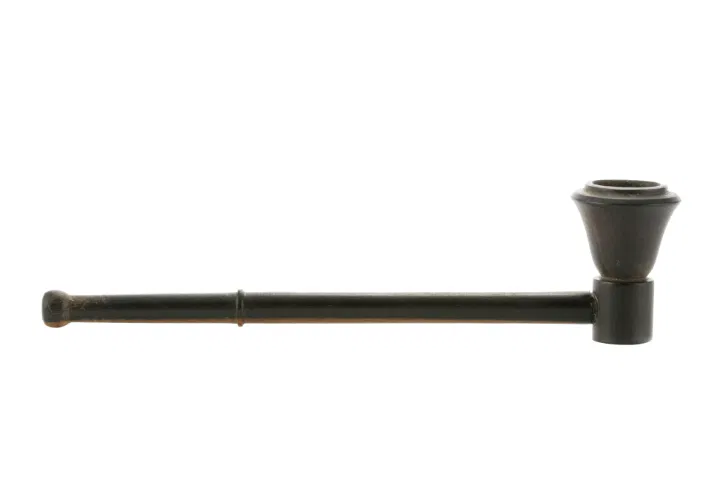
One of the easiest ways to smoke hash is with a standard pipe. Simply crumble or break off a small piece of hash, place it on top of a small bed of cannabis or tobacco (to prevent it from melting through the pipe), and light it. This method of smoking hash has a long history, and allows for direct and controlled hits, making it a popular choice for solo smokers.
How to Smoke Hash Using a Bong
Using a bong is similar to smoking hash in a pipe, but with the added benefit of water filtration, which cools the smoke and can make the experience smoother. Some people place hash on top of a flower bed, while others use a small screen to prevent the hash from falling through. The water in the bong helps reduce harshness and makes for bigger, cleaner hits.

How to Smoke Hash in a Joint
Smoking hash in a joint is a classic method. However, pure hash won’t burn well on its own, so it's often mixed with a little cannabis flower (or a lot, if you're a seasoned vet!) or tobacco. Roll a joint like you normally would, sprinkle some hash inside, and enjoy the great flavour and enhanced potency.

How to Smoke Hash Using Hot Knives
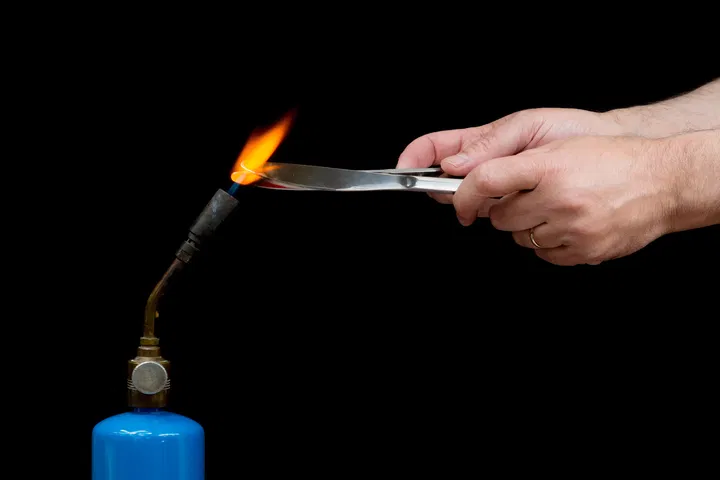
For those feeling adventurous - or if you're in a pinch and need to improvise - there’s the old-school method of hot knives. Heat two metal knives over a stove or torch, then press a small piece of hash between them. As it begins to vaporize, use a tube or bottle to inhale the smoke. While effective, this method can be a bit intense for beginners, and carries a bit of danger.
How To Consume Hash Without Smoking
Hash can also be consumed without smoking by infusing it into edibles, with hash brownies being one of the most popular and beginner-friendly options. To make hash brownies, start by decarboxylating the hash - gently heat it in an oven at around 115°C for 30-40 minutes to activate the THC. Next, mix the decarboxylated hash into melted butter or oil, this creates cannabutter that can be used in any hash brownie recipe.
Hash brownies are loved for their simplicity, delicious taste, and long lasting effects. Since edibles take longer to kick in (usually 30 minutes to 2 hours), start with a small portion and wait before eating more.
Aside from hash brownies, hash can also be infused into other baked goods or fat-rich foods like chocolates, cakes, and sauces.
How to Identify High-Quality Hash
Not all hash is created equal, and discerning high-quality hash from lower-grade varieties can make a big difference in your smoking experience. Here are a few factors to look for when evaluating hash:
Colour: High-quality hash is often golden, brown, or black. Lighter-colored hash (especially bubble hash) is typically a sign of purity, while darker hash can still be excellent, especially if it’s made from hand-rubbed charas.
Texture: Good hash should be pliable and slightly sticky to the touch. If it’s too crumbly, it might be overly dry, while excessively sticky hash could indicate poor processing or added oils.
Aroma: High-quality hash should have a strong, pleasant smell, reflecting the terpenes of the cannabis strain it was made from. If it smells musty, burnt, or chemical, steer clear.
Bubble Test: A classic test for hash quality is the bubble test. When exposed to heat (like a flame), high-quality hash will bubble or melt without catching fire. This indicates a high concentration of cannabinoids and minimal plant matter.
Hash vs. Flower – Why Would You Choose Hash for Recreational Purposes?
When it comes to consuming cannabis, one of the key decisions any enthusiast faces is whether to opt for traditional cannabis flower or a concentrated form like hash. While flower is the most commonly consumed form of cannabis, hash has its own unique set of advantages that make it a compelling alternative. Here’s why you might choose hash over flower, and why some consider it a more efficient and discreet option.

Increased Potency
One of the primary reasons people choose hash over flower is potency. Hash is made by extracting the resin from cannabis plants, where most of the cannabinoids (like THC) are concentrated. While cannabis flower typically contains anywhere from 15-30% THC, hash can range from 40-80% or more, depending on how it's made. This means that a smaller amount of hash can deliver a much stronger effect compared to the same amount of flower. For those seeking a more intense experience or stronger medicinal effects, hash is often the go-to option.
More Discreet and Less Pungent
One major advantage of hash is that it’s far less pungent to carry and consume. Cannabis flower has a strong, often skunky aroma that can be difficult to mask, especially when fresh. Hash, on the other hand, tends to have a milder scent—especially when stored properly. This makes it easier to transport discreetly without drawing attention.
In terms of consumption, hash doesn’t produce as much smoke or odor as burning cannabis flower, which is ideal if you’re trying to keep your session low-key. For instance, vaporizing hash or smoking it in small amounts often generates less smell, allowing for more discretion in public or shared spaces.
Longer Shelf Life
Hash also has the advantage of longevity. While cannabis flower is prone to drying out, losing potency, and degrading over time (especially if not stored properly), hash is more durable. Its concentrated nature and the way it’s processed help preserve the cannabinoids and terpenes, meaning it can stay potent for much longer. In some cases, properly stored hash can last for years, making it a great choice for those who like to buy in bulk or store cannabis for extended periods.
Cleaner Experience
This one's entirely subjective, but because good quality hash is a purified product, some smokers say it results in a smoother smoke compared to flower, which can contain more plant material, chlorophyll, and other compounds that lead to harsher hits - although this isn't the case if you've grown your own cannabis flower with care and good practices.
Efficiency and Value
Though hash may be more expensive by weight than flower, its increased potency means that you use less to achieve the same or stronger effects. Over time, this can translate to better value, as a small amount of hash can last longer than the same amount of flower. This efficiency is appealing to those who want to stretch their cannabis supply further while still enjoying a potent, concentrated experience.
Hash in Popular Culture
Hash has made its mark not only in cannabis culture but also in mainstream media. From the Beat Generation poets like Allen Ginsberg to the 60s counterculture movement, hash has been celebrated as a tool for enlightenment and creativity. Films like Cheech & Chong’s Up in Smoke immortalized hashish in stoner lore, while modern-day artists and rappers continue to reference it in music and media.
In Morocco, the production and export of hashish are so significant that entire villages are dedicated to its cultivation. The Rif Mountains in Morocco are famous for producing some of the world's finest hash, contributing to the country’s economy and cultural heritage.
What Is Hash? Conclusion
Hashish is more than just a cannabis product; it's a tradition, a craft, and a global cultural phenomenon. From its humble beginnings in ancient Asia and the Middle East to its modern-day status as a sought-after concentrate, hash has stood the test of time. Whether you're looking to explore new methods of cannabis consumption or simply want to dive deeper into cannabis history, hash offers a unique experience rich in both potency and heritage.