

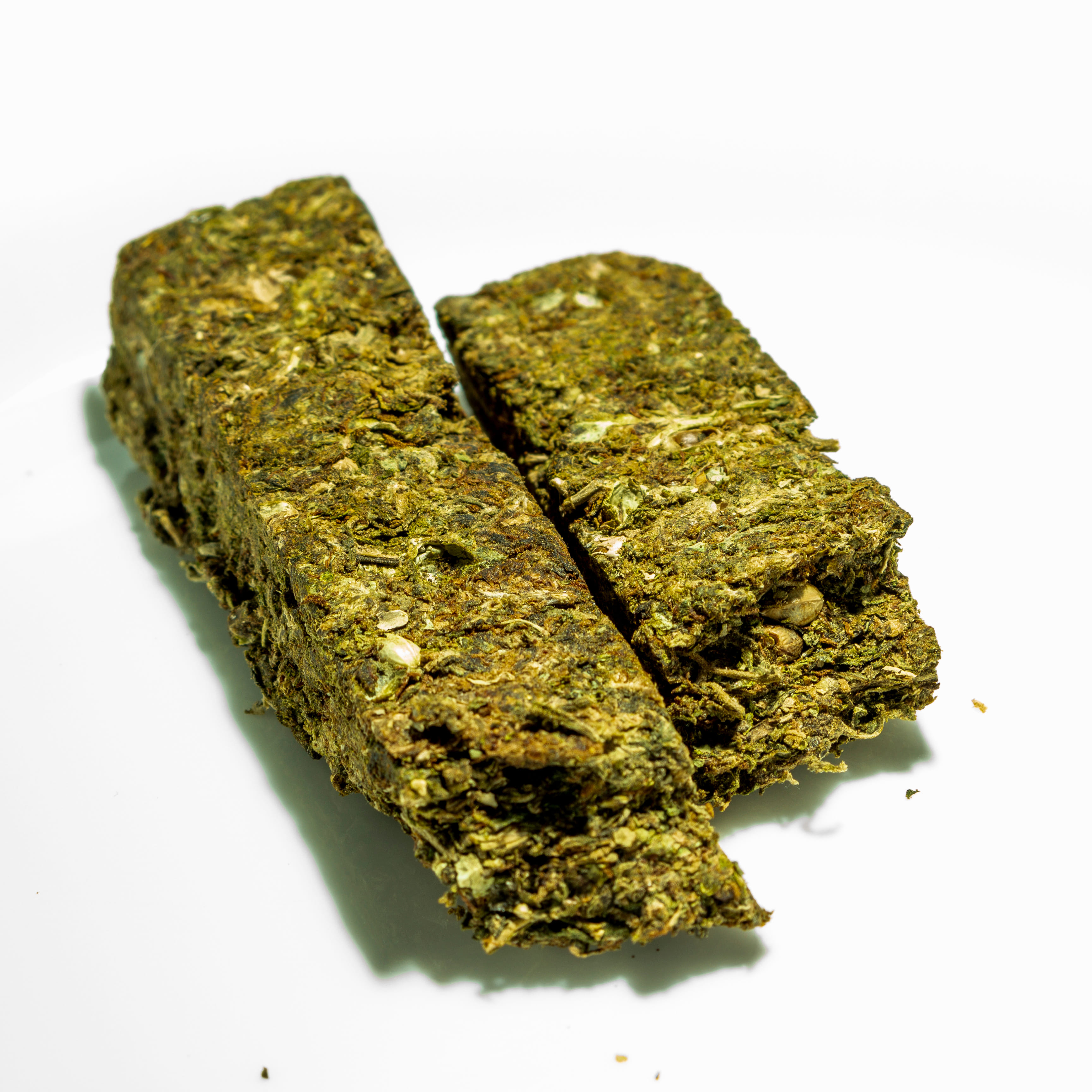
In stoner culture, the term "brick weed" often elicits mixed reactions and curiosity among enthusiasts, evoking heavy nostalgia in some, and blank stares among newcomers. Brick weed, as the name suggests, refers to a form of cannabis that has been tightly compressed into brick-like blocks. While it was once relatively commonplace in the market, its popularity has waned over the years due to evolving cultivation and distribution practices. In this comprehensive exploration, Seedsman takes an in-depth look at the origins, production, usage, and perception surrounding the legend that is brick weed.
Origins of Brick Weed
Brick weed traces its origins back to regions where cannabis cultivation has been historically prevalent, mainly arriving in the United States from areas of Central America and South America such as Mexico, and Colombia, or from parts of Southeast Asia. The practice of compressing cannabis into bricks emerged as a means of facilitating transportation and concealment during illicit trade. This method allowed large quantities of cannabis to be compactly packed in large amounts, to transport weed on long journeys, minimizing the risk of detection by authorities.
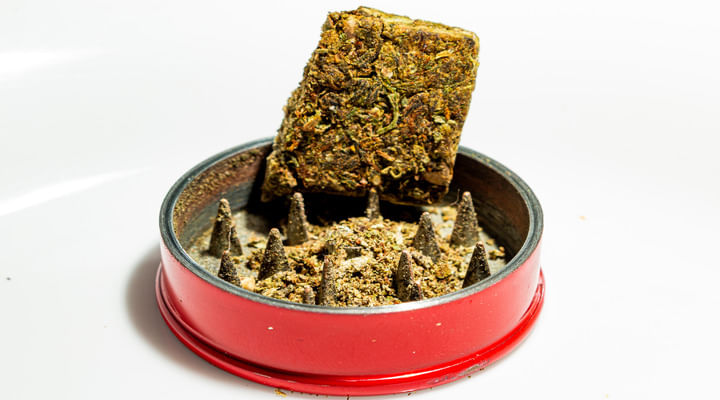
The heyday of brick weed - AKA Mexican brick weed - can be dated back to the latter half of the 20th century, particularly during the 1960s and 1970s when cannabis consumption surged globally. In a time when few would risk the wrath of law enforcement to grow their own weed, the affordability and accessibility of compressed weed made it a popular choice among consumers, despite its notably poor quality compared to other forms of cannabis.
Production Process - How Brick Weed Is Made
The production of brick weed involves several steps designed to compact loose cannabis flowers into dense blocks. Typically, harvested cannabis plants are dried and cured before being tightly pressed using mechanical devices such as a hydraulic press, or, in many cases, manual labor. This compression process removes excess moisture and air, resulting in a densely compacted, brick-like form that can be easily stacked and transported. As you can imagine, this process is not exactly conducive to producing primo weed. Modern cultivators are no doubt bristling at the thought of treating those lovingly cultivated, carefully-manicured buds like that!

How Brick Weed Production Harms The End Product
Due to the mass production, high demand, and urgency to turn money quickly, it's unlikely that modern growing techniques are used in the cultivation process of cannabis plants grown for brick weed. Added to that, much of the labor force employed in the production of brick weed would be unaware of the subtleties of the cannabis plant, and therefore would have little to no idea that handling bud incorrectly can cause great damage and severely limit the quality and potency of the product. For example, large amounts of trichomes are wasted during the production process, and drying is carried out by simply leaving harvested plants stacked on top of each other out in the sun. This of course means moisture is retained in some areas, and plants will be begin to rot - but are unlikely to be discarded when this happens.

To further enhance the density of the bricks, additional weight may be applied during the pressing process. This can involve placing heavy objects atop the cannabis piles or utilizing hydraulic presses for greater compression. The end product is a solid block of cannabis, ranging in color from greenish-brown to dark brown, depending on factors such as strain and curing methods – a far cry from the highly-coveted concept known today as ‘bag appeal’.
Usage and Perception - How Was Brick Weed Received?
Traditionally, brick weed was smoked in a manner similar to other forms of cannabis, such as through joints, pipes, or bongs. However, its compressed nature often necessitated breaking it apart before consumption, which could be challenging and messy. Despite its convenience in terms of storage and transportation, brick weed predictably gained a reputation for its inferior quality and potency compared to loose, unpressed cannabis.
Moreover, the compression process involved in producing brick weed often leads to the loss of terpenes and cannabinoids, resulting in a less flavorful and less potent product. This contributed to its diminished appeal among consumers seeking higher quality cannabis experiences. When the product was compressed in such a manner, weight was important, so you could expect to find more than you bargained for mushed up in the bricks.
Comparison of Brick Weed vs Normal Hashish
It's essential to differentiate between brick weed and traditional hashish, as they are distinct forms of cannabis products. While both undergo processing and compression, hashish involves extracting the resin glands (trichomes) from the cannabis plant to create a concentrated, potent product.
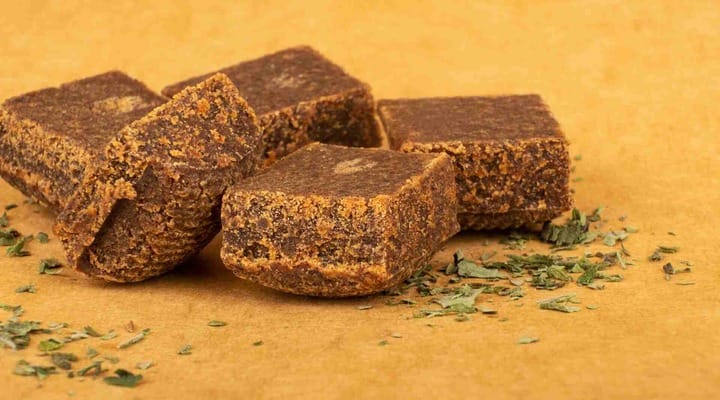
Hashish is typically produced by methods such as dry sifting, ice water extraction, or mechanical separation, resulting in a resinous substance that can be further pressed into blocks or consumed in its powdered form. Unlike brick weed, hashish is prized for its high potency, concentrated flavors, and versatile consumption options, making it a preferred choice for many cannabis connoisseurs. Brick weed, on the other hand, is literally just squashed buds.
Is Brick Weed Safe To Smoke?
The quality of brick weed has long been a subject of debate within the cannabis community. While some consumers may appreciate its affordability and nostalgic value, others criticize its inferior taste, potency, and overall smoking experience. Brick weed is often associated with a harsh, acrid smoke and a pronounced earthy flavor, characteristics that deter discerning users accustomed to higher quality cannabis products. This is in stark contrast to today’s offerings, where excellent curing methods – and dispensary packaging etc, are all designed to optimize flavors.
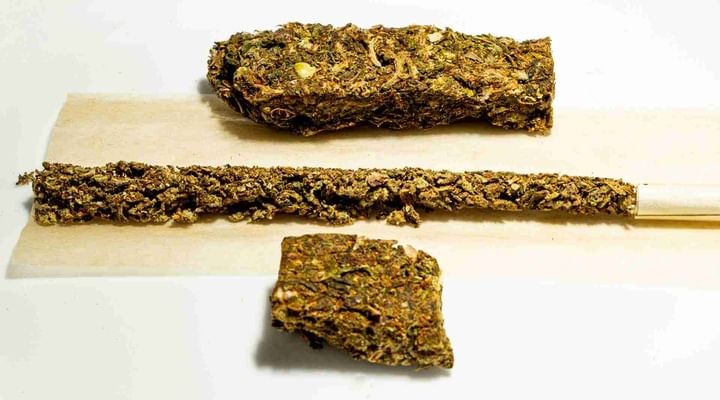
Furthermore, the prevalence of impurities such as seeds, stems, and contaminants in brick weed has raised concerns regarding its safety and health implications. Prolonged consumption of low-quality cannabis products may expose users to harmful substances and compromise their overall well-being. Brick weed may evoke nostalgia for some, but it’s undoubtedly a symptom of the bad old days.
There was once a time where smoking brick weed was perhaps your only option, but those days are thankfully in the past for most of us, and now we get to enjoy a much safer smoke, with significantly higher quality.
Adulterated Brick Weed
Seeds and stems are the least of your worries when smoking brick weed. As we mentioned, there are stories of contaminants being used to pad out the weight of the bricks. If you like a good horror story, a quick dive into what's actually used to pad out that weight could keep you up at night for weeks.
To maximize profits, boost weight, and ultimately to bind the bricks tightly, a frankly troubling list of substances may be put to use. These substances can include industrial glues such as:
- Neoprene
- Tar
- Ammonia
- Bitumen
And if that's not enough, there's even talk of dog food and excrement being used to bulk out the bricks. You most definitely do not want to be smoking brick weed.
Explaining The Decline In Brick Weed's Popularity
In recent years, brick weed has seen a significant decline in popularity and availability in legal cannabis markets. This can be attributed to several factors, including advancements in cultivation techniques, legalization efforts, and consumer preferences shifting towards premium, high-quality cannabis products.
With the emergence of legal cannabis dispensaries and regulated markets, consumers now have access to a wide array of strains, products, and consumption methods. This has led to increased demand for fresh, potent cannabis flowers, concentrates, and edibles, relegating brick weed to the sidelines of the industry – and ultimately, to a mere footnote in weed folklore.
Modernism's Effect on Brick Weed
The legalization of cannabis in various jurisdictions has paved the way for stringent quality control measures and testing protocols, ensuring that products meet safety and potency standards. As a result, the prevalence of low-grade, compressed cannabis such as brick weed has diminished, thankfully giving way to a more diverse and sophisticated market landscape.
Is Brick Weed Still Available?
While the modern landscape has rendered brick weed largely obsolete for most of us, brick weed is still very much available in some parts of the world. In fact, those same areas where imported brick weed came from - Central and South America and Southeast Asia - still distribute brick weed to surrounding countries. Much of today's brick weed is made in Paraguay, and distributed to nearby Brazil and Argentina. In these areas, it's known as 'marihuana prensada', 'cannabis prensado', (pressed cannabis) or 'ladrilla' (brick weed), and primarily smoked for recreational use only.
Final Thoughts On Brick Weed
In conclusion, while brick weed holds a nostalgic allure for some cannabis enthusiasts, its prominence has waned in the face of evolving industry standards and consumer preferences. As the legal cannabis market continues to expand and innovate, the era of brick weed may become a distant memory, preserved only in the annals of cannabis history.


