


For many people, cannabis use can be a comfort—a way to unwind, manage stress, socialise, and, in some cases, address medical needs. But for those seasoned pot-puffers who have used cannabis frequently and in high doses over long periods, cutting back or quitting entirely can come with unexpected consequences: marijuana withdrawal. This is often due to cannabis addiction, where continued use despite negative impacts on health, relationships, and job performance can lead to withdrawal symptoms when stopping usage. Yes, marijuana withdrawal is real, even if it often flies under the radar compared to the intense effects of withdrawal from substances like alcohol or opioids. Yet, for those who experience it, marijuana withdrawal can be uncomfortable and frustrating.
Let’s examine what cannabis withdrawal is, the stages you might go through, and how long symptoms typically last. Plus, we’ll provide links to PubMed studies and credible medical journals so you can dig deeper.
Understanding Cannabis Withdrawal Syndrome

Cannabis withdrawal syndrome is a condition that occurs when someone who regularly uses cannabis, especially in large amounts, suddenly stops or significantly reduces their intake. This syndrome is marked by a variety of physical and psychological symptoms, like anxiety, irritability, anger or aggression, disturbed sleep or dreaming, depressed mood, loss of appetite, and abdominal pain. It can be seriously concerning. The intensity and duration of these symptoms can differ based on how much and how often the person used cannabis, as well as any underlying medical or psychiatric conditions they might have. Understanding this syndrome is crucial for anyone looking to reduce their cannabis use, as it highlights the challenges they might face and the importance of seeking support.
What is Cannabis Withdrawal in Cannabis Use Disorder?
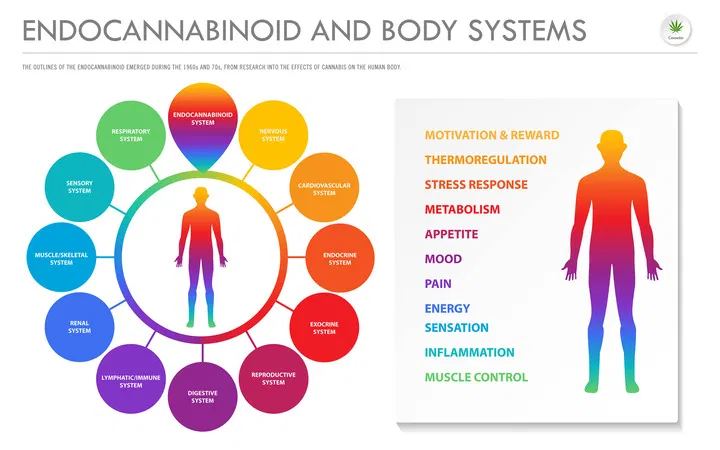
Cannabis withdrawal happens when cannabis users with regular or dependent use of cannabis suddenly reduce their intake or quit entirely. THC, the primary psychoactive compound in cannabis, interacts with the brain’s endocannabinoid system, binding to cannabinoid receptors and influencing how we feel, think, eat, and sleep. Over time, your brain adjusts to THC’s constant presence, and when it’s gone, the body needs time to recalibrate.
Studies in JAMA Psychiatry suggest that nearly half of daily users experience cannabis withdrawal symptoms when they stop using, which can range from mild to severe depending on individual use patterns (Budney et al., 2008). This sheds light on why people who use cannabis daily might feel edgy, restless, or even anxious when they stop.
Causes of Cannabis Withdrawal
Cannabis withdrawal is a complex process that involves the brain, body, and hormonal changes. Regular cannabis use can lead to tolerance and dependence, making it difficult for the body to function without it. When cannabis use is suddenly stopped or significantly decreased, the body and brain become imbalanced, leading to weed withdrawal symptoms. The primary psychoactive ingredient in cannabis, THC (tetrahydrocannabinol), is responsible for the withdrawal symptoms. THC affects the brain’s neurotransmitters and hormonal balance, and in some cases may to physical and psychological dependence.
The Calm Before the Storm: Immediate Post-Use Effects
The first few hours after cannabis use can feel deceptively normal for regular users. Once the “high” fades, there’s often a sense of relaxation or mild fatigue. This phase, while subtle, marks the body’s initial attempts to recalibrate after THC temporarily hijacks its systems. Common physical symptoms such as fatigue and relaxation occur immediately after stopping cannabis use, and individuals may experience those weed withdrawal symptoms as the body adjusts to the absence of THC.
Once cannabis use stops, the ECS is thrown off balance. It can no longer rely on THC to function, yet its natural production hasn’t fully ramped up. This imbalance sets the stage for withdrawal, a process that unfolds over hours, days, and even weeks.
Stages of Cannabis Withdrawal: Symptoms and Timeline
Like any other withdrawal syndrome, cannabis withdrawal has a predictable timeline. Each stage of withdrawal has its own set of common weed withdrawal symptoms and challenges. These symptoms can be categorized into mild, moderate, and severe groups, with frequently reported issues like sleep problems, cravings, and mood changes. And while everyone’s experience is unique, most people go through a similar sequence. People who use more potent marijuana, or more potent methods such as dabbing high-THC concentrates, often experience more severe weed withdrawal symptoms compared to those using less potent forms of marijuana.
1. Initial Onset (Within 1-2 Days)

The first 24 to 48 hours after you quit cannabis is the “shaky ground” phase. Imagine you’ve been zipping through your days fueled by coffee for years, and one morning, you quit cold turkey. Suddenly, you’re feeling cranky, restless, and edgy. That’s similar to what happens in the initial onset of cannabis withdrawal, where uncomfortable weed withdrawal symptoms begin to surface:
Irritability and Agitation: Without THC’s calming effects, many people report irritability or agitation. Think of your brain as an orchestra that’s been playing in harmony with THC, and now that it’s gone, the violins are out of tune. A study in Neuropsychopharmacology confirmed that irritability and agitation are common as the brain’s natural reward systems try to rebalance without THC (Allsop et al., 2014).
Restlessness and Fidgeting: During this phase, you might feel like you’ve got “itchy” energy. This restlessness is a common feature of cannabis withdrawal, as the central nervous system (which THC previously helped to calm) starts to recalibrate. A study in Drug and Alcohol Dependence showed that a significant number of users experienced restlessness, especially in the early stages of withdrawal (Bonn-Miller et al., 2014).
Anxiety: With THC gone, anxiety may bubble up. A review in Substance Abuse and Rehabilitation explains that THC’s calming effects can make your brain more sensitive to anxiety when it’s suddenly absent. Anxiety might be mild for some but can feel overwhelming for others (Bahji & Stephenson, 2016).
2. Peak Symptoms and Severe Withdrawal Symptoms (Days 3-7)
Now we’re getting into the thick of it. Symptoms usually peak between days three and seven, when both physical and emotional withdrawal effects are most intense, highlighting the severe cannabis withdrawal symptom severity. This stage is like the “storm” phase, where symptoms can feel overwhelming:
Insomnia and Nightmares: If you’re used to cannabis helping you drift off, prepare for some rocky nights. THC alters the way we sleep, especially by impacting REM (dream) sleep. When you quit, REM comes back with a vengeance, often leading to vivid dreams, night sweats, or even nightmares. A study in Sleep Medicine Reviews notes that about 76% of people experience some level of insomnia during cannabis withdrawal (Gates et al., 2016).
Loss of Appetite: Ever notice how cannabis use often increases hunger? Without it, the opposite can happen. You might find yourself eating less or feeling queasy when trying to eat. Research from Psychopharmacology found that appetite loss and nausea are common at this stage, often lasting until the brain adapts to lower THC levels (Haney et al., 2003).
Mood Swings and Irritability: The mood rollercoaster often hits hard during this peak week. THC affects dopamine, one of the brain’s “feel-good” chemicals, so without it, your mood can fluctuate dramatically. A study in the American Journal of Psychiatry found that mood disturbances, including irritability and mild depression, were typical during this phase (Levin et al., 2010).
3. Resolution (Days 7-14)
After the first week, the storm starts to calm. Many of the more intense symptoms begin to subside, although some lingering effects can still be felt for up to two weeks. Less common physical symptoms such as chills and headaches may still be present during this phase.
Improved Appetite: Appetite usually starts to bounce back during the second week. Eating may still feel like an afterthought, but most people notice they’re starting to crave food again. According to Journal of Substance Abuse Treatment, appetite tends to improve steadily after the first week (Vandrey et al., 2008).
Reduced Anxiety and Mood Stabilization: With dopamine and serotonin levels starting to return to normal, mood swings become less severe. Many people notice they feel more balanced and in control. A study from Addiction Biology highlights that mood symptoms, including anxiety and irritability, decrease significantly after the first week (Budney et al., 2016).
Improving Sleep: Sleep begins to stabilize during this phase, but don’t expect a perfect night’s sleep just yet. The brain’s sleep-wake cycle needs time to adjust after long-term cannabis use. Some people may still experience sleep disturbances, although they’re typically less intense than they were during the peak stage (Gates et al., 2016).
4. Long-Term Adjustments (Weeks 3-4 and Beyond)
By weeks three and four, most weed withdrawal symptoms have significantly subsided. However, some residual effects may linger, especially for people who used cannabis heavily for long periods. Withdrawal symptoms may include psychological challenges and sleep disturbances that can persist for weeks. This stage is like the “echo” phase, where symptoms are mostly gone but can resurface occasionally. Stomach pain is one such residual symptom that may occasionally resurface during this long-term adjustment phase.
Occasional Mood Swings and Anxiety: While most people feel emotionally stable by this point, some may still experience periodic mood fluctuations or mild anxiety. These symptoms are less intense and occur less frequently as time goes on. A study in the Journal of Substance Abuse Treatment indicates that while these symptoms can persist, they tend to fade gradually with time (Vandrey et al., 2008).
Residual Sleep Issues: Even at four weeks, occasional sleep issues can still crop up, particularly for those with a long history of heavy cannabis use. However, sleep quality generally improves significantly around this time. The Journal of Addiction Medicine notes that while sleep disturbances are among the last symptoms to disappear, they do eventually normalize for most people (Budney et al., 2016).
Factors that Influence Withdrawal Symptoms

The severity and duration of weed withdrawal symptoms can be influenced by several factors:
Frequency and Quantity of Use: Those who use cannabis more frequently and in larger amounts are more likely to experience severe withdrawal symptoms. The body becomes more accustomed to the presence of THC, making the adjustment period more challenging.
Underlying Medical or Psychiatric Conditions: Individuals with pre-existing conditions like anxiety or depression may find their withdrawal symptoms more intense. These conditions can exacerbate the psychological aspects of withdrawal, making it harder to cope.
Polysubstance Use: Using other substances, such as tobacco, alcohol, or other illicit drugs, can increase the risk of severe withdrawal symptoms. The interplay between different substances can complicate the withdrawal process.
Method of Cannabis Use: The way cannabis is consumed can also play a role. Smoking cannabis tends to lead to more severe withdrawal symptoms compared to other methods like vaping or edibles.
Age and Sex: Younger individuals and females may be more susceptible to severe withdrawal symptoms. Hormonal differences and developmental factors can influence how the body reacts to the absence of THC.
Understanding these factors can help individuals and healthcare providers better prepare for and manage the withdrawal process.
How Long Do Cannabis Withdrawal Symptoms Last?
In general, cannabis withdrawal lasts about two weeks, with the worst symptoms peaking in the first seven days. But as we’ve seen, the duration can vary depending on factors like:
Frequency and Dosage of Use: Daily users and those using high-potency cannabis often experience more prolonged and severe symptoms.
Personal Tolerance and Sensitivity: Everyone’s brain chemistry is different, so withdrawal timelines can vary.
THC Potency: Stronger cannabis products tend to lead to more intense weed withdrawal symptoms.
When discussing substance withdrawal, it is important to consider that the duration and severity of symptoms can vary widely. The Journal of Clinical Psychopharmacology provides insight into typical withdrawal timelines, noting that the most intense symptoms are usually resolved within 1-2 weeks. Additionally, withdrawal experiences can differ between medical and recreational cannabis users, with recreational cannabis users often reporting more severe cognitive and physiological effects.
Managing Weed Withdrawal Symptoms

Managing weed withdrawal symptoms requires a comprehensive approach that addresses both physical and psychological symptoms. Here are some tips to help manage withdrawal symptoms:
Stay hydrated: Drink plenty of water and other fluids to help flush out the body.
Get enough sleep: Aim for 7-8 hours of sleep per night to help regulate mood and reduce anxiety.
Exercise regularly: Engage in physical activities like walking, jogging, or yoga to help reduce stress and anxiety.
Eat a healthy diet: Focus on whole, nutrient-rich foods like fruits, vegetables, whole grains, and lean proteins.
Practice relaxation techniques: Try techniques like deep breathing, meditation, or progressive muscle relaxation to help manage stress and anxiety.
Seek support: Connect with friends, family, or a support group to help stay motivated and accountable.
Treatment Options for Cannabis Withdrawal
Treatment options for cannabis withdrawal vary depending on the severity of symptoms and individual needs. Here are some common treatment options:
Medications: Medications like dronabinol (Marinol) or nabiximols (Sativex) may be prescribed to help manage withdrawal symptoms.
Behavioral therapy: Cognitive-behavioral therapy (CBT) or motivational interviewing (MI) may be used to help individuals identify and change negative thought patterns and behaviors.
Support groups: Support groups like Narcotics Anonymous (NA) or Marijuana Anonymous (MA) provide a safe and supportive environment for individuals to share their experiences and connect with others who are going through similar challenges.
Inpatient or outpatient programs: Inpatient or outpatient programs may be recommended for individuals who require more intensive treatment or have co-occurring mental health conditions.
Coping Tips for Cannabis Withdrawal

Withdrawal can be challenging, but there are some ways to make it more manageable:
Exercise: Physical activity is a natural mood booster and can help with sleep, reduce anxiety, and even improve appetite. Movement also releases endorphins, which can help offset feelings of irritability.
Sleep Hygiene: To combat insomnia, establish a calming bedtime routine. Avoid screens an hour before bed, try meditation or deep breathing exercises, and keep your bedroom dark and cool.
Support Network: Don’t go through this alone. Whether it’s talking to a friend or family member or joining a support group, having people to lean on can make withdrawal easier.
Healthy Eating: Good nutrition can aid in stabilizing mood and energy levels. Try to eat balanced meals, even if your appetite is low, as it can help with nausea and general energy.
Medically Assisted Withdrawal: For those with severe withdrawal symptoms, especially individuals with complex conditions like polysubstance use or significant mental health disorders, medically assisted withdrawal (MAW) can be an option. While inpatient MAW is rarely necessary for uncomplicated cases, it is advised for preventing severe complications during the withdrawal process.
The prognosis for individuals experiencing cannabis withdrawal is generally positive. Most people can manage their symptoms with the right support and treatment. However, some may experience persistent symptoms, making ongoing support and treatment essential. With time, patience, and the right resources, individuals can successfully navigate the challenges of cannabis withdrawal and move towards a healthier lifestyle.
While weed withdrawal symptoms can be uncomfortable, they are generally mild compared to those associated with other substances. Understanding these effects can help you make informed choices about your cannabis consumption. Moderation is key - using cannabis responsibly and in a balanced manner can reduce the likelihood of dependence and withdrawal. For those who experience difficulties, support and guidance is available. By being mindful of usage patterns and prioritzing wellbeing, indiciduals can continue to benefit from cannabis without signifcant adverse effects. With responisble consumption, cannabis can remain a positive part of a healthy and balanced lifetsyle.