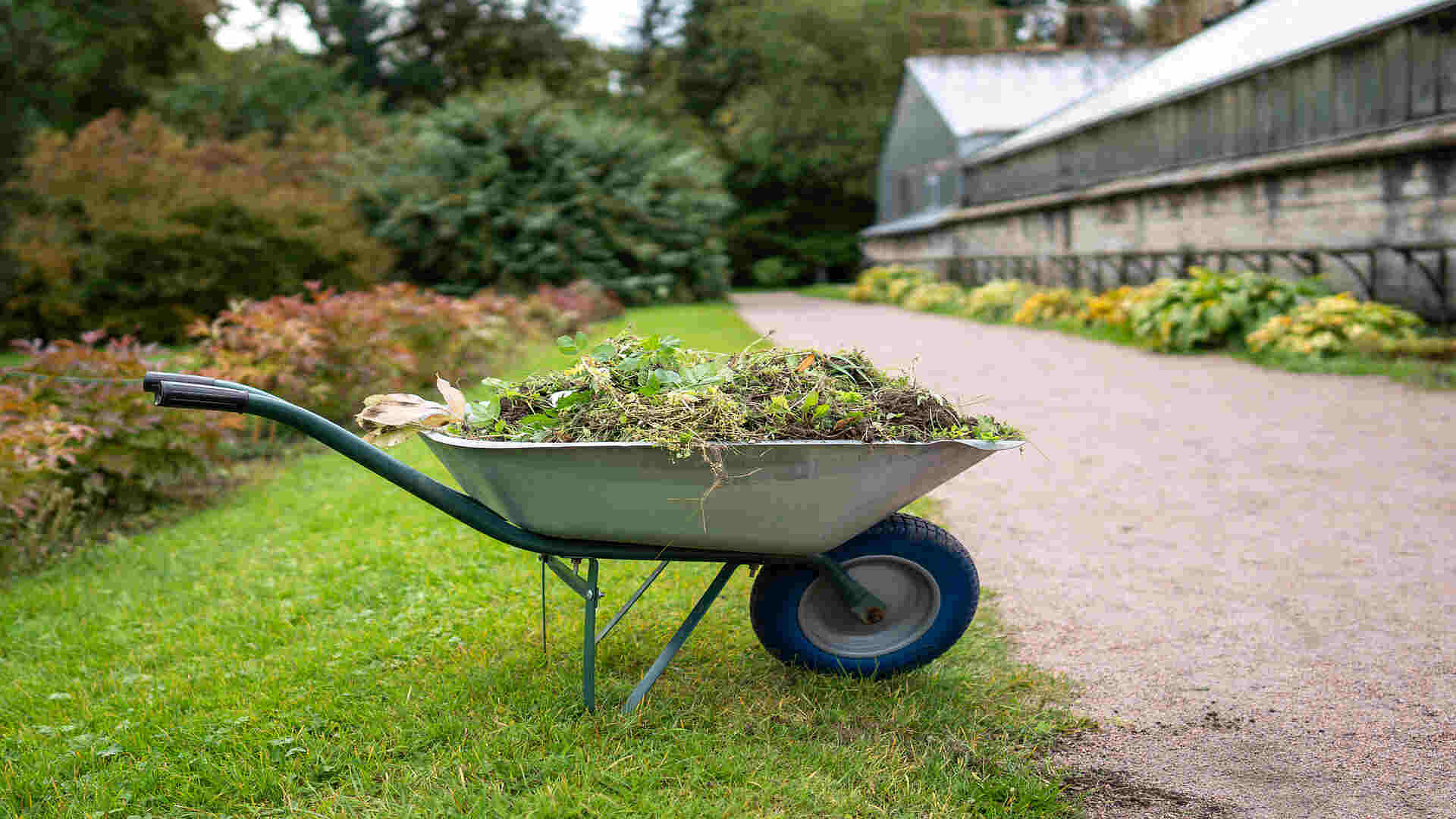
In today's world, consumption and resource management are not what they could be, and this includes cannabis waste. Many items are "single-use" and can contribute to greenhouse gas emissions, pollution, environmental degradation, and even habitat destruction if improperly disposed of. Fortunately, we are here to help you reduce your waste and improve your impact on our beautiful home, Earth.
Cannabis waste includes everything from the plant to what you used to produce and consume it. In this article, we will discuss the best practices for improving our impact on waste disposal and the most sustainable ways to do that.
Plant Material
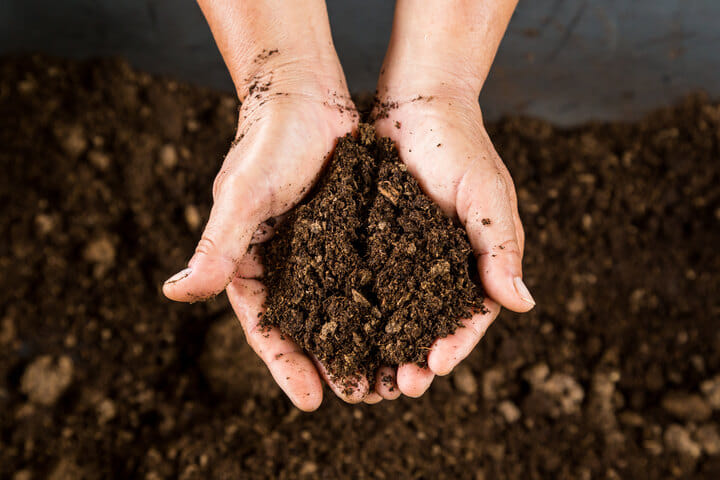
When it comes to growing marijuana, there are a lot of forms of "biomass," which is the living material accumulated during the plant's growing cycle. From leaves and stems to root balls and branches, even old soil. With this material, the best thing you can do is compost. Suppose you throw this material away, especially in a plastic bag, as the organic matter decomposes. In that case, it creates methane gas, which is one of the most potent greenhouse gases in the atmosphere. On the other hand, this material is an excellent carbon source that can contribute to soil health when disposed of properly. The best thing you can do with this is compost; if you are unfamiliar with the methods of composting, check out our article, "Recycling Cannabis Stalks And Roots"
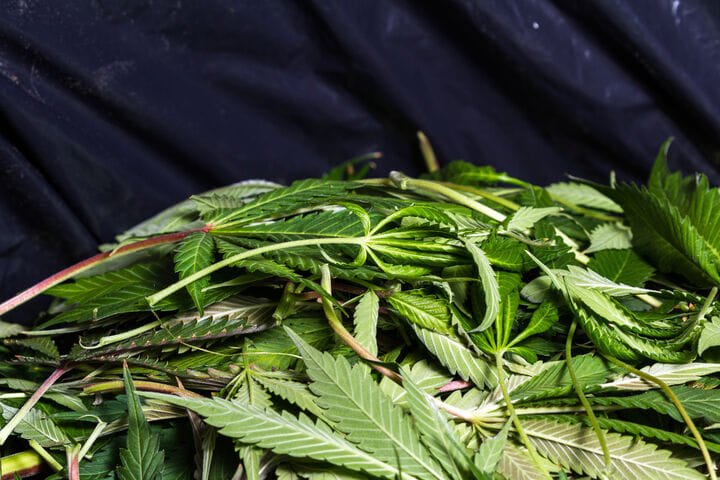
If composting is not an option, consider dumping it in your municipal green waste bin, burying it in your backyard, or finding someone to compost. Many composters seek out green waste from companies as compost is considered "black gold" in the gardening world, and you can never have enough of it. Plant material is just the beginning when it comes to cannabis waste. When we grow weed, there are a ton of items that should be thoughtfully considered when disposed of.
Items Used to Produce Marijuana
When it comes to producing marijuana, several items should be considered when disposing of it:
· Growing Containers
· Trellising
· Nutrients
· Microbes
Growing Containers
When it comes to growing marijuana, many people use plastic pots or other similar variations of containers. The best thing to do with these is to reuse them. Better-quality containers will last longer than cheaper ones. Some of my favourite containers are Grass Roots Living Soil Pots. They come in various sizes, from 1 gallon to 500 gallons, or you can opt for raised beds constructed with PVC. If you are growing indoors, I highly suggest these containers.
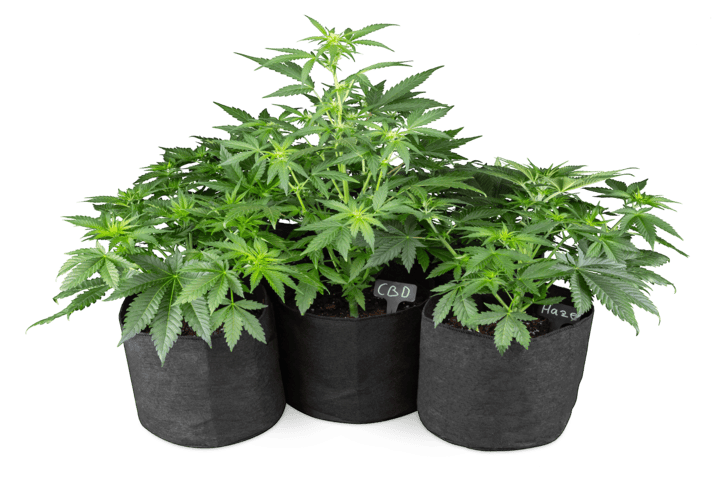
And if you are growing outdoors, I recommend planting directly in the ground and reducing the need for containers. Alternatively, using recycled materials to construct your containers is an excellent option. Just ensure the starting materials aren't covered in any chemical, like railroad ties or old tyres, that can break down and leave behind toxic residue. Reduce, reuse, and recycle whenever possible when using growing containers and trellising.
Jute vs Plastic Trellising
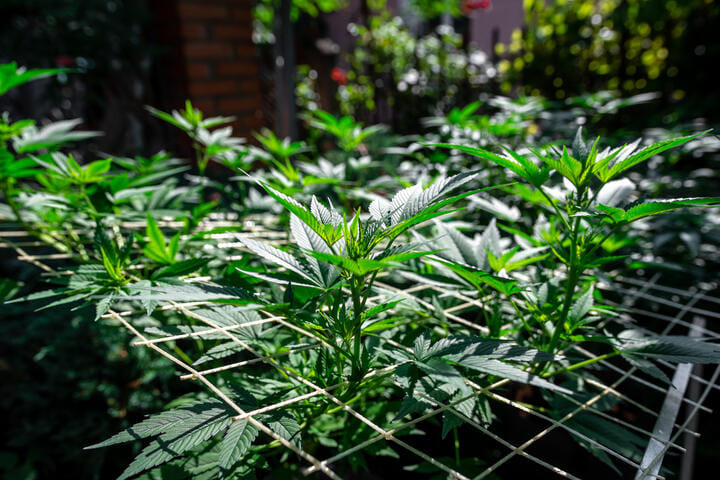
Another item that needs to be carefully used and disposed of is the trellising used to support plants during their growth. It can come in many shapes and sizes depending on your growing style.
Jute is a type of trellising that is made from natural fibres and is completely biodegradable. Unfortunately, it can break easily, and the fibres may stick to resinous buds. And because it is all natural it may harbour mold spores. For these reasons, plastic trellising is a more popular option.
Plastic trellising is more resilient than its jute counterpart, but this means it also lasts 'forever' in landfills and can become a snare, entrapping wildlife if they get into it. The best thing to do is to reuse it for as long as possible. This can be frustrating when it gets tangled, so take your time storing it, smoke a joint and relax while you're dealing with it. If you are growing indoors, you can build removable SCROG trellis frames without becoming a tangled mess. If you throw away your plastic netting, put it inside a garbage bag. While this may seem like more plastic trash, it limits the risk of ensnaring wildlife.
Plastic waste is a growing concern for the Earth and humans. Microplastics infiltrate our ecosystems and bodies, and it is estimated that the average human being contains 20 microplastics per 10 grams of stool. Consider this as you purchase nutrients since many of them come in plastic bottles that can't be recycled and end up in landfills or, worse, the ocean.
Nutrients
When it comes to cannabis, waste nutrients may be the biggest offender, but that doesn't have to be the case if we, as consumers, make better choices. Instead of buying nutrients that come in plastic bottles, we can purchase powdered options in paper bags or boxes, like Organics Alive. Not only does this reduce waste, but it's also often more affordable. When you buy bottled nutrients, you are paying for a lot of water (up to 90%), but when you purchase powdered options, you add the water. This reduces the cost of the nutrient and carbon footprint of shipping when you consider how heavy water is.
Microbes
Like nutrients, microbes often come in plastic containers in a water suspension. This poses the same issues listed above, but the solution may differ. While certain microbial products come in a powdered form, like Happy Plant Organics, the best solution is to cultivate a healthy living soil with a wide range of beneficial microbes native to your region. You can achieve this through composting, returning us to recycling our cannabis biomass waste. When we compost, we attract a wide variety of far more diverse microbes than you can buy in a bottle. Again, if composting isn't an option, consider making your LABS, IMO, or ferment that contains beneficial microbes.
Because cannabis has been prohibited for so long, the industry has preyed on consumers by inflating prices with what I like to call the "green tax." Try looking for microbial inoculants for conventional agriculture, such as forestry distribution or other sources.
Consumption Waste
When it comes to the marijuana industry, waste doesn't end with cultivation but extends into consumption. Plastic has inundated our lives, from turkey bags and Mylar to disposable vape pens—the list goes on and on. By growing your own high-quality genetics, like Purple Oreoz, at home, you begin the waste reduction process. Whenever possible, reduce single-use plastic by reusing or replacing it with long-term items like glass.
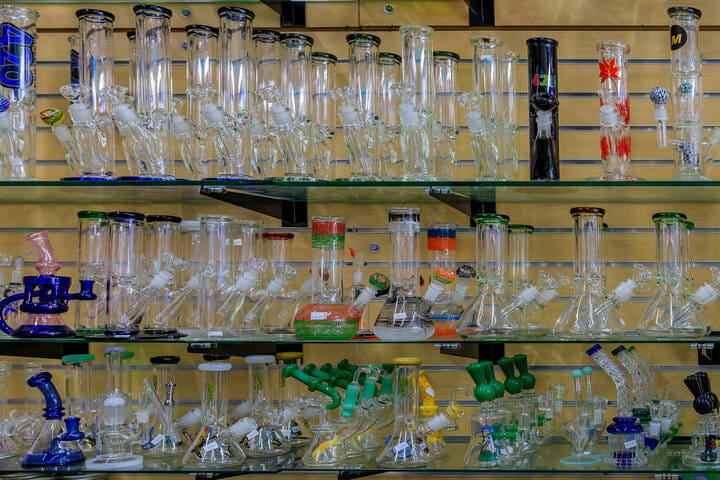
If purchasing from a dispensary, consider buying oil that can be consumed in a refillable vape pen or dab rig. Choose glass options or companies that have a recycling program. And if you're the plug, consider starting a recycling program yourself. You can encourage recycling and repeat customers by offering a discount for every glass jar returned. Remember, lithium batteries found in disposable carts are often obtained through forced child labour and are considered hazardous waste when disposed of. Becoming more conscious of our consumption is the first step towards making a difference, and with a population of over 8 billion people, each of our small decisions can make a significant impact.
Conclusion
As conscious humans blessed with the knowledge plant medicine has bestowed upon us, we can do better. This fantastic plant is part of Mother Nature, and it is our job to take care of her the way she takes care of us. Reduce, reuse, recycle, and gently remind your friends and family that we can do better. Make better choices when it comes to disposing of cannabis waste, and let that example grow into the rest of your life. Limit single-use plastic, bring your containers, and compost everything!