


About the author
Jorge Cervantes, a distinguished cannabis cultivation expert with over 40 years of experience, has significantly contributed to the cannabis community. Author of the seminal "Indoor Marijuana Horticulture," also known as "The Grow Bible," Jorge has published more than 50 cannabis books and DVDs in multiple languages, cementing his role as an authoritative figure in cannabis growing.
His extensive research and practical knowledge have been pivotal in advancing cultivation techniques worldwide.
In addition to his numerous publications, Jorge Cervantes has made his most comprehensive book, "The Cannabis Encyclopedia," available online for free. This extensive resource covers every aspect of cannabis cultivation and is a testament to Jorge's commitment to sharing knowledge with the global cannabis community.
Mastering Cannabis Flowering: Expert Tips from Jorge Cervantes
To excel in the cannabis flowering phase, this tutorial will instruct you on crucial methods for enhancing your buds' size and quality. Using the best cannabis nutrients is essential for optimizing bud size and quality, as it ensures the plants receive suitable nutrient blends at different life stages. It covers nutrients, ideal timing, and vital practices pertinent to the flowering stage.
Key Takeaways
During female cannabis plants' flowering stage, managing stress and providing appropriate nutrients, particularly phosphorus and potassium, is critical to ensure optimal bud development and high yields.
Effective nutrient management during flowering requires regular monitoring and adjustment of NPK ratios and pH levels and supplementation with secondary nutrients such as calcium, magnesium, and sulfur to prevent deficiencies.
Flushing cannabis plants with pH-balanced water two weeks before harvest is not necessary to remove nutrient buildup or enhance bud quality if the substrate has not been over-fertilized.
Understanding the Flowering Stage and Cannabis Nutrients
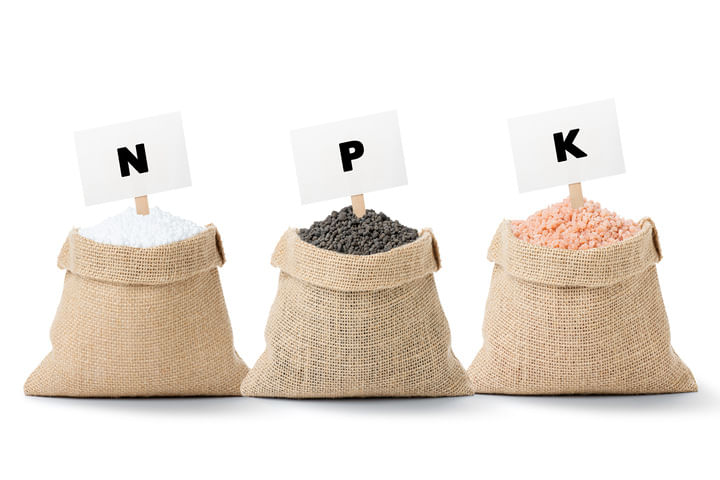
The flowering phase marks a crucial transition in the life cycle of cannabis plants as they shift their energy from leafy growth to the development of buds. This is when flower production takes precedence, playing an instrumental role in determining the quantity and quality of your final harvest. For cannabis growers, mastering this phase is essential for maximizing yield and enhancing potency.
Witnessing bud formation and gradual fattening during this stage can be exhilarating for growers. Tiny white hairs or stigmas (AKA pistils) start emerging prominently on female plants. Minimizing any stress on the plant throughout this mid-flowering period is imperative to ensure vigorous bud formation and resin development. By meticulously attending to your cannabis plant’s needs at this time, you encourage prime flower production while maintaining overall plant health.
When Does the Flowering Stage Begin?
As your cannabis plants transition from the vegetative stage to the flowering phase, you will observe indicators like bud formation and the appearance of white hairs or stigmas on female plants. Recognizing these signs is essential for timely modifications to feeding schedules and environmental conditions to support the plant’s advancement into this critical growth phase.
Key Changes During Flowering
During the crucial phase of their life cycle, known as the flowering stage, cannabis plants experience pivotal transformations in both physical appearance and chemical makeup that are essential for optimal bud development and maintaining overall plant health. Physically, there is a noticeable acceleration in flower formation and bloom growth at the heart of this particular period. Such progression provides immense satisfaction to cannabis growers as they watch buds take form and enhance in fullness.
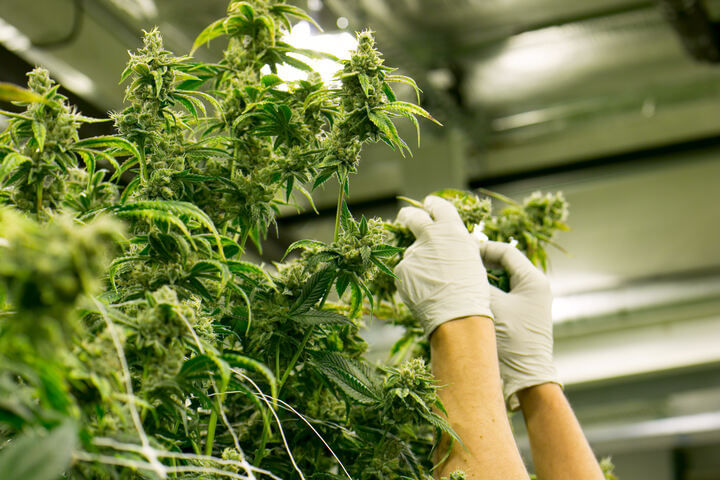
On a chemical level, this stage demands specific types of supplements and flowering nutrients tailored to boost flower production while enriching bud structure. These nutritional additions play an instrumental role in maximizing not just the bulk but also the potency of flowers when it comes time to harvest. By comprehending these alterations within your plants during such a critical juncture of their growth cycle—and adeptly managing them—ensuring vigorous support for your cannabis plants becomes possible.
Essential Nutrients for Flowering Cannabis Plants
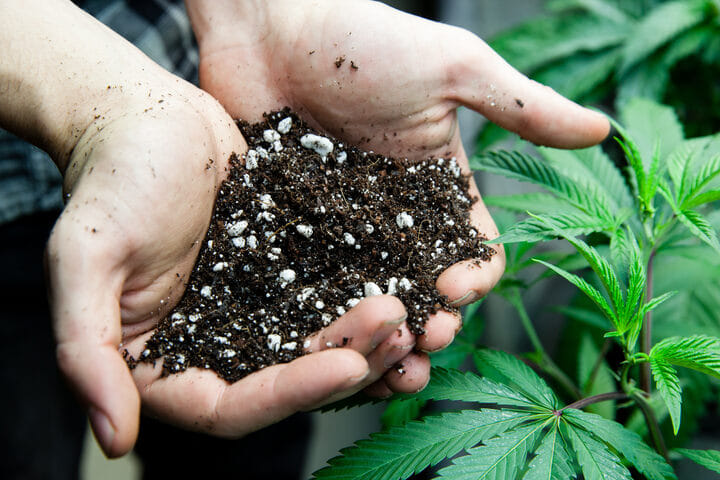
To cultivate cannabis plants that yield significant and dense buds, it’s crucial to supply the proper nutrients during their flowering stage. Phosphorus and potassium are indispensable for adequate bud development and robust plant health. The role of phosphorus includes facilitating energy transfer, aiding in root formation, and DNA and RNA synthesis—all critical elements during the cannabis plants’ flowering period. Meanwhile, optimal levels of potassium not only help produce more substantial buds and improve terpene production, which is essential for a fruitful harvest.
During this same pivotal growth stage—flowering—it’s essential not to overlook secondary nutrients such as calcium, which is necessary for cellular division functions and prevents disorders like blossom end rot; magnesium, which plays a key role in photosynthesis along with generating energy; and sulfur, which is involved with various enzymatic activities and adds support toward overall wellness among your cannabis crops.
Introducing supplements into your growing medium can compensate when these fundamental components are deficient. Offering balanced nourishment to ensure healthy progression throughout the life cycle leading up to harvest time explicitly targets rich bud formation within your thriving cannabis plants.
Importance of Phosphorus and Potassium
Phosphorus and potassium are essential elements in developing flowers and fruits within cannabis plants. Phosphorus plays a significant role in transferring energy and enhancing bloom formation. When its levels are raised during the flowering phase, resin creation and overall flower quality are noticeably boosted. Insufficient phosphorous can lead to challenges in root growth and efficient energy transfer, which may compromise the final bud quality.
Potassium is vital for healthy growth, encompassing nutrient absorption, water management, and the production of proteins and carbohydrates. This element plays an instrumental role by managing internal water flow and nutrient distribution throughout different parts of cannabis plants so that they attain all the needed components for robust health. The best amounts of potassium help make buds denser and improve terpene profiles, which is essential for making top-notch cannabis strains.
Role of Secondary Nutrients in a Cannabis Plant
When cultivating cannabis plants, a grower must attend to not only the essential primary mineral nutrients like phosphorus and potassium but also the secondary ones, including:
calcium, which plays a vital role in maintaining robust flower development while averting contorted lower leaves, which is linked with insufficient calcium
magnesium, integral to the chlorophyll molecule for photosynthesis and glucose production that powers plant growth
sulfur, necessary for synthesizing proteins and enzymes
A vigilant approach by someone growing cannabis is crucial for fostering plant health and progression.
An absence of sufficient magnesium during the flowering stage of cannabis growth can diminish overall plant vigor and bloom, which are enzymatic processes vital to good health throughout the flowering phase. Incorporating these minerals into a nutrient-feeding plan can mitigate expected nutritional shortfalls, leading to vigorously flourishing plants.
Best Practices for Feeding Flowering Cannabis

Nurturing flowering cannabis plants requires careful attention to the balance of nutrients, employing fertilizers tailored for blooming periods, and deciding between organic versus synthetic sources. At this stage in their life cycle, cannabis plants require higher phosphorus and potassium levels to support robust bud formation, resulting in top-tier flowers. It’s essential to select the optimal cannabis nutrients explicitly designed for cultivating flourishing plants with exceptional buds. Nutritional mixtures with ratios such as 1:3:2 or 2:4:4 (nitrogen-to-phosphorus) are typically advised during the flowering phase to foster growth and successful bloom. Hydroponic nutrients, including nitrogen, phosphorus, potassium, magnesium, and calcium, are crucial for cannabis plants, especially in hydroponic systems and LED grow light setups, to ensure healthy growth and development during different growth stages.
To cultivate healthier and more potent flower buds, it’s beneficial to use fertilizers made exclusively for the blooming phases of cannabis plants. For superior outcomes, utilize products explicitly engineered for these crops through water-soluble solutions or by directly integrating granular fertilizer into your growing medium. Adding soil enhancers like humic acid, fulvic acid, and mycorrhizae (a type of fungus) can make the soil conditions much better, which can help plants absorb nutrients more efficiently, which is known to be good for their health.
When starting with coco coir as a growing substrate for your cannabis seedlings or clones, please provide them with feedings consistently at intervals ranging from every day up to every other day.
Adjusting NPK Ratios
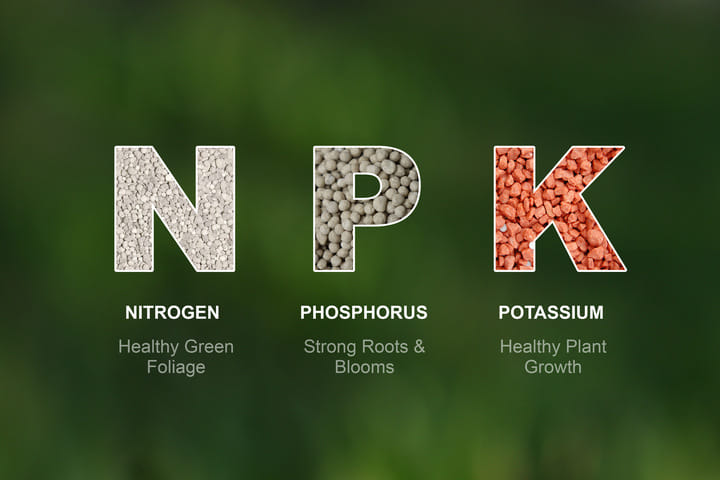
During the flowering phase of cannabis plants, it’s crucial to modify the NPK (nitrogen, phosphorus, and potassium) balance so that there is an upswing in both phosphorus and potassium intake while reducing nitrogen. Elevated nitrogen levels can negatively influence bud formation and impart a harsh flavor. Hence, curtailing nitrogen at this juncture is essential. An optimal early flowering stage ratio would be 1:3:2 followed by a late-stage shift towards an NPK formula of 0:3:3 to support bud development adequately.
To make sure your cannabis plants have intense flowers, choose fertilizers that have higher amounts of all three elemental nutrients. Higher amounts of phosphorus have been shown to improve growth compared to lower concentrations, which are essential nutrition for getting great flowers. If the plant does not get enough phosphorus, it will not grow as well, which means you will get better harvests.
Using Bloom Nutrients
During the flowering stage, switching to a nutrient mix high in phosphorus and potassium but low in nitrogen is essential. This change should occur once buds start appearing in the bloom process.
For optimal bud health and potency during this phase, a product like Blossom Booster 10-30-20 is advised since it delivers an appropriate balance of nutrients required for the flowering stage.
Organic vs. Synthetic Nutrients
Choosing between organic and synthetic nutrients hinges on individual tastes and the particularities of your growing environment. Organic nutrients derived from natural sources, such as animal manure from chickens, cows, horses, or rabbits, are lauded for their eco-friendliness and sustainability. They can enhance soil vitality while fostering beneficial microorganisms.
Conversely, synthetic nutrients are celebrated for delivering precise and uniform results. Their dependability is especially advantageous in hydroponic setups where a steady supply of nutrients is critical. Growers can select organic fertilizers or hydroponic solutions based on their unique demands and preferences.
Monitoring and Maintaining pH Levels
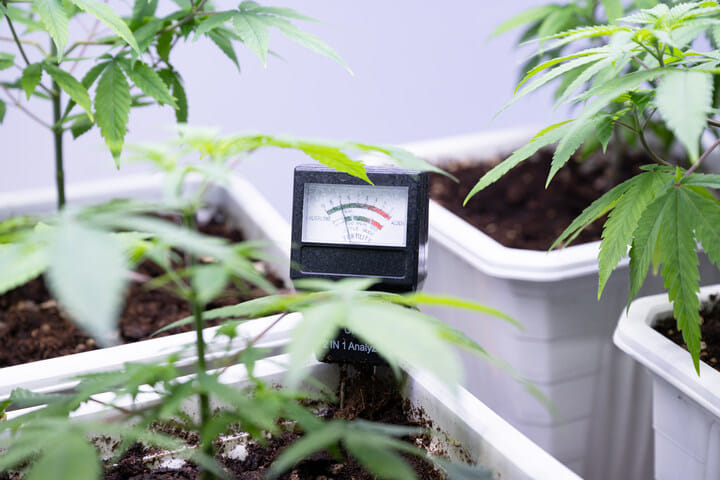
Maintaining appropriate pH levels is crucial for successfully absorbing nutrients and avoiding nutrient lockout in cannabis plants. Discrepancies in pH levels can render nutrients inaccessible, resulting in deficiencies that negatively impact the health of your plants. During the flowering stage, an imbalanced root zone pH is frequently responsible for these nutrient deficiencies. Keeping pH balanced is essential to guarantee nutrients remain soluble and available for plant uptake.
When growing cannabis plants using organic soil, if you start with premium organic super soil, there isn’t usually a need to adjust the pH levels. Regularly applying products to raise or lower the pH of the soil could disrupt its natural equilibrium. To foster healthy development during the flowering phase, one must regularly check and manage the proper pH balance within the cultivation setup.
Ideal pH Range for Flowering
During the flowering stage of soil-cultivated cannabis, keeping the pH levels between 5.8 and 6.2 is essential. By doing so, you can avert magnesium deficiency, which plays an indispensable role in ensuring robust flowering.
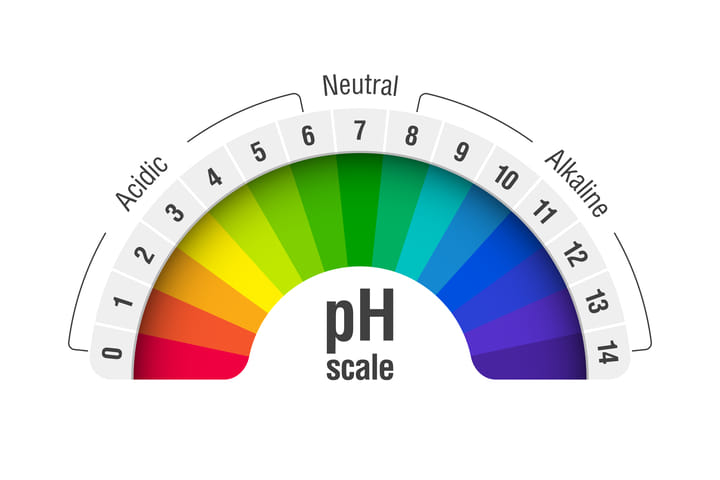
In hydroponic setups for growing cannabis through its flowering phase, maintaining a pH range from 5.5 to 6.5 is necessary for optimal performance. Staying within this range ensures effective nutrient absorption while avoiding issues related to nutrient lockout during the plant's crucial developmental period.
Testing and Adjusting pH
To avoid issues with the absorption of nutrients by cannabis plants, it is essential to consistently monitor and manage pH levels in both soil and water. Accurate measurement can be achieved using reliable instruments such as pH pens or EC meters. A combined unit for testing pH/EC that is both budget-friendly and user-friendly can be used effectively simply by immersing its probe into your nutrient solution or directly within the soil substrate to obtain a reading. Before conducting any tests, these meters should ideally be calibrated with a known reference point, such as purified water containing no nutrient salts.
When there’s a need to modify the pH levels, options include chemical and natural methods. For organic cultivation aiming for lower pH values, lemon juice or vinegar are appropriate natural choices, while baking soda acts as an effective, naturally derived substance when there’s a requirement to increase pH values. Regular modification of acidity or alkalinity is crucial in ensuring that all necessary conditions are met so cannabis plants have access to proper nutrients that support their healthy development.
Common Nutrient Deficiencies and Solutions
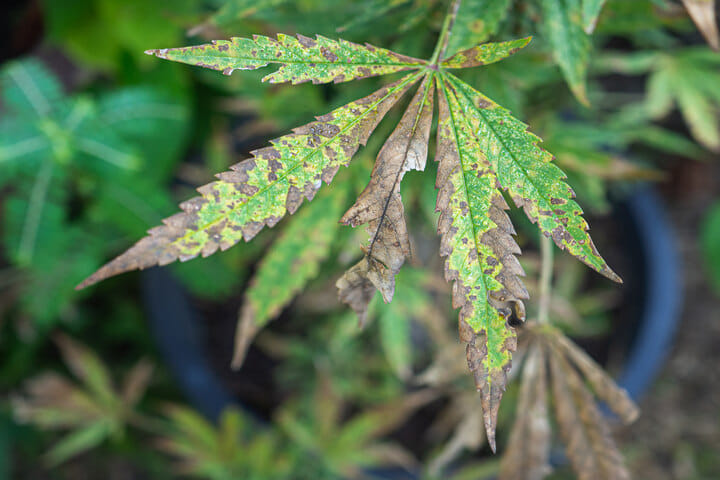
Cannabis plants can display symptoms that reveal deficiencies in crucial nutrients; for instance, yellowed leaves are symptomatic of nitrogen deficiency, while purple-hued stems often signify phosphorus deficiency. When the edges or tips of leaves show signs of burning or begin to curl, this may indicate that the plant lacks potassium. For cannabis growers, recognizing and rectifying these issues is imperative for fostering robust flowering plants. Knowing indicators and remedies for commonplace nutrient deficits ensures that their crops receive all essential nutrients for supreme growth.
Addressing these nutritional gaps entails employing specific supplements and modifying dietary plans. Early stages of phosphorus deficiency manifest as darkened foliage, which then transitions into purplish tones on stems and leaves, suggesting bluish-green discoloration. If the edges of the leaves begin to brown or turn yellow and then curl, this could indicate low potassium levels, resulting in early decay.
Similarly, revealing its lack through chlorosis—or yellowing—between veins on aging foliage while veins themselves maintain their green hue is magnesium. Yet another vital element is required by cannabis plants but is frequently found lacking within them due to various factors, such as pH imbalances hindering absorption.
Phosphorus Deficiency
A phosphorus deficiency might manifest as leaves that appear dark blue or purple, accompanied by vivid yellow tips and margins. Insufficient phosphorus can cause roots to become stunted and lead to the appearance of dark brown or black spots on foliage.
Employing fertilizers abundant in phosphorus, such as bone meal or liquid forms of this nutrient, is an effective strategy for amending a phosphorus deficit.
Potassium Deficiency
Signs that a plant is suffering from a lack of potassium are evident when the edges of leaves appear brown or as if they have been scorched, along with a noticeable sluggishness in bud development.
To remedy this shortage, one should administer supplements rich in potassium and maintain optimal pH levels to promote efficient absorption of nutrients.
Magnesium Deficiency
A magnesium deficiency often manifests first as brown patches or speckling due to reduced pH levels. This issue can be remedied by applying magnesium sulfate, known as Epsom salts, or by employing specific supplements designed for magnesium replenishment.
Effective Use of Supplements
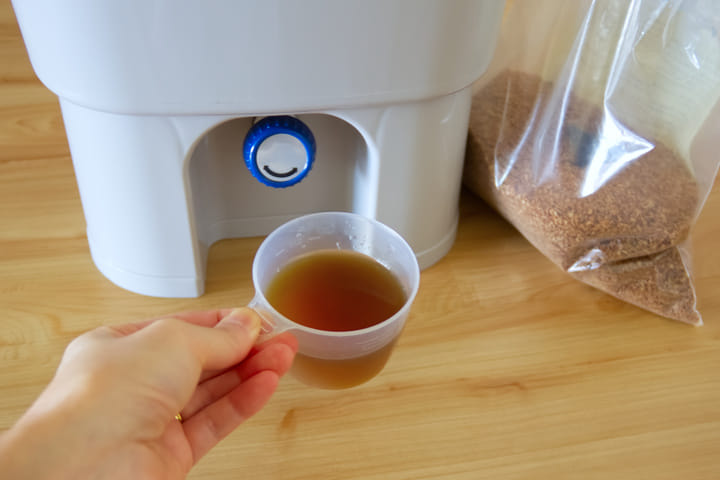
Adding supplements in the flowering phase can enhance the nutrient absorption, resilience, and health of cannabis plants. Supplements such as silica, kelp extract, and compost tea are not essential but can augment nutrition, leading to better plant vigor. Incorporating natural elements like fish emulsion and kelp extract brings advantageous compounds to the mix.
These enhancements bolster a cannabis plant’s tolerance to high temperatures and promote root development in hydroponic systems. Organic growers may find Floralicious Plus to be an excellent organic supplement choice. Utilizing these additives allows cultivators to support their cannabis plants in reaching optimal performance during their critical flowering stage.
Kelp Extract
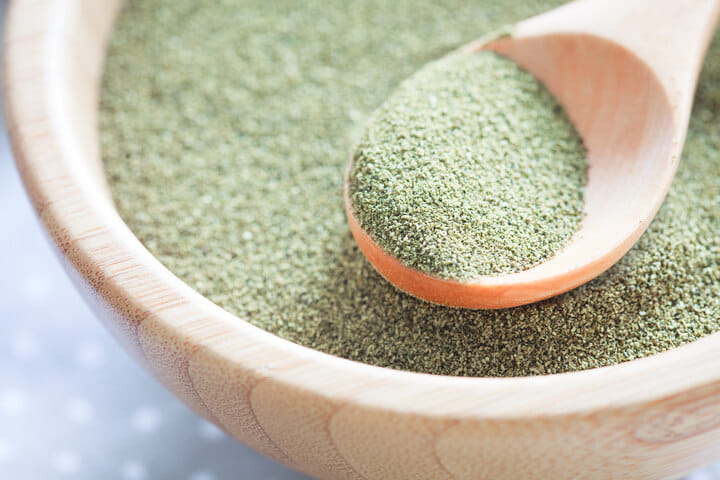
Extracted from seaweed, kelp extract offers a range of advantages for cannabis plants throughout their flowering phase. Among the benefits it delivers are:
Boosts in nutrient absorption
Root development enhancement
Greater resilience to stress and illness
Encouragement of plant growth and bloom stimulation
Enhancement in general health status
Incorporating kelp extract into your routine for growing cannabis can significantly bolster plant vigor and maximize yield potential.
This supplement aids in fortifying cannabis plants against thermal stress, rendering it an adaptable component within any nutritional schedule.
Compost Tea
Beneficial microorganisms such as mycorrhizal fungi and predatory nematodes introduced to cannabis plants through compost tea can significantly improve their health. Compost tea provides a natural alternative for nourishing cannabis without relying on harmful chemicals. It is versatile enough to be used as a foliar spray to safeguard against insect pests and in hydroponic systems with appropriately modified dosages.
Silica Supplements
During the flowering stage, incorporating silica supplements is essential for bolstering cannabis plant health. By fortifying cell walls with silica, plants gain increased resistance to various stresses, including:
Physical harm
High temperatures
Water scarcity
Pest attacks
Fungal invasions
The use of silica supplements during this critical phase can markedly enhance the durability and overall vitality of your cannabis plants.
Preventing and Managing Nutrient Burn
Damage to the roots and leaves, referred to as nutrient burn, can arise when cannabis plants are given excessive amounts of bottled nutrients. Nutrient deficiencies that resemble overwatering may also display symptoms such as browning or scorched leaf margins. To avoid nutrient burn, it’s essential to understand and provide the precise nutritional requirements for your cannabis plants only as needed. Implementing regular substrate leaching with super-weak or mild fertilizer and no additives is a crucial strategy for managing nutrient burn effectively.
Early detection of nutrient burns is crucial for stopping damage in its tracks. Signs to watch out for include tips of leaves turning yellow or brown, upward bending or curling at the tips, and leaves taking on an overly vivid green coloration. Vigilant observation of your plants and careful adjustments to their feeding schedule can help circumvent nutrient burns while promoting vigorous plant growth.
Signs of Nutrient Burn
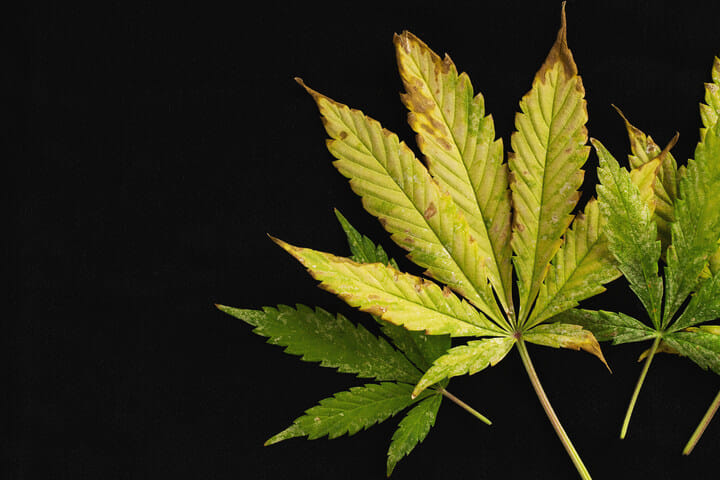
The yellowing or browning of leaf tips often signals nutrient burn. In contrast, additional symptoms such as the bending or curling of leaf tips, exceptionally bright green leaves, and edges that appear burned or scorched also point to this issue.
Early detection of these symptoms is crucial for modifying your plant feeding schedule to mitigate more damage.
Steps to Prevent Nutrient Burn
To safeguard your cannabis plants from nutrient burn, adhere to the following guidelines:
Look into the unique nutritional requirements of your specific strain of cannabis.
Administer the appropriate quantity of nutrients at the necessary intervals.
Periodically irrigating your plants with plain water can help mitigate nutrient burn and avert nutrient lockout.
By diligently implementing these measures, you will maintain optimal fertilization without subjecting your plants to excess nutrients.
Leaching Soil/Substrate Before Harvest
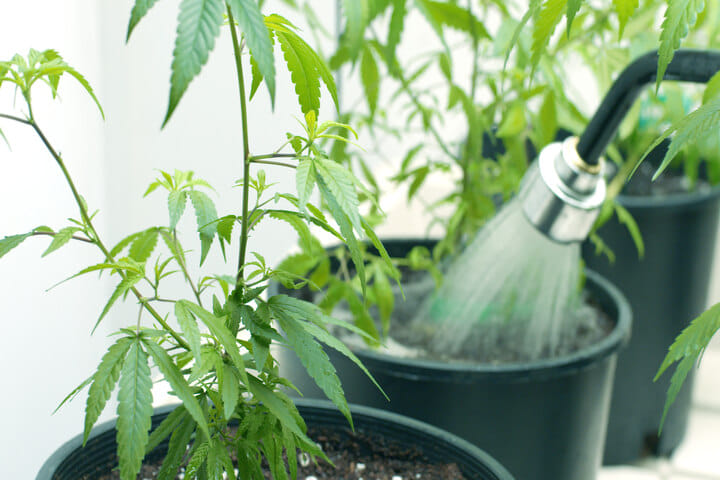
It has been proven unnecessary to purge any residual nutrient accumulation from the roots and soil of cannabis plants before harvesting. Growers believe that leaching soil, also known by the misnomer "flushing," is necessary. However, properly fertilized plants without nutrient buildup in the substrate make leaching unnecessary.
Evidence from controlled tests proves that leaching does not diminish surplus chlorophyll or yield a smoother-tasting final product with improved flavor. There is no need to initiate substrate leaching two weeks before harvest, when trichomes shift from a clear to a milky appearance. There is no evidence that this practice aligns with visual cues or changes the final product in any way.
To mitigate the risk of over-fertilization, known as “nutrient burn,” regularly irrigating your crop with water that has been adjusted for pH balance can be beneficial in leaching out excessive nutrients trapped in the soil. The suggested method entails drenching the soil with copious amounts of pH-balanced water and draining the area until the runoff water tests at or below 50 ppm on a TDS meter reading. Adhering to such measures effectively removes unwanted excess nutrients, leading to an enhanced crop at harvest time.
Timing and Leaching Substrate
It is advisable to leach soil in containerized gardens every 4-5 weeks to remove any built-up nutrients that may cause the substrate to become toxic, resulting in the "lockout" of other nutrients, causing them to have excesses or deficiencies.
Substrate leaching has nothing to do with the color or the development of trichomes from a transparent to a milky hue. The chemistry of resin glands (trichomes) and soil nutrient availability differ entirely. Somehow, rumors about leaching have become common occurrences among growers who have not been able to conduct scientific studies to learn the facts.
Methods for Leaching Nutrients from Substrates
The process of leaching encompasses several steps.
First, drench the soil thoroughly with a low-nutrient solution balanced to a neutral to slightly acidic pH level. Next, allow the solution to be fully drained from the soil until the runoff demonstrates a Total Dissolved Solids (TDS) measure of the input solution, ideally less than 50 parts per million. When employing pots for this operation, one might observe that, at first, the runoff liquid seems murky. Upon concluding the leaching procedure, clarity is expected to be restored.
Summary
To yield the highest quality buds and maximize your harvest when growing cannabis, it is essential to have a thorough understanding of the necessary flowering nutrients.
The pivotal stage of flowering requires carefully providing essential nutrients and adhering to best practices for nutrient delivery.
Sustaining optimal pH levels, promptly rectifying typical nutrient deficiencies, and judiciously utilizing supplements can improve plant health and crop output.
As you progress in cultivating cannabis plants, remember that each one has its individual needs, which must be met for successful growth.
Stay attentive to these requirements. By effectively employing the strategies outlined in this guide, you are poised to support bud development and secure an abundant harvest.
Frequently Asked Questions on How to Master Cannabis Flowering
What are the signs that the flowering stage has begun?
Once bud formation is visible and white hairs or stigmas appear on your female cannabis plants, it’s evident that they have begun the flowering stage, marking their entry into the flowering phase.
What are the ideal pH levels for flowering cannabis in soil and hydroponic systems?
For cannabis plants in the flowering stage, achieving an optimal pH range is crucial for their growth and nutrient absorption. This ideal pH window lies between 5.8 and 6.2 when grown in soil. Whereas for hydroponic setups, it extends slightly to a range of 5.5 to 6.5, supporting robust health and efficient nutrient uptake.
How can I correct phosphorus deficiency in my cannabis plants?
To ensure the healthy growth of your cannabis plants and tackle a phosphorus deficiency, it is recommended that you utilize fertilizers high in phosphorus content, like bone meal or liquid variations of this nutrient. This intervention will provide the necessary amount of phosphorous to compensate for its scarcity within the plants.
What are the benefits of using kelp extract for cannabis plants?
Incorporating kelp extract into the care of cannabis plants can improve their absorption of nutrients, foster root growth, and bolster resilience to thermal stress. This is attributed to the beneficial compounds, trace elements, and plant growth hormones that kelp extract contains.
When should I leach (flush) my cannabis plants before harvest?
Leach the soil/substrate to remove excess nutrients and prevent toxic buildup that causes imbalances. This nutrient imbalance causes some or many other nutrients to be deficient or in excess. Nutrient imbalances lower overall yields. Scientific evidence proves no correlation between soil nutrient chemistry and resin gland (trichome) synthesis. No scientific evidence proves there is a relationship between trichome appearance and soil/substrate content. When grown properly, your flowers will be flavorful and taste smooth.


