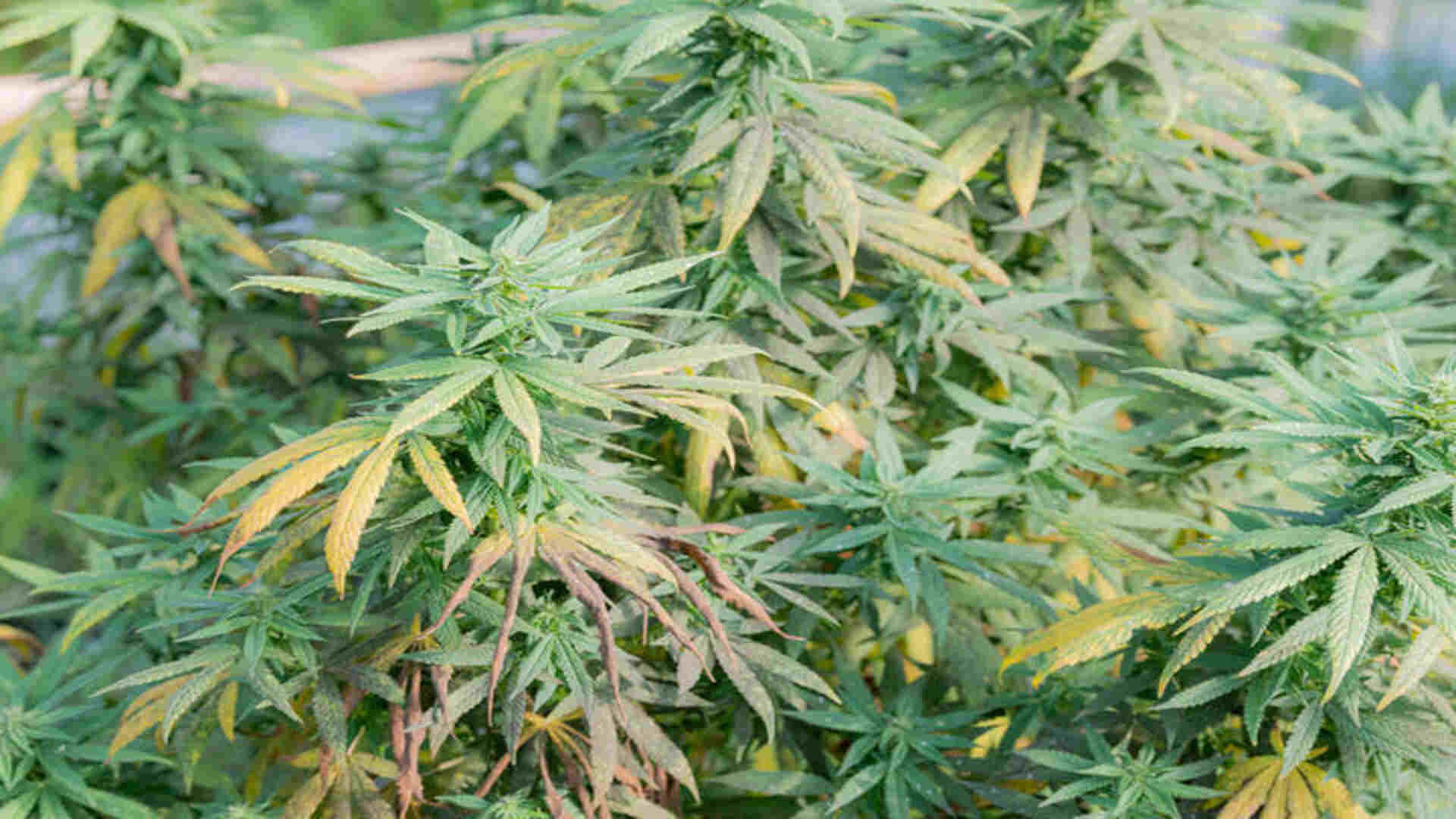
Flowering is one of the most critical stages in the cannabis growth cycle, where plants focus their energy on producing buds rich in cannabinoids. However, this stage is also troubled with challenges that can affect the quality and yield of your harvest. This article will explore some of the most common problems encountered during the flowering phase and provide practical solutions to help you avoid them. We'll cover nutrient deficiencies, bud rot, broken branches, pest pressure, and the strong smell that can attract unwanted attention.
The issues covered in this article are based on years of consulting with growers and highlight the most frequently encountered challenges they ask face.
Identifying and Correcting Nutrient Deficiencies in Flowering Cannabis
Nutrient deficiencies are a common issue during the flowering stage and can significantly impact bud development. Cannabis plants require different nutrient levels during flowering compared to the vegetative stage. Essential nutrients like phosphorus and potassium become more critical, while nitrogen needs decrease. However, the plant's demand for other micronutrients, like magnesium and calcium, can also spike.
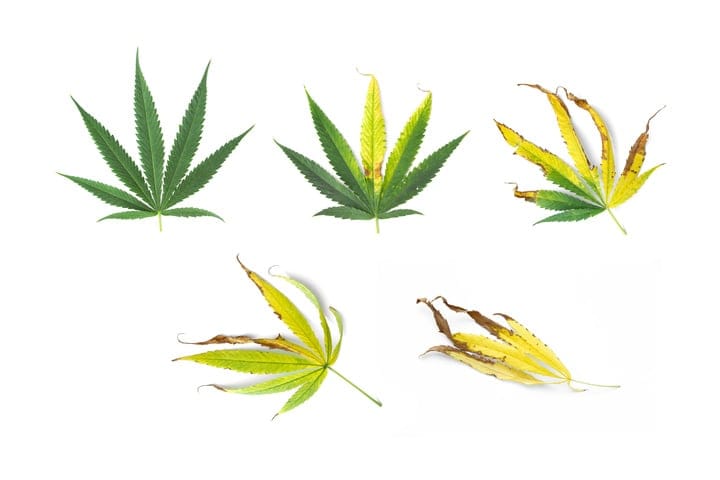
Common Signs of Nutrient Deficiencies
Yellowing Leaves: A sign of nitrogen deficiency, which, although less needed in flowering, is still essential.
Purple Stems: Often a sign of phosphorus deficiency, critical for bud development.
Interveinal Chlorosis: Indicates magnesium deficiency, leading to yellowing between the veins of the leaves.
Brittle or Brown Leaf Edges: A sign of potassium deficiency.
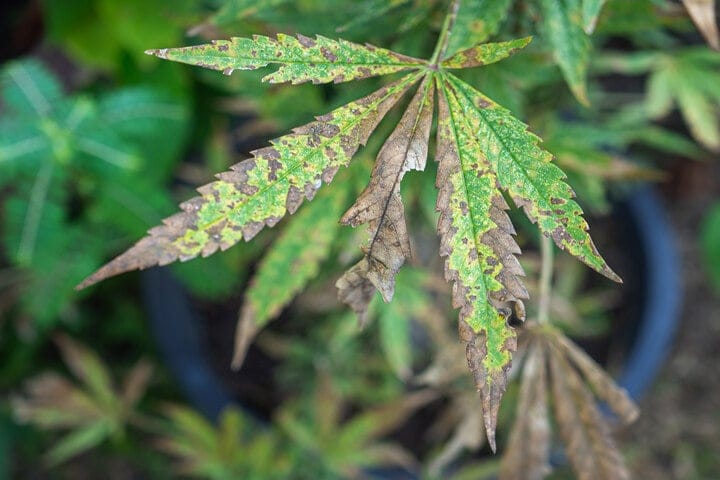
Brown Spots: These spots near the leaf edges often accompany calcium deficiency.
How to Avoid and Fix Nutrient Deficiencies
Balanced Feeding: Transition to a bloom-specific nutrient formula with the correct NPK (Nitrogen, Phosphorus, Potassium) ratio. These formulas are designed to meet the specific needs of flowering cannabis.
Soil Testing: Regularly test your soil or growing medium's pH and nutrient levels to ensure they are within the optimal range (pH 6.0-6.8 for soil).
Supplementation: After reviewing soil test results, you can adjust your nutrients with amendments. Often, these deficiencies are a result of over-amending, so make sure you test before applying.
Cannabis is a heavy feeder, particularly during its flowering stage, requiring a well-balanced diet of nutrients to thrive and produce high-quality buds. However, despite best efforts, deficiencies can occur due to nutrient imbalances or environmental factors like pH levels. One of the most common issues leading to deficiencies is nutrient lockout, where an excess of certain nutrients or improper pH levels prevents the plant from absorbing essential elements.
By understanding the signs of deficiencies, monitoring your plants closely, and maintaining optimal growing conditions, you can prevent nutrient lockout and ensure your cannabis plants remain healthy and productive throughout their growth cycle.
Preventing and Managing Bud Rot in Cannabis
Bud rot, or Botrytis cinerea, is a fungal disease that can devastate your cannabis crop if not managed properly. It usually starts inside the buds, making it difficult to detect until it's too late. The primary culprits are high humidity levels, poor air circulation, and tissue damage from pest pressure.
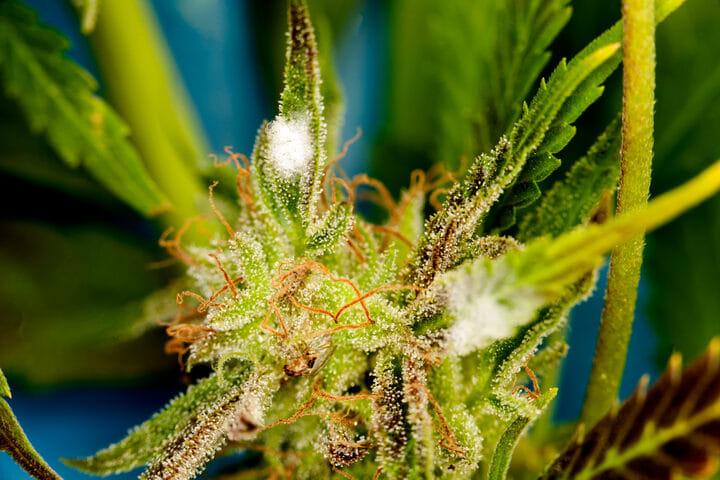
Signs of Bud Rot
Brown or Gray Mold: Visible mold inside the buds, often starting from the stem and spreading outward.
Discolored or Wilted Buds: Buds may appear discoloured, soft, or dry.
Foul Odor: Infected buds may emit a musty or rotten smell.
How to Prevent and Manage Bud Rot
Control Humidity: Keep the humidity level below 50% during flowering to reduce the chances of mold formation. Dehumidifiers can be particularly useful in indoor grows.
Improve Air Circulation: Ensure adequate spacing between plants and use oscillating fans to promote airflow around the buds.
Inspect Regularly: Regularly check your plants for signs of bud rot, especially after heavy rain or watering. Remove and destroy any affected buds immediately to prevent the spread of the fungus.
Proper Pruning: Prune lower branches and leaves to improve airflow and reduce the chance of moisture build-up.
Treat Caterpillars: Spray your outdoor plants with Bacillus thuringiensis kurstaki (Bt). This soil-dwelling bacterium is a biological control agent that kills caterpillars, which burrow through buds, leaving botrytis in their wake.
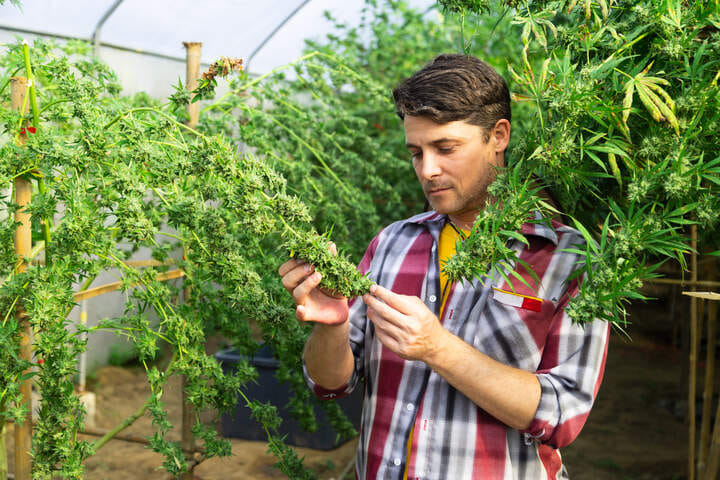
Bud rot is a highly destructive fungal disease that can spread rapidly through a cannabis crop due to its immense number of airborne spores. If left unattended, bud rot can decimate an entire harvest, making early detection and intervention critical.
Once you spot bud rot, it's essential to carefully cut away the affected portions, taking care not to disturb the spores and spread the infection further. To help outcompete the fungus, consider spraying your plants with beneficial microbes like Bacillus subtilis and Trichoderma, which can inhibit the growth of harmful pathogens.
After harvest, a hydrogen peroxide bud wash can help eliminate lingering spores and reduce the risk of mould spreading during drying. By taking these proactive steps, you can protect your crop and minimize the damage caused by this aggressive disease.
Preventing and Repairing Broken Branches in Flowering Cannabis
As cannabis plants progress through the flowering stage, the weight of their growing buds can sometimes lead to branch breakage, especially in strains that produce large, heavy colas. This can be particularly problematic when the plant isn't adequately supported, leading to snapped branches that can hinder overall plant health and reduce your yield. Properly supporting your plants and carefully managing their growth can help prevent these issues, ensuring that your cannabis plants thrive and produce the best possible harvest.
Common Causes of Broken Branches
Heavy Buds: The weight of large buds can cause branches to snap, especially if they are not adequately supported.
Wind Damage: Outdoor plants are susceptible to wind, which can break or bend branches.
Training Stress: Overtraining or improperly supporting branches can lead to breakage.
How to Prevent and Repair Broken Branches
Use Support Systems: Install trellises, stakes, or plant yo-yos to support heavy branches and prevent them from breaking.
Gentle Training: When using LST or SCROG, do not apply too much pressure when bending branches. Gradually adjust them over time.
Immediate Repair: If a branch breaks, it can often be repaired using plant tape or grafting techniques. Splint the branch and secure it with tape, allowing it to heal over time.

After all the time, effort, and care you've invested in growing your cannabis plants, losing a branch—and the precious buds it carries—to a break can be incredibly disheartening. Broken branches reduce your yield and stress the plant, potentially affecting the quality of the remaining buds. It's crucial to provide adequate support, regularly monitor the weight of your colas, and gently guide your plants as they grow. By taking these precautions, you can ensure that your cannabis plants remain solid and healthy, allowing you to enjoy the total rewards of your cultivation efforts.
Managing Pest Pressure on Flowering Cannabis Plants
Pests like spider mites, aphids, and thrips can wreak havoc on cannabis plants, especially during flowering when plants are most vulnerable. Pests not only feed on the plants but can also spread diseases that further compromise the health of your crop.
Common Pests in Flowering Cannabis
Spider Mites: These tiny pests can cause significant damage by feeding on the plant's sap, leading to stippling and leaf drop.
Aphids: Often found on the undersides of leaves, aphids can weaken plants by sucking their sap and excreting honeydew, which attracts mould.
Thrips: These pests cause silver streaks on leaves and can transmit viruses to the plant.
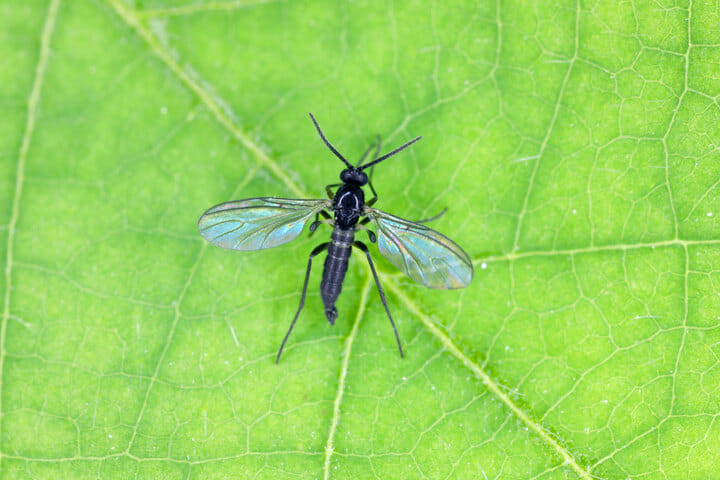
Fungus Gnats: Tiny black flying insects that thrive in moist soil. They can get stuck in sticky buds, diminishing the quality of your flower.
How to Prevent and Manage Pests
Regular Monitoring: Inspect plants regularly, especially the undersides of leaves, for early signs of pests.
Biocontrols: Attract beneficial insects through companion planting and utilize pest-specific microbial sprays to manage and control pest populations naturally.
Organic Sprays: Use flower-safe insecticidal soaps, neem oil (before the buds develop), or essential oil sprays to control pests without harming the buds. Always avoid spraying buds directly.
Sanitation: To prevent the introduction of pests, keep your grow area clean, remove dead leaves and plant debris, and sterilize tools.
When dealing with cannabis pests, it's essential to exercise caution when growing indoors, as pests introduced into a controlled environment lack natural predators and can quickly become a significant problem. However, in outdoor settings, pests are a natural part of the ecosystem and usually won't cause significant damage if your garden is balanced with beneficial insects and other natural controls. By maintaining a healthy ecosystem, you can manage pest populations effectively and ensure your cannabis plants thrive without resorting to harsh chemical treatments.
Managing the Strong Smell of Flowering Cannabis
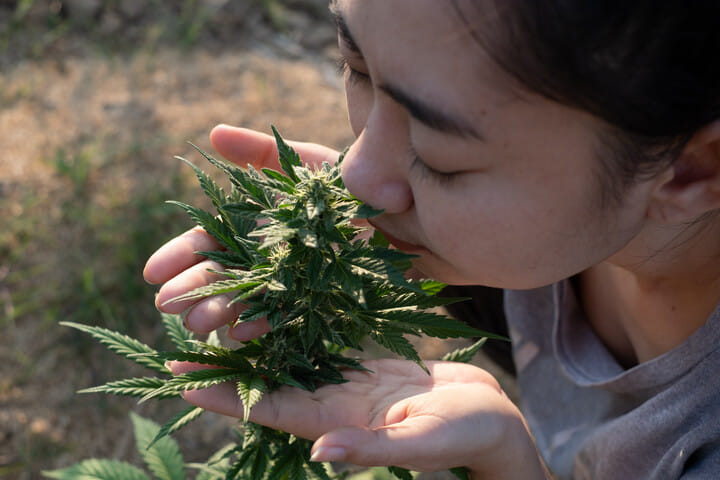
Cannabis plants, especially certain strains, can produce a strong odor during flowering. While the smell indicates healthy plants rich in terpenes, it can attract unwanted attention from neighbours or thieves.
Why Does Cannabis Smell Strong?
Terpene Production: Terpenes are aromatic compounds that give cannabis its distinct smell. During flowering, terpene production increases, intensifying the odour.
Strain Differences: Some strains naturally produce stronger smells than others, with Skunk, Diesel, and certain Kush varieties particularly pungent.
How to Manage the Smell
Carbon Filters: Use carbon filters in your ventilation system to scrub the air of odours before it exits the grow space.
Odor-Absorbing Gels: To reduce the smell, place odor-absorbing gels or air fresheners near the exhaust of your grow space.
Outdoor Considerations: If growing outdoors, consider planting aromatic companion plants like lavender, mint, or rosemary nearby to help mask the cannabis odour.
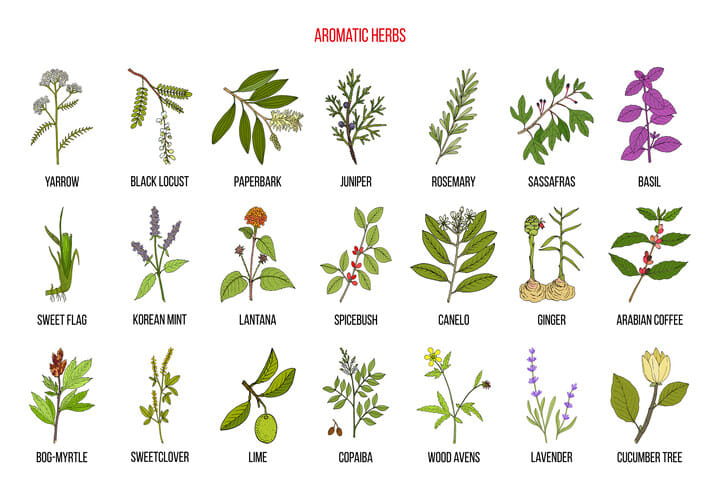
Indoor growers should read our full article on how to smell proof your cannabis grow room.
The distinctive smell of cannabis, while beloved by many, can become a nuisance to neighbours and generate unwanted attention. This is especially concerning if you're renting your home, as strong odours can lead to issues with landlords who may not support your grow. And when growing outdoors, the potent aroma can attract thieves, putting your hard-earned crop at risk. It's crucial to manage cannabis odours effectively, ensuring that your growth remains discreet and secure.
Conclusion
Flowering is a rewarding yet challenging phase in the cannabis growth cycle. Understanding and addressing common problems like nutrient deficiencies, bud rot, broken branches, pest pressure, and pungent odours can significantly improve your chances of a successful harvest. Regular monitoring, preventive measures, and quick response to issues will ensure that cannabis plants thrive during flowering and produce high-quality buds.