


Picture this: you just finished consuming an edible—your third in three hours. You’re not planning on doing anything productive – just deciding whether to nap or order pizza. Then…boom - cue the greening out. Your vision blurs. You’re convinced the curtains are talking to you. And that pizza? Now sounds like rocket fuel for nausea.
Welcome to the sweaty palms, queasy gut, “why-did-I-do-this” moment we affectionately call greening out. Not quite a medical emergency but definitely a good time gone bad. Let’s unpack what’s happening to your brain and body, and look at the science and data behind the hell that is greening out.
What is Greening Out?

At its core, greening out is acute cannabis over-intoxication. It’s a step or two beyond being simply too high. You get to experience a whole host of awful symptoms, including profound nausea – that unsettling “I’m going to vomit” feeling – dizziness or lightheadedness (usually from low blood pressure or anxiety), and the unbridled joy that is sweating, trembling, and rapid heartbeat – not quite panic attack territory, but not far off. Throw in a hefty side order of paranoia, and you’re greening out [1].
Consuming too much marijuana can overwhelm the body's endocannabinoid system, particularly the CB1 receptors, resulting in a range of physical symptoms such as nausea, dizziness, and rapid heartbeat. Recognizing these physical symptoms is important to prevent further discomfort.
This is your body’s way of telling you you’ve overdone it and you need to slow down. Greening out is acute, but it’s often self-resolving and generally not dangerous – although it’s definitely memorable. Ask around your circle of buddies, almost all of them have a good greening out story.
Why Does Greening Out Happen?
Greening out can be caused by several factors, including the following:
Delayed Onset with Cannabis Edibles
This is a fairly common cause of greening out, where you think your edible hasn’t worked, so you eat more. This can result in unintentionally consuming high doses of THC, which increases the risk of greening out. Two hours later? You’re spiralling. The key with edibles is to remember they don’t take effect as quickly as other methods such as smoking a joint or ripping from a bong. In fact, it can sometimes take an hour or more for edibles to kick in. Start low (dose), go slow (give it plenty of time to take effect), and you can avoid greening out.
The Partial Agonist Nature of THC
THC is the primary psychoactive compound in cannabis, responsible for the characteristic effects and the 'high' sensation. As a psychoactive compound, THC can overstimulate your cannabinoid receptors, and if this happens, your body and brain will send you a strong and clear message.
Individual Tolerance
One person’s mellow cookie or lightly-dusted joint is another person’s trip down paranoia lane. Individual genetics, tolerance, metabolism – all shape your high [2]. Body weight also plays a significant role in determining how much THC you can tolerate before experiencing greening out, as it affects THC absorption and sensitivity. Have you ever tried keeping up with a hardcore stoner? It can end in disaster if you try to go joint for joint with a seasoned pothead. Know thy limit, and remember you might feel great after a couple, but constant redosing can (will) lead to greening out.
The Science Behind Greening Out: How It Goes Down
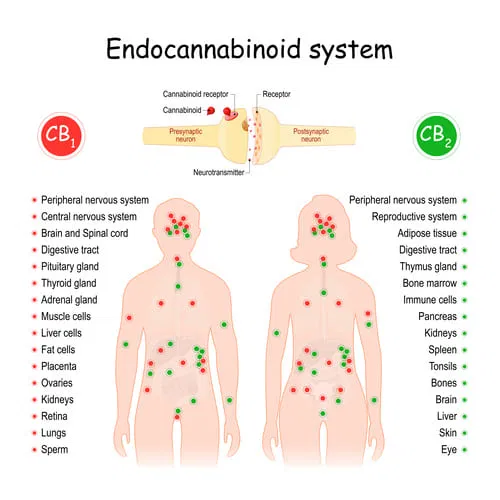
To understand greening out, you need to meet your endocannabinoid system (ECS). The ECS is a complex, cell-signalling network that regulates mood, appetite, memory, sleep, and the body’s stress response. It’s made up of three main components:
Endocannabinoids – molecules like anandamide and 2-AG, which are naturally produced by the body.
Cannabinoid Receptors – CB1 receptors are abundant in the brain and central nervous system, while CB2 receptors are found mainly in the immune system and peripheral tissues.
Enzymes – such as FAAH and MAGL, which break down endocannabinoids once they’ve done their job [3].
Cannabinoids like THC and CBD are derived from the cannabis plant and interact with the ECS to produce various effects, including both psychoactive and medicinal outcomes.
The endocannabinoid system functions as a kind of internal balancing act – scientists call this homeostasis. When stress spikes, the ECS steps in to dampen it. When appetite wanes, the ECS helps regulate hunger. In short, it’s your body’s built-in chill manager.
How THC Can Overload The ECS
THC works because it mimics anandamide, one of the body’s natural cannabinoids. It binds to CB1 receptors in the brain and alters neurotransmitter release, which is what creates cannabis’ characteristic high [4].
But while your body’s endocannabinoids operate with precision, THC floods the system like a blunt instrument. When CB1 receptors are overstimulated, several things happen:
The hipppocampus (memory centre) falters, leading to confusion or disorientation.
The cerebellum (balance and coordination) gets disrupted, making you dizzy or clumsy.
The amygdala (anxiety centre) can go into overdrive, producing paranoia or panic.
Blood pressure may drop, leading to dizziness, lightheadedness, or even fainting [5].
This overstimulation can result in THC toxicity, sometimes referred to as THC overdose or marijuana overdose. These conditions occur when excessive THC overwhelms the endocannabinoid system, leading to the unpleasant symptoms associated with greening out.
Essentially, greening out is your endocannabinoid system waving the white flag under an onslaught from THC.
Why All Consumption Methods Play A Role In Greening Out
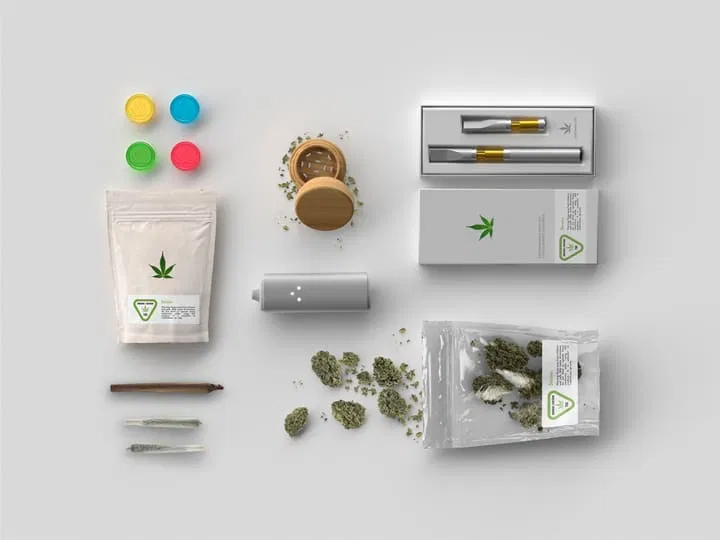
Every consumption method has its own greening out risk profile.
Smoking joints or bongs delivers THC rapidly to the bloodstream, especially if you’re chain-smoking or hitting high-THC strains [6].
Various cannabis products and marijuana products, including edibles, concentrates, and high-THC cannabis strains, can all contribute to the risk of greening out depending on the amount of cannabis consumed.
Vaping often delivers higher concentrations per puff than smoking, which can overwhelm quickly.
Dabbing concentrates can contain upwards of 70-90% THC – powerful enough that even seasoned users might misjudge their limits.
Edibles convert THC into 11-hydroxy-THC in the liver, a metabolite that’s stronger and crosses the blood brain barrier more efficiently, leading to longer, more intense highs.
In other words, no matter how you consume, there’s always the chance of overshooting and landing behind enemy lines - in greening out territory.
How Individual Variability Among Cannabis Users Affects Greening Out

One of the most fascinating aspects of greening out is how unpredictable it is. Two people can consume the same strain, in the same setting, and have wildly different outcomes.
This variability comes down to:
Individual differences, including genetics and pre-existing mental health conditions, can lead to an increased risk of greening out.
Genetics
Variability in the CNR1 gene, which encodes CB1 receptors, may affect how strongly someone responds to THC.
Metabolism
Liver enzyme activity (notably CYP2C9) influences how quicly THC and its metabolites are processed.
Sex differences
Women may experience stronger psychoactive effects due to higher 11-hydroxy-THC production.
Tolerance
Regular users often downregulate CB1 receptors, meaning their brains are less sensitive to THC over time.
These differences explain why one person might be blissfully stoned while another is face-down on the rug begging the universe for mercy.
Symptoms of Greening Out

So, how do you know if you’re greening out and not just riding a particularly wild high? The symptoms of greening out are hard to miss and can range from mildly unpleasant to downright alarming. Common symptoms include a wave of nausea (sometimes leading to vomiting), dizziness, rapid heartbeat, and sweating. You might also feel intense anxiety, paranoia, or even experience hallucinations—none of which are on anyone’s list of fun side effects.
In more severe cases, greening out can trigger panic attacks, abdominal pain, and spikes in blood pressure. These physical and psychological symptoms can be overwhelming, especially if you’re not expecting them. If you or someone you’re with starts experiencing these symptoms and they don’t subside—or if they get worse—it’s important to seek medical attention. Don’t try to tough it out if you’re feeling truly unwell; getting help can make all the difference.
Risks and Dangers of Greening Out
While greening out is rarely life threatening for most healthy adults, it’s not without its risks—especially if you’re consuming too much cannabis or mixing it with other substances. One of the biggest concerns is the strain it can put on your heart and blood pressure. For people with pre-existing heart conditions, a rapid heartbeat or spike in blood pressure could be dangerous.
There’s also the risk of impaired judgment and coordination, which can lead to accidents or injuries—think tripping, falling, or making questionable decisions. Repeated episodes of greening out may be a sign of marijuana abuse or even cannabis addiction, especially if you find yourself unable to moderate your cannabis consumption. If you’re regularly pushing past your limits, it might be time to consider seeking professional help to avoid long-term health risks and the development of a marijuana use disorder.
Are You Experiencing Greening Out Symptoms? Or Are You Just Too High?
It’s worth distinguishing greening out from simply being too high. Feeling high often comes with euphoria, relaxation, and altered perception. Greening out, by contrast, is when the high turns against you – your body tips from feeling chill to feeling sick.
Further Reading: I'm Too High - Now What?
If you’re sweating, nauseated, panicking and considering calling an ambulance, you’ve gone beyond too high and are greening out. The greening out experience often includes both physical and mental symptoms, such as anxiety, paranoia, and confusion. These mental symptoms can be especially intense if marijuana is mixed with other substances or mental health medications. The good news is, in most cases, it passes within a few hours as your body metabolises the THC.
Prevention Strategies: Staying Out of the Green Zone

The best way to deal with greening out? Don’t let it happen in the first place. Prevention starts with knowing your personal tolerance levels and respecting them. If you’re trying a new cannabis product or strain, start with a low dose and give it plenty of time to kick in—especially with edibles, which can take a while to show their full effects.
Staying hydrated by drinking water and keeping your blood sugar stable with regular, balanced meals can help your body handle cannabis more smoothly. Avoid mixing cannabis with other substances like alcohol (aka crossfading) or certain medications, as this can dramatically increase your risk of greening out and other adverse effects.
Choose a safe, comfortable environment and surround yourself with people you trust—having a supportive crew can make a big difference if things start to go sideways. And remember, even regular cannabis users need to check in with themselves and adjust their consumption habits as needed. A little mindfulness goes a long way in preventing greening out and keeping your cannabis experiences positive.
Further Reading:Greening Out: Why And How To Fix It
Conclusion: Weed and Staying Out of the Green Zone
Greening out is the body’s way of saying you’ve overdone it. Whether it’s joints, vapes, dabs, or edibles, the mechanism is the same – THC overstimulates the endocannabinoid system, tipping the body into nausea, dizziness, anxiety or worse.
Understanding the science doesn’t necessarily prevent greening out, but it can make you more mindful of how cannabis works in your body. If nothing else, next time you find yourself sweating on the bathroom floor, you can console yourself with the knowledge that your hippocampus, amygdala, and CB1 receptors are just having a bit of a rave.
Pace yourself, hydrate, and remember: Stay golden. Not green.
----------------------------------------------------------
References:
[1] Cannabinoid Toxicity - Statpearls
[2] An Individuality of Response to Cannabinoids: Challenges in Safety and Efficacy of Cannabis Products
[3] The role of the endocannabinoid system in the brain-gut axis
[4] The endocannabinoid system and the brain
[5] The role of the endocannabinoid system in the brain-gut axis
[6] Harmful Effects of Smoking Cannabis: A Cerebrovascular and Neurological Perspective