

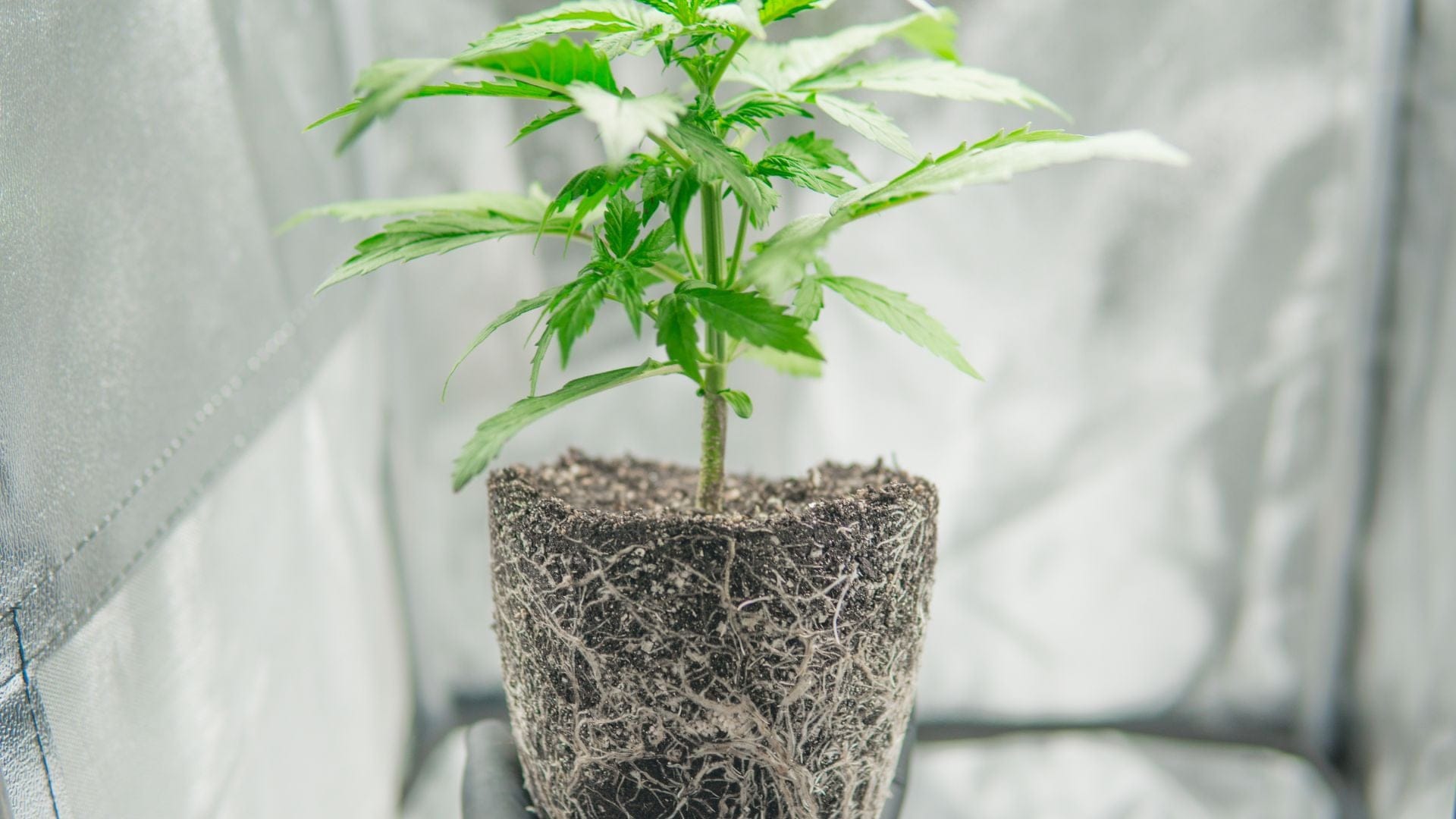
As regulations relax and cultural acceptance grows, we're witnessing an explosive interest in the varied applications of the cannabis plant. For many, this means exploring its textile, recreational, or medicinal applications. Typically, the focus is on the flowers, leaves, and stalks – the above-ground portions that are most familiar and accessible. But an overlooked component of the plant offers a wealth of untapped potential: the cannabis roots.
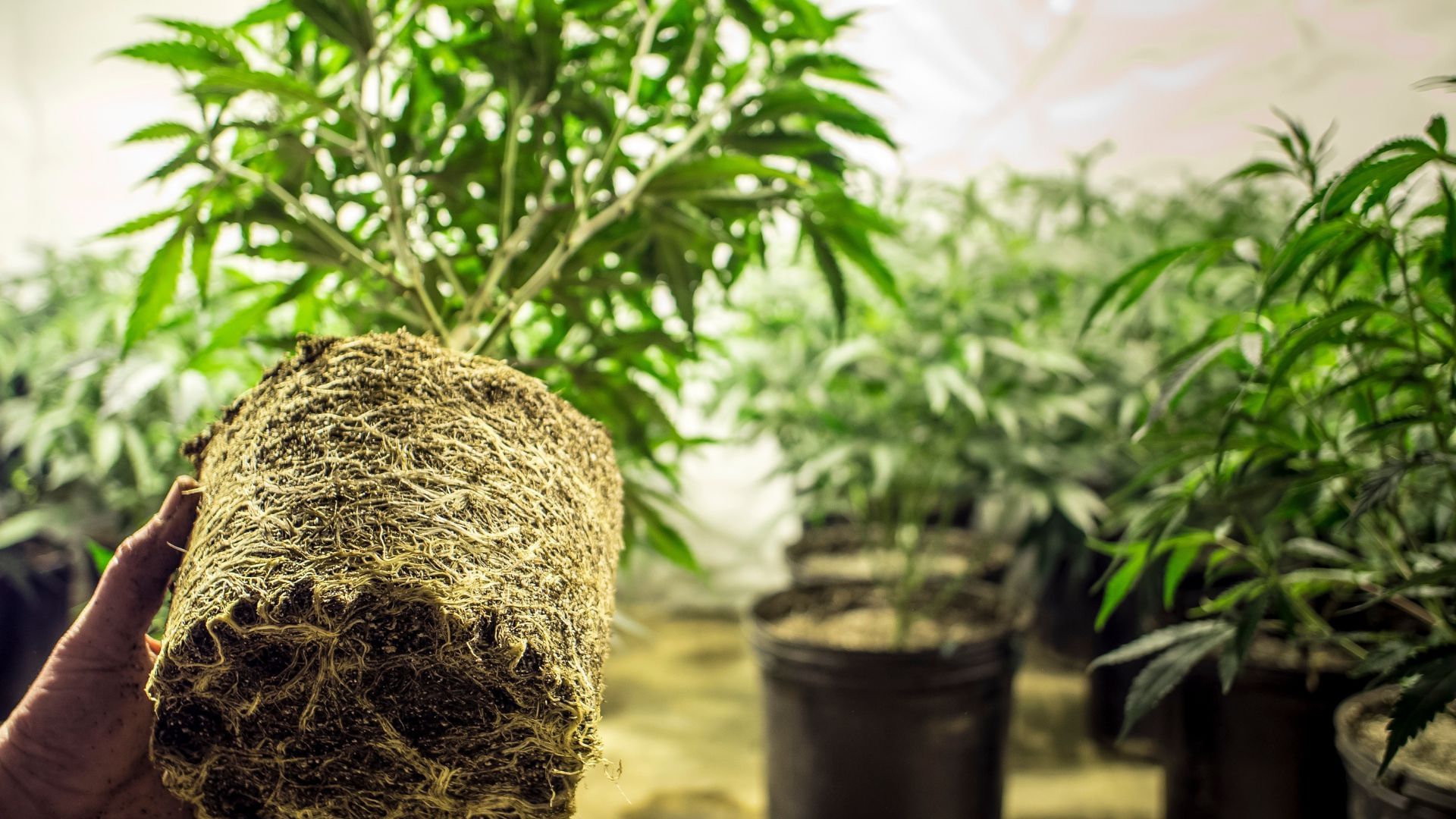
Beyond the cannabis roots supplying the plant with nutrients and water, the roots also create a strong structural foundation for the plant. Nutrient uptake by the roots is well documented, but what is lesser known is the roots also expel compounds. Within this in-and-out system, nutrients, antioxidants, and even carbohydrates can be exchanged, as well as ions, alkaloids and various phytohormones.
Everyone knows healthy roots usually mean healthy cannabis plants; good nutrient balance can aid in providing big yields and give more resources for synthesizing cannabinoids and terpenes. However, the compounds within the cannabis roots also hold essential value. Antioxidants and anti-inflammatories seem abundant, but to understand this better, we must look at how these have been used for medicinal purposes throughout history. From ketones to analgesic effects, breaking down the phytochemistry and the effects of cannabis compounds can uncover many extracts for therapeutic use.
Historical Roots of Cannabis…. Roots!
Peering into history, we find evidence of the many therapeutic uses of cannabis roots, and this goes beyond the lotions and potions you may first think of. Ancient civilizations from diverse parts of the globe have consistently turned to these root extracts as a remedy. The applications span an impressive spectrum, from treating joint pain, skin burns, and gout to aiding childbirth. Often, the roots would be boiled, converting them into easily applicable or consumable forms.

Historical records provide a profound understanding of how integrally cannabis roots were woven into ancient medical practices. Civilizations spanning different continents and timelines turned to these roots as reliable remedies.
Their applications were as diverse as the cultures themselves. Here are a couple of examples:
1. Ancient China: As early as 2700 BCE, the legendary Chinese Emperor Shen Nong, often regarded as the father of traditional Chinese medicine, documented the medicinal properties of cannabis in his 'Pen Ts’ao Ching'. Cannabis roots were commonly used to treat pain, especially joint pain. They were pulverized into a paste and applied to areas experiencing pain, providing an early form of topical relief.
2. Roman Empire: Pedanius Dioscorides, a Greek physician in the Roman Empire, wrote the 'De Materia Medica' around 50 AD. This pharmacopeia mentioned the use of cannabis roots for the treatment of gout, an arthritic condition. Patients would be advised to soak the roots and then create poultices to apply directly to the inflamed joints, offering a soothing effect.
3. Medieval Europe: Throughout the Middle Ages, European doctors used cannabis roots and found applications in treating skin ailments. Burns, cuts, and abrasions were often treated with cannabis root salves. The roots would be boiled down, combined with fats or oils, and applied topically to accelerate healing and reduce the risk of infections.
4. Ancient India: Cannabis has been an integral part of Ayurveda, the traditional Indian system of medicine. While most are familiar with 'bhang', a cannabis-infused drink, few know that cannabis roots were also used to aid women during childbirth. These roots would be boiled and given to women post-delivery to alleviate pain and induce a calming effect, assisting their recovery.
5. Edinburgh Royal Infirmary: In the 18th century, doctors observed varied therapeutic outcomes with cannabis extracts. At the Edinburgh Royal Infirmary in December 1845, Dr. Robertson treated a Highland Porter with chronic asthma and bronchitis using a grain of cannabis extract. An hour later, the man claimed he had visited heaven and exhibited unusually enthusiastic behavior. This reaction suggests the presence of THC in the extract; however, in other accounts, whole plants, including roots, were used.
A Modern Oversight
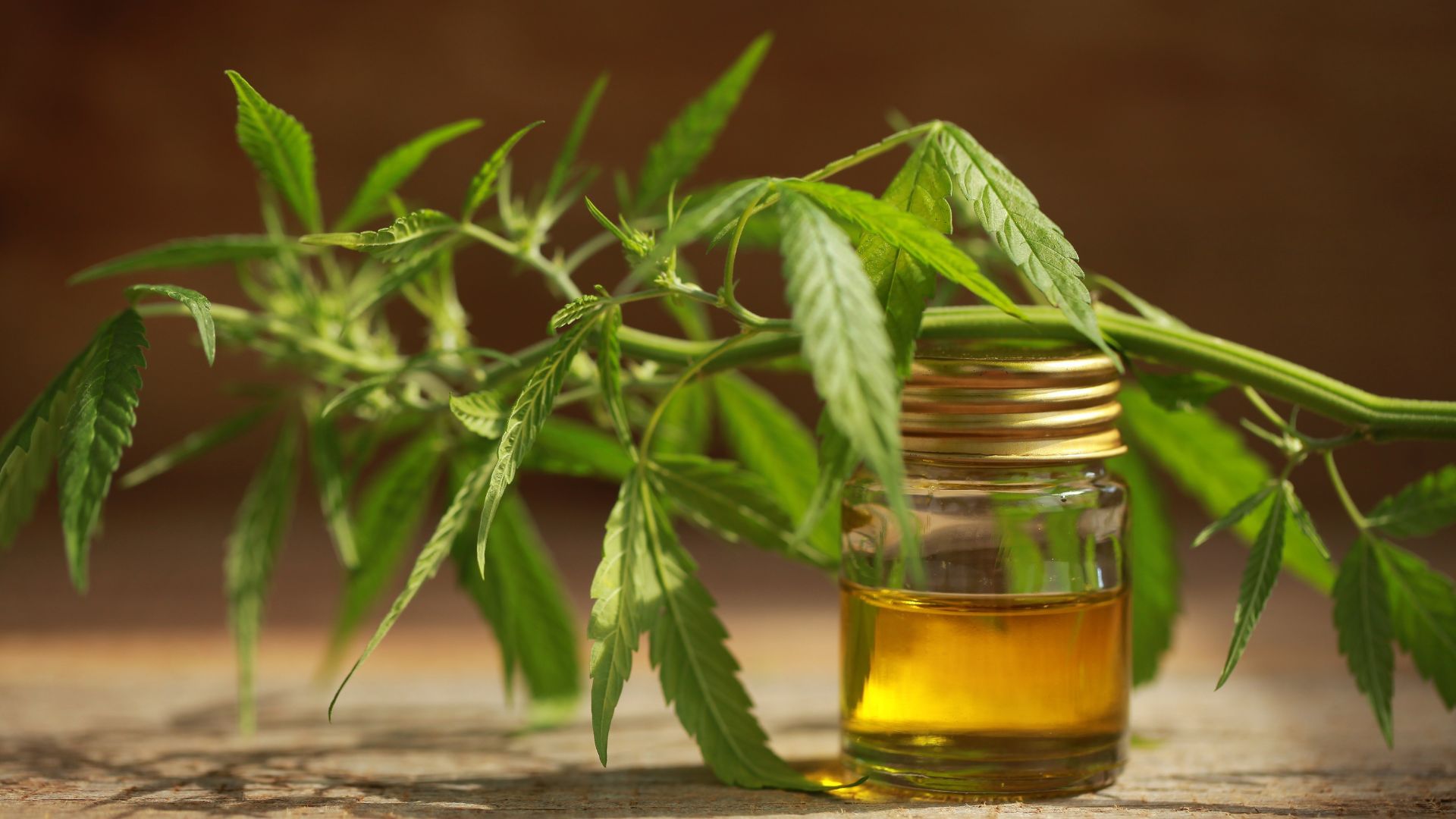
Often, the preferred method of preparation involved boiling the roots. This not only purified them but also helped in extracting the active compounds. The resultant concoction could be used directly, or the boiled roots could be further processed into pastes, salves, or poultices, depending on the ailment they were intended to treat. The universality of these practices across different cultures testifies to the cannabis root's revered position in ancient medicinal practices. These historical usages should prompt us to ask: Why have modern research and popular narratives drifted so far from these roots?
While cannabis research is abundant, mainly focusing on its high-profile cannabinoids such as THC and CBD, the roots garner far less attention. This oversight is especially surprising given the historical breadth of root-based applications. With studies showing various potentials in root compounds at the research level, from cancer cell destruction to liver protective properties, much remains to be gained from the roots.
Cannabis Root Phytochemicals: Beyond Cannabinoids
While it's true that the roots don't house the famous cannabinoids we've come to associate with cannabis, they're far from devoid of valuable compounds. A deep dive into their chemistry reveals a plethora of active molecules potentially ripe for therapeutic applications:
Triterpenoids - Among these are Friedelin and Epifriedelanol. Triterpenoids are a class of chemical compounds known for their therapeutic potential. Friedelin, for instance, has shown its prowess in certain studies, offering anti-inflammatory effects, reducing pain, and even showcasing promise in rodent studies for treating conditions like diabetes. On the other hand, Epifriedelanol is emerging as an impressive molecule with antitumor capabilities and cytotoxic mechanisms.
Monoterpenes - Compounds like carvone and dihydrocarvone, common in many essential oils, are also present in cannabis roots. Their potential effects range from aromatic properties to potential therapeutic applications.
Phytosterols - Otherwise known as sterols, these are naturally occurring compounds found in the cell membranes of plants. Sitosterol and campesterol are two such phytosterols in cannabis roots. They're known for their anti-inflammatory properties and potential to lower cholesterol.
The Entourage Effect and the Importance of Holistic Approaches
One of the prevailing theories in the cannabis research community is the "entourage effect." This idea posits that the combined effect of the plant's various compounds may offer more significant therapeutic benefits than individual isolates. In simpler terms, the whole might be greater than the sum of its parts. This theory raises crucial questions for both researchers and home growers. Should the focus shift from just the aerial parts to a more holistic approach that includes the roots?
For small-scale home growers, this could mean a comprehensive cultivation strategy, considering the entire plant and its lifecycle. The root's potential benefits could be incorporated into various home remedies, skincare products, or even culinary applications.
Looking Ahead: An Area Ripe for Exploration
While the preliminary evidence suggests multiple beneficial compounds in cannabis roots, extensive research is essential. As the cannabis industry progresses, we anticipate more clinical trials using both full-spectrum extracts and isolates. The hope is that, as this happens, attention will also turn to lesser-known compounds like triterpenoids. The sheer number of phytochemicals present in the cannabis root and their potential synergistic effects suggest that we might be on the brink of unearthing novel therapeutic avenues. These avenues could provide alternative solutions, potentially rivalling or even surpassing some contemporary pharmaceutical options.
Harnessing the entire plant not only reduces waste, leading to an increased product yield, but also allows for diversification with products like root-based creams, balms, and tinctures. This approach offers avenues for premium branding, aligns with eco-friendly practices that resonate with modern consumers, and fosters innovative research and development opportunities.
Whole-plant utilization also equips growers with economies of scale, effectively reducing production costs while expanding product range. By encompassing every part of the plant in their business strategy, commercial growers can attain a competitive edge, catering to a niche and growing segment of informed consumers. This holistic approach not only reinforces sustainability but also amplifies profitability in an increasingly saturated market.
Conclusion
Small-scale home growers are uniquely positioned to explore and benefit from the plant's entirety, roots and all. As we've gleaned from historical sources, our ancestors tapped into the roots for their well-being. As we move forward, blending ancient wisdom with modern science, the cannabis root might just prove to be a foundational cornerstone for holistic health.


