

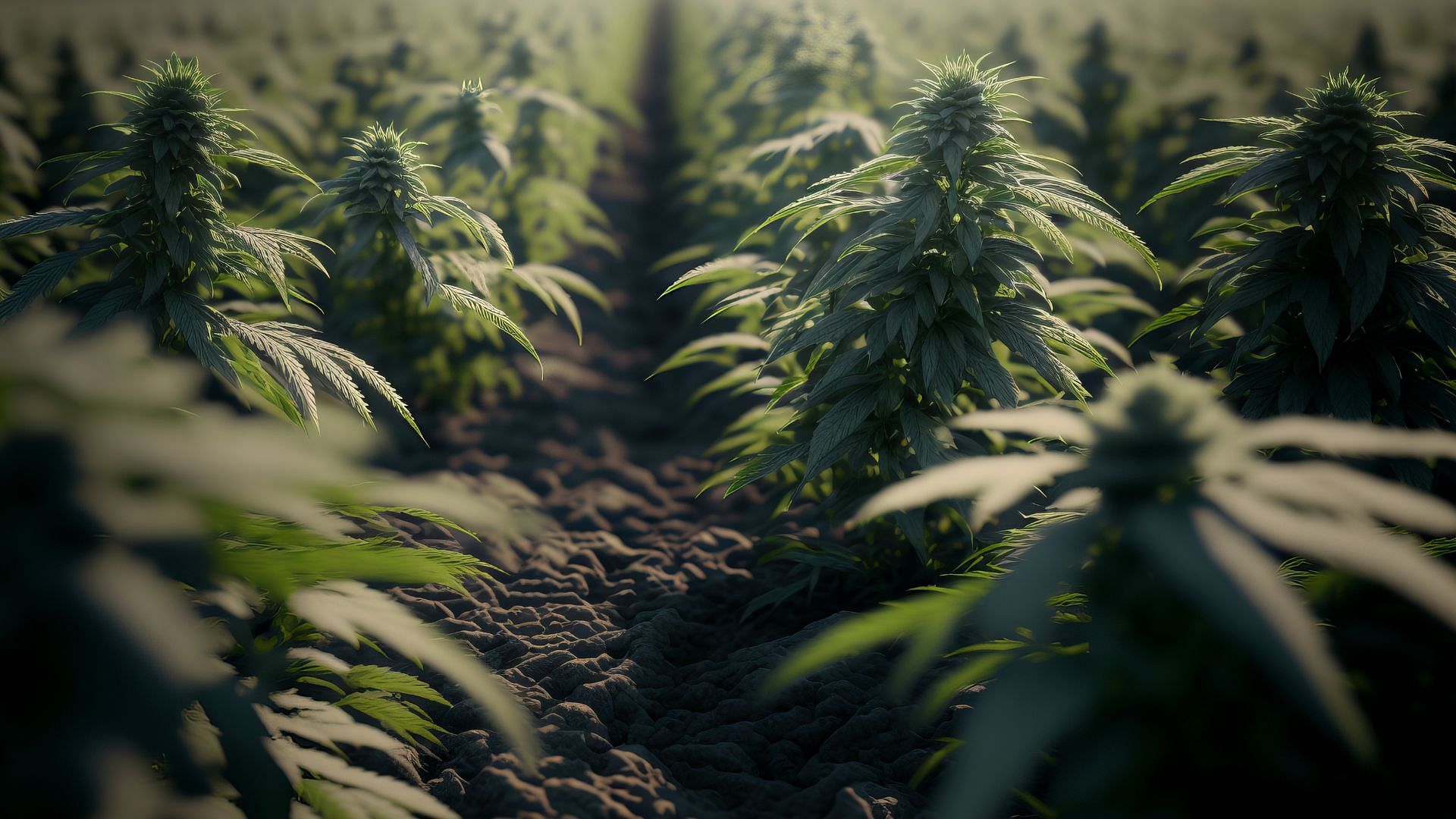
If you've been following the cannabis industry for the past few years, you might have noticed a growing trend towards regenerative agriculture. Farmers and cultivators are turning towards sustainable practices that prioritise soil health, biodiversity, and ecological balance over profit margins and quick yields. And with good reason: regenerative agriculture has the potential to mitigate climate change, restore ecosystems, and produce healthier and more flavourful crops.
But what is regenerative agriculture, and how does cannabis fit into the picture? In this article, we'll explore the basics of regenerative agriculture, the benefits of incorporating cannabis into regenerative farming practices, and the challenges and opportunities that lie ahead.
Regenerative Agriculture 101: The Soil Is Alive
Regenerative agriculture is a holistic approach to farming that aims to improve soil health, enhance biodiversity, and sequester carbon. It's based on the idea that the soil is a living ecosystem, teeming with billions of microorganisms that form complex webs of interactions and relationships. These microorganisms, including bacteria, fungi, protozoa, and nematodes, are essential for nutrient cycling, water retention, disease suppression, and plant growth.
Regenerative farmers use various techniques to support and enhance soil life, including cover cropping, crop rotation, composting, minimal tillage, and natural inputs like animal manure, biochar, and rock dust. They also prioritise biodiversity by planting a variety of crops and flowers, creating a habitat for beneficial insects and animals, and minimising the use of pesticides and herbicides.

One of the main goals of regenerative agriculture is to improve the soil's ability to sequester carbon. Healthy soils can store large amounts of carbon, which plants take up during photosynthesis and incorporate into organic matter. By increasing soil organic matter, regenerative farmers can reduce greenhouse gas emissions and improve soil fertility and water retention, which are crucial for long-term sustainability.
Cannabis And Soil Health: A Natural Partnership
Now, you might be wondering: what does cannabis cultivation have to do with regenerative agriculture? As it turns out, cannabis is an excellent candidate for regenerative farming practices. Here's why:
1. Cannabis has deep roots that penetrate compacted soils and improve soil structure.
2. Cannabis is a heavy feeder that requires large amounts of nutrients, making it a great candidate for nutrient cycling and composting.
3. Cannabis has a symbiotic relationship with mycorrhizal fungi, which help it absorb nutrients and water more efficiently.
4. Cannabis is a versatile crop used for fibre, food, fuel, and medicine, providing multiple revenue streams for farmers.
5. Cannabis is a resilient plant that can thrive in various climates and growing conditions, making it a good choice for small-scale and decentralised farming.
By incorporating cannabis into regenerative farming systems, farmers can enhance soil health, increase biodiversity, and sequester carbon while producing a valuable crop with a growing demand. And since cannabis is still a federally illegal crop in the United States, regenerative cannabis farming can also challenge the dominant paradigm of industrial agriculture and create opportunities for social and environmental justice.
Cannabis, also known as hemp, is a hardy, fast-growing plant with many applications. Its versatility makes it an ideal candidate for regenerative agriculture, offering several benefits:
Soil Improvement: Cannabis plants have deep roots that help break up compacted soil, improving aeration and water infiltration. Additionally, cannabis is a natural bio-accumulator, meaning it can draw heavy metals and other toxins from the earth, improving soil health.
Organic Matter: As cannabis plants grow and are harvested, they leave behind a significant amount of organic matter. This material can be composted and returned to the soil, increasing fertility and supporting a healthy soil ecosystem.

Carbon Sequestration: Cannabis has a high capacity for carbon sequestration, meaning it can absorb large amounts of atmospheric CO2 and store it in its plant tissues. This process helps combat climate change while improving soil fertility.
Biodiversity: Cannabis provides a habitat for various insects, birds, and other wildlife, contributing to increased biodiversity on the farm.
Versatility: Cannabis can be used for a wide range of purposes, such as textiles, paper, biodegradable plastics, and biofuel. This makes it a highly profitable crop for farmers.
Implementing Cannabis In Regenerative Agriculture
To utilise cannabis effectively for regenerative agriculture, there are several essential practices to consider:
Crop Rotation: One of the fundamental principles of regenerative agriculture is to rotate crops, helping to break up disease and pest cycles. Introducing cannabis into your crop rotation can aid in maintaining soil health and preventing the build-up of pests and diseases.
Cover Crops: Using cannabis as a cover crop can help protect the soil from erosion, suppress weeds, and improve soil structure. When the cannabis plants are ultimately terminated, they will release nutrients back into the ground, subsequently improving soil fertility for the production of future crops.
Companion Planting:Incorporating cannabis alongside other crops can provide mutual benefits. For example, cannabis can provide shade for heat-sensitive crops, while certain plants may help deter pests from the cannabis.
Conservation Tillage: To preserve soil structure and minimise erosion, it's essential to reduce tillage when cultivating cannabis. No-till or low-till methods can help maintain soil health and improve water retention.
Integrated Pest Management: Relying on natural pest control methods, such as encouraging beneficial insects and using organic pesticides, can help maintain a balanced ecosystem within the cannabis crop.

While cannabis offers numerous benefits for regenerative agriculture, there are still restrictions and legal considerations surrounding its cultivation. In the UK, for example, growing industrial hemp with a Home Office licence is legal, provided the THC content (the psychoactive compound) is below 0.2%. Farmers must adhere to these strict regulations and obtain the necessary permits before cultivating cannabis for regenerative agriculture or face the possibility of a fine or prosecution. It’s therefore crucial to comply with the law to avoid potential legal complications but also to promote the responsible growth of this valuable crop.
The Economic Potential of Cannabis in Regenerative Agriculture
The versatility of cannabis offers significant economic opportunities for farmers who incorporate it into their regenerative agriculture practices. Some of the potential revenue streams include:
Fibre Production: The strong fibres found in cannabis stalks can be used to create textiles, rope, and paper products. With current and future regulations geared around environmental concerns, the demand for sustainable alternatives to traditional materials is rising, making this a potentially lucrative market.
Seed Production: Cannabis seeds are rich in proteins, healthy fats, and essential nutrients, making them a sought-after ingredient in the health food industry. Farmers could sell seeds for both human consumption and animal feed.

CBD Extraction: CBD (cannabidiol) is a non-psychoactive compound found in cannabis plants. It is known for its potential health benefits in many aspects of human well-being. As interest in CBD and cannabis products continues to grow, farmers would have the scope to capitalise on this market by extracting CBD oil from their cannabis crops.
Biofuel Production: Cannabis can be used to produce biofuels, such as biodiesel and ethanol, providing an urgent and more sustainable alternative to fossil fuels. The growing demand for renewable energy sources presents a promising opportunity for farmers to cultivate cannabis.
Challenges and Limitations
While cannabis offers numerous benefits for regenerative agriculture, there are still particular challenges and limitations associated with its cultivation:
Legal Restrictions: As mentioned earlier, there are strict regulations surrounding the cultivation of cannabis in many countries. Navigating these rules and obtaining the necessary permits can be a complex and time-consuming process while waiting around for a change in legislation could take years.
Stigma: Despite its many uses, cannabis still carries a certain stigma due to its common use as a psychoactive substance. This can create challenges in marketing and selling cannabis-derived products and attracting potential investors. There have undoubtedly been great strides forward on this front in recent times. Still, the stigma remains in the eyes of many, including, sadly, some of our elected officials.
Crop Management: Growing cannabis for regenerative agriculture requires careful planning and management. Farmers must be prepared to invest time and resources in learning best practices for cultivating cannabis and integrating it into their existing systems.
Conclusion
Cannabis holds enormous potential as a tool for regenerative agriculture, offering benefits such as improved soil health, increased biodiversity, and carbon sequestration. Furthermore, the versatile applications of the plant can provide farmers with a range of profitable revenue streams. However, it's essential to consider the legal implications, challenges, and limitations associated with cultivating cannabis for regenerative purposes.
By understanding and addressing these challenges, farmers can harness the power of cannabis to create a more sustainable, profitable, and environmentally friendly agricultural system. As the world moves towards embracing regenerative agriculture, cannabis may well play a vital role in shaping a greener and more sustainable future.


