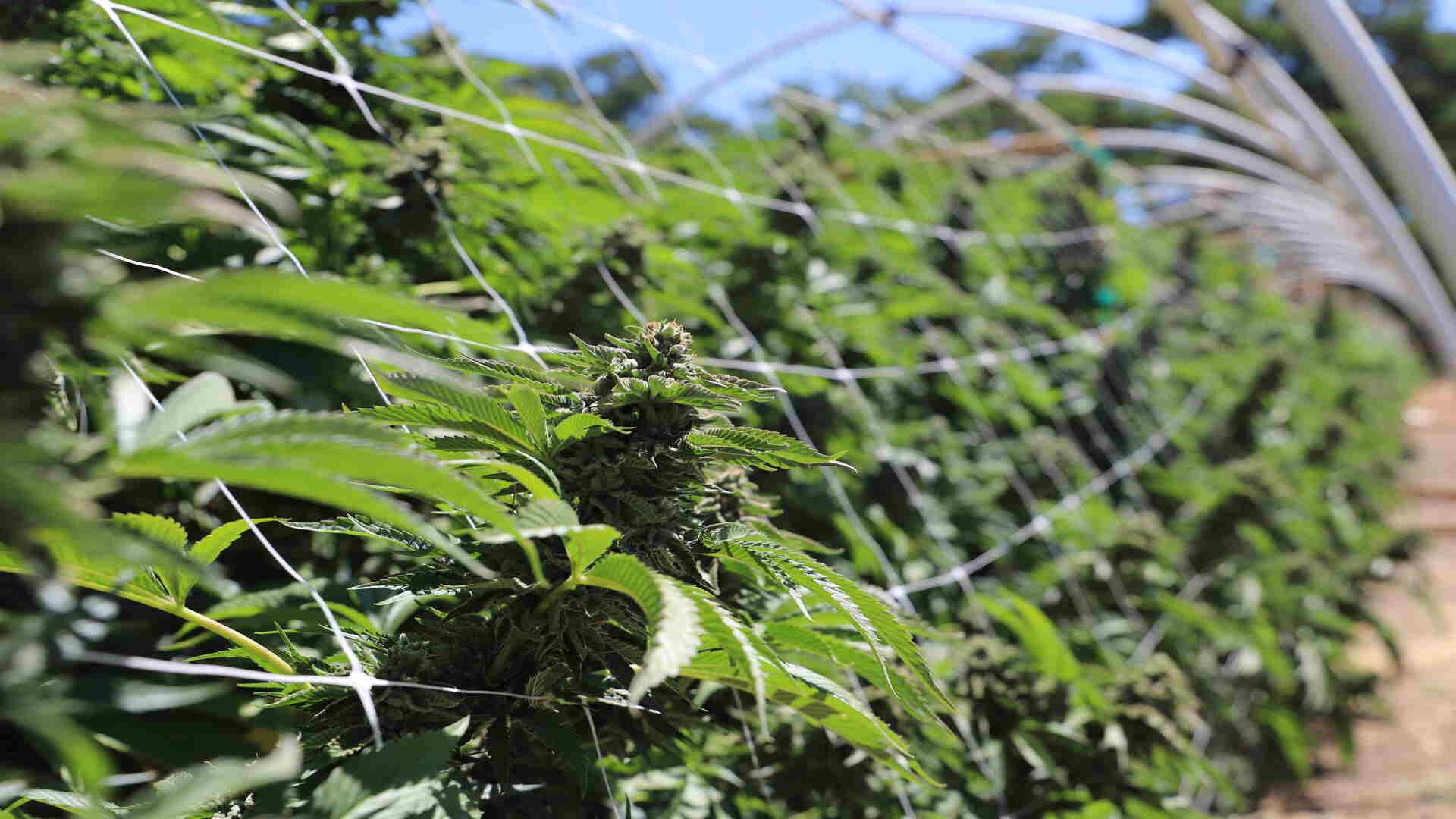
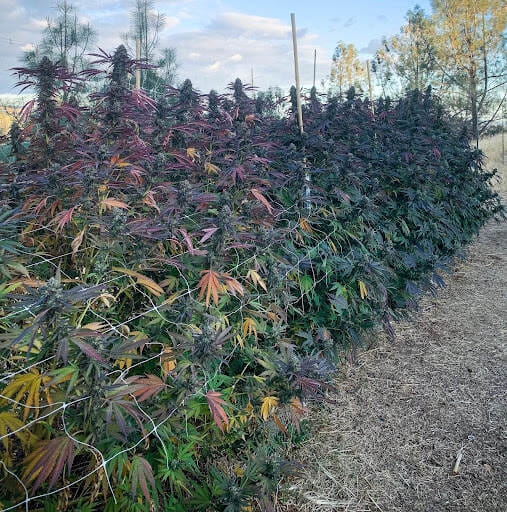
For years, cannabis gardens were kept beneath the cover of basements and closets to ensure privacy and remain hidden. This was largely due to the illegal nature of the plant, stigma, and fear of theft. But as prohibition wanes and more countries legalise this plant, we see more and more gardens flourish outdoors. If you are in a state where outdoor gardening is allowed, I highly recommend you take the opportunity this year to grow beneath the sun. In this article, we will review the myriad of benefits of sun grown cannabis.
Reduction in Resources
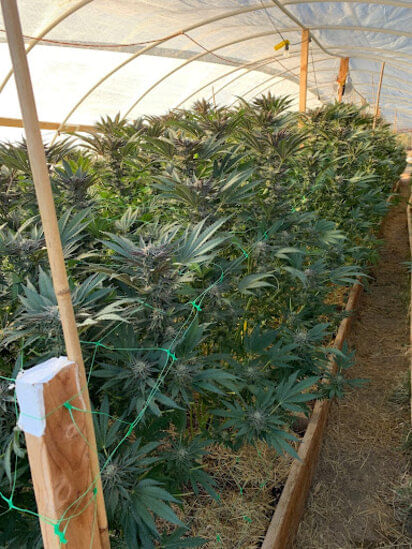
When you grow cannabis outdoors, you reduce your reliance on a tremendous amount of resources. Growing cannabis indoors requires a large number of inputs. You need lights to simulate the sun, fans for air circulation, dehumidifiers to control humidity, air conditioners for temperature regulation, and sometimes even CO₂ burners to support increased photosynthesis. All these appliances cost money and consume large amounts of electricity, contributing to a significant environmental footprint.
Outdoor cultivation eliminates the need for many of these resources. The sun provides free full-spectrum light, breezes manage air circulation, and there’s no need for dehumidifiers. Depending on your growing style, your nutrient requirements may even be reduced. If you're able to plant directly in the ground, you may find that your native soil already contains a wealth of minerals and microbial life that can support your plants without the need for heavy amendments.
Free Nutrients in Native Soil
One of the most underrated benefits of outdoor growing is the access to native soil. Compared to bagged potting mixes typically used indoors, native soil often contains a wide array of naturally occurring minerals, organic matter, and a diverse microbiome of fungi and bacteria. These organisms form symbiotic relationships with your cannabis roots, helping to break down nutrients and enhance uptake.
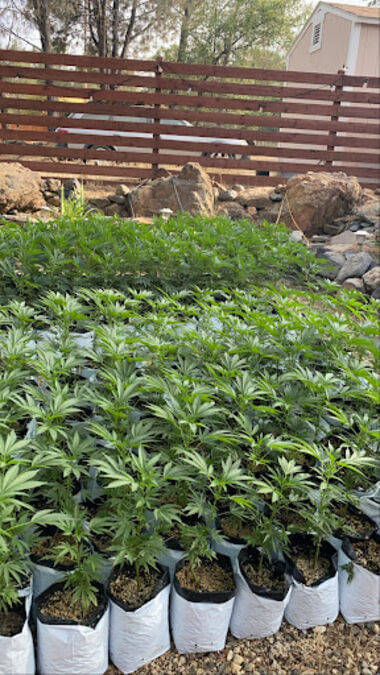
Even if you're growing in containers outdoors, the native microbes from the surrounding environment will find their way into your potting mix, enhancing biodiversity. This biological diversity supports not just the cannabis plant, but the entire garden ecosystem. The presence of other insects and plants contributes to a rich web of life that ultimately benefits your cannabis. Studies show that plants grown in biodiverse environments produce a higher concentration of secondary metabolites, including terpenes and cannabinoids.
More Terps!
Speaking of terpenes, one of the most exciting reasons to grow outdoors is the potential for increased terpene content. A Columbia University study comparing outdoor organic cannabis to indoor synthetic-grown cannabis found that outdoor-grown flowers had a much wider variety and higher total content of terpenes.
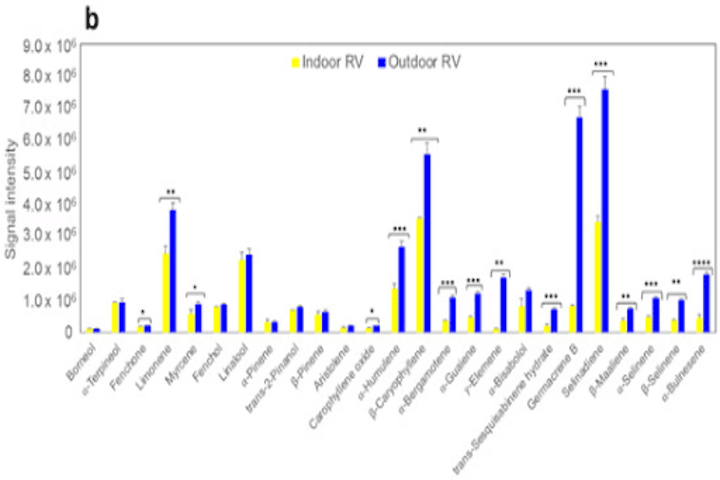
“The main finding is that the outdoor cannabis samples had a greater diversity of terpenes and greater amounts of the ones that are present when compared to indoor cannabis from the same genetic stock. Moreover, the outdoor samples have a greater preponderance of sesquiterpenes relative to the indoor samples.”
Terpenes are the language of plants. They're not just for aroma; they play critical roles in plant defence, communication, and adaptation. When a plant experiences changes in light, temperature, wind, or insect activity, it responds with a cascade of secondary metabolite production — terpenes being one of the primary players. This is why growers often use insect frass (insect poop and exoskeleton) to stimulate plant immunity and increase terpene production.
If you want to boost your terpenes and plant health, check out ImmuniTea. It’s packed full of chitin from insect frass, aloe, yucca, enzymes from malted barley flour, kelp, humates, and biochar — all known for enhancing plant vitality and resilience.
So for those of you afraid of insects outside, remember that a little pressure — when properly managed — can actually improve your plant’s flavour, aroma, and medicinal qualities.
Insects: Friend or Foe?
It’s time to reframe how we see bugs in the garden. While many growers panic at the first sign of aphids or spider mites, there's a big difference between pest pressure and a full-blown infestation. Indoor environments lack natural predators, so once a pest is introduced, it can spread like wildfire. Outdoors, a well-designed and diverse ecosystem, can often keep pests in check without harsh chemicals, but instead, it can be done by utilizing an integrated pest management plan.
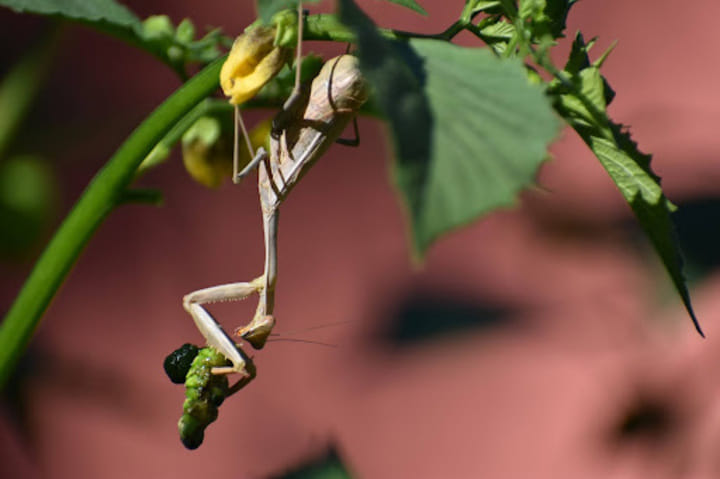
Integrated Pest Management (IPM) is a holistic strategy that includes biological controls like companion planting for beneficial insects, cultural practices like crop rotation, and environmental design. It’s far more effective when practised outdoors, where nature is on your side. Want to learn more about IPM? Check out our article Integrated Pest Management for Cannabis Explained.
Learning about Insects: Case Study the Aphid
The first step in dealing with pests is learning to identify the insects in your ecosystem. When identifying an insect, you can learn more about its life cycle, when it hatches, what it eats, and, more importantly, what eats it.
For instance, aphids reproduce asexually and can give birth quickly so addressing them quickly is the key. A simple soapy spray can easily kill aphids, just make sure to spray the underside of the leaves because that’s where they like to hang out. Many insects enjoy feeding on aphids such as ladybug larvae, green lacewings, and wasps can even parasitize them. Aphids are often farmed by ants, so if you see an aphid, look for ants as they will protect them and keep them around to feed from the sweet secretion called honeydew. To help manage aphids, you can plant buckwheat to attract ladybugs and parasitic wasps, along with sweet alyssum to attract green lacewings, another predatory insect that feeds off aphids.
Learning about the insects in your ecosystem helps you build a deeper connection to nature — and that connection brings mental, emotional, and even physical benefits.
Connection to Nature
Spending time outside has significantly improved mental health, reduced anxiety, and even regulated circadian rhythms. Exposure to sunlight helps your body produce vitamin D, a crucial hormone for immune and gut health. Touching soil — often referred to as “grounding” — can lower stress hormones and help rebalance your nervous system. Many of the same microbes that help boost a plants immune system and promote growth are used by us, including several bacteria species.
The Microbes Among Us: Bacillus subtillus
One specific microbe used by plants and by us is Bacillus subtilis, a remarkable, rod-shaped bacterium found naturally in soil, on plant roots, and even on the leaves of healthy plants. In the garden, it acts as a powerful ally—colonizing the rhizosphere (the root zone) where it helps plants grow stronger by releasing natural antibiotics that suppress harmful pathogens, boosting nutrient uptake, and producing plant hormones like auxins that stimulate root development.
This same microbe also plays an important role in the human gut, where it survives as a transient resident in the gastrointestinal tract. In us, Bacillus subtilis supports digestion, enhances immune function, and helps regulate mood by influencing the production of serotonin—the "happy hormone"—through gut-brain axis signalling. While many probiotics include this specific species, by simply gardening you can inculcate yourself with this bacteria. Its ability to promote resilience in both plant and human systems makes it a fascinating example of nature’s interconnected intelligence, showing how the microbes that thrive in healthy soil can also contribute to a thriving mind and body.
Growing cannabis outdoors offers a double benefit: your plants and you are healthier. Whether you’re watering your garden, checking for pests, or simply admiring the changes from day to day, being outdoors is healing. This reconnection with the natural world is a significant part of what makes sun grown cannabis so special.
Cannabis: The Gateway Crop
Once you move your cannabis plants outside, the possibilities for expansion are endless. You suddenly have room for tomatoes, potatoes, herbs, flowers, and all kinds of veggies. Before you know it, your cannabis garden becomes a full-blown food forest.
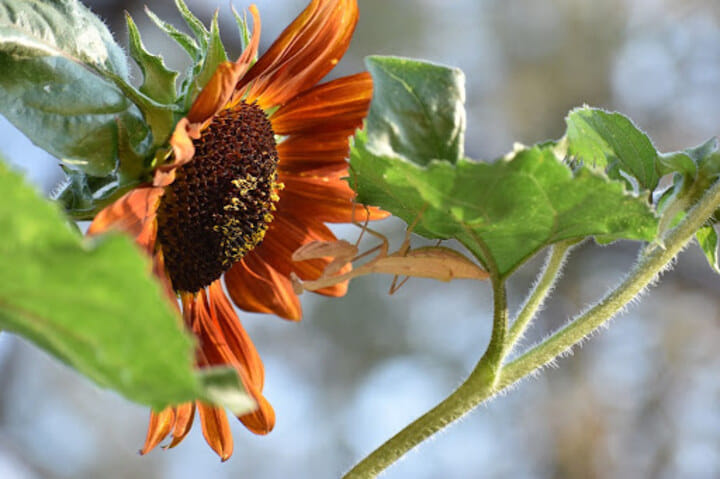
Want to learn how to maximize your harvest beyond buds? Check out our article Beyond Buds: Maximizing Your Garden with Companion Planting.
Cannabis can be the spark that ignites a love for gardening, sustainability, and self-sufficiency. There’s nothing like watching your outdoor space evolve into a thriving ecosystem — with you at the centre of it all.
Indoor vs Outdoor Cannabis Cultivation
Here’s a quick breakdown of the pros and cons of growing cannabis indoors versus outdoors:
Aspect | Indoor | Outdoor |
Lighting | Artificial, energy-intensive | Free, full-spectrum sunlight |
Climate Control | Controlled but resource-heavy | Natural, may be unpredictable |
Terpene Production | Reduced by lack of biodiversity and natural light. | Enhanced by environmental stimuli |
Pest Management | Can become an infestation quickly. | Natural predators help maintain balance |
Initial Cost | High (equipment, utilities, rent) | Lower (especially if growing in-ground) |
Environmental Impact | High energy use. | Lower footprint, especially organic |
Yields | Can be higher per square foot | May vary by region, strain, and season. More per plant. |
Connection to Nature | Minimal | Deep, daily interaction with ecosystem |
A Few Quick Outdoor Growing Tips:
- Start with quality genetics suited to your local climate.
- Know your frost dates and plant after the risk of freeze.
- Use mulch to conserve moisture and support soil life.
- Attract beneficial insects by planting companion flowers.
- Keep records of your garden’s successes and lessons.
Conclusion
Sun grown cannabis offers many benefits — for your plants, your health, and the planet. With fewer inputs, higher terpene content, and the healing power of the natural world, outdoor cultivation is more sustainable and often more rewarding.
Whether you’re a seasoned grower or planting your first seed, I encourage you to step outside this season. You might find that what you grow in the garden goes far beyond the harvest.