

Everybody wants tips to increase yields – that’s an undeniable fact among cannabis growers. But the pursuit of ever-greater harvests and visually appealing buds has led some growers to employ synthetic growth regulators (PGRs) in a bid to maximise output. While these chemicals can enhance certain plant characteristics, their excessive use raises significant concerns regarding consumer health and environmental impact.
If you’ve been wondering if cannabis plant growth regulators are the magic bullet to scale up your harvest, this article will explain synthetic PGRs, their mechanisms, reasons for use, associated risks, and methods for detection. We’ll take a closer look at the considerations for both consumers and cultivators.
What Are Cannabis Plant Growth Regulators?
Plant growth regulators aren’t confined exclusively to cannabis. These substances are popular in the cultivation of other fruit-bearing plants as they influence plant development by modifying hormonal activity, making them somewhat appealing to cultivators who rely on crop outputs to make money. In cannabis cultivation, PGRs are used to control aspects such as plant height, branching, and flowering. These regulators can be naturally occurring hormones like auxins, gibberellins, and cytokinins, or synthetic chemicals designed to mimic these natural hormones.
Natural plant growth regulators play a crucial role in cannabis cultivation, significantly influencing growth and development. Synthetic PGRs can offer the same benefits - but are there drawbacks? Synthetic PGRs, if used in cannabis cultivation, include:
Chlormequat Chloride: Used to promote flowering and create uniform plant sizes.
Daminozide (Alar): Applied to control growth and enhance bud density.
Paclobutrazol: Utilized to inhibit stem elongation and increase bud compactness.

These synthetic PGRs are often chosen for their ability to produce visually appealing, dense buds, which are sometimes perceived as indicators of high-quality cannabis. It’s easy to see, then, why a grower might be tempted to employ the use of PGRs – especially if growing for profit.
Types of Regulators
Plant growth regulators (PGRs) can be broadly classified into two main categories: natural and synthetic. Natural PGRs, also known as plant hormones, are produced by plants themselves and as mentioned, play a crucial role in regulating various aspects of growth and development. Each of these natural PGRs has a specific function, such as promoting cell elongation, stimulating seed germination, or regulating water stress responses.
On the other hand, synthetic PGRs are man-made chemicals designed to mimic the effects of natural plant hormones. Common synthetic PGRs used in cannabis cultivation are often employed to enhance growth, increase yields, and produce visually appealing buds. However, the use of synthetic PGRs comes with significant drawbacks.
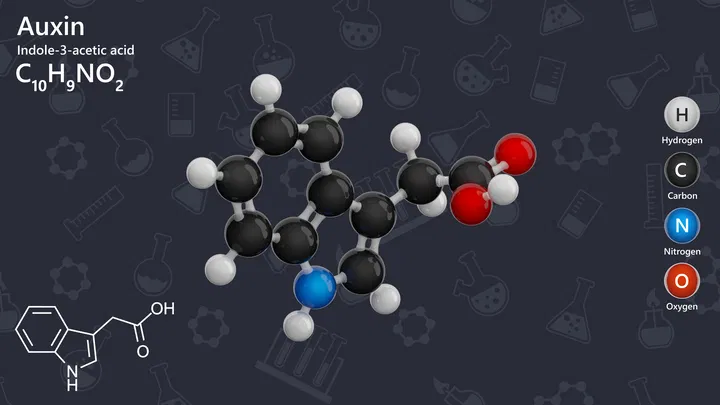
Natural PGRs are generally considered safer and more environmentally friendly compared to their synthetic counterparts. They work in harmony with the plant’s natural processes, promoting healthy growth and development without introducing harmful chemicals. In contrast, synthetic PGRs can disrupt the natural hormonal balance of the plant, leading to unwanted side effects such as reduced cannabinoid production and increased susceptibility to diseases.
For cannabis growers, understanding the differences between natural and synthetic PGRs is essential for making informed decisions about cultivation practices. Opting for natural PGRs can lead to healthier plants, higher-quality cannabis products, and a reduced impact on human health and the environment.
How Do Cannabis Plant Growth Regulators Work?
PGRs function by altering the plant’s hormonal balance, thereby influencing growth patterns. For instance:
Paclobutrazol: Inhibits gibberellin biosynthesis, leading to reduced stem elongation while promoting shorter, bushier plants.
Daminozide: Suppresses cell elongation, resulting in more compact growth and denser buds.
Chlormequat chloride: Restricts cell division and elongation, contributing to uniform plant structure and enhanced flowering.
Impact on Cannabis Plants
Plant growth regulators (PGRs) can have a profound impact on the growth and development of cannabis plants. These substances influence various physiological processes which in turn affect the plant’s overall morphology and anatomy.
PGRs also play a role in the plant’s sexual expression, influencing flower formation and seed production. Synthetic PGRs can disrupt these processes, leading to abnormal flower development and reduced seed viability. On the other hand, natural PGRs support normal sexual expression, resulting in healthy flower formation and viable seeds. It's beginning to look clear on what's good and what's bad in terms of PGRs.
Understanding the impact of PGRs on cannabis plants is crucial for optimizing growth and development. By choosing natural PGRs over synthetic ones, cannabis growers can promote healthier plants, achieve higher yields, and produce superior-quality cannabis products. This approach not only benefits the plants but also ensures a safer product for consumers and a more sustainable cultivation practice.
Why Do Growers Use Cannabis Plant Growth Regulators?
Growers may opt to use plant growth regulators for several reasons, and they’re all perfectly valid at face level. First, there’s the temptation of increased yields. Let’s face it, what would you prefer? A little cannabis, or a lot? If you’re putting the time, money, and effort into growing cannabis, you’re going to want the maximum return on these investments. It’s like gymgoers who want to pack on as much lean muscle mass as possible; eventually, many of them will find their way to anabolic steroids, and while the results are pretty much guaranteed, the detrimental effects to the body are equally assured.
Secondly, as the very name suggests, there’s the ability to control plant growth. By regulating plant height and branching, synthetic PGRs can offer several perceived benefits, and can even facilitate cultivation in limited spaces and improve uniformity across crops.
And then there’s the undeniable market appeal. Visually dense and compact buds are often more attractive to consumers, potentially enhancing marketability. PGRs can improve profit margins for growers by increasing flower density and harvest weights. The attributes offered by cannabis plant growth regulators undoubtedly make for a tempting proposition – especially for growers looking to sell on the black market.
But while these benefits may be appealing from a production standpoint, they must be weighed against the potential health risks and quality compromises associated with synthetic PGR use.
Are Cannabis Plant Growth Regulators Safe?
This question should be the only one you need an answer to if you’re giving any thought to using cannabis plant growth regulators. The answer? A resounding NO. The safety of synthetic plant regulators is a significant concern. While naturally occurring plant hormones are generally considered safe, synthetic PGRs like those mentioned above have been associated with various health risks.
Potential health hazards include:
Carcinogenicity: Some synthetic PGRs have been linked to cancer development. Daminozide, also known as Alar, is classified by the Environmental Protection Agency (EPA) as a probable carcinogen.
Organ Damage: Exposure may lead to liver and kidney damage
Reproductive Issues: Reduced fertility has been observed in some cases.
Neurological Effects: Symptoms such as headaches, drowsiness, and memory loss have all been reported.
Synthetic PGRs are deemed unsafe for human consumption, highlighting the importance of ensuring that cannabis products are free from these harmful substances.
Moreover, the environmental impact of synthetic plant regulators is just as concerning. These chemicals can persist in soil and water, potentially affecting non-target organisms and leading to ecological imbalances. Run-off from fields containing PGRs can end up in water systems, where they can pollute drinking water. They can even disrupt the endocrine systems of fish and work their way into the food chain.
How Can You Tell If Cannabis Plant Growth Regulators Have Been Used?
While identifying cannabis that has been treated with synthetic PGRs can be challenging, there are certain characteristics to look out for that may serve as indicators. You should always inspect weed before consumption anyway, as there’s the potential for mold, grit weed, and a lot of other nasty stuff in between. Knowing how to tell if you're buying good or bad quality buds is absolutely crucial for consumers. To assess for the use of cannabis plant growth regulators, check your buds for the following signs:
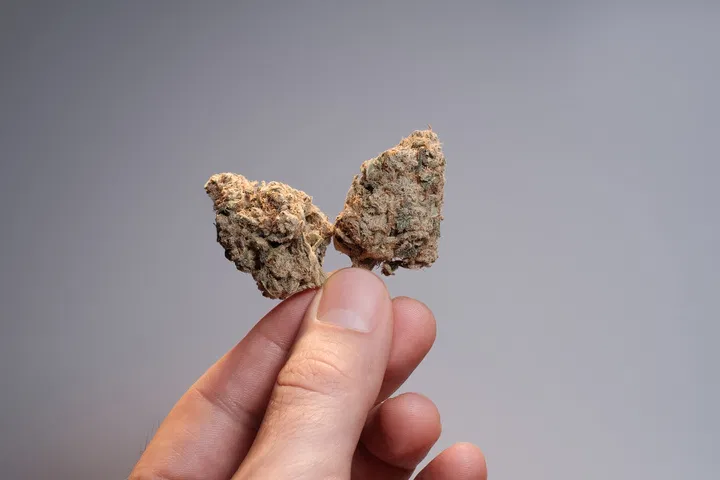
Bud Density: PGR-treated buds are often unnaturally dense and hard, sometimes described as “rock-like”. They feel unnaturally heavy, and can be hard to break apart.
Trichome Presence: A noticeable reduction in trichome coverage may be observed, leading to duller-looking buds with notably diminished aroma and potency.
Pistil Abundance: An excessive number of brown or red pistils can be a sign of PGR use. Look for abnormally bright pistils as a sign of chemical interference. This is a key visual cue to identify PGR weed.
Aroma and Flavour: Keep an eye out for a chemical smell or taste, as opposed to a natural terpene profile, as this may indicate synthetic additives.
Check Colouration: Buds may appear dull or have an unnatural hue.
Texture: PGR-treated cannabis buds might feel spongy or overly dry. A spongy texture can indicate the use of PGRs or may signal the presence of botrytis, the common plant pathogen grey mould. For that reason, it's important to weight this up alongside other indicators on this list to make sure.
Consumers concerned about PGR exposure should consider sourcing cannabis from reputable suppliers in legal markets who provide transparency regarding cultivation practices and product testing.
Conclusion
The use of synthetic cannabis plant growth regulators presents a complex issue, as you're weighing the desire for higher yields and aesthetic appeal against potential health risks and environmental concerns. Ethically, however, it’s a no-brainer; while PGRs can offer certain advantages, their impact on product safety and quality simply cannot be overlooked.
For consumers, awareness and education are key. Understanding the signs of PGR-treated cannabis and choosing products from trustworthy sources can help mitigate exposure risks. For growers, exploring natural cultivation methods and prioritising plant health over short-term gains leads to safer, more sustainable practices. The Seedsman blog is full of great articles to help growers maximise your harvest safely and effectively, without harming plants, consumers, or the environment.
The emphasis should only ever be on delivering clean, high-quality products that prioritise consumer well-being and environmental stewardship. Growing one's own cannabis can also be a beneficial practice, as it helps avoid exposure to harmful PGRs and ensures a safer product.
-----------------------------------------------------------------------------------------------------------------------