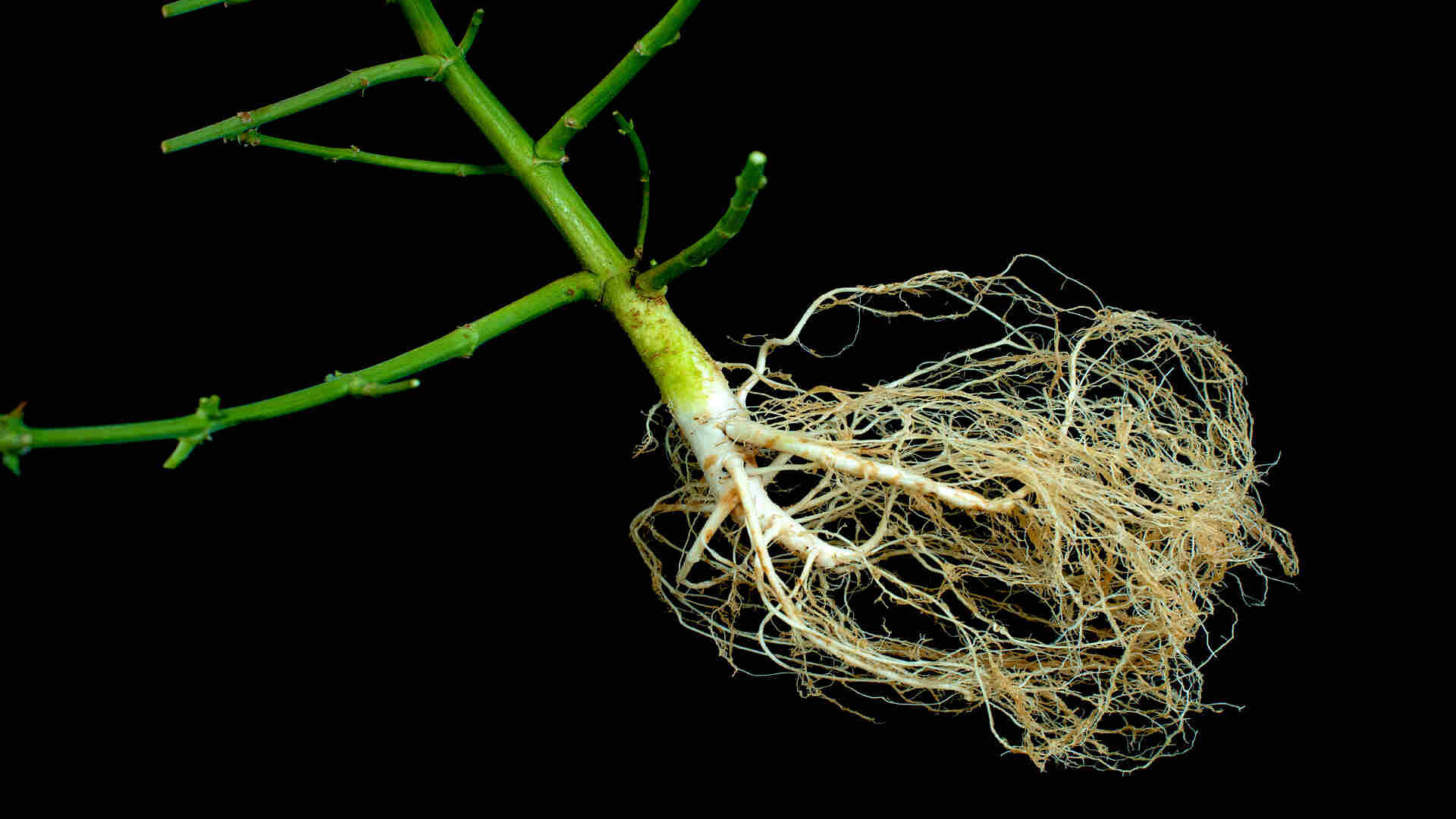
As more growers embrace sustainability in their cultivation practices, one often overlooked area is the recycling of cannabis stalks and roots. After harvest, these seemingly unremarkable leftovers can be repurposed into valuable resources for your garden, creating a closed-loop system that minimizes waste and enhances soil health. This article explores creative and practical ways to compost, mulch, and utilize cannabis plant residues for teas, soil amendments, and beyond.
Why Recycle Cannabis Stalks and Roots?
Cannabis stalks and roots are rich in organic matter and nutrients, making them ideal for improving soil structure, feeding beneficial microorganisms, and promoting sustainability. By repurposing these materials, you can reduce your dependency on synthetic inputs and contribute to a more eco-friendly growing process. Here are some innovative ways to make the most of your cannabis leftovers.
Composting: Turning Waste into Black Gold

One of the simplest and most effective ways to recycle cannabis stalks and roots is through composting. There are a variety of ways to compost but one of the most common methods is the thermophilic pile. Below you will find basic steps for creating a thermophilic compost with your cannabis stalks and roots balls.
Steps to Compost Cannabis Residues:
1. Chop Stalks and Roots: Cut the stalks into small pieces and break up root balls to increase surface area for decomposition. The smaller the pieces the faster the rate of decomposition.
2. Layer with Greens and Browns: Combine with “green” materials (kitchen scraps, grass clippings) and “brown” materials (dry leaves, cardboard) in a balanced ratio of 2:1. Piles should be 3’x3’x3’ to ensure temperatures reach 175 degrees. This will ensure pathogens have been killed and break down material the fastest.
3. Maintain Moisture and Aeration: Keep the pile moist but not soggy and turn it regularly to ensure oxygen flow. Use a pitchfork or shovel to turn pile regularly for faster decomposition.
4. Wait and Harvest: Depending on the size and frequency of turning your pile may be finished in as little as 2 months. The size of your stalks will also adjust the time it takes to compost. Piles left to decompose with little intervention may take up to a year. Your pile will turn into nutrient-rich compost that can be added back to your garden.
Composting cannabis residues enriches your soil with organic matter, improving its water retention, structure, and fertility.
To learn about the various composting methods, from traditional, thermophilic, bokashi, worm, or Johnson Su, check out our Winter Soil Wellness Class.
Creating Hugelkultur Beds with Cannabis Stalks and Root Balls

One of my favorite ways to use leftover cannabis stalks and rootballs, is Hugelkultur, or “hill culture,” it is a permaculture technique that involves building raised garden beds using layers of organic material. Cannabis stalks and root balls are perfect additions to a hugelkultur bed, as they decompose over time, enriching the soil, improving water retention, and creating a nutrient-dense environment for plants.
Benefits of Hugelkultur for Cannabis Stalks and Root Balls
1. Waste Reduction: Repurposing leftover plant matter reduces garden waste and creates a closed-loop system.
2. Soil Enrichment: As the stalks and roots break down, they release essential nutrients like potassium, calcium, and magnesium.
3. Water Retention: Hugel beds act like a sponge, holding moisture from rain or irrigation, which reduces the need for frequent watering.
4. Improved Drainage: Decomposing materials create air pockets, enhancing soil aeration and water flow.
5. Long-Lasting Fertility: Hugel beds can provide a slow-release nutrient source for years as materials decompose.
How to Build a Hugelkultur Bed with Cannabis Residues
Materials Needed:
· Cannabis stalks and root balls (chopped for easier layering)
· Large woody materials (logs, branches, or larger stalks)
· Green plant material (leaves, kitchen scraps, grass clippings)
· Soil or compost
· Water
Step-by-Step Guide:
1. Choose a Location: Select a sunny, well-drained spot in your garden. Dig a shallow trench if you want the bed partially below ground for stability and better water retention.
2. Layer Large Woody Materials: Start with a base layer of logs, branches, or large cannabis stalks. This layer forms the foundation and will break down slowly over several years.
3. Add Root Balls and Stalks: Break up root balls to expose the inner roots and distribute them evenly over the foundation layer. Add chopped cannabis stalks, ensuring the material is spread out for even decomposition.
4. Include Green Material: Add a layer of green, nitrogen-rich materials such as fresh grass clippings, leaves, or food scraps. This helps balance the carbon-heavy stalks and root balls.
5. Cover with Soil: Top the bed with a thick layer of soil or compost to create a planting surface. Ensure all organic materials are well-covered to reduce the chance of pests or odors.
6. Water Thoroughly: Soak the bed with water to kickstart the decomposition process. The moist environment will encourage microbial activity.
7. Plant and Mulch: You can plant directly into the hugel bed immediately or allow it to settle for a few weeks. Adding a layer of mulch on top will help retain moisture and protect the soil.

Tips for Success with Hugelkultur and Cannabis Residues
- Chop Stalks: Larger stalks decompose more slowly, so chopping them into smaller pieces speeds up the process.
- Balance Carbon and Nitrogen: Balance "browns" (stalks, root balls, logs) with "greens" (leaves, fresh clippings) to ensure proper decomposition.
- Consider Settling: Hugel beds settle over time as the organic material breaks down, so start with a slightly taller mound.
Hugelkultur and Soil Health
As the cannabis stalks and root balls decompose within the hugel bed, they improve the soil’s organic matter content, support beneficial microbes, and attract earthworms. The porous nature of the decomposed materials also enhances water flow and retention, reducing irrigation needs in your garden.
Hugelkultur beds are an excellent way to recycle cannabis residues while creating a thriving, sustainable growing environment. With proper preparation, these beds can provide long-term fertility and a rich ecosystem for your plants, making them a perfect solution for eco-conscious growers.
Mulching: Protect and Nourish Your Soil
Shredded cannabis stalks make excellent mulch, which protects the soil from erosion, regulates temperature, and suppresses weeds. As the mulch decomposes, it releases nutrients slowly into the soil, fostering a healthy microbial ecosystem.
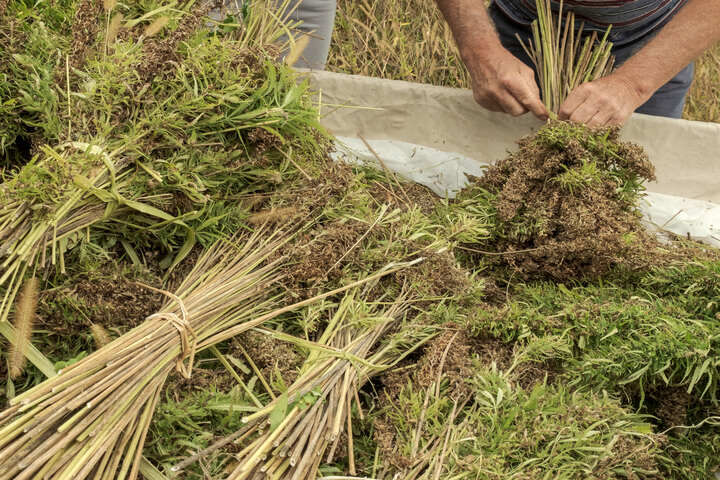
How to Use Stalks as Mulch:
- Run the stalks through a chipper or shredder.
- Spread a 2–3-inch layer around plants, leaving a small gap near the base to prevent rot.
- Monitor and replenish the mulch layer as it decomposes.
Biochar: Enhancing Soil with Carbon
Biochar is a form of charcoal made by heating organic material in a low-oxygen environment. It is an excellent soil amendment that enhances nutrient retention, improves drainage, and sequesters carbon, contributing to long-term soil health. It has been used by Amazonian tribes for thousands of years to enrich soil that supports the lush jungles within the Amazon rainforest.

Making Biochar from Cannabis Stalks:
1. Dry the stalks completely.
2. Use a kiln or homemade retort to pyrolyze the stalks, ensuring minimal oxygen during the process. This can be done by simply digging a pit starting a fire in the center and once you have coal, thickly stack the stalks in a teepee manner.
3. Once cooled, crush the biochar and inoculate it with compost tea or liquid fertilizer before incorporating it into your soil.
Biochar improves water flow, aeration, and microbial activity, making it a powerful tool for sustainable cultivation.
Impact on Soil Health and Sustainability
Recycling cannabis stalks and roots provides numerous benefits to soil and the environment:
- Improved Soil Structure: Organic matter from compost, mulch, and decomposed roots enhances soil porosity and aeration.
- Enhanced Water Retention: Mulch and biochar help retain moisture, reducing irrigation needs.
- Reduced Erosion: Mulch and living roots prevent soil loss during heavy rain or wind.
- Biodiversity: Recycled materials attract and support beneficial organisms like worms, fungi, and bacteria.
- Carbon Sequestration: Biochar locks carbon into the soil, mitigating greenhouse gas emissions.
By integrating these practices, growers can reduce waste, lower input costs, and contribute to a healthier planet.
Hemp Hurd for Animal Bedding
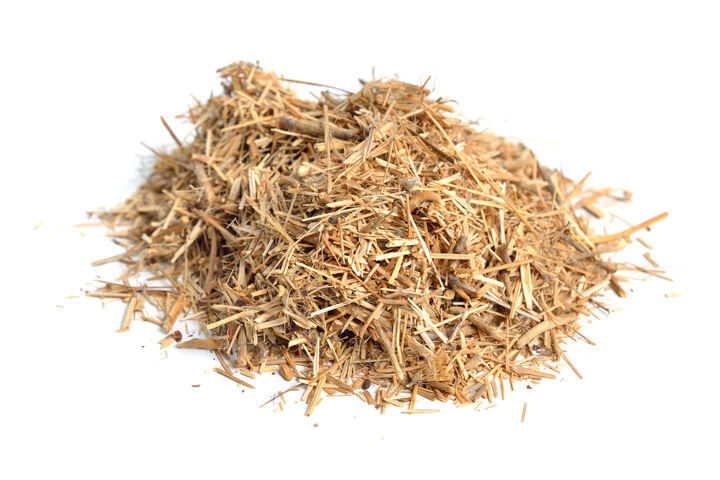
Hemp stalks, including cannabis, contain hurd (the woody core), which is highly absorbent and makes excellent animal bedding. This eco-friendly alternative to traditional bedding materials like straw or wood shavings can be composted after use, returning nutrients to the soil.
How to Prepare Stalks for Bedding:
1. Break down the stalks into fine pieces using a hammer.
2. Ensure the hurd is clean and dry before use.
3. Use hurds as bedding for goats, chickens, or rabbits.
This application benefits not only your garden but also animals, providing a comfortable and sustainable solution for bedding needs. Once the bedding has been soiled you can simply add to your compost pile for complete close looped cycling of nutrients.
Walking Sticks: Creative Craftsmanship
Cannabis stalks, especially from larger plants, are surprisingly sturdy and can be repurposed into walking sticks or other functional items. This is a fun and creative way to extend the life of your plant while showcasing its versatility. Check out strain canes for examples of what these walking sticks look like. Cannabis stalks from seed plants are best due to their larger size.
How to Make Walking Sticks:
· Select thick, straight stalks.
· Hang Dry for 3-6 months.
· Sand and smooth outer bark.
· Apply a natural sealant or oil to protect against moisture and wear.
· Add decorative elements like carvings or leather straps if desired.
Walking sticks are not only practical but also a great conversation starter for eco-conscious gardeners.
Root Balls: Let Nature Do the Work

Instead of removing root balls after harvest, consider leaving them in the ground to decompose naturally. As they break down, they feed worms and beneficial soil organisms, improve soil structure, and enhance water infiltration.
Benefits of Leaving Root Balls in Place:
Soil Aeration: As the roots decay, they create channels that improve water flow and oxygen penetration.
Nutrient Cycling: Decomposed roots release nutrients back into the soil.
Worm Activity: Roots attract worms, whose castings further enrich the soil.
To maximize benefits, avoid disturbing the root zone when planting a new crop. Simply plant next to old root balls and continue this cycle. Root balls will break down in a few months especially during the growing season while microbial digestion is at its peak.
Conclusion
Recycling cannabis stalks and roots is more than a sustainable practice; it’s a way to create a thriving garden ecosystem while minimizing waste. Whether you compost, mulch, make biochar, or craft walking sticks, there are endless possibilities for repurposing harvest leftovers. Byembracing these methods, you can close the loop in your cultivation process, enriching your soil and supporting a greener future.
So next time you harvest your cannabis plants, think twice before discarding the leftovers—they may hold the key to your garden's success.