

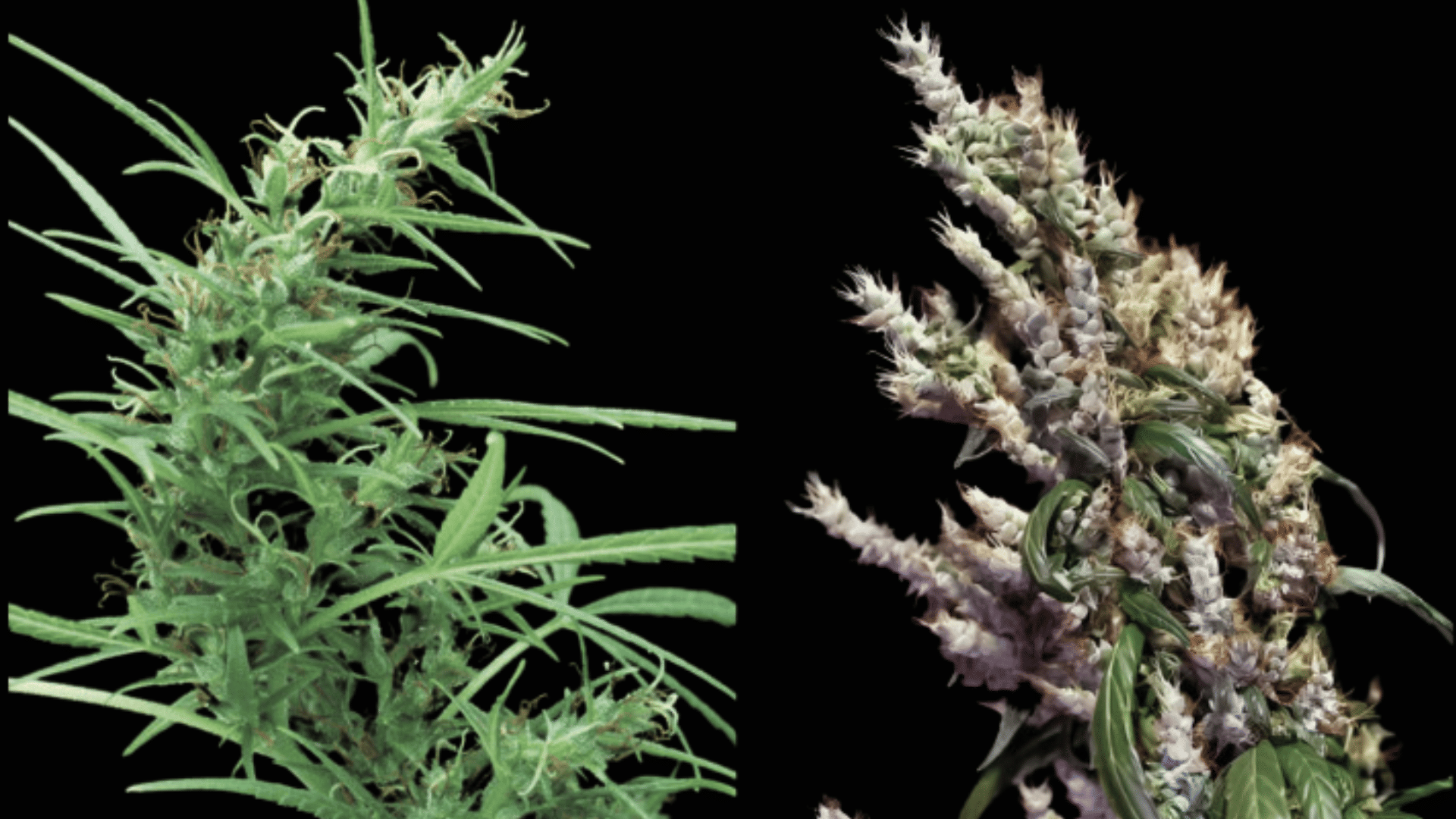
Cannabis foxtails are unusual, elongated buds in some cannabis plants. They may feature naturally occurring foxtails, but they can result from genetics or environmental stress. This article will explain what cannabis foxtails are, why they form, and how to manage them.
Key Takeaways
- Foxtailing in cannabis can be caused by genetics or environmental stress, leading to elongated, spiky buds that are often less desirable than dense buds.
- Identifying the signs of foxtailing cannabis buds early, such as elongated calyxes and yellowing leaves, is crucial for addressing stressors and preventing further complications.
- Managing environmental conditions, like light intensity and temperature, along with maintaining root zone health, is key to preventing foxtailing and ensuring healthy cannabis growth.
Understanding Cannabis Foxtails
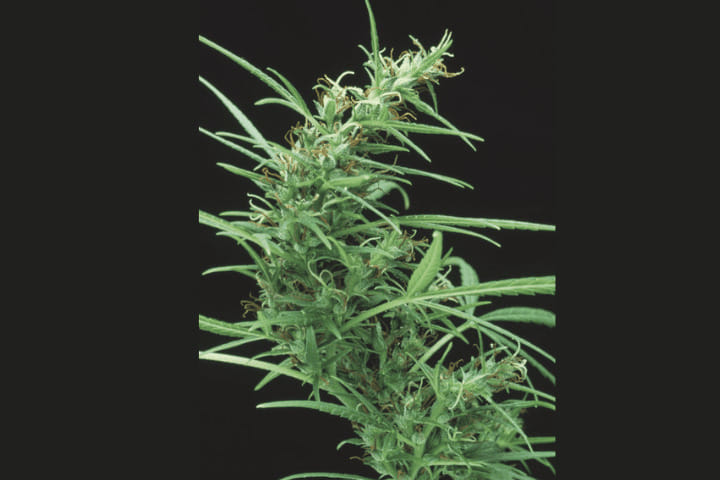
The development of elongated and spiky buds on cannabis plants, which resemble the bushy fox tail, is referred to as foxtailing. This occurrence in cannabis can have both positive and negative consequences for those cultivating the plants. Some breeders find that certain strains naturally present with foxtailing buds - a trait they may intentionally seek out. An excessive appearance indicates that the plant is experiencing high levels of stress. Stressful conditions can harm these plants' health and productivity when considering how a fox's tail manifests itself.
Buds from cannabis demonstrating signs of foxtail are typically bulkier but less dense than their non-foxtailed counterparts. As such, this manifestation often results in diminished harvests and possibly lower concentrations of cannabinoids within the final product – attributes seen unfavorably by growers aiming for potency and yield who value traditionally compact bud formations due to their correlation with increased production quantities.
For growers facing challenges associated with fox-tailed weed, it’s crucial to understand what prompts its formation to tackle it effectively – so what causes these distinct protrusions known as cannabis foxtails?
What Are Cannabis Foxtails?
Foxtailing cannabis occurs when the flower’s calyxes stack upon one another, resulting in elongated and slender buds rather than the usual compact and rounded shape. These foxtail buds exhibit a spiky look, with looser clusters of calyxes compared to standard cannabis flowers, which tend to be tightly packed and spherical.
As cannabis goes through the process of foxtailing, its buds take on an atypical stacked configuration instead of growing into the familiar dense form. While this distinctive formation can be visually appealing, it results in buds that are lighter in density and might not measure up regarding yield or strength as desired by some cultivators or consumers.
Why Do Foxtails Form?
Two primary causes of foxtails on cannabis buds are inherent genetics and environmental stress. Several cannabis strains, due to their genetic makeup, are inclined towards producing elongated and pointed buds during their growth phase. Specifically, buds that exhibit foxtailing are often seen as a trait associated with certain genetics and growing conditions. This natural propensity for distinctive bud shapes is particularly notable in certain varieties of sativa plants as well as other specialized types of cannabis.
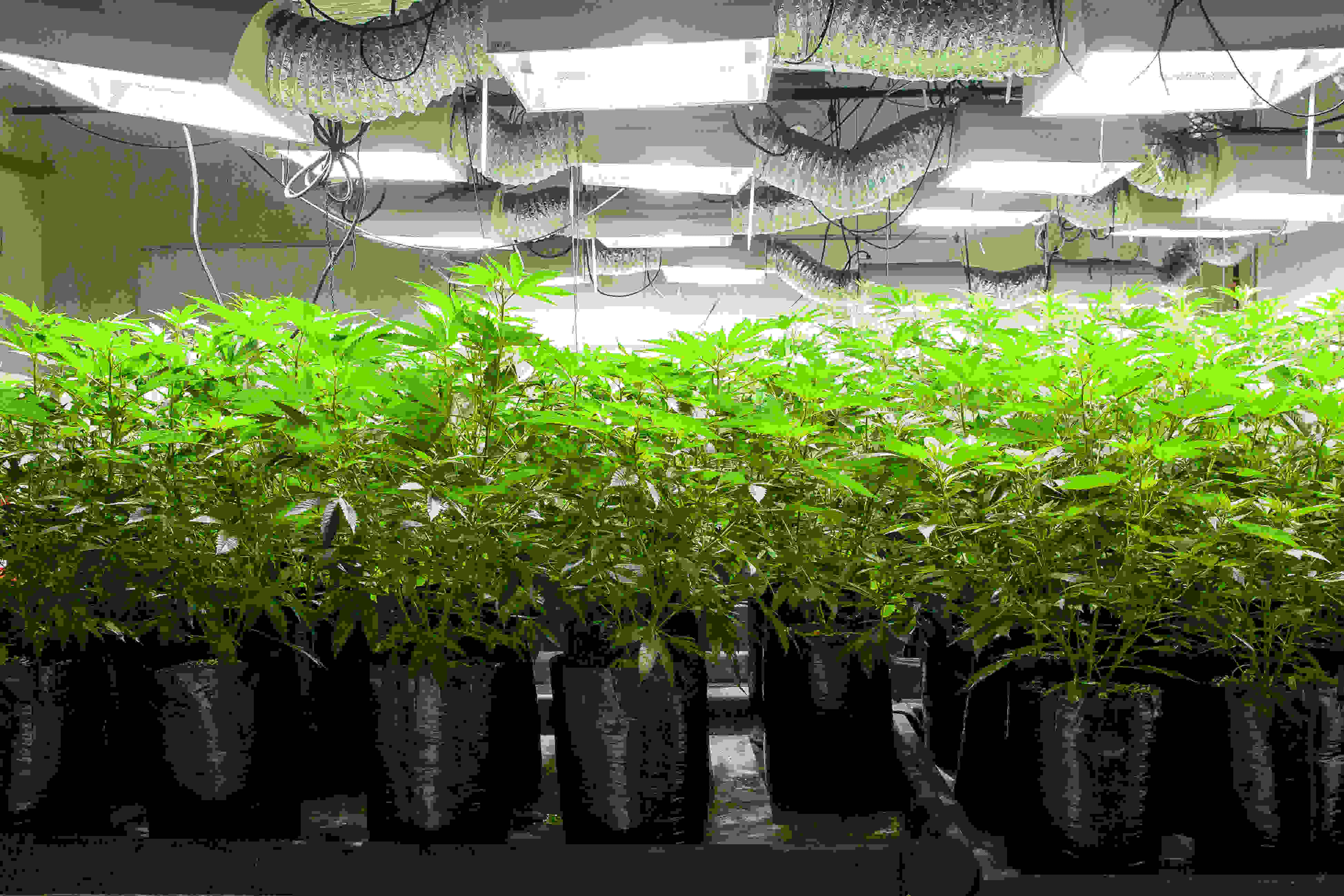
Conversely, factors such as too much heat or too intense lighting can induce foxtailing within a crop of cannabis plants. Exposure to these stressful conditions may develop atypical formations on the buds that include spire-like structures and unconventional silhouettes. For cultivators aiming to avoid unintentional foxtailing within their harvests, detecting and controlling these environmental triggers is essential.
Types of Foxtailing in Cannabis
Foxtailing weed in cannabis plants can be broadly categorized into two types: genetic foxtailing and stress-induced foxtailing. Understanding the differences between these two types is key to managing and preventing foxtails in your cannabis garden.
Genetic foxtailing occurs due to inherent traits in certain cannabis strains. These strains have been selectively bred to produce elongated, spiky buds, and this type of foxtailing is generally considered a normal part of the plant’s development. On the other hand, stress-induced foxtailing arises from environmental stressors such as excessive light or heat, and it can adversely affect the quality of the cannabis crop.
Exploring each type of foxtailing in detail helps to understand its causes and implications.
Genetic Foxtailing
Selective breeding within certain cannabis strains has led to the emergence of genetically induced fox tailing. Strains such as Desfrán, Skywalker Haze, Strawberry Cough, and certain purple strains are recognized for showcasing this genetic trait, in which the plants develop extended, spiky buds that may be appealing to some cannabis breeders.
The tendency towards genetic foxtailing is notably present in sativa plants hailing from tropical climates like those found in Colombia or Thailand. The occurrence of positive foxtailing can often coincide with a genetic mutation that elevates THC content levels, attracting growers interested in cultivating highly potent strains of cannabis.
Growers who work with plant varieties with an inherent inclination toward naturally occurring foxtails typically allow these plants to mature without undue concern due to their predisposition towards this growth pattern.
Stress-Induced Foxtailing
Cannabis plants may exhibit foxtailing due to environmental stressors that disrupt their normal growth patterns. High-intensity lights positioned too near the plants can lead to light stress, which is one of the primary reasons behind this condition. If cannabis endures elevated temperatures beyond its tolerance level, heat stress might also trigger atypical development in buds.
Observing early indicators such as leaves turning yellow and slender bud structures can be crucial for growers to detect and alleviate stress before it escalates into Foxtailing. Recognizing these early signs enables growers to intervene promptly to curb additional damage.
It is vital for those cultivating cannabis crops to rectify any environmental issues causing such stresses since they could have detrimental effects on both the quality and quantity of their harvest. Addressing factors like excessive heat or improper lighting arrangements can help avoid complications associated with stress-induced foxtailing in cannabis plants.
Identifying Foxtailing in Cannabis Plants
It is essential to detect foxtailing cannabis buds as soon as possible to both manage and mitigate it. By closely monitoring your plants, you can identify the early indications of foxtailing and take immediate corrective action. Recognizing whether the cause is genetic or due to stress can aid in rectifying any issues promptly, ensuring the health and productivity of your cannabis.
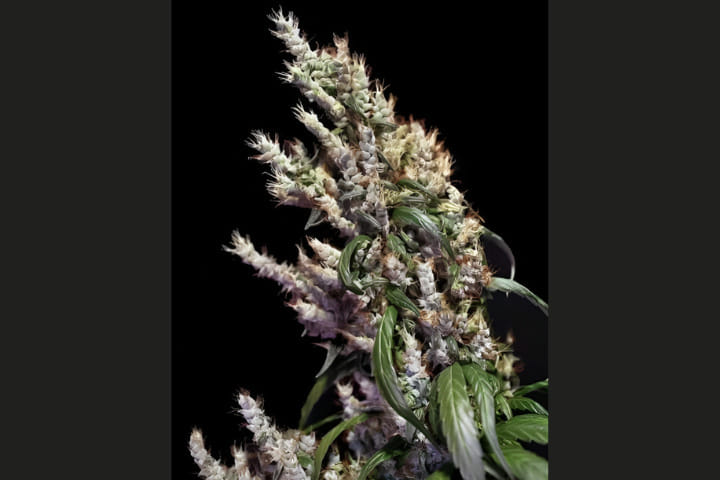
The visual clues that signal foxtailing include buds with extended calyxes and a thin, elongated look. These abnormal buds also tend to display long sugar leaves that enhance their peculiar appearance. With robustly developed buds, those affected by foxtailing are usually not as compact, which might lead to decreased yield potential. Indications like yellowing foliage and unusual patterns in bud development often precede stress-related foxtail growth.
A thorough understanding of what characterizes foxtailing—including its aesthetic indicators—and being alert for such changes can be instrumental in recognizing this condition quickly within your cannabis crops so that appropriate action may be taken without delay.
Visual Indicators of Foxtailing
Foxtailing can be easily spotted by observing the stretched-out, thin calyxes and the distinct gaps between clusters of buds. Buds affected by foxtailing typically take on a tower-like shape, looking more drawn out and sparse than regular cannabis flowers, which are characteristically dense and compact.
By recognizing these signs early on, growers can pinpoint and rectify environmental factors that might cause foxtailing in their cannabis plants.
Early Signs of Stress-Induced Foxtailing
Indications of stress-related foxtailing initially manifest as yellowing leaves, signaling a state of distress within the plants. Accompanying this discoloration are atypical patterns in bud growth, characterized by spindly and irregular formations. These alterations in growth behavior suggest that the plants might be suffering from environmental strain, which could culminate in foxtailing unless swiftly managed.
By monitoring these initial signs closely, cultivators can implement timely remedial measures to mitigate stress factors and halt any progression toward foxtailing incidents.
Causes of Foxtailing in Cannabis
Cannabis plants may exhibit foxtailing due to inherent genetic characteristics or environmental stress. Some strains of cannabis are inherently more prone to foxtailing because of their genetics, while others might develop this condition as a response to environmental factors like excessive heat and light, or due to suboptimal growing techniques.
When the intensity of grow lights is too strong or if they’re placed too close to the plants, it can result in light stress, which leads cannabis strains to develop foxtails. Regulating the strength of lights and ensuring they are at an appropriate distance from the plants can help circumvent light-induced foxtailing. Temperatures that rise above optimal levels for cannabis cultivation could prompt the development of these unwanted growths on your plants.
It is vital for cultivating healthy roots systems within your cannabis plants as a defense against various forms of stress, including those that cause them to start foxtailing. In-depth knowledge regarding each potential trigger allows growers to manage better and prevent such issues effectively.
Light Stress
Light stress in cannabis plants occurs when the light intensity goes beyond what they can handle, commonly happening if the lights are too near to their buds. This kind of stress typically emerges when the level of light intensity is over 1000 PPFD, leading to a phenomenon called foxtailing. Foxtailing is characterized by the growth of abnormal spire-like extensions on buds.
To reduce instances of light stress, it’s crucial to keep light intensities within acceptable limits and position your lighting fixtures appropriately. For instance, LED lights should be placed no closer than 40 centimeters from plants. HID (High-Intensity Discharge) lamps require an even greater distance—at least 60 centimeters—to prevent undue stress on your cannabis flowers.
Heat Stress
Excessive heat can trigger foxtailing in cannabis plants, stunt growth, and limit yield. When temperatures exceed the ideal range of 22-25 degrees C (72-77 degrees F), cannabis plants may exhibit foxtailing and other signs of stress. High temperatures can also cause stunted growth and poor yields, making heat stress a significant factor in cannabis cultivation.
Maintaining optimal temperature ranges and ensuring proper ventilation can help prevent heat stress and its associated adverse effects on cannabis plants.
Other Environmental Factors
Cannabis plants exposed to environmental stress may develop irregular bud structures, a condition commonly known as foxtailing. This issue can be aggravated by several factors, such as inadequate air circulation, the presence of harmful microorganisms, and incorrect pH levels, which contribute to increased stress on cannabis plants that might result in fox tailing. Observing yellowed foliage and inhibited growth could signify these stresses impacting the plant’s health.
Nematodes, which are microscopic worms that can attack the roots and induce stress within cannabis plants, are particularly harmful, manifesting through symptoms such as leaf discoloration and reduced development rate. To prevent occurrences of foxtailing while promoting robust growth in cannabis plants, it is crucial to regulate environmental parameters like temperature equilibrium and maintain proper pH levels.
Managing and Preventing Foxtailing
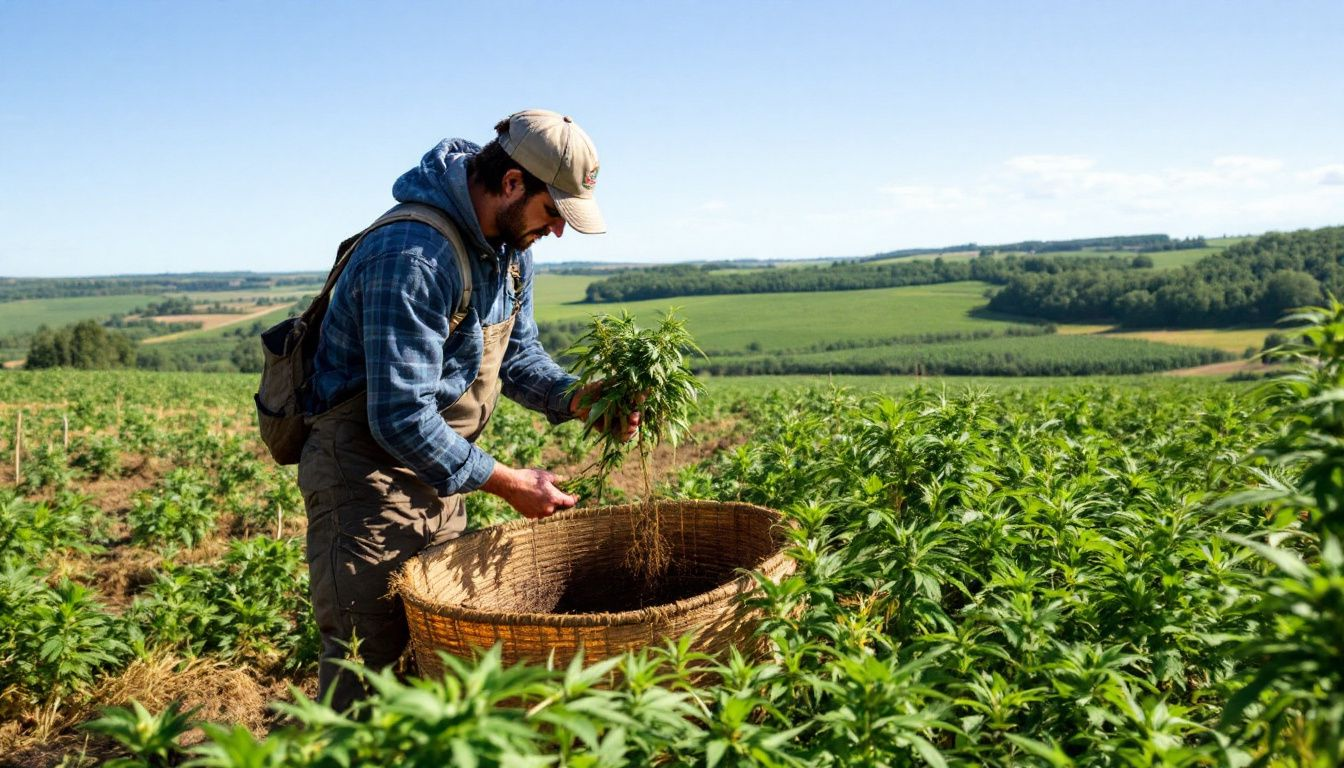
To manage and prevent foxtailing, it is essential to tackle the environmental factors that lead to this condition. Foxtailing in cannabis plants can result from exposure to less-than-ideal conditions. To combat this issue, attention should be paid to mitigating heat and light stress while ensuring that the root zone remains healthy.
By consistently keeping temperature levels within an optimal range, one can greatly diminish the risk of foxtail development. Implementing air conditioning solutions and adequate ventilation systems can help achieve stable climatic conditions throughout changing seasons, thereby promoting overall plant health. It’s crucial to monitor temperature and humidity consistently as part of preventative measures against foxtailing in cannabis.
Adopting certain techniques, such as moderating light intensity and adjusting how close lights are placed to plants, can serve as effective strategies for managing and preventing foxtails from forming on your cannabis crop.
Adjusting Light Intensity and Distance
Ensuring the proper spacing between lights and cannabis plants is crucial to avoiding light stress, a frequent trigger for foxtailing. When lights are positioned too close, the overpowering intensity can cause foxtailing in the plants. For those cultivating cannabis with LED lighting systems, it’s recommended that the lights be situated no less than 16 inches (40 centimeters) away from the plant canopy. A minimum distance of 24 inches (60 centimeters) should be maintained for HID lighting
By calibrating light intensity and keeping an adequate separation between your plants and their light source, you can substantially diminish instances of foxtailing by providing an ideal amount of illumination without inflicting stress on your cannabis crops.
Controlling Grow Room Temperature
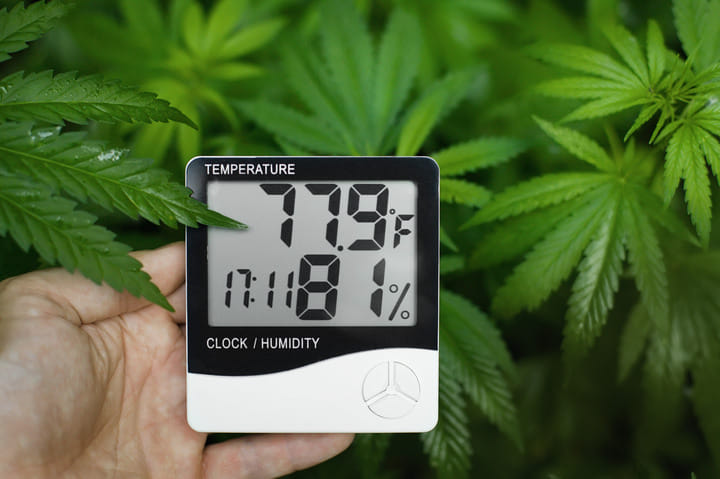
The ideal temperature for cannabis growth varies depending on the growth stage. For seedlings, the optimal temperature is 68-77 degrees F (20-25 degrees C, while for the vegetative phase, it ranges from 72-82 degrees F (22-28 degrees C. During the flowering phase, the ideal temperature is 68-79 degrees F (20-26 degrees C). Adding air conditioning can help maintain these ideal temperatures in the grow room.
Using fans in the grow room can help lower temperatures and improve air circulation, relieving plant stress. Controlling temperature effectively prevents heat stress and ensures healthy cannabis growth.
Maintaining Root Zone Health
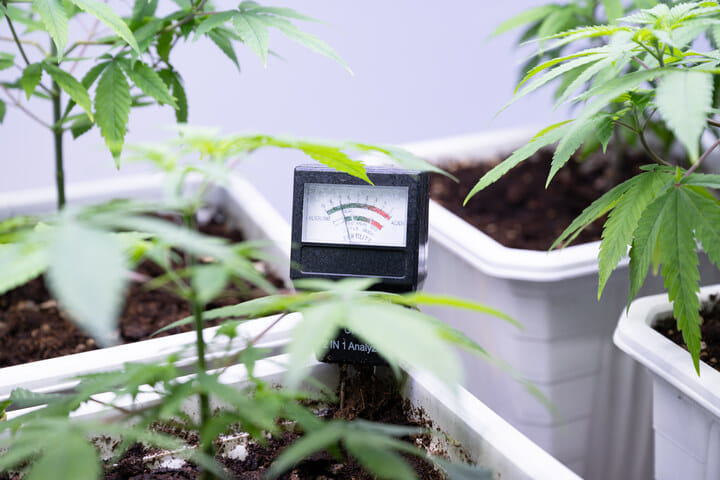
The ideal pH level for growing cannabis plants in soil is between 6.0 to 7.0. Key factors that affect root zone health include pH levels and microbial balance. If root zone factors such as pH become unmanageable, plants may experience stress that leads to foxtailing.
Maintaining proper pH levels and microbial balance through monitoring protocols helps prevent foxtailing. Regular pH testing and fostering a symbiotic relationship between roots and beneficial microbes are key.
Fixing Foxtailing Buds
Should fox tailing begin before the buds are fully developed, it is critical to quickly reduce stress to curb Harm. If foxtails aren’t naturally occurring due to genetics, vigilant observation and amelioration of adverse factors can be beneficial. Promptly tackling stress experienced by plants may curtail potential detriments to the yield brought on by fox tailing.
To rectify or control cannabis plant foxtails, one should consider tweaking light exposure levels, enhancing heat dissipation methods, conducting routine pH examinations and making sure there’s ample room for plant growth. It is vital to closely monitor environmental conditions while fine-tuning nutrient delivery timetables accordingly.
Restoring plants affected by foxtail buds and averting future incidents necessitates optimizing the growing environment and establishing enduring preventative measures. Both immediate alleviation of stressors and sustained prevention techniques play crucial roles in successfully fixing issues related to bud development caused by heat or other forms of crop distress, leading to unwanted foxtail formation.
Immediate Stress Reduction
To alleviate stress in cannabis plants, especially when they display symptoms, prompt measures such as lowering the heat, enhancing ventilation, and modifying the height of lights are essential. Implementing fans can effectively remove hot air from around plants when temperatures exceed recommended thresholds.
Growers can swiftly mitigate issues leading to foxtailing by taking these actions right away, which helps stabilize conditions within the grow area for their cannabis plants.
Long-Term Prevention Strategies
Maintaining the health of cannabis buds and averting foxtailing necessitates a commitment to long-term preventative measures. Vigilantly monitoring conditions such as temperature and light intensity is crucial in mitigating stress factors that can cause foxtailing.
Ensuring optimal pH levels and a balanced microbial ecosystem within the root area is key to creating ideal conditions for growth, thus minimizing stress-related occurrences of foxtailing. Utilizing seeds of superior quality also contributes to diminishing genetic propensities toward foxtailing, fostering more consistent environmental stability for cannabis growth.
When to Harvest Foxtailing Buds
When determining the right time to harvest buds experiencing fox tailing, you should observe new white pistils sprouting predominantly from their apexes as a sign of maturity. The presence of milky trichomes on these specific buds indicates that they have reached optimal ripeness, and it is appropriate to initiate harvest when most trichomes exhibit this cloudy appearance.
Although it’s possible to reap foxtail buds, note that they tend not to be as compact and may weigh somewhat less than typical cannabis buds. By identifying these particular signs of readiness for harvesting your cannabis plants, you can ensure the timing aligns perfectly for achieving maximum quality and potency from your yield.
Summary
In summary, fox tailing in cannabis can be both a genetic trait and a result of environmental stress. Understanding the causes and types of foxtailing is crucial for managing and preventing this phenomenon in your cannabis garden. By identifying the early signs and implementing effective strategies, you can maintain healthy, productive plants and achieve optimal yields.
Managing light intensity, controlling grow room temperature, and maintaining root zone health are key to preventing foxtailing. By taking immediate actions to reduce stress and adopting long-term prevention strategies, you can fix foxtailing buds and ensure your cannabis plants thrive. Remember, the goal is to create a stable, stress-free environment for your plants to flourish.
Frequently Asked Questions
What causes foxtailing in cannabis plants?
Foxtailing in cannabis plants is mainly caused by genetic traits and can be exacerbated by light stress, heat stress, or other environmental issues.
It’s crucial to manage growing conditions to minimize this effect.
How can I prevent foxtailing in my cannabis plants?
To prevent foxtailing in your cannabis plants, keep the temperature in check, adjust your light spacing, and monitor the pH levels of your water and soil.
Taking these steps can help ensure healthy growth!
What are the visual indicators of foxtailing?
If you notice elongated calyxes, spindly sugar leaves, and a spire-like shape in your buds, that’s a clear sign of foxtailing.
Watch out for these features!
When should I harvest foxtailing buds?
You should harvest foxtailing buds when you see new white pistils at the tips and when most of the trichomes look cloudy.
This timing ensures the best potency and flavor!
Are foxtails harmful to cannabis plants?
Foxtails aren’t inherently harmful to cannabis plants, but too much foxtailing can negatively impact their growth and yield.
So keep an eye on them!


