

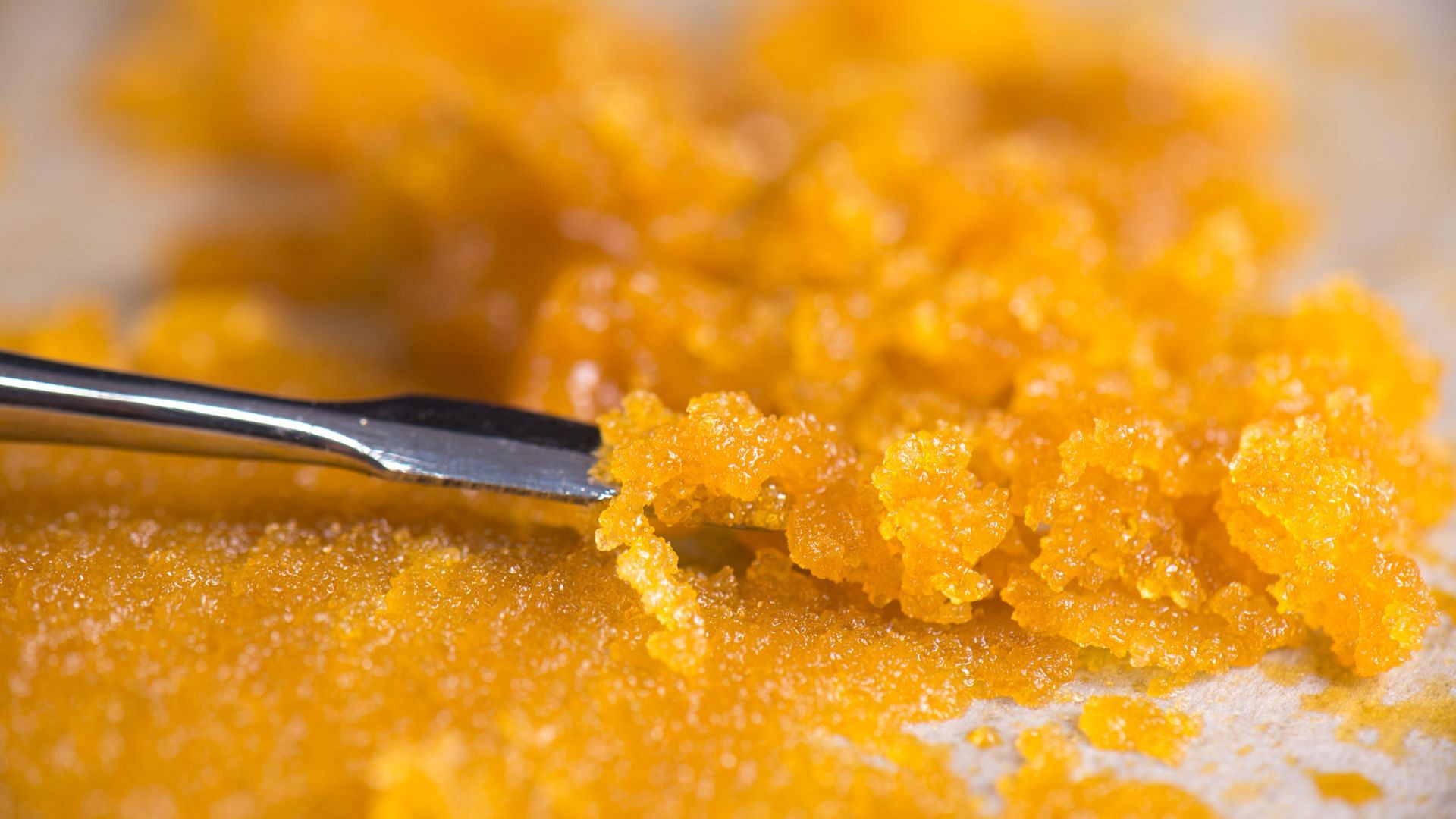
Resin – the high-quality oil used in everything from vapes and cartridges to dabs – is increasing in popularity. This potent concentrate is gaining a reputation as a powerful, flavourful way to enjoy THC. Cured resin has been around for a while now, but live resin is a relatively new thing, gaining traction among the members of the dabbing and vaping community over the last few years. Gone are the days when your choices were simply a joint or a bong – nowadays, there are more ingenious ways to get high than ever before.
This sticky substance is usually amber, light brown, or dark brown. It’s primarily used in two forms – traditional cured resin and the newer alternative, live resin. If you’re wondering what the differences are between these two, read on.
What is Cannabis Resin?
Disclaimer: The use of the word ‘resin’ is often applied to different facets of cannabis and can cause some confusion to relative newbies. Some will tell you resin is the sticky substance on the buds, while others use resin to refer to a specific type of concentrate. Others use the term 'resin' to describe the brown gunk accumulating in pipes, bongs and grinders (which you most certainly do not want to smoke). All of these are correct, but for the main subject of this article, we’re talking about resin as a concentrate.
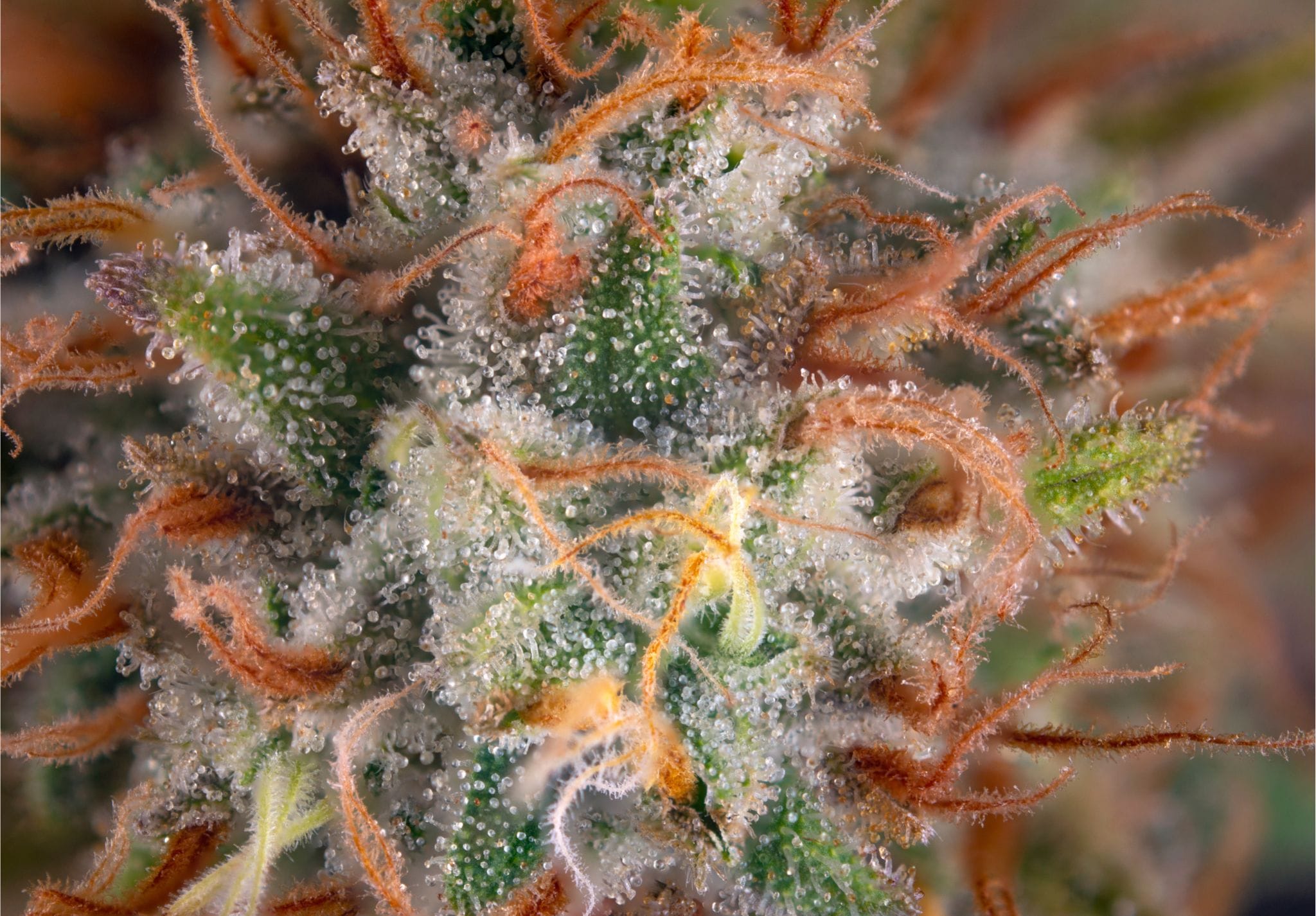
When you touch or squeeze cannabis buds and feel a gooey stickiness on your fingers, you're feeling the resin of the cannabis plant. That resin is a plant by-product, similar to tree sap but with some key differences. While both are sticky substances, they differ in composition; tree sap is more sugary and liquid in form.

Cannabis resin, on the other hand, is contained in the trichomes of the plant and is trickier to separate from the plant matter itself. The trichomes of the cannabis plant contain the most valuable assets – THC, terpenoids, and flavonoids. It’s here that you find the psychoactive properties, flavour and aroma, making the resin of the cannabis plant the desirable bounty.
Cannabis plants produce resin glands as a form of defence. The sticky stuff emitted by the glands protects the plant by making it appear unpalatable to certain pests and herbivores - but it doesn’t end there. The fine layer of resin also affords the plant a thin barrier of protection against harmful UV rays, acting like a natural sunscreen the plant creates for itself. Ultimately, resin plays a part in keeping cannabis plants safe during the flowering stage.
What is Cured Resin?
Cured resin, sometimes called dead resin or wax, is a cannabis concentrate made from cured and dried cannabis buds. Cured cannabis is flower which has been dried first, then stored in an airtight container for some time (usually a few weeks). This allows the terpenes and cannabinoids to ‘mature’ in a humidity-controlled environment.
Curing is sometimes an overlooked step in the process, but it’s a necessary one in terms of how it can make for a more refined experience when consuming the flower. During this process, chlorophyll continues to break down. It changes the flavour of cannabis to a more terpene-dominant one and less like a plant taste.
The curing process changes the moisture levels of the cannabis. It results in the degradation of some of the terpenes, leaving fewer monoterpenes and more sesquiterpenes.
In the case of cured resin, after buds are cured, they are processed in a hydrocarbon solvent which uses heat and pressure to extract a terpene ‘sauce’.
What is Live Resin?
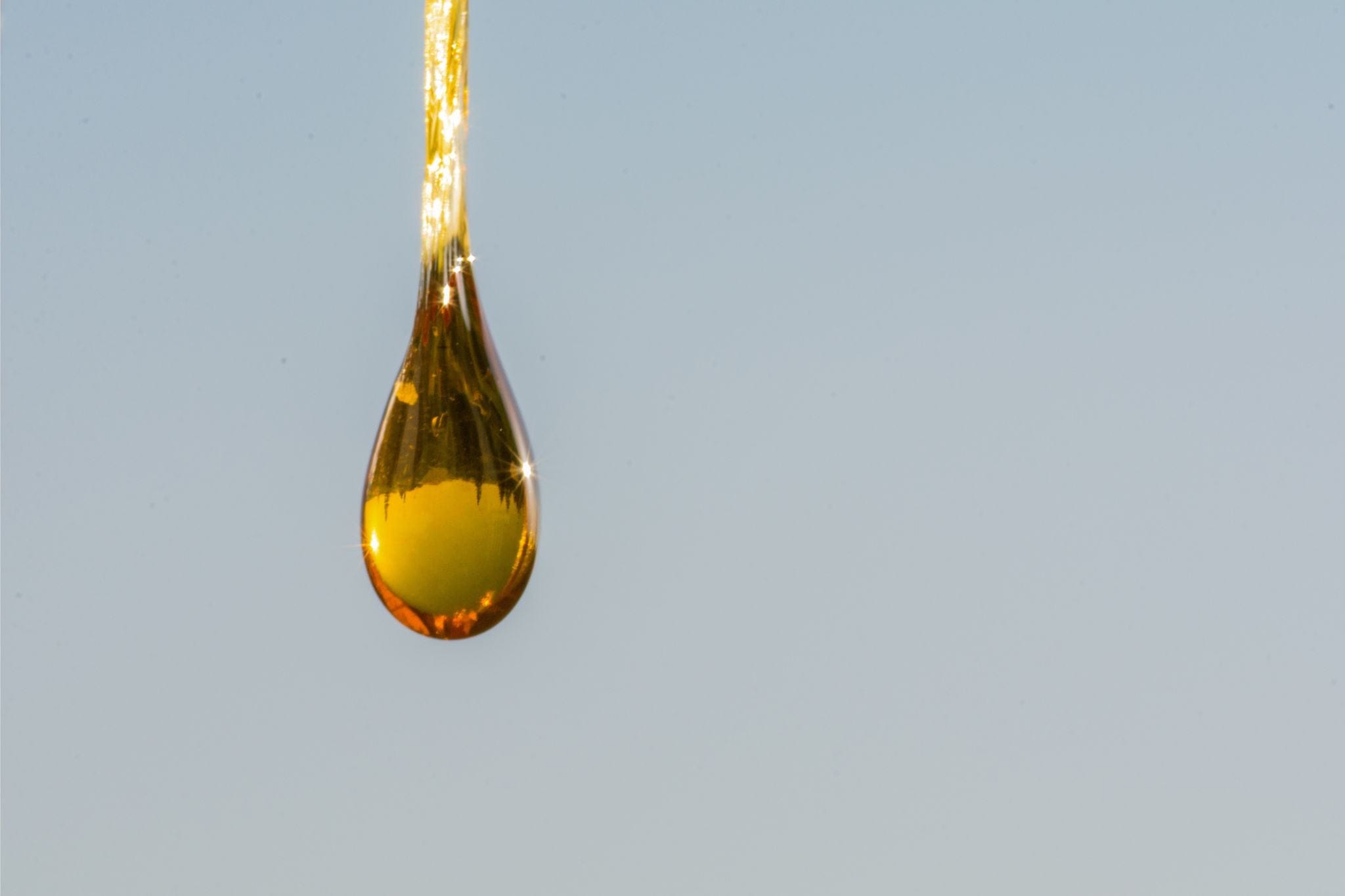
Live resin is a relatively new addition to the ever-expanding list of cannabis concentrates and has become popular with dabbers. It's often touted as a high-class or purer version of Butane Hash Oil. The process for making live resin is the same as for cured resin. The key difference is the starting point - rather than harvesting buds, drying, and then curing them, live resin is made by extracting trichomes from newly-harvested cannabis plants. These are flash-frozen immediately, by dry ice or liquid nitrogen, to preserve the trichomes and cannabinoids before undergoing the same processing technique as cured resin. This takes place while the flower is still in a frozen state.
The benefit of freezing fresh cannabis is that the terpenes are preserved perfectly and allows for a resin that retains all the flavours and aromas of the cannabis strain it was produced from. Live resin also saves time, allowing you to skip time-consuming steps like drying and curing. The downside is that freezing requires specialised equipment, which can push up production costs.
Live Resin v Cured Resin: Flavour
Before trying resins, you might wonder what to expect in terms of flavour and if the process makes any difference to the taste. Both give up a strong flavour and aroma; which you prefer is down to you. The consensus seems to be that live resin is a stronger, bolder-tasting product, which retains the flavours of the strain it came from due to the preservation of monoterpenes from freezing freshly-harvested bud.
Cured resin, on the other hand, is said to have a more subtle blend of flavours, not as powerful as live resin but still flavourful. Some users say cured resins have a better variety of flavours, whereas live resins are stronger-tasting but less varied in flavours.
Live Resin v Cured Resin: Potency
Now for the all-important question: which of these provides the greater high? The answer, unfortunately, is that there’s not a massive difference between the two in terms of potency. Still, you may find a notable difference in effects. Resins are far more intense than flower due to their concentration, so if you’re new to resin, you’ll find it more potent than joints or a bong hit. When comparing the two forms of resin, the difference comes in how you feel more than how intensely you feel it.
Live resin users report more upbeat effects, such as euphoria and increased energy. It’s also often said that live resin stimulates the mind and the body, leading to an all-over development but predominantly a head high.
If you’ve ever used cannabis vape cartridges, you’ll be familiar with cured resin, as it’s what’s generally used in this form of cannabis. Traditionally, cartridges contained distillate, but recently this has been replaced with cured resin. Distillate has become less popular with manufacturers for filling vape cartridges.
Cured resin is considered the more refined experience. While less powerful in terms of sheer flavour, it remains highly potent. Some users report a more “stoned” effect than the uplifting head high of live resin.
Live Resin vs Cured Resin: Consumption methods
The best way to consume resin is to dab or vape it. Dabbing isn’t for everyone, especially if you’re new to cannabis. Dosing dabs is tricky, but once you get it right, you can experience new heights of cerebral effects and physical relief.
What is a Dab?
Related Article:
How To Dab With Cannabis Concentrates
Dabbing can best be described as the flash vaporization of cannabis. In other words, you’ll heat the resin until it gives off some serious smoke and then inhale it.
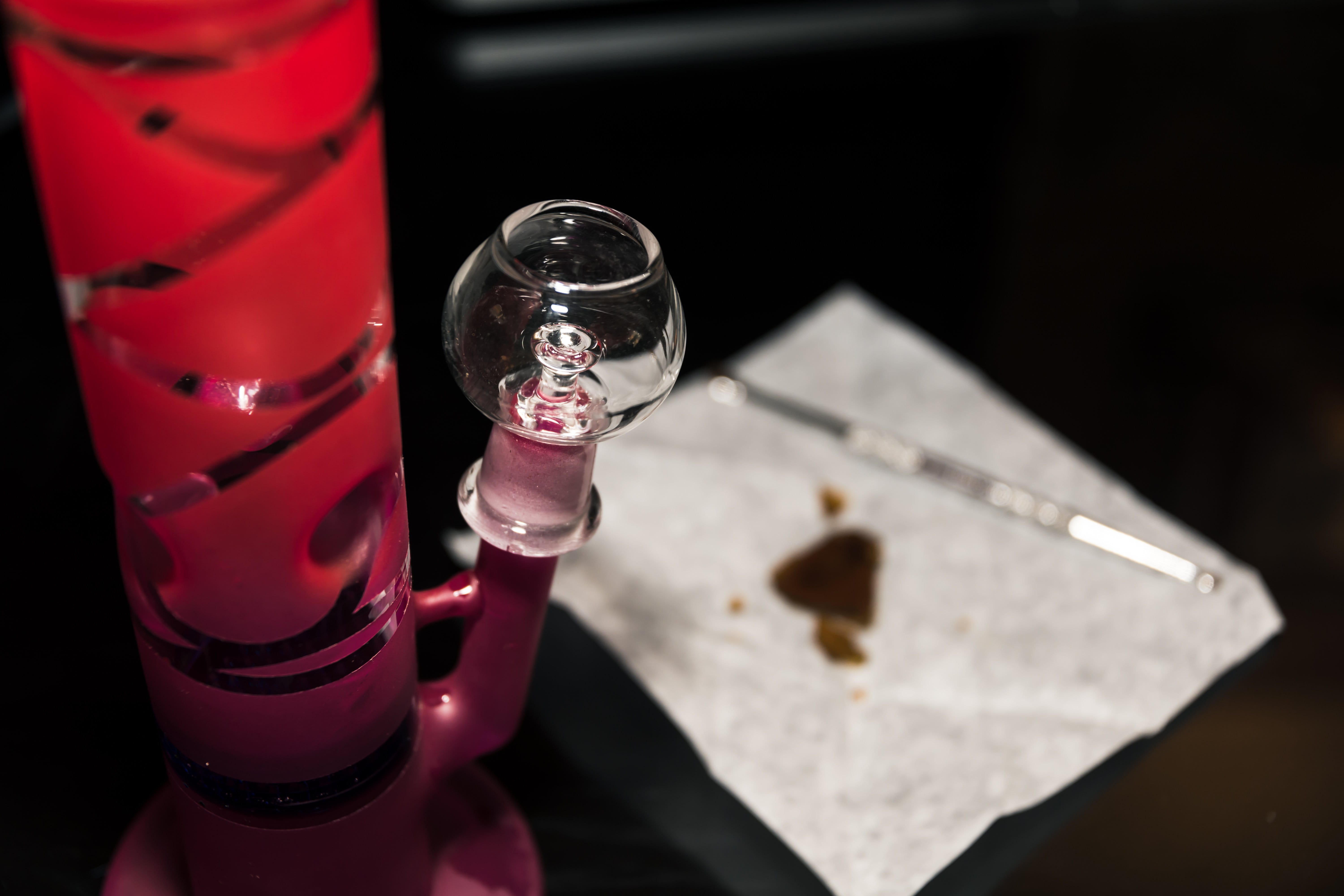
Different tools are available for dabbing, the most popular being a dab rig, followed by e-rigs and dab pens. A dab rig is a water pipe that looks similar to a bong, but while it has the same water chamber for cooling vapor, it employs a nail for concentrates instead of the chamber a bong uses for flower. If you’ve never seen a dab rig, the term ‘nail’ is a misnomer – it’s more of a small bucket in which you place your resin.
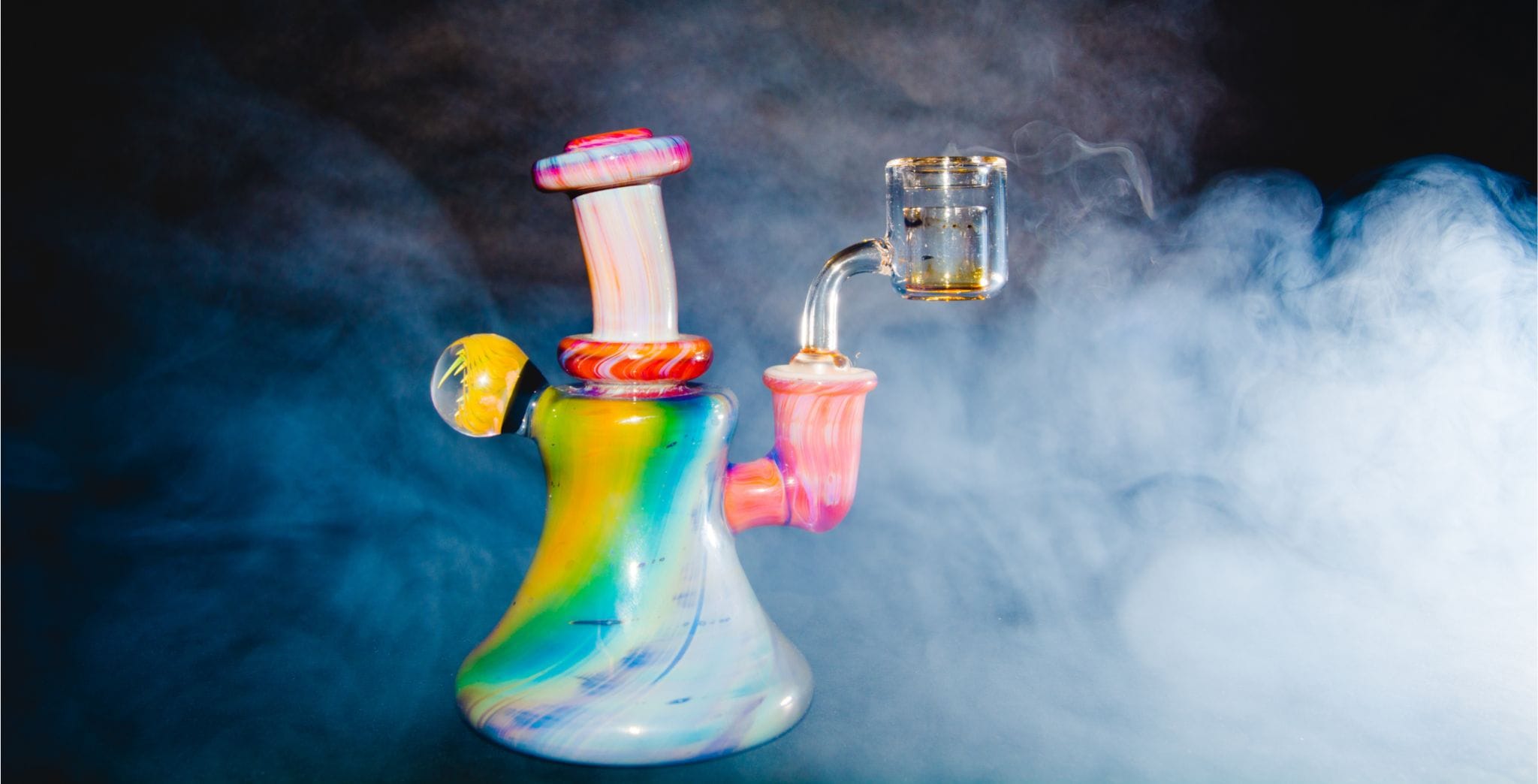
Dabbing takes time to get right, so if you’re new to it, it helps to have an experienced dabber present to show you the ropes. To use your dab rig, you’ll heat the nail with a torch – many dabbers use a small kitchen torch like the kind you use to top a crème brulee - until it reaches a high enough temperature (400-600F).
The temperature of the nail is crucial to the dabbing experience – too hot, and you’ll scorch the terpenes and have the kind of harsh inhale that’ll send you to the floor in a coughing fit.
Once the nail is hot, allow between 10 and 30 seconds for it to cool before very carefully – and using a tool to handle the sticky stuff - dropping a small amount of resin in the nail. The extreme heat then vaporizes the resin, and it begins to give off smoke. It’s advisable to place a carb cap over the nail, allowing you to control the vapour flow, and then you dab (inhale the vapour). The carb cap functions like a bong, where you can increase or decrease airflow, controlling the smoke you inhale. It also provides a little protection since dab nails are dangerously hot and should not be touched. You do not want a piece of that action!
Live Resin vs Cured Resin – Storage
Since the utmost care was taken to preserve terpenes and other compounds, you’ll want to take similar care when storing. Live resin is a waxy substance that becomes more liquidy when warmed, so you want to keep it cold. You can store live resin in your refrigerator, preferably in a silicone container, as it sticks to glass and metal, making it harder to remove.
Live resin is said to lose potency more quickly when exposed to oxygen than its cured counterpart, so storing below room temperature is advised to extend the longevity of live resin. Cured resin should receive similar protocols – store it somewhere cool, dry, and dark to preserve its longevity and potency. However, cured resin will have a longer shelf life than live resin.
Related Post:
