

Harvest time is what it’s all about in cannabis cultivation. All those weeks and months of hard work, nurturing and troubleshooting, finally pay off, and it’s time to gather your treasure. Sackfuls of dank, resplendent cannabis flowers, dripping with resin and packed with cannabinoids, have been in your nightly dreams for weeks. Harvest is when those dreams come true! The primary question for beginner growers at this stage is, "Is my marijuana ready?" Determining the optimal time to harvest cannabis plants can feel overwhelming, but with the proper knowledge, it can be as fulfilling as the growing process.
For this article, we will say THC, which is both the THC that the plant produces and the THC that is converted.
CBN is known for its sedative effects. The more mature the plant, the higher the CBN content is more likely to be.
Timing your harvest is an important step. All too often, novice growers (and occasionally, reckless intermediates) mistime it, and whichever side of ‘ripe’ you fall, there are consequences. While you could technically harvest anytime in flowering, harvesting too early can mean substandard yields and a lack of potency. Harvesting too late, however, can result in a higher amount of CBN and less THC. You don’t want to climb the mountain and then lose your footing before you take the selfie at the top, and we don’t want you to either. That’s why we’ve made this handy checklist to help you identify the right time to harvest.
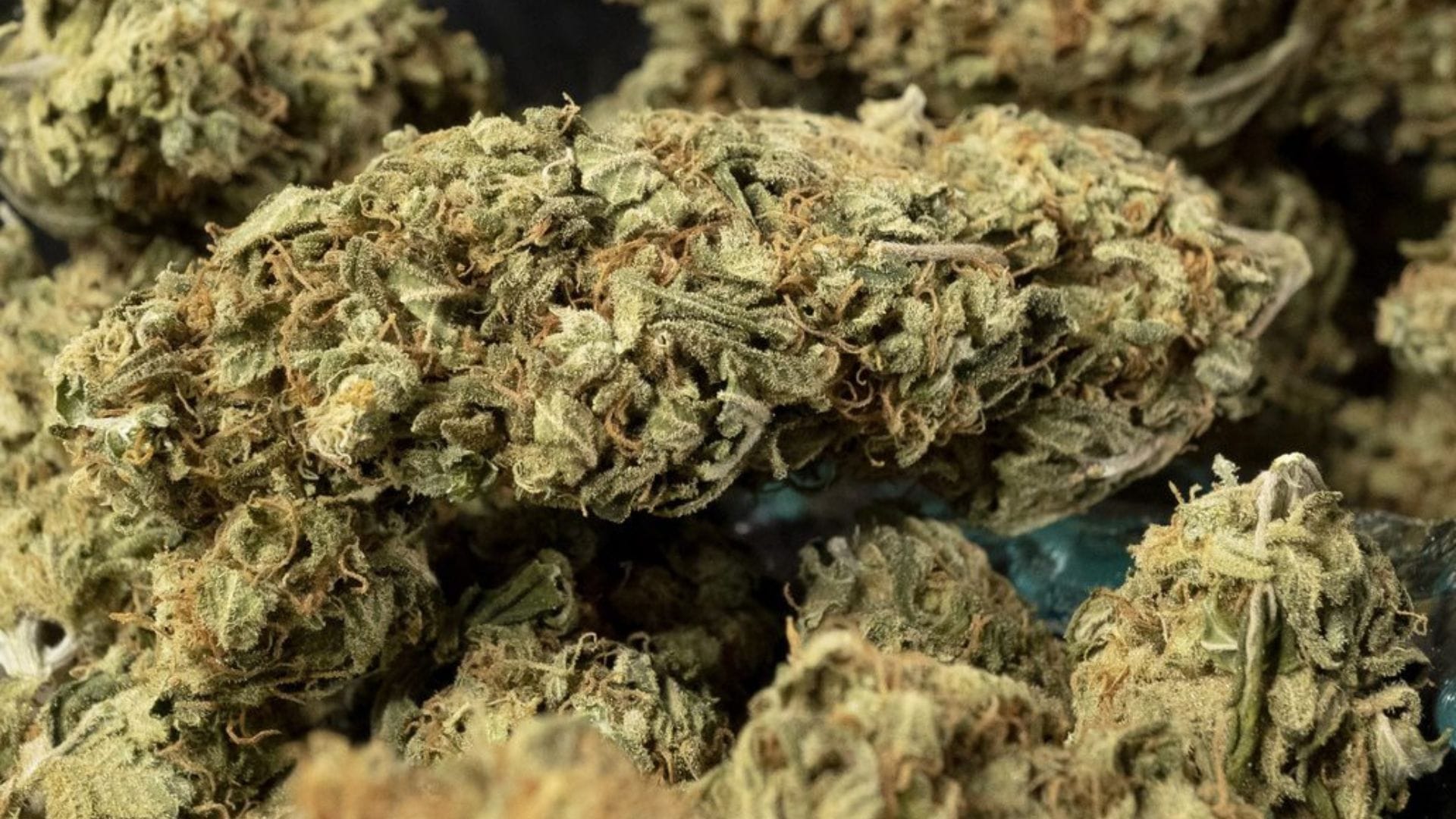
As a rule of thumb, indica feminised strains will be ready anywhere after 8-10 weeks of flowering. In contrast, sativas typically take up to 12 weeks, sometimes even more. Autoflowering strains can have a life cycle of 7 weeks or more.
Pistil Examination
Pistils are the white hair-like structures on the buds of female cannabis plants. Early in the flowering stage, these bright white pistils stick straight out. As the plant matures, those white pistils darken and curl in. The harvesting window is open when roughly 40% of the pistils have turned brown. Your buds have enough THC to produce a high - but haven’t peaked yet. Once around 50-70% of the pistils have turned a dark amber or brownish colour and curled inward, your cannabis plant is high in THC and is typically ripe for harvest.
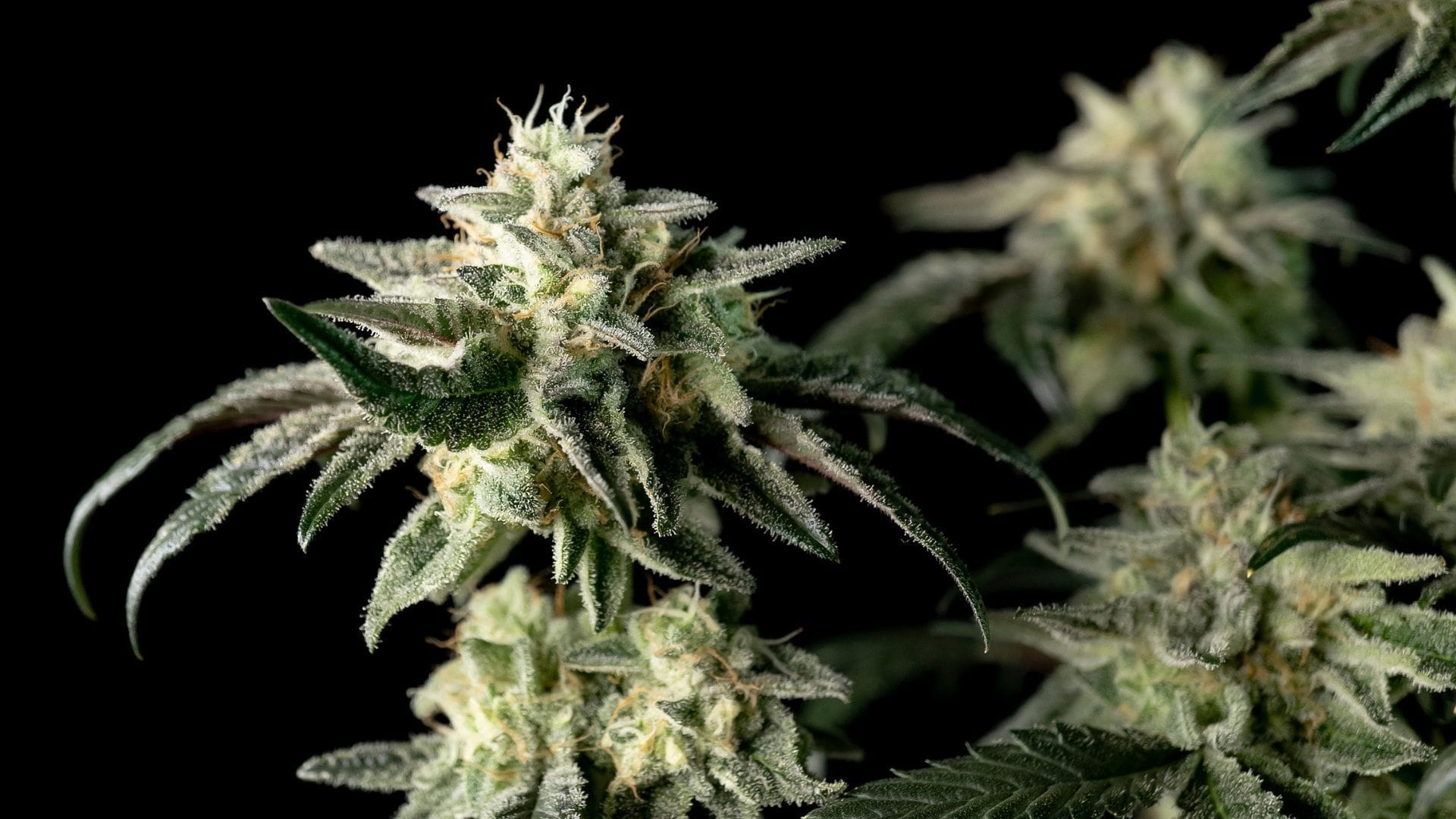
Some growers, especially when growing indica-dominant plants, will wait for a higher percentage of brown pistils, thus increasing the sedative, couch-lock effect of the cannabis.
While it’s a reasonably easy inspection that can be carried out with the naked eye, the pistil method isn’t foolproof, and other methods should be used to gauge readiness more accurately.
Trichome Colour Inspection
Trichomes, or resin glands, are tiny, crystal-like appendages on the surface of the cannabis buds. They house the plant's cannabinoids and terpenes, making them a significant indicator of maturity. There are several types of trichomes, but they’re easily categorised into two groups; glandular trichomes, which, through a magnifying device, resemble tiny mushrooms. Then there are non-glandular trichomes, which do not display the mushroom head and won’t indicate potency or harvest times.
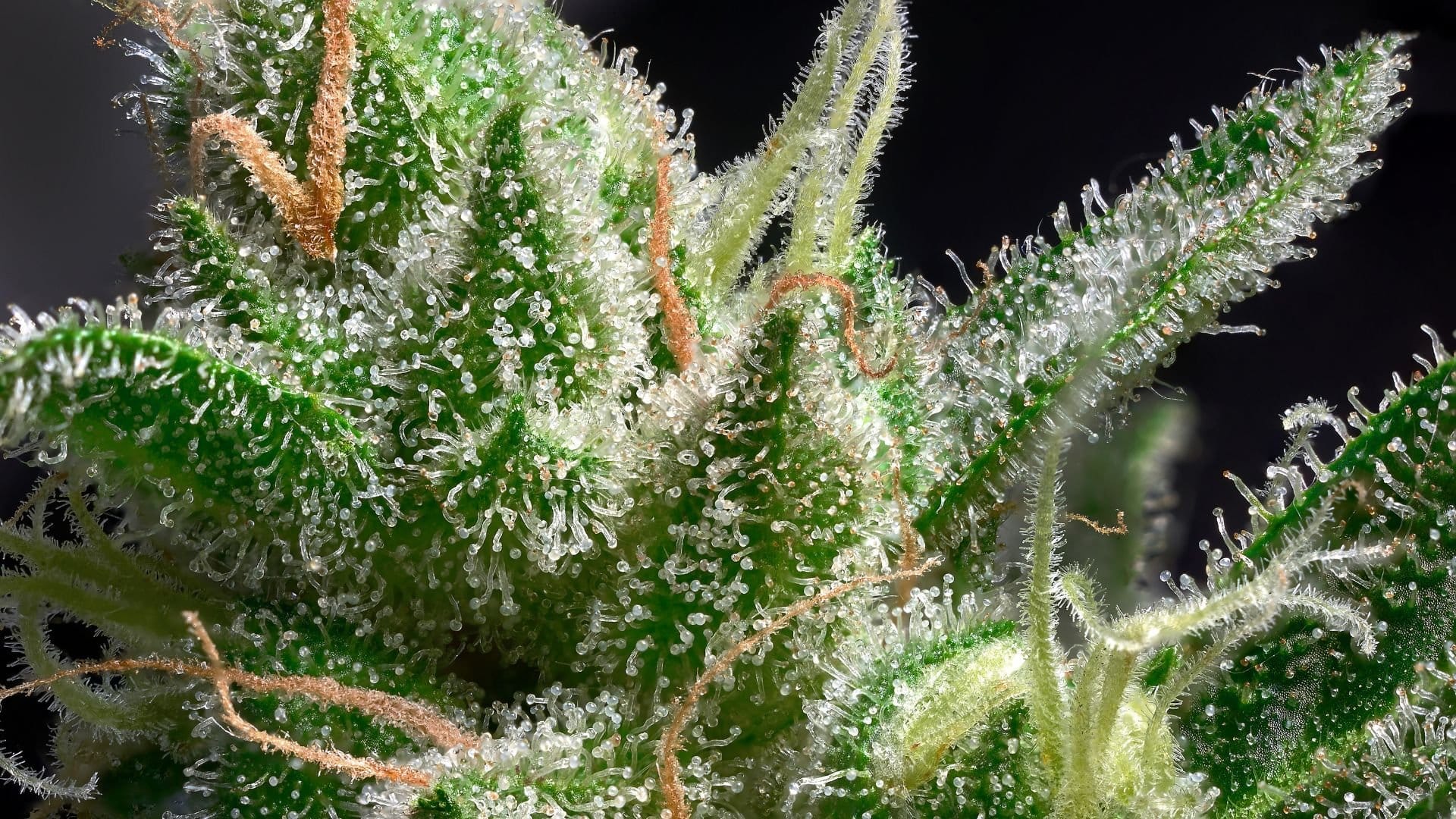
In the early stages of plant development, you’ll see clear trichomes. As the plant matures, trichomes turn cloudy white and eventually an amber colour. Many growers agree that harvesting when most glandular trichomes appear milky and cloudy, with possibly a few amber ones, signals ripe cannabis. It’s essential to know that trichome maturation is a gradual process and that trichomes rarely mature in sync. The key to using this method for determination is to act when the ‘most’ trichomes have made the switch in appearance.
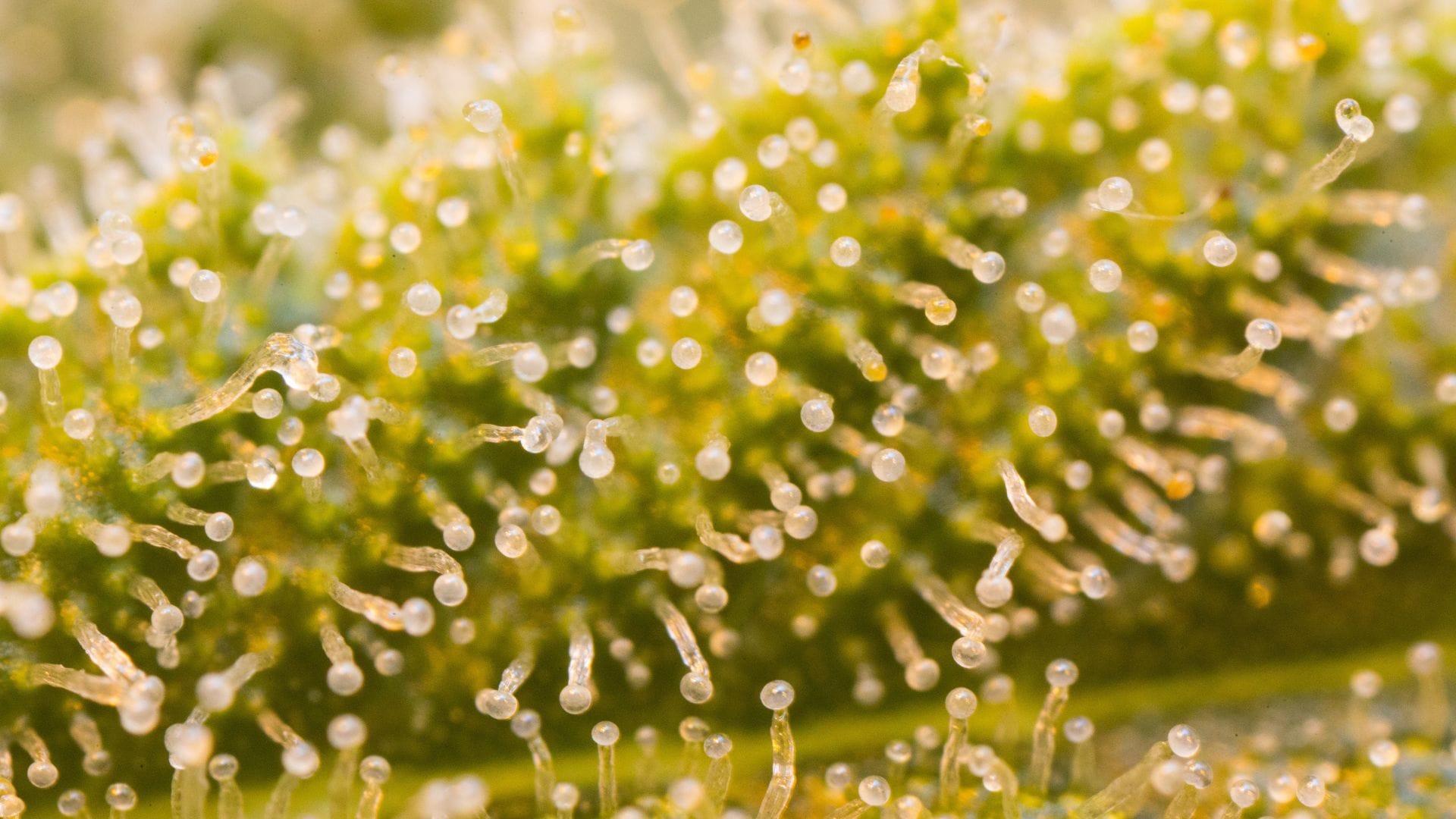
Give regular inspections with a magnifying glass or a similar magnifying tool, such as a jeweller’s loupe. When your trichomes have mostly (70-80%) become opaque and amber, it’s safe to grab your shears. If you want your cannabis to be more sedative, wait until more trichomes have turned amber. As the number of amber trichomes increases, the total THC may reduce as some of the THC species is converted to CBN. Your cannabis will therefore offer a more narcotic experience if harvested at this stage. Do you want to be high, or do you want to be stoned? Let personal preference be your guide here.
Leaf Colour Changes
Depending on genetics and environmental controls, some cannabis strains will naturally begin to change colour, possibly developing purple and red hues, generally in the last four to two weeks before harvest. After this colour change, if fan leaves start to dry out or turn yellow and drop off, this is a good sign of your plants approaching readiness.
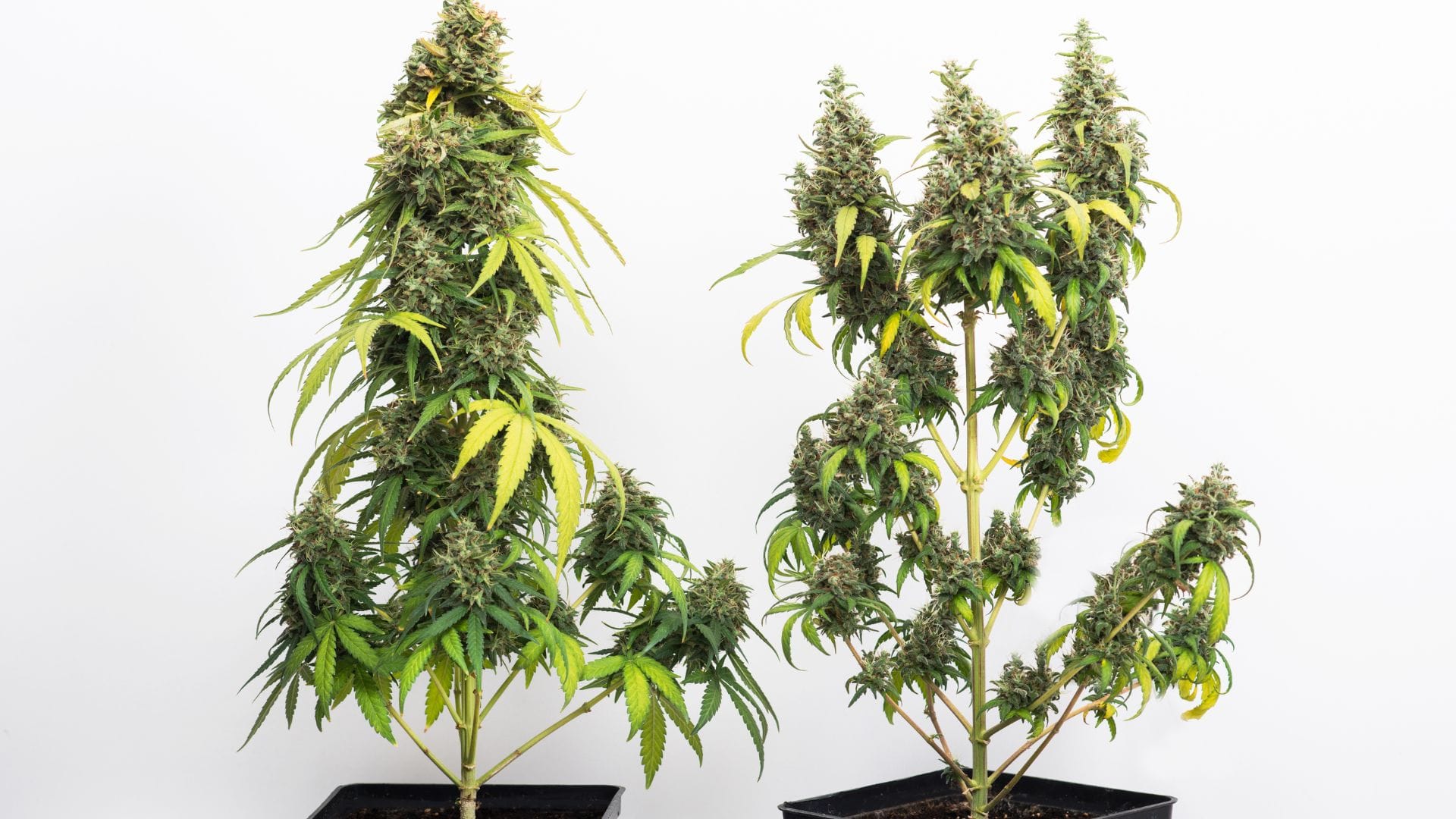
As the cannabis plant reaches the end of its life cycle, leaves naturally die off. This process of chlorosis (breakdown of chlorophyll) leads to the yellowing of the leaves, a phenomenon called senescence. When this happens late in flowering, it may indicate that your plant is nearing harvest readiness. This yellowing, which can also be caused by flushing your cannabis, or withholding water in the late stage of flowering, is natural and nothing to be concerned about. But like pistil inspection, relying solely upon this method to indicate plant readiness is not ideal.
Conclusion
Using a combination of these methods helps give a clearer picture of your crop readiness than any one method by itself. Undoubtedly, the trichome inspection method is the most accurate, but keeping tabs on the above changes in your plant will paint the picture more clearly. Ultimately, there may be a degree of personal preference, depending on how you like the effects of your cannabis. On the whole, catching that optimal window for harvesting your buds relies on identifying the factors above, so run these checks regularly in late flowering and keep yourself right.


